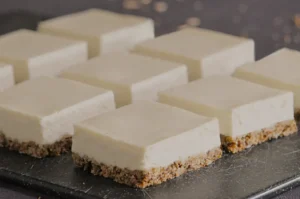
Cheesecake in Singapore
Cheesecake Corporate Gifts Don’t Miss — The Ones That Land with Bliss
The office storage room often tells a clear story about professional appreciation. Behind spare monitors and packing tape sit leftover

The office storage room often tells a clear story about professional appreciation. Behind spare monitors and packing tape sit leftover
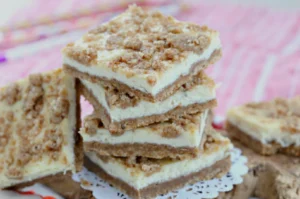
Someone scrolling through dessert delivery apps at 11pm, looking for something sweet that will not turn into a 45-minute guilt
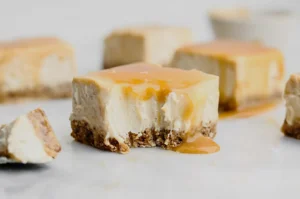
Standing in front of an open refrigerator at midnight often involves a brief internal debate. A cold wedge of dessert
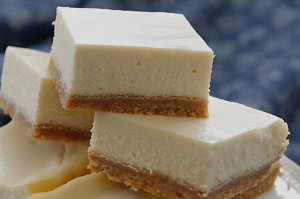
Pulling a dessert straight from the fridge and digging in right away is a common habit. With most cakes, that
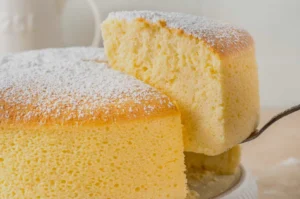
Two slices sitting side by side on a dessert menu can look like they belong to completely different food groups.

The mid-afternoon clock strikes three, and a familiar pattern begins. The initial excitement of a sweet treat is quickly replaced
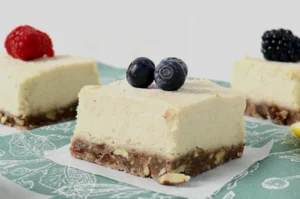
There is a specific, quiet frustration that comes halfway through a heavy dessert. The first few bites are usually wonderful,

There’s a particular kind of guilt that comes with dessert. Not regret, exactly. More like a quiet negotiation with yourself
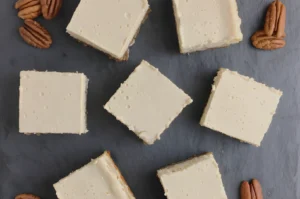
In a café’s display case, rows of identical cheesecake wedges stand perfectly uniform. Each slice reveals a smooth, balanced texture

Standing in front of a pastry display case often brings a sudden wave of decision fatigue. The rows of neat