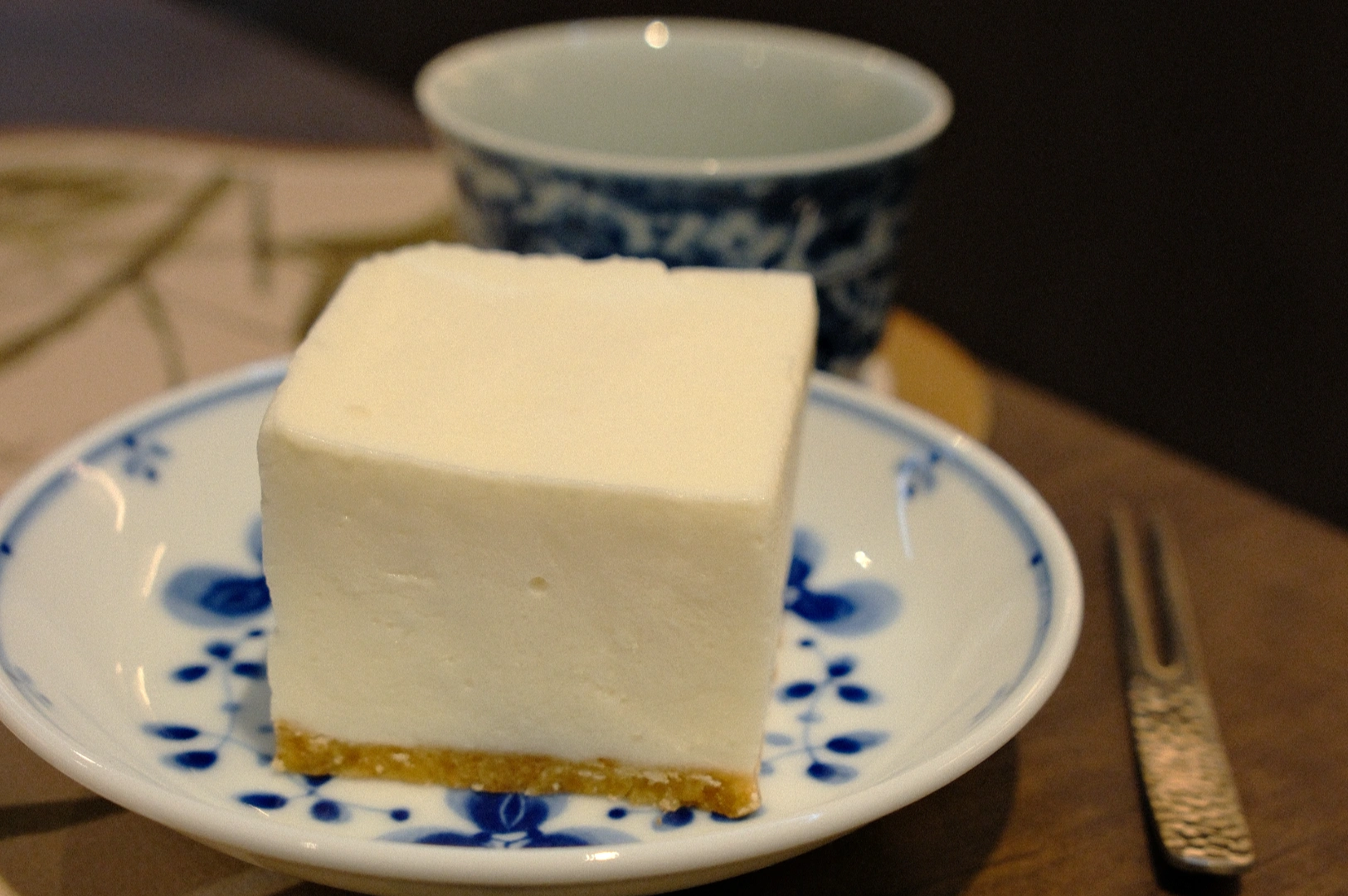
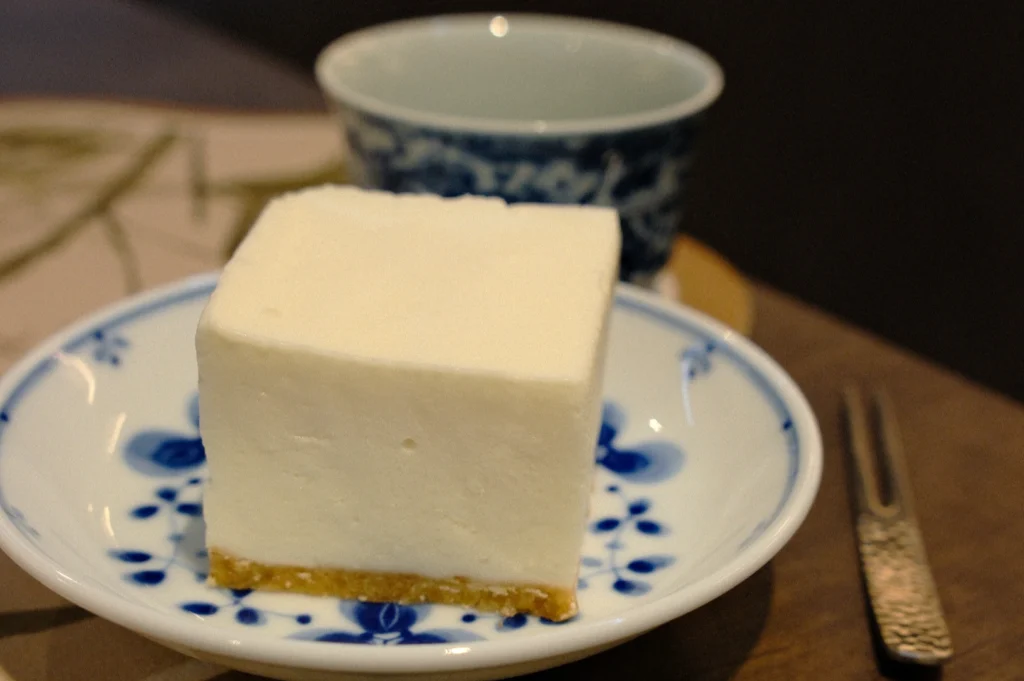
A consumer often assumes that a larger portion equates to greater value. In the world of fine pastry, this assumption is often incorrect. When a dessert reaches a certain volume, it frequently loses its structural integrity. The balance of flavors becomes harder to maintain, and the palate weight increases to a point where enjoyment is compromised.
Portion size serves as a critical indicator of a brand’s intent. Large, oversized portions, a common sight for anyone searching for cheesecake Singapore-wide, often rely on high-fat, high-sugar compositions to mask a lack of technical precision. Conversely, smaller, measured servings allow for a focus on a composed texture and a balanced finish. By reconsidering the scale of a dessert, one can move from a focus on quantity to an
The Relationship Between Portion Size and Palate Weight
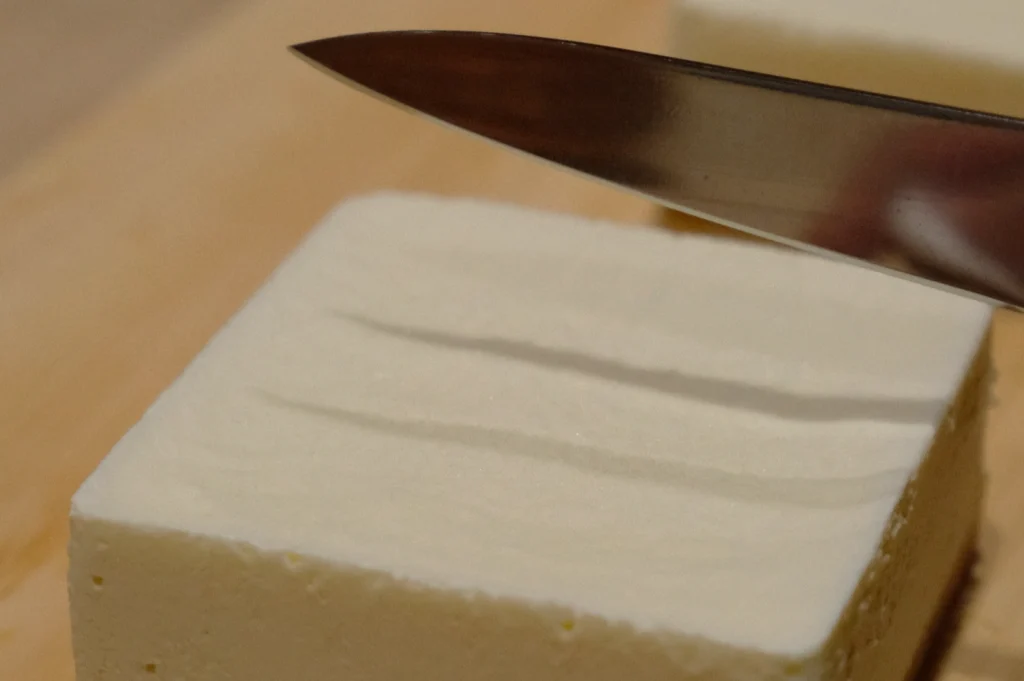
The density profile of a dessert dictates the ideal serving size. A product with a heavy, coating mouthfeel requires a smaller portion. If the portion is too large, the palate becomes saturated with fats and sugars. This leads to richness fatigue, where the taster is no longer able to discern the nuances of the ingredients.
A well-structured dessert is designed with a specific portion in mind. The ratio of the crust to the filling, for example, is intentional. When a maker scales a recipe up without adjusting the technique, the textural consistency often suffers. The center may remain undercooked while the edges dry out.
Managing Palate Weight Through Controlled Scale
Smaller portions allow for a cleaner finish on the palate. When a diner consumes a smaller volume of a high-quality dessert, they are more likely to appreciate the structural integrity of each element. The intensity of flavor is sufficient to provide satisfaction without the need for excessive amounts.
A reduced portion size also shifts the focus to the quality of the raw materials. When there is less room to hide imperfections, the maker must ensure that every ingredient is of the highest standard. This leads to a more refined experience where the finish on the palate is light and purposeful.
How Scaling Affects Textural Consistency
Scaling a dessert requires a deep understanding of how ingredients react to heat and cold. Large cakes can be difficult to set evenly. This often results in a soft, unstable core or a tough, leathery exterior.
A smaller, controlled portion is easier to regulate during the baking or setting process. The thermal transition is uniform, leading to a consistent density profile from the outside to the center. This precision in production is reflected in the final texture of the dessert.
The Perception of Value and Quality
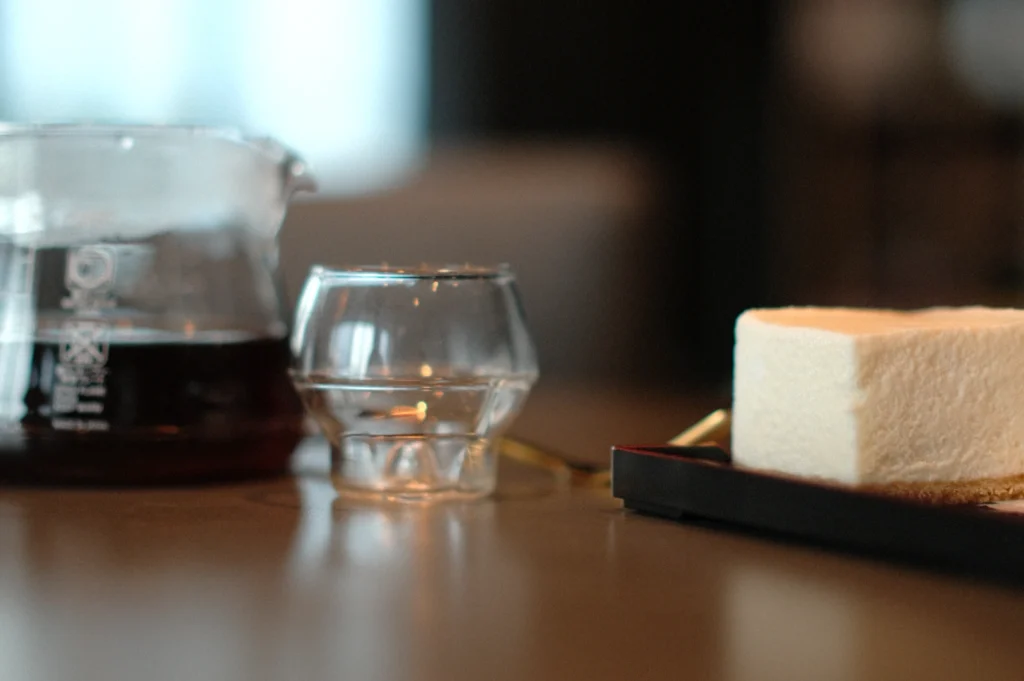
The market has long been conditioned to equate volume with value. However, a shift is occurring. Discerning consumers are beginning to recognize that a small, perfectly executed piece of pastry offers more satisfaction than a large, poorly constructed one.
Quality is defined by the technical effort required to create a specific mouthfeel. Achieving a light, aerated structure that remains stable at room temperature is more difficult than creating a heavy, dense block of ingredients. When a consumer recognizes the effort behind a composed texture, the value of the dessert is elevated, regardless of its size.
Redefining Value Beyond Weight and Volume
A refined dessert institution views value through the lens of experience. A portion that is perfectly balanced allows the diner to finish the dessert feeling satisfied but not overwhelmed. The final bite should be as enjoyable as the first.
When a portion is too large, the last few bites are often consumed out of obligation rather than pleasure. This diminishes the overall perception of the product. By providing a measured portion, the maker ensures that the customer’s final memory of the dessert is a positive one.
The Role of Precision in Delivering a Refined Experience
Precision in portioning is a sign of a disciplined kitchen. It shows that the maker has a clear vision for the product. It also ensures that every customer receives the exact same standard of quality.
Consistency is key to building trust. When a customer knows that their portion will be perfectly structured and balanced every time, they are more likely to appreciate the craftsmanship involved. This reliability is a hallmark of a professional approach to pastry.
Addressing Portion Size and Perceived Quality Through Intentional Design
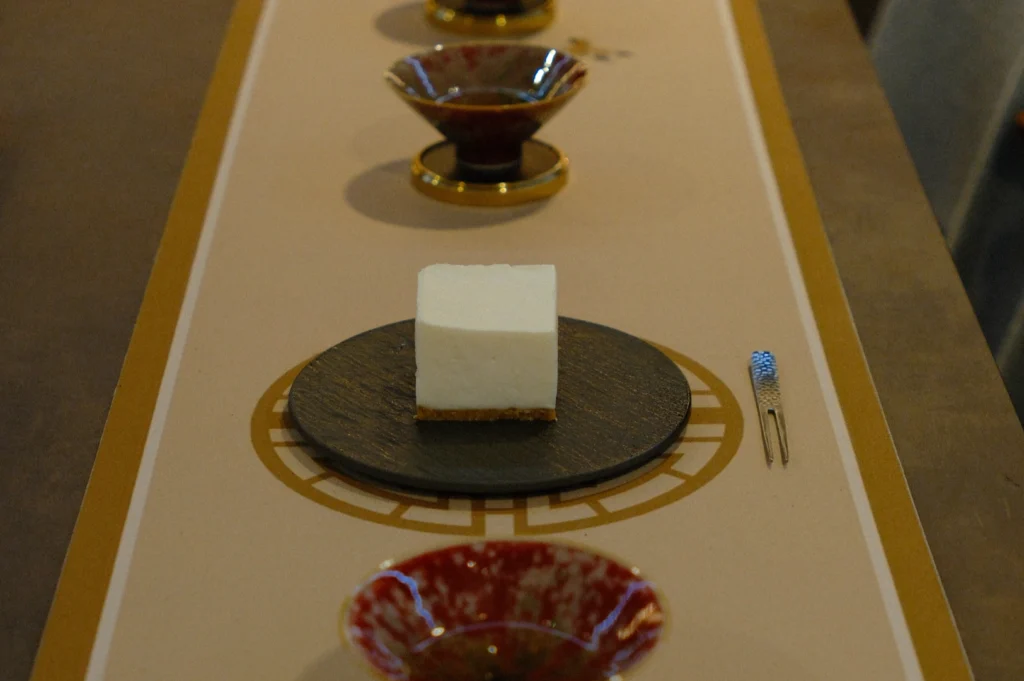
Designing a dessert requires a balance between aesthetic appeal and sensory experience. A portion that is too small may feel inadequate, while one that is too large can be off-putting. The ideal size is the one that allows the flavor profile to shine without being masked by excess.
The design should reflect the nature of the ingredients. Rich and intense components, like those in a dense chocolate torte, call for smaller portions to achieve a balanced finish. Conversely, light and delicate desserts, such as Japanese cheesecakes, allow for larger portions without overwhelming the palate. Understanding how different ingredients contribute to the final product is crucial; you can learn more about this in our article, Ingredient Differences: How Japanese Cheesecakes Achieve Airiness.
Achieving a Balanced Finish with Measured Portions
A balanced finish is the goal of every dessert. It is the state of the palate after the final bite has been swallowed. If the finish is heavy, the dessert has failed. If the finish is clean and refreshing, the dessert has succeeded.
Measured portions are essential to achieving this balance. They allow the flavors to linger for a moment before fading away, leaving the palate clean and ready for whatever comes next. This is the hallmark of a refined approach to pastry.
The Impact of Portion Control on Dessert Standards
he adoption of thoughtful portion sizes is a step toward raising the standards of the dessert industry. It encourages makers to focus on the quality of their ingredients and the technical precision of their methods. It also invites consumers to slow down and savor the experience.
This shift is not just about size. It is about an attitude toward the craft of dessert making. It is an acknowledgment that pastry is an art form that deserves to be treated with care and respect.
The way we approach portion size at Daizu by Ki-setsu reflects our commitment to a refined, ingredient-conscious craft. We view our cheesecakes not as vehicles for excess, but as a studied balance of texture and weight. By intentionally limiting our portions, we ensure that our cakes maintain their structural integrity and that our signature, lighter interpretation of the classic cheesecake is always balanced on the palate. Our approach is a deliberate departure from the standard of volume, favoring a composed, technically sound experience that respects the palate and the quality of our soy-integrated materials.