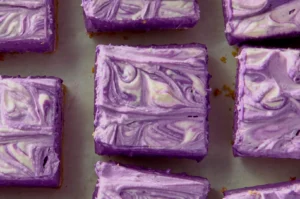
Dessert Culture
Purple Isn’t a Flavour. Here’s What Ube Actually Tastes Like.
Someone orders the purple thing on the menu expecting grape. Or bubblegum. Or nothing in particular, just “purple,” because that’s

Someone orders the purple thing on the menu expecting grape. Or bubblegum. Or nothing in particular, just “purple,” because that’s
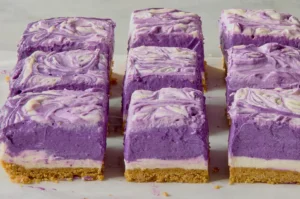
Somewhere between scrolling a bakery’s Instagram and standing in line at a café, there’s a moment of hesitation before ordering
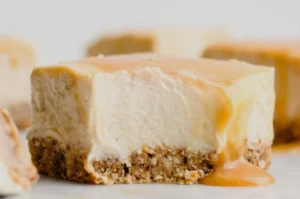
A plate arrives with a single spoonful of something pale, a scattering of crumb, and not much else. The first
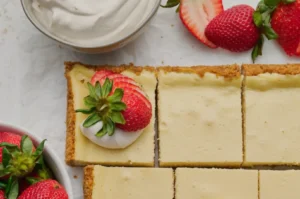
One sliced strawberry, positioned off to the side on a white plate, doesn’t make much of an impact on its
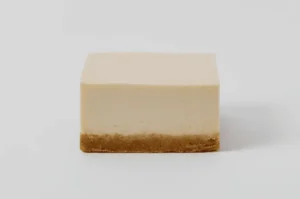
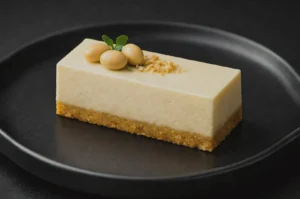
Somewhere between “that looks like cheesecake” and “wait, this is made of tofu,” a lot of people stop mid-bite and
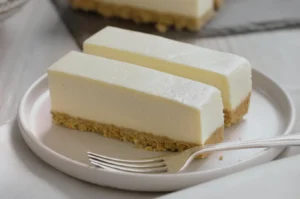
Someone forgets what the first forkful of cake tasted like almost as soon as it’s swallowed. Ask them an hour
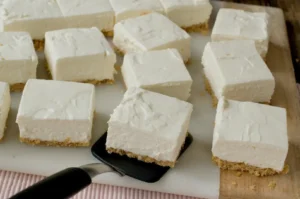
Someone hands over a fork and says “just try it.” The first bite lands sweet, sure, but there’s also a
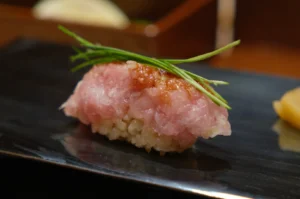
By the time the last piece of nigiri has been set down and the counter goes quiet, most diners have
A beautifully wrapped package sitting on an office desk or a dining table causes an immediate shift in the room.
The mid-afternoon clock strikes three, and a familiar pattern begins. The initial excitement of a sweet treat is quickly replaced