Increasing the volume of sugar and fat in a recipe does not linearly improve its flavor profile. A counterintuitive fact in pastry arts is that sensory receptors quickly reach a point of saturation when exposed to extreme sweetness or richness. When the human palate is bombarded by heavy concentrations of cream and refined sugar, its ability to perceive subtle taste nuances diminishes sharply. Restraint in ingredient volume is therefore a technical prerequisite for achieving a deeper clarity of flavor.
The standard for an exceptional dessert is found in how clearly its main components can be tasted. If a pastry relies on high fat content to generate a feeling of substance, it can often coat the oral cavity and deaden the sensory response. Transitioning toward a leaner, more deliberate formulation allows the natural characteristics of the base ingredients to emerge. This shift in design is why less often tastes better in dessert, providing a highly rewarding experience through geometric precision rather than material excess.
How Sensory Saturation Reduces the Perception of Flavor
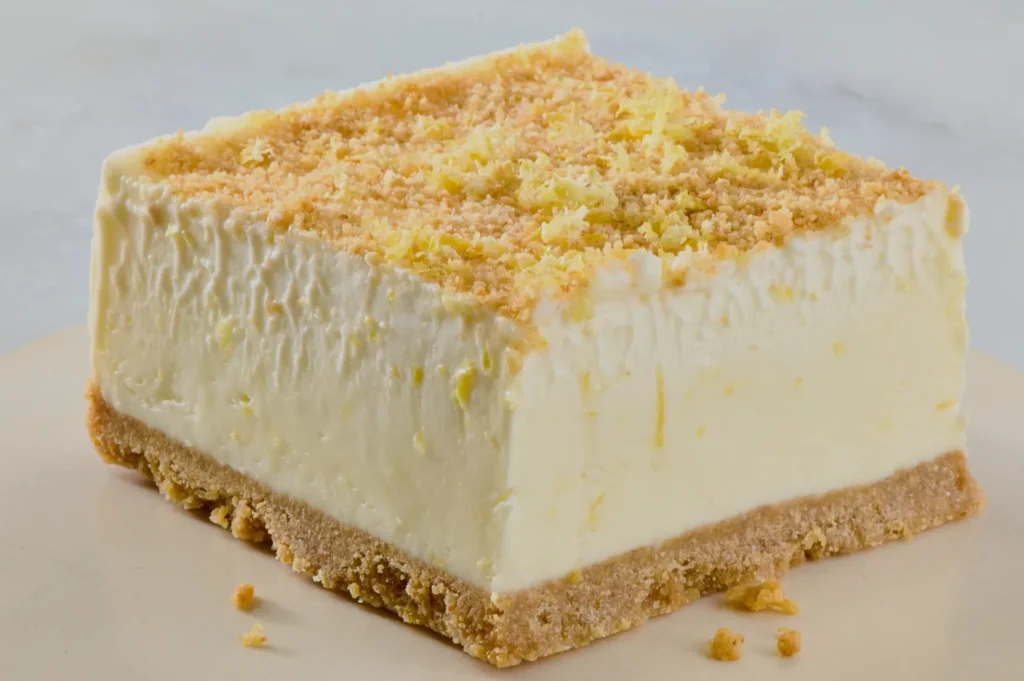
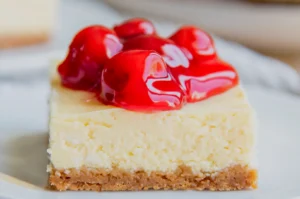
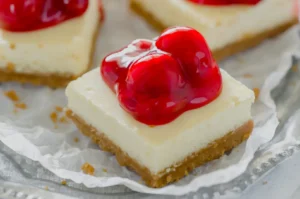
The human tongue possesses a finite capacity to process intense taste stimuli simultaneously. When a traditional dessert, such as what some might consider the best cheesecake, uses an abundance of heavy dairy and sugar, the brain registers a generalized sensation of sweetness and fat rather than distinct flavors. This initial impact can be striking, but it quickly fatigues the palate, rendering subsequent bites less interesting.
By lowering the volume of these dominant components, the maker prevents sensory blindness. The taste buds are given the breathing room required to identify more delicate notes, such as the natural acidity of a ferment or the subtle earthiness of a grain. This analytical reduction ensures that the culinary narrative of the dessert remains clear and engaging from the first forkful to the final bite.
The Role of Lipid Volatility in Releasing Aromas
Flavor is an interconnected combination of taste on the tongue and aroma in the nasal passages. Animal fats possess a chemical structure that binds tightly to flavor molecules, trapping them within a dense matrix. If these fats have a high melting point, they do not dissolve efficiently at body temperature, which delays or prevents the release of volatile aromas.
Utilizing plant based lipids offers a distinct advantage because they typically have a lower melting point. This allows the dessert matrix to break down quickly and smoothly upon contact with the palate. The trapped aromas are released cleanly and immediately, intensifying the perceived flavor without requiring an increase in ingredient quantities. This rapid breakdown is why less material substance can result in a more vibrant taste experience.
The Impact of Sugar Reduction on Palate Cleansing
Refined sugar acts as a heavy humectant that clings to the surfaces of the mouth long after a dessert has been swallowed. This residual coating interferes with the palate’s ability to reset itself between bites. A high concentration of sugar essentially locks the taste buds into a state of continuous stimulation.
When sugar is used with strict moderation, its function shifts from a primary flavor to a subtle background support. The dessert cleanses itself from the palate naturally and promptly. This clean break allows the mouth to refresh, ensuring that each bite feels as crisp and well-defined as the first one.
Why a Reduced Density Profile Reveals Ingredient Clarity
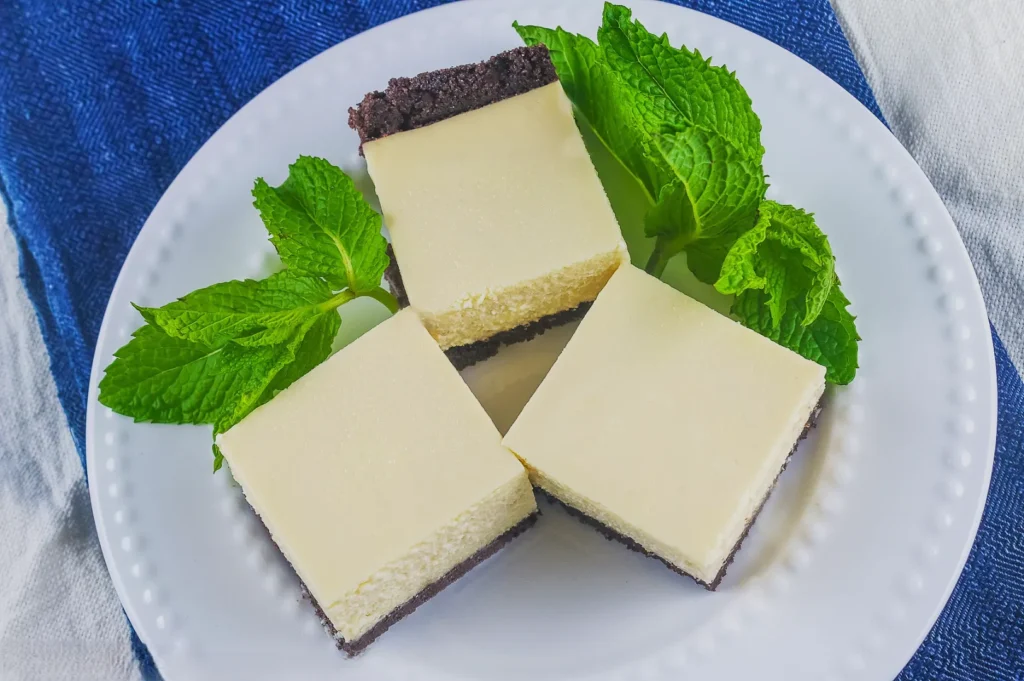
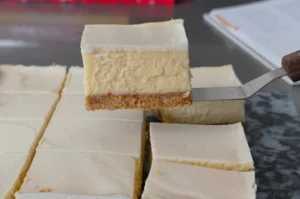
The density profile of a dessert dictates how it behaves mechanically under the pressure of the fork and the tongue. A dense, heavy structure is often used to mask a lack of ingredient complexity. When a dessert is lightened and engineered with a focus on structural integrity rather than mass, the purity of its components becomes the central focus.
Achieving this clarity requires a disciplined understanding of how alternative proteins can build a stable network. Plant based proteins can form an elegant lattice that supports moisture and air without the physical weight of traditional dairy solids. This method produces a well-structured set that feels substantial on the fork but transforms into a weightless, velvet like fluid on the tongue.
Creating a Composed Texture with Fewer Core Elements
A composed texture does not require a long list of stabilizers, starches, or thickeners. True technical precision relies on maximizing the inherent physical properties of a few high-quality ingredients. When a protein network is perfectly emulsified and slowly baked, it achieves stability naturally.
This minimalist approach means the final product is free from the gummy or chalky textures introduced by industrial additives. The mouthfeel remains honest and direct. The consumer experiences the true character of the primary elements, showcasing how a refined technical process can replace the need for structural fillers.
Managing Palate Weight for a Sophisticated Finish
Palate weight is the physical impression of heaviness that remains in the mouth during consumption. Desserts with an excessive palate weight leave the diner feeling weighed down and saturated. A sophisticated dessert prioritizes a lighter interpretation that respects the system of the consumer.
By shifting the structural foundation from saturated animal fats to refined plant alternatives, the palate weight is naturally halved. The dessert occupies space on the tongue with grace rather than force. This weight management ensures that the finish on the palate is exceptionally clean, leaving a memory of refined balance rather than a lingering sense of fullness.
Balancing Textural Consistency Through Material Restraint
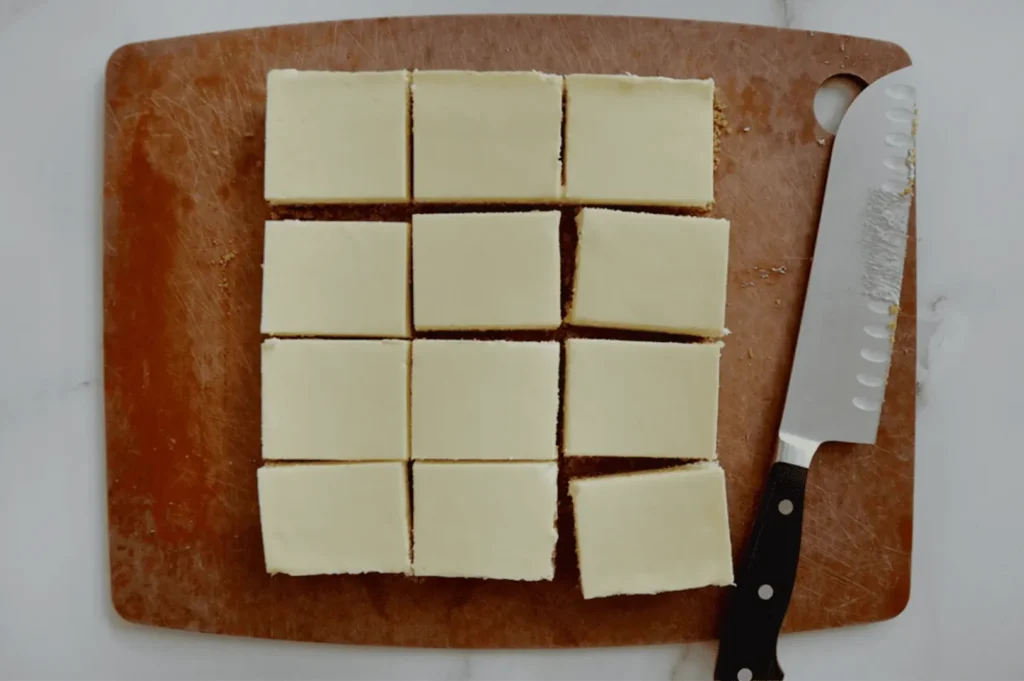
The pursuit of textural consistency across a dessert requires an even distribution of moisture and fat. When a recipe contains too many competing elements, the stability of the emulsion is constantly at risk. Simplifying the formula allows for more absolute control over the thermal transitions during the baking cycle.
A streamlined batter responds predictably to heat, forming a uniform crumb that is free from oily separations or dense patches. This stability ensures that the mouthfeel is perfectly consistent throughout the entire portion. Restraint in formulation is not an act of subtraction. It is an act of calibration that elevates the overall structural performance of the pastry.
The Technical Discipline of Minimalist Formulation
Minimalism in pastry formulation demands a high level of technical execution because there are no bold flavors or heavy fats to hide imperfections. Every component must be weighed with absolute accuracy, and every step of the process must be controlled. If the protein coagulation is slightly forced or the emulsion is rushed, the flaw becomes immediately apparent.
This discipline honors the raw materials used. It shifts the value of the dessert from the quantity of luxury ingredients to the quality of the craftsmanship. A cake that achieves an impeccable structural set through a minimal blueprint represents the maturity of modern dessert design.
Redefining the Criteria for Dessert Satisfaction
Satisfaction should not be measured by the volume of calories consumed, but by the depth of the sensory experience. A dessert that offers a complex interplay of subtle textures and clear flavors provides a more lasting impression than one that relies on simple, intense indulgence. This realization is reshaping how contemporary desserts are evaluated.
When the palate is not overwhelmed, it becomes more sensitive to the finer details of the execution. The taster can appreciate the harmony between acidity, bitterness, and sweetness. This educated appreciation is only possible when the creator exercises restraint, allowing the true essence of the craft to speak for itself.
How the Choice of Quality Over Volume Explains Why Less Often Tastes Better in Dessert
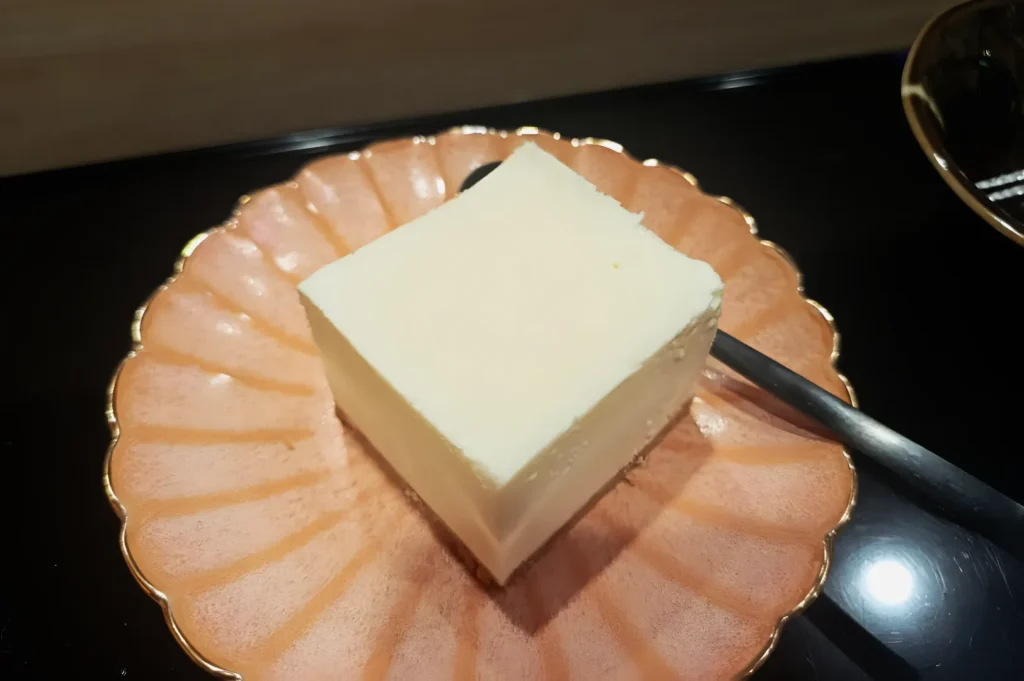
The ultimate validation of minimalist pastry philosophy is the physical state of the diner after the course is completed. A dessert engineered with restraint leaves the palate clean and the senses refreshed. This outcome demonstrates why less often tastes better in dessert, shifting the focus from structural weight to behavioral elegance. By replacing dense dairy formats with intelligent plant integration, a new standard of clean, modern pastry is established.
This evolution requires a willingness to move away from old conventions that equate richness with quality. It opens up new avenues for exploring texture and mouthfeel through a more scientific lens. The result is a dessert that satisfies the intellect as thoroughly as it satisfies the appetite.
At Daizu by Ki-setsu, we offer a lighter interpretation of the classic cheesecake profile, ensuring that the natural profile of our high-quality soy is never masked by unnecessary density. By choosing our soy cheesecake, you experience a disciplined dessert where every element is calibrated to demonstrate why less often tastes better in dessert, delivering an elegant finish on the palate.