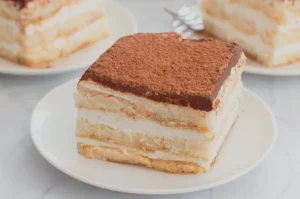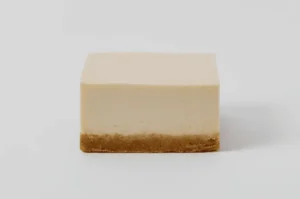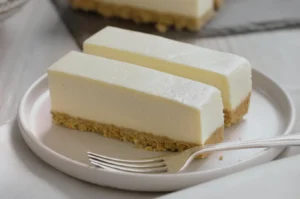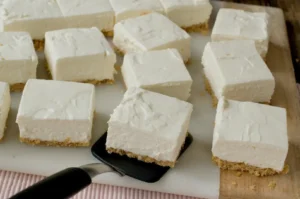
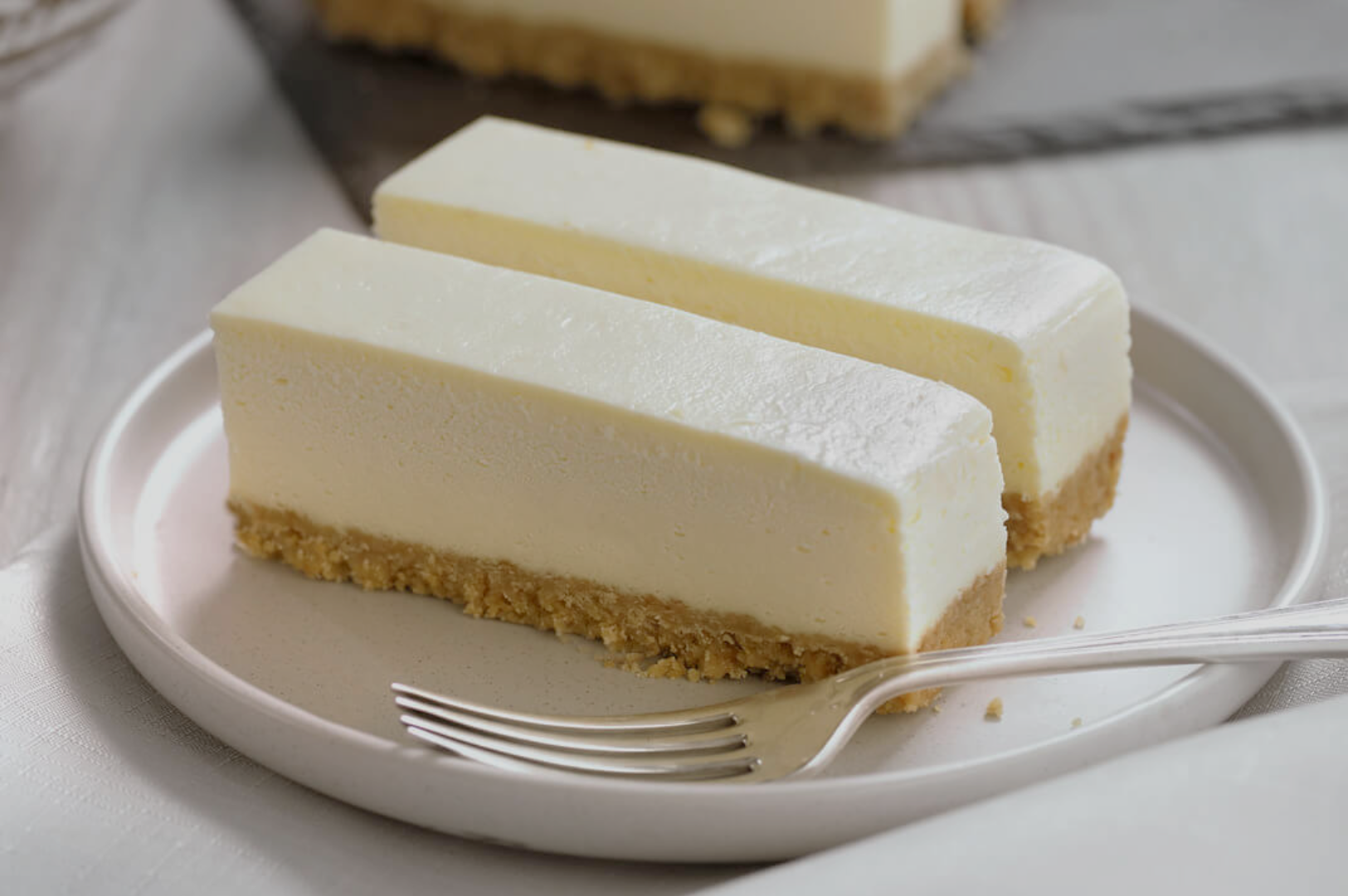
There is a moment, usually somewhere between the first and second bite, when soybean cheesecake stops needing an explanation. Before that moment, though, the questions tend to pile up. How close does it actually get? Does it taste like tofu? Is it just a workaround for people who cannot eat dairy? The short answer is: it is something else entirely, and that is the whole point.
For those searching for the best cheesecake in Singapore, soybean cheesecake offers a unique and delightful alternative that stands on its own merits, and you’re about to find out how.
What a Tofu Cheesecake Actually Is
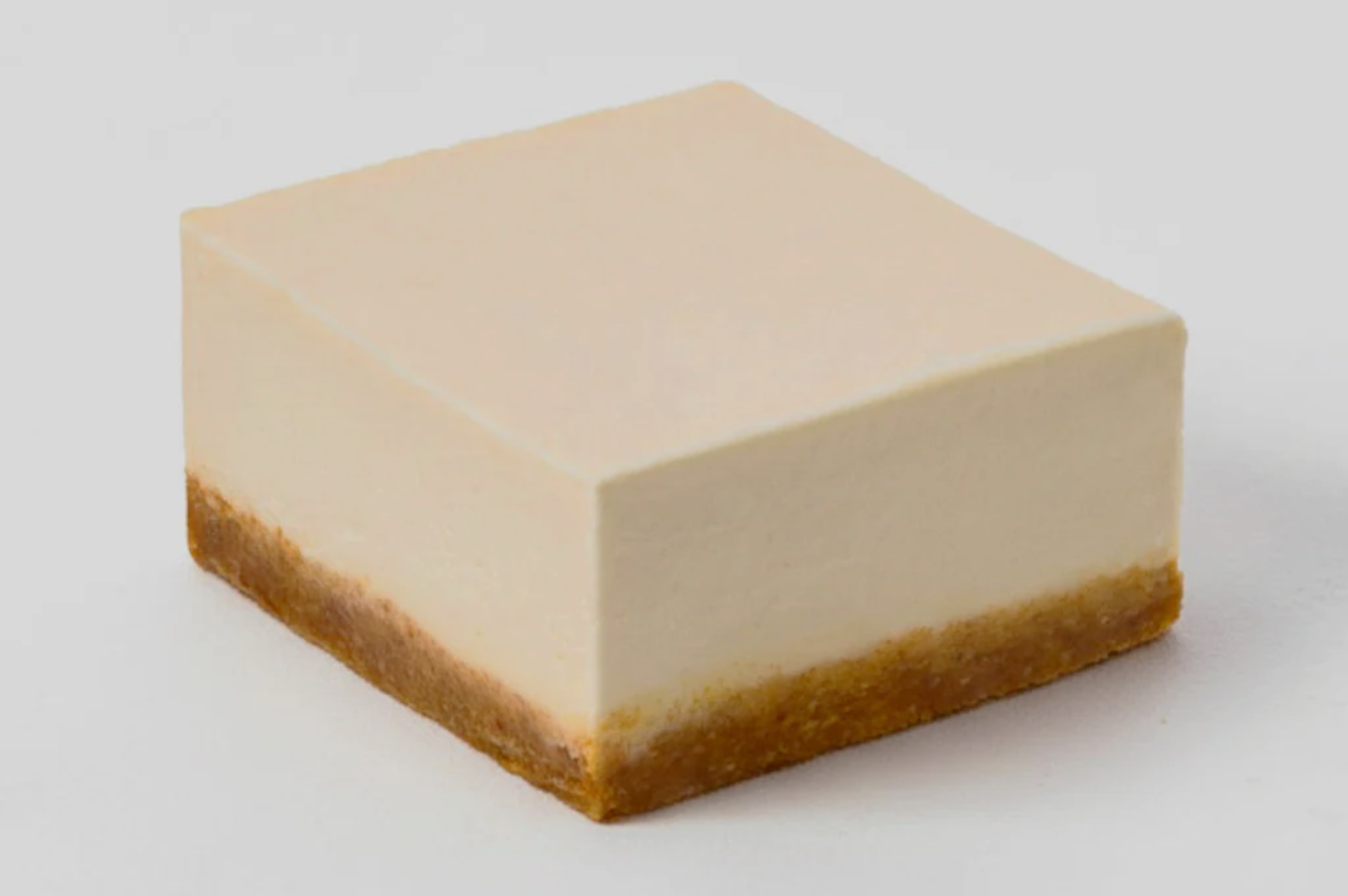
A tofu cheesecake is not a cheesecake with tofu swapped in as an apology for missing ingredients. It is a different kind of dessert that borrows the cheesecake format and uses the properties of soya bean to do the heavy lifting.
The most common version uses silken tofu as the base for the filling. Silken tofu blends into something remarkably smooth after you beat cream cheese or coconut cream with it, without the graininess that might come to mind. Combined with ingredients like cream cheese or full fat coconut milk, it creates a filling that is denser and less aerated than a classic baked cheesecake but with a clean, slightly earthy finish that regular cream cheese does not have.
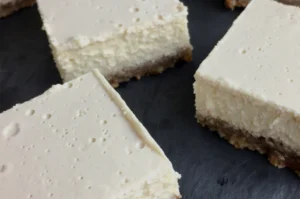
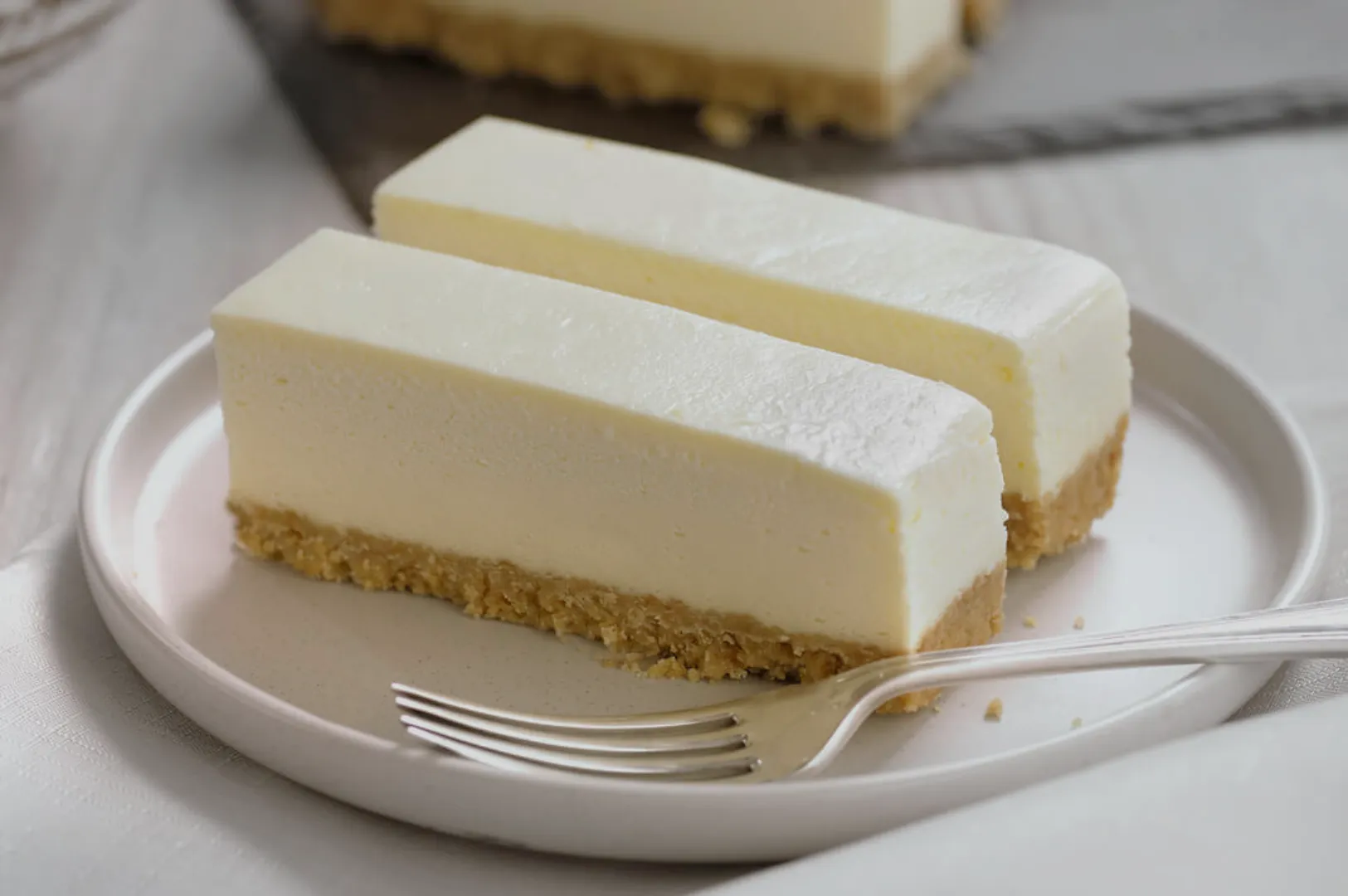
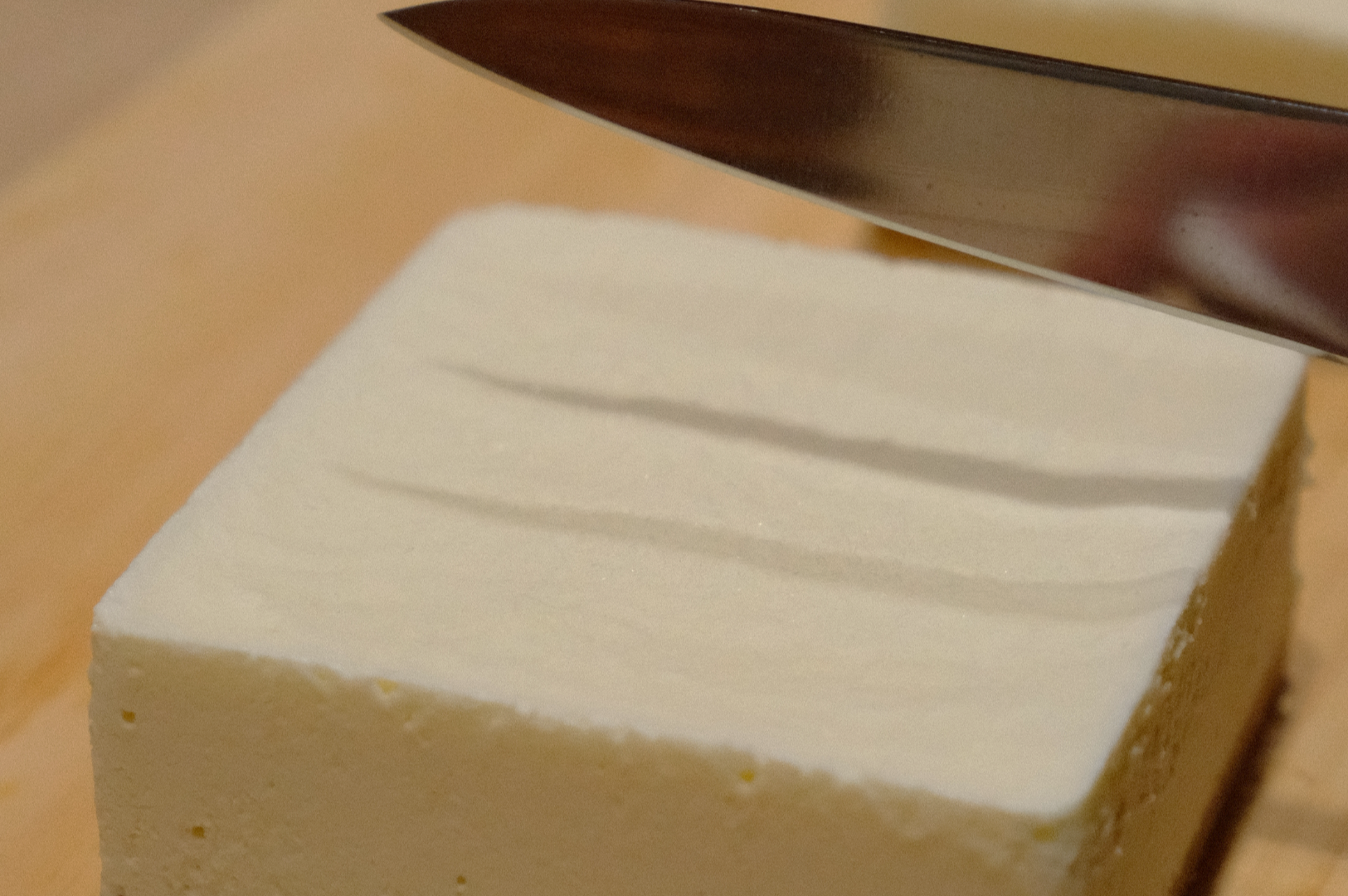
The texture, when done well, is somewhere between a chilled custard and a set mousse. The mouth texture is notably lighter than a New York-style cheesecake, though still rich enough to feel like dessert and not a health food project.
The Role Soya Bean Plays in the Recipe
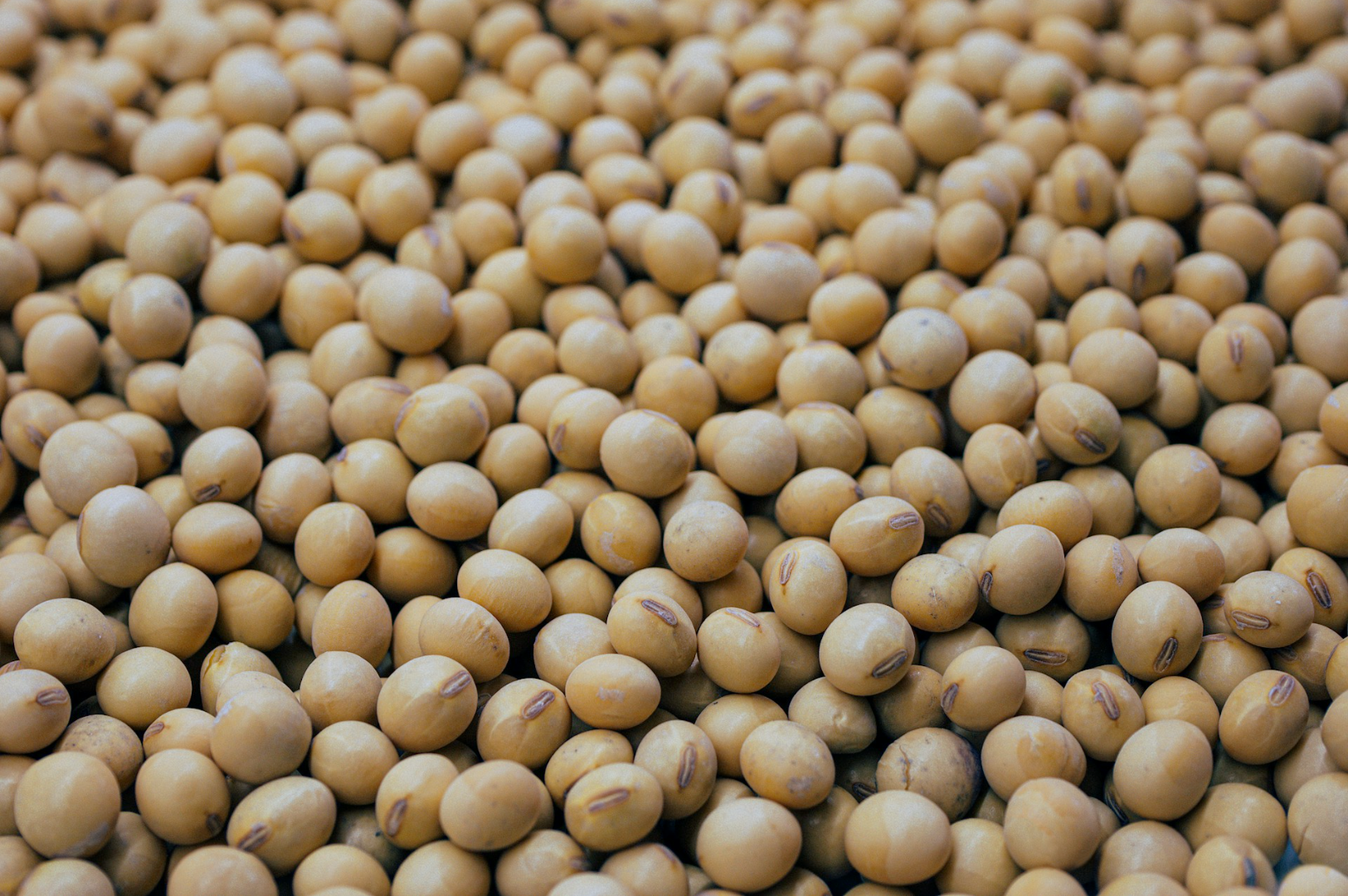
Soya bean is not just a substitute here. It is a structural ingredient.
In most tofu cheesecake recipes, the filling holds together because of how silken tofu behaves when blended and chilled. Unlike cream cheese, which firms up in the fridge because of its fat content, silken tofu sets through a combination of protein and water content. The result is a mixture that slices cleanly and holds its shape without needing eggs or a long bake.
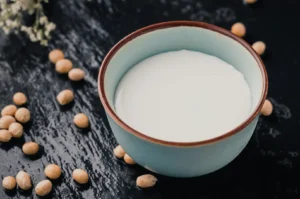
Soya bean milk, or soy milk, also shows up in many cheesecake recipes as a way to loosen the filling ingredients without adding dairy. It contributes a subtle nuttiness that is easy to miss on its own but noticeable in the finished cake. Some recipes add soya bean powder to deepen that flavour further, particularly in versions that lean into the Japanese aesthetic rather than mimicking Western cheesecake conventions.
This is where the soybean cheesecake starts to feel like its own category rather than a dairy-free workaround.
How the Cheesecake Recipe Usually Works
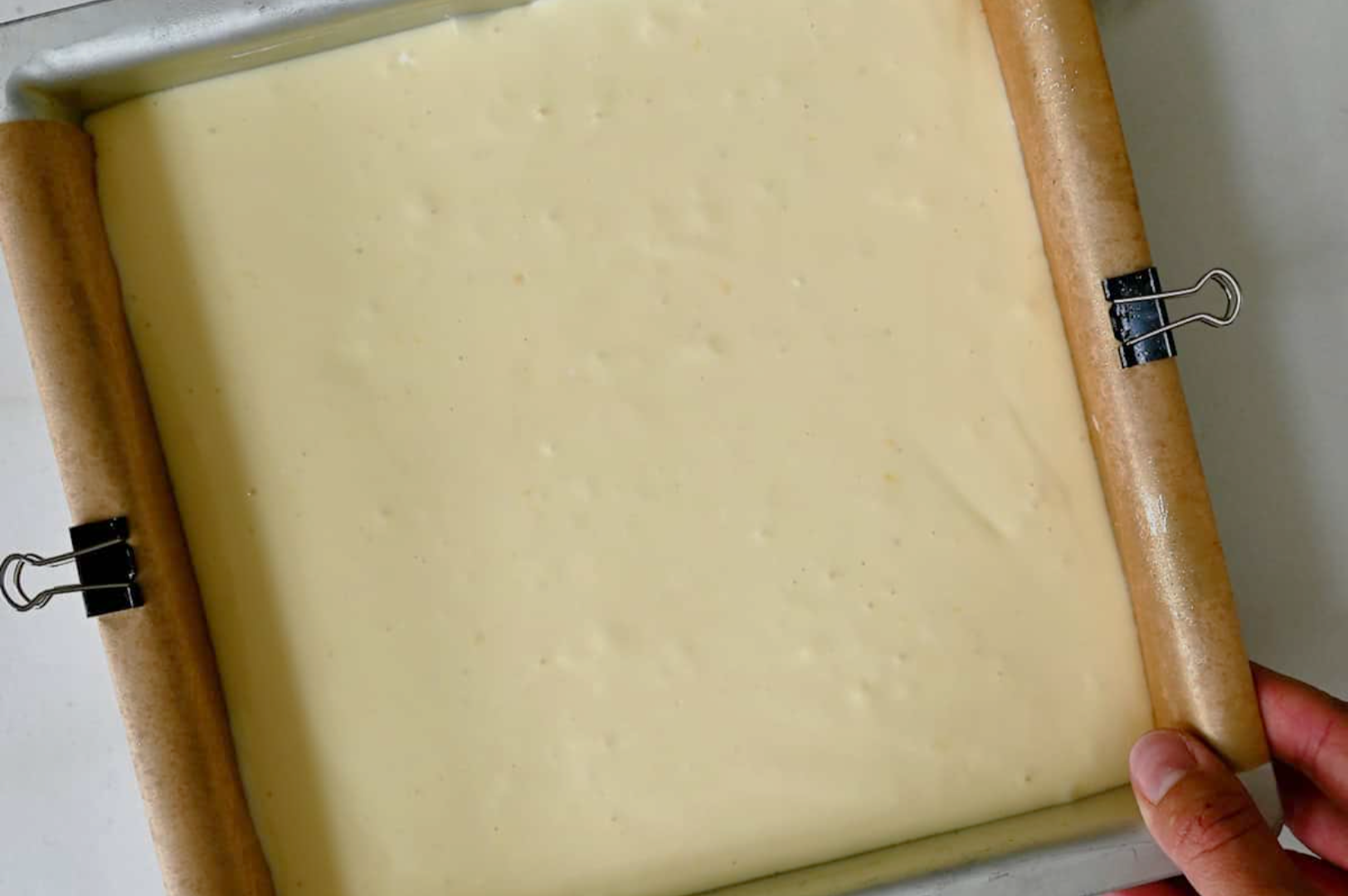
Most tofu cheesecake recipes follow a method combine group structure that will feel familiar: a biscuit base, a filled centre, and a period in the refrigerator before serving. The execution, though, involves a few steps that differ from a conventional cheesecake recipe.
The Biscuit Base
The biscuit base typically starts with crumbs from a plain biscuit, crushed with a rolling pin or in a food processor, then combined with melted butter or vegan butter and poured into a springform pan or cake pan lined with parchment paper. The base is usually baked for 8 minutes at medium heat or chilled before the filling goes in.
The Filling
The filling is where most of the work happens. The filling ingredients, usually silken tofu, cream cheese or coconut cream, granulated sugar, lemon juice, vanilla extract, and sometimes cornstarch, go into a high speed blender or food processor. The goal is to mix together all the ingredients until completely dissolved and smooth with no lumps. Cornstarch helps the tofu cheese layer set more firmly, particularly in recipes that use a water bath with hot water in the oven.
The Bake or No-Bake Decision
The bake or no-bake decision splits tofu cheesecake recipes into two camps. No-bake versions rely on refrigeration alone and tend to have a softer, more mousse-like texture. Baked versions, often finished with a water bath till the edges are set and the centre still moves slightly, produce something closer to a classic baked cheesecake in texture but with that cleaner, less heavy finish that soya bean naturally gives.
Either way, the cake needs time in the fridge. Most recipes refrigerate overnight for best results, though a minimum of four hours is usually enough to set the filling ingredients properly.
Variations Worth Knowing About
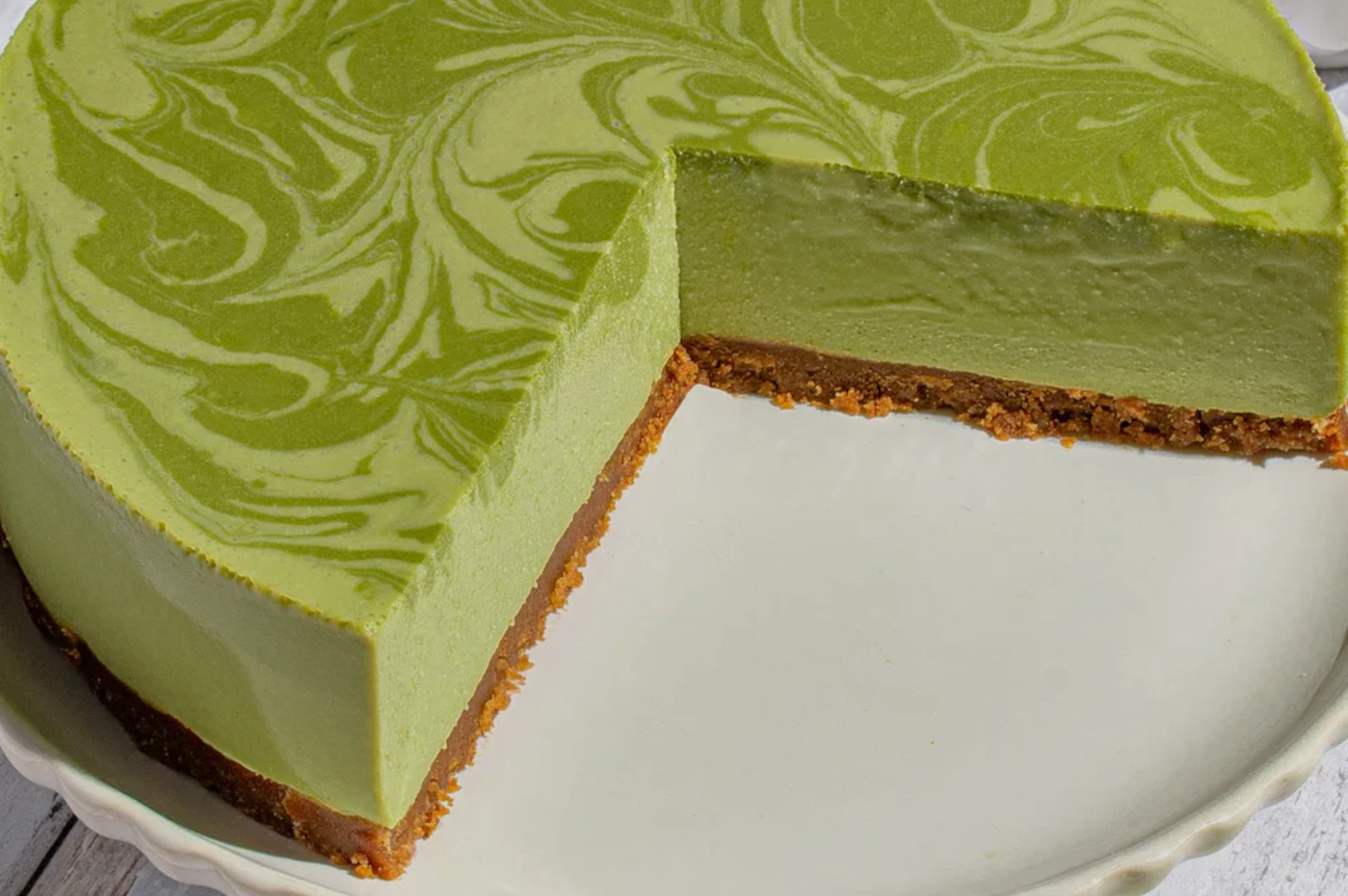
Once the base formula makes sense, the variations open up considerably.
Green tea powder is one of the most common additions in Japanese-influenced versions. A tablespoon or two of green tea powder blended into the filling adds a gentle bitterness that balances the sweetness of the sugar and the richness of the tofu cheese layer. The colour shifts to a muted green that looks intentional rather than artificial.
Coconut-based versions swap cream cheese for full fat coconut milk or coconut cream, making the recipe fully vegan. These tend to be lighter in flavour and slightly more delicate in texture. Coconut oil is often used in the base instead of butter, giving the biscuit base a subtle tropical quality that works surprisingly well with the soya bean filling.
Some recipes also use firm tofu rather than silken tofu for a denser result, though this requires more effort to achieve a smooth blend. A high speed blender makes a significant difference here. Without one, a food processor or a small bowl for pre-mixing is the better option than a standard blender for getting the filling smooth enough.
Metric and Customary Metric Conversions
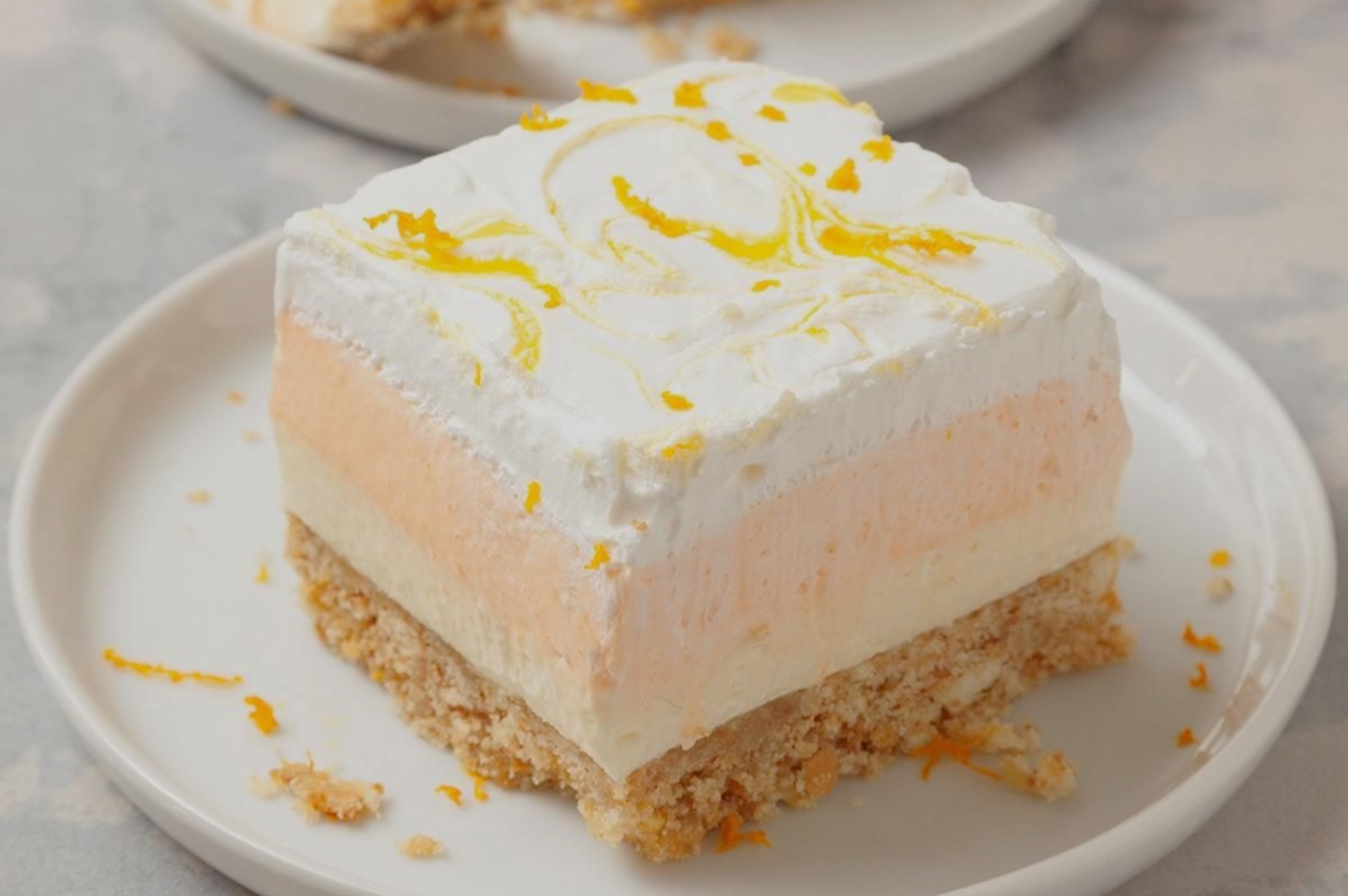
One practical thing worth noting: many tofu cheesecake recipes originate from Japanese or Taiwanese food blogs, and the measurements are often given in grams. If a recipe calls for customary metric, it is usually referring to the standard metric system used across most of Asia, where weight rather than volume is the default.
This matters because dairy-free cheesecake recipes are more sensitive to ratio than conventional ones. Silken tofu has a higher water content than cream cheese, so slight changes in the amount of cornstarch or the quantity of cream can shift the texture significantly. Following the gram measurements rather than converting loosely tends to produce more consistent results.
So, Is It Actually Worth Trying?
The honest answer is that it depends on what someone is looking for.
A tofu cheesecake is not trying to be a cream cheese cheesecake. The flavour is lighter, slightly more savoury in its base notes, and less cloying after the first few bites. For people who find conventional cheesecake heavy, this is an advantage. For people who specifically want the dense, tangy richness of a classic recipe, the soya bean version will taste like a different dessert, because it is.
What it does offer is a genuinely interesting eating experience. The soy milk and soya bean powder give the filling a nuttiness that is subtle but present. The texture, particularly in a well-made no-bake version, is somewhere between silky and creamy without tipping into gelatinous. It is a delicious dessert that rewards attention rather than demanding it.
At Daizu by Ki-setsu, the approach to soya bean cheesecake reflects exactly this thinking: not a substitute for the familiar, but a style of cake that takes the properties of soya bean seriously as a flavour and a medium in its own right. Worth trying for its own reasons, not just as an alternative to something else.