
Cheesecake Syles & Comparisons
Why Delicate Cheesecakes Ask for Your Full Attention
A plate holds a slice that looks perfectly structured but remains slightly tense from the refrigerator. Leaving it unattended for

A plate holds a slice that looks perfectly structured but remains slightly tense from the refrigerator. Leaving it unattended for
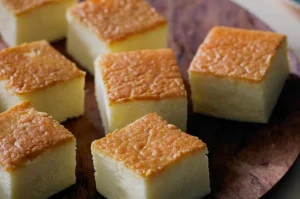
Watching a dessert fork slide through a wedge of cake on a warm afternoon reveals a lot about personal preference.
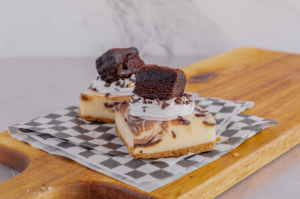
Ask three friends to pick a cheesecake flavour and watch the table split into factions almost immediately. One wants matcha

By the time the last piece of nigiri has been set down and the counter goes quiet, most diners have

There’s a moment that happens at almost every dessert table in Singapore. Someone takes the first bite of a cheesecake,
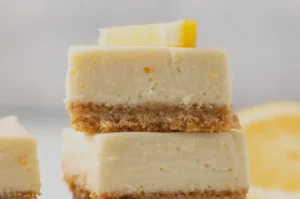
The mid-afternoon clock strikes three, and a familiar pattern begins. The initial excitement of a sweet treat is quickly replaced
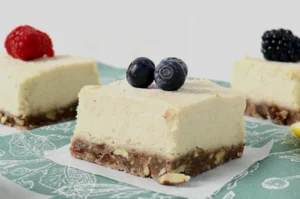
There is a specific, quiet frustration that comes halfway through a heavy dessert. The first few bites are usually wonderful,

There’s a particular kind of guilt that comes with dessert. Not regret, exactly. More like a quiet negotiation with yourself
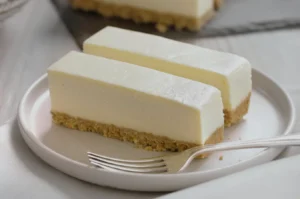
There is a moment, usually somewhere between the first and second bite, when soybean cheesecake stops needing an explanation. Before
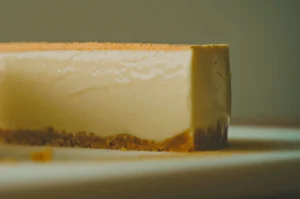
Increasing the volume of sugar and fat in a recipe does not linearly improve its flavor profile. A counterintuitive fact