A prevailing assumption in culinary circles dictates that a higher fat percentage automatically equates to a superior dessert. This is a fundamental misconception. While dairy fats provide richness and help bind ingredients, pushing these percentages to their absolute limits often yields a compromised result. Understanding the precise balance of fat ratios is essential for anyone analyzing the structure of cheesecake in Singapore.
A poorly calibrated ratio masks subtle flavors and leaves a heavy residue on the tongue. In the pursuit of richness, many formulations sacrifice structural integrity and palate comfort. Quality in dessert construction is defined by careful balance, not by the sheer volume of high-fat ingredients. This article explores how fat dictates texture and why moderation often produces a superior mouthfeel.
How Fat Dictates Palate Weight and Structural Integrity
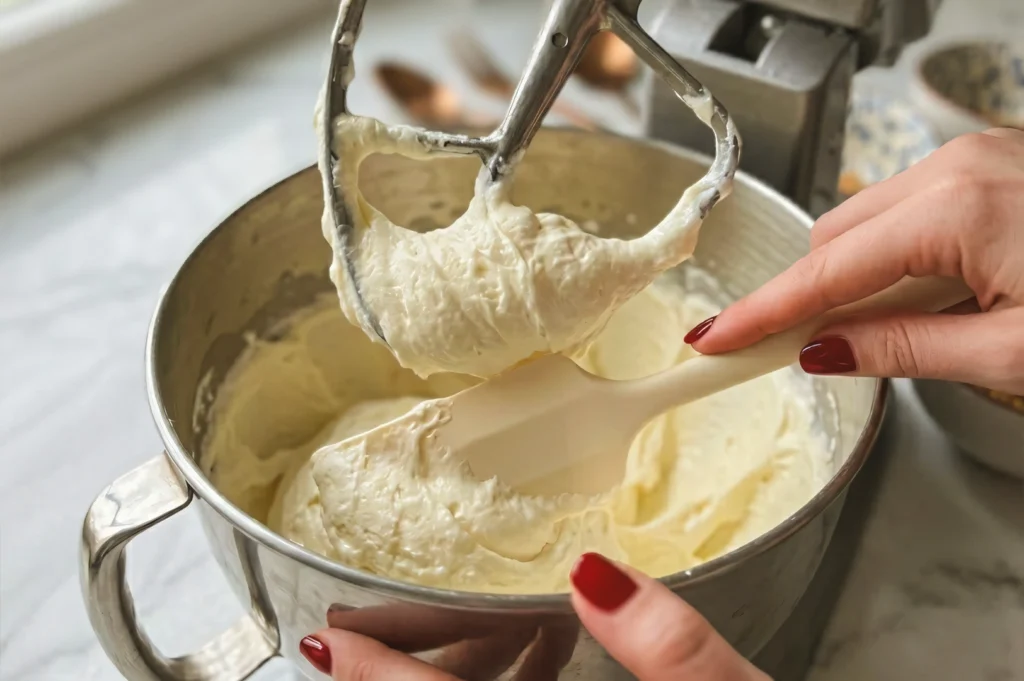
Fat is the primary driver of mouthfeel in any dairy-based dessert. It coats the palate and determines how dense or yielding a slice will feel upon consumption. When formulating a recipe, the lipid content directly influences the final density profile of the cake.
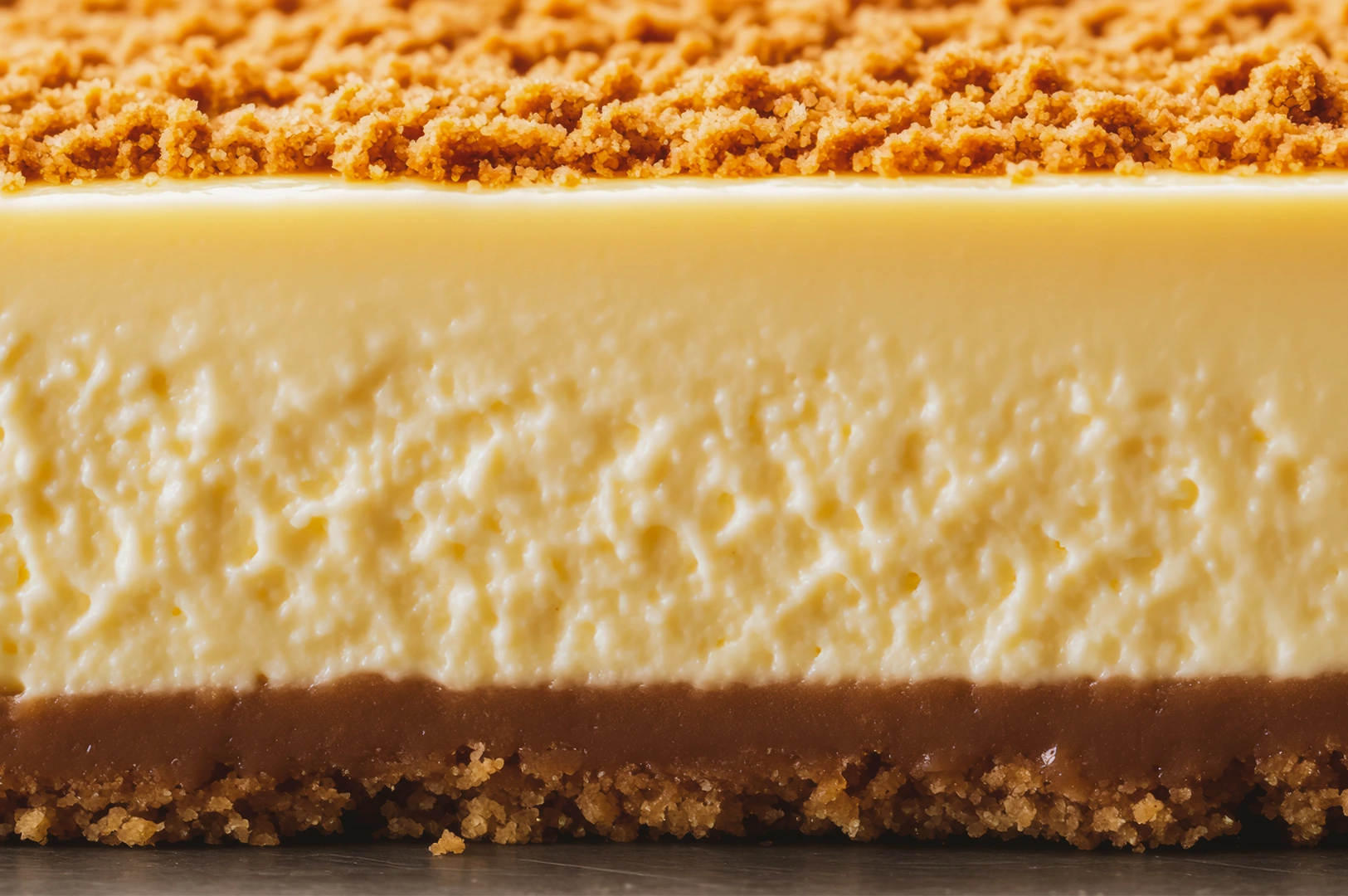
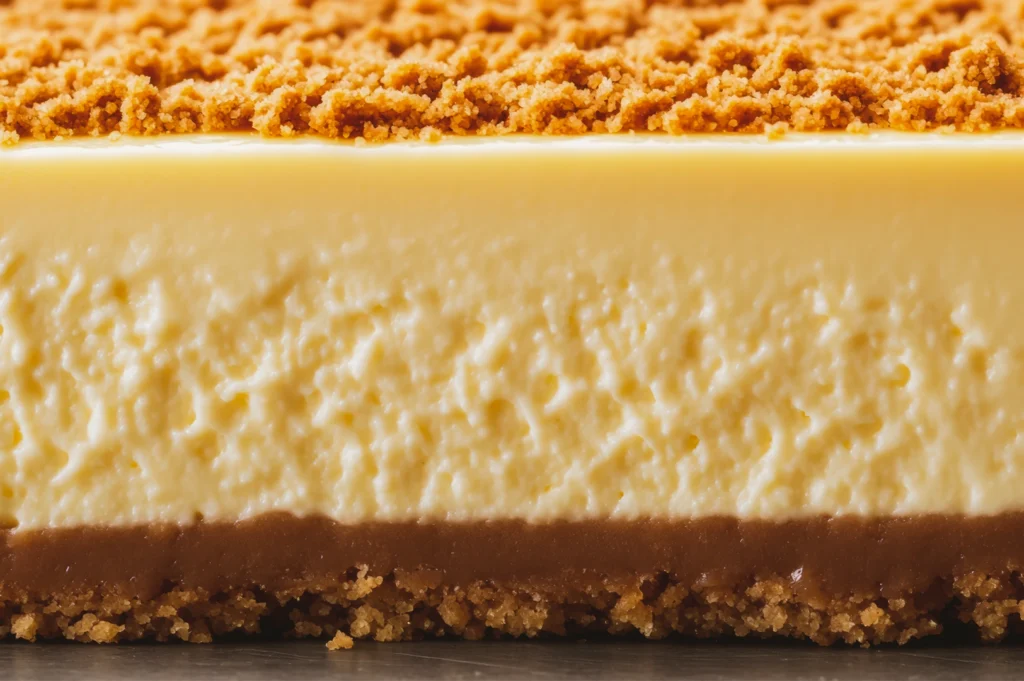
In a standard formulation, the fats from cream cheese and heavy cream are blended with water and proteins. This creates an emulsion. A stable emulsion provides a smooth, composed texture that melts cleanly. However, the volume of fat within this emulsion must be carefully managed to maintain stability.
Too much fat compromises the structural integrity of the dessert. When the lipid ratio is too high, the emulsion can break during the baking process. This leads to a greasy surface and an overly dense, unyielding internal consistency. The cake loses its delicate structure and becomes a heavy block of set dairy.
The Point of Diminishing Returns with High-Fat Dairy
There is a clear threshold where additional fat stops adding value to a dessert. Beyond this specific point, it begins to detract significantly from the tasting experience. High-fat components like double cream or heavily enriched cream cheeses increase the palate weight to an extreme degree.
When the fat concentration is too high, the dessert becomes cloying. The dense fats heavily coat the sensory receptors on the human tongue. This physical coating prevents the palate from detecting subtle notes. The natural tang of the cheese or the nuance of added vanilla become entirely muted.
Instead of a balanced finish, the lingering sensation is simply one of heaviness. This leads to rapid palate fatigue. A diner may enjoy the first bite, but subsequent bites become a chore due to the overwhelming richness. A dessert should invite the consumer to finish it, rather than exhausting their palate halfway through.
Balancing Fat Ratios in Cheesecake for Textural Consistency
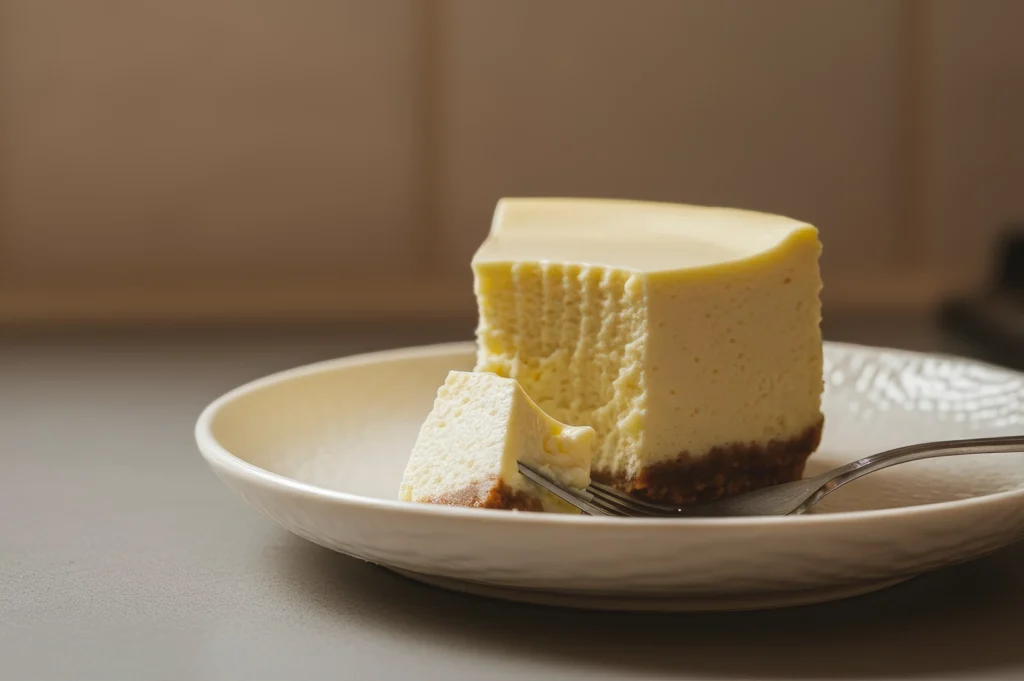
Achieving a composed texture requires precise and disciplined formulation. The ideal fat ratios in cheesecake must account for the complex interaction between lipids, proteins, and moisture. Eggs provide structural support through protein coagulation. The water content controls how firmly those proteins set during the application of heat.
If the fat ratio overshadows the structural proteins, the cake will lack the necessary resistance when cut. It becomes mushy rather than creamy. A properly calibrated ratio ensures that the fat supports the internal structure rather than overwhelming it. This careful calibration is what creates a clean, consistent mouthfeel.
The temperature at which the fat melts is also crucial. High-quality fats should melt perfectly at human body temperature. If the fat ratio is misaligned or relies on the wrong type of lipids, the cake can feel waxy or overly stiff in the mouth. Precision in measuring fat percentages eliminates these textural flaws.
How Controlled Fat Levels Enhance Flavor Clarity
Fat is an excellent carrier of flavor compounds. Yet, an excessive amount of fat acts as a flavor dampener. Lowering the overall fat percentage allows individual ingredients to articulate themselves more clearly on the palate. It is a matter of removing interference.
Without a thick layer of dairy fat coating the tongue, acidic and bright notes can register with precision. Sweetness becomes less aggressive and more nuanced. The tasting experience transforms from a single heavy note into a layered, complex profile.
Working with a lower fat content requires superior culinary technique. There is less heavy fat available to mask structural errors or ingredient inconsistencies. Every component must be high quality, and the mixing process must be flawless. A lower fat profile exposes the true craftsmanship behind the dessert.
Rethinking the Fat Profile for a Refined Dessert Alternative
Questioning the traditional reliance on heavy dairy leads to new structural possibilities in dessert making. It is entirely possible to achieve a satisfying, creamy mouthfeel without the high density associated with conventional recipes. This requires a disciplined approach to base ingredients and a strict adherence to balanced proportions.
By replacing heavy animal fats with precise, plant-based alternatives, the entire density profile shifts favorably. We utilize Japanese soy as a foundational element at Daizu by Ki-setsu. This intelligent substitution allows us to carefully moderate the fat ratios in cheesecake while maintaining a beautifully composed texture.
The result is a lighter interpretation that offers a clean, balanced finish on the palate. Our approach prevents the palate fatigue common in heavier desserts. It is a refined alternative designed for those who value textural intelligence and flavor clarity over sheer, unmitigated richness.