The role of a sweetener in a cheesecake recipe is often misunderstood as purely flavor-related. While sugar certainly provides sweetness, it is fundamentally a structural ingredient. It interferes with the protein coagulation of eggs and dairy, delays the setting process, and alters the final density profile. Understanding how different sweeteners interact with these core components is essential for maintaining the structural integrity of the dessert.
When a baker substitutes one sweetener for another, they are not just changing the taste; they are changing the chemical environment in which the cheesecake sets. A liquid sweetener might introduce excess moisture, while one with a different molecular weight could shift the final density. For those aiming to create the best cheesecake in Singapore, or anywhere for that matter, precision in choosing and measuring sweeteners is a prerequisite for a well-structured result.
Sugar as a Functional Component in Protein Networks
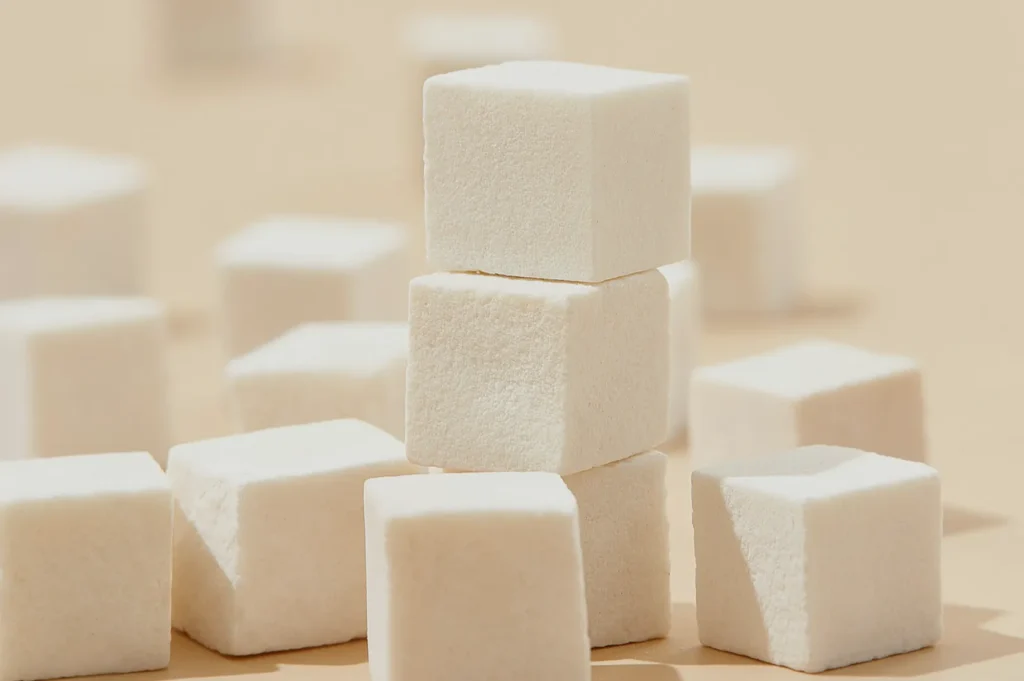
Sugar acts as a stabilizer for the proteins in a cheesecake batter. During the baking or setting process, sugar molecules bond with water, which slows down the rate at which proteins coagulate. This delay is beneficial. It prevents the eggs and dairy from tightening too quickly, which would otherwise lead to a grainy texture and surface cracking.
In a composed texture, the sugar creates a delicate balance. It ensures that the proteins form a smooth, consistent network rather than a series of rigid bonds. If the sugar content is too low, the structure becomes overly firm. If it is too high, the cheesecake may fail to set properly, resulting in a weeping or unstable consistency.
The Impact of Molecular Weight on Density
Different sweeteners have varying molecular weights, which directly influence the density profile. Sucrose, or standard granulated sugar, provides a specific level of body and structure. Alternative sweeteners, such as sugar alcohols or liquid syrups, often lack this structural contribution.
When using alternative sweeteners, a maker must often compensate by adjusting the ratio of other solid ingredients. Without this adjustment, the cheesecake may lack the necessary structural integrity. The result is a cake that is either too soft or that lacks the satisfying mouthfeel associated with a premium dessert.
Managing Moisture Levels for a Clean Finish
Liquid sweeteners, such as honey or agave, introduce additional moisture to the batter. This moisture can be detrimental to the finish on the palate. Excessive moisture prevents the cheesecake from achieving a firm, clean cut and can leave the mouth feeling coated or sticky.
A well-structured cheesecake relies on a precise moisture content. If a liquid sweetener is used, it must be balanced by a reduction in other liquid components. This is a technical challenge that requires careful testing to ensure the final product retains its intended textural consistency.
How Sweetener Choice Alters the Finish on the Palate
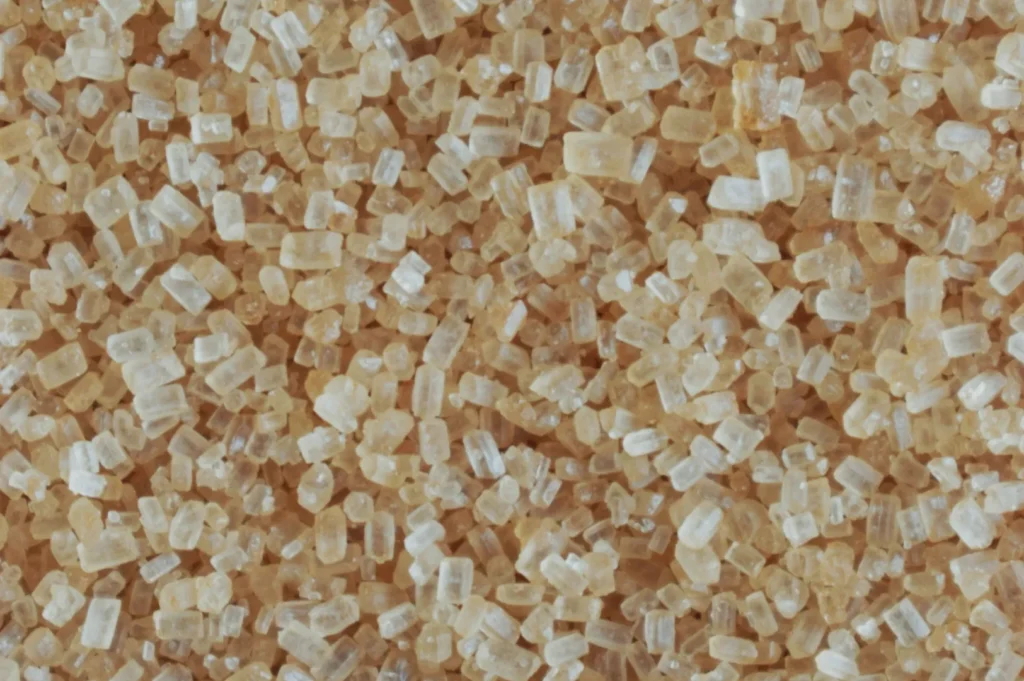
The choice of sweetener dictates the palate weight of the dessert. High-intensity sweeteners can provide sweetness without the bulk of sugar, but they do not provide the same mouthfeel. This often results in a dessert that feels thin or hollow.
Granulated sugar provides a satisfying mouthfeel because of its crystalline nature. It integrates into the dairy and eggs to create a smooth, velvet-like consistency. A balanced finish on the palate is achieved when the sweetener enhances the flavor profile without leaving a lingering, cloying aftertaste.
Achieving Textural Consistency Through Controlled Sweetness
Textural consistency is a result of how sweeteners interact with the fat and protein content of the cheesecake. A sweetener that dissolves completely and evenly will result in a uniform texture. A sweetener that remains partially undissolved will introduce grit.
Precision in the mixing process is required to ensure that the sweetener is fully integrated into the base. This is particularly important when working with ingredients like soy, which require a careful balance of sweetness to highlight their natural notes. A well-integrated sweetener disappears into the base, leaving only a balanced and composed finish.
Preventing Richness Fatigue with Measured Sweetness
Richness fatigue is often exacerbated by excessive sweetness. When a dessert is overly sweet, the palate is quickly overwhelmed, and the taster stops enjoying the subtle complexities of the cheesecake. A measured approach to sweetness is essential for a refined experience.
By using only the amount of sweetener necessary to balance the natural tang of the cheese, a maker creates a more approachable product. This allows the taster to appreciate the textural intelligence of the dessert throughout the entire experience. It ensures that the finish on the palate is clean and inviting.
Balancing Sweetness for a Refined Structural Approach
The demand for lighter desserts has led many to experiment with reduced-sugar recipes, which requires a rethink of how structure is achieved. If sugar is removed or replaced, other ingredients must work harder to provide the necessary support. This is where the expertise of the maker becomes critical. By adjusting the aeration, the protein ratio, or the setting temperature, a maker can overcome the structural challenges posed by changing the sweetener. This is not about finding a simple substitute, but about designing a new structural approach that respects the inherent behavior of the batter.
At Daizu by Ki-setsu, we approach the inclusion of sweeteners with the same technical focus we apply to our soy-based foundations. We recognize that sugar and its alternatives are not just flavoring agents, but foundational elements that dictate the density profile of our cheesecakes. By carefully calibrating our sweeteners, we achieve a balanced finish that allows the subtle, nutty qualities of our soy components to remain the focus. Our process is a deliberate effort to create a lighter interpretation of the traditional cheesecake, ensuring a composed texture and a refined structural integrity that remains consistently light on the palate.