The human palate often experiences a specific physical sensation after just three bites of a traditional dessert. This sensation is not fullness in the gastric sense. It is a sensory shutdown where the taste buds lose the ability to distinguish nuance. This physiological response is known as sensory-specific satiety. In the context of pastry, we refer to this as richness fatigue.
Richness fatigue occurs when the olfactory and gustatory systems are overwhelmed by high concentrations of fats and sugars. When a dessert relies solely on sheer density, the palate becomes coated. This prevents the next bite from registering as a new experience. Instead, the flavor profile flattens.
How High Lipid Concentration Accelerates Palate Saturation
The primary driver of richness fatigue is an imbalanced density profile. Many cheesecakes use high volumes of heavy cream and full-fat cream cheese to achieve a specific structural integrity. While this creates a smooth appearance, it results in a high lipid concentration.
Fats coat the tongue. This coating acts as a physical barrier between the food and the taste receptors. When the fat content is too high, the receptor cells cannot reset between bites. This leads to a rapid decline in the enjoyment of the flavor.
The Thermal Factor in Fat Perception
The temperature at which a fat melts also dictates how quickly richness fatigue sets in. Dairy fats have a specific melting point. If a cheesecake is too dense, these fats do not emulsify quickly on the palate.
A composed texture should allow for a clean transition. If the fat lingers on the tongue after the cake has been swallowed, the palate remains occupied. This lingering residue is the physical manifestation of fatigue.
The density profile of a cheesecake is dictated by the ratio of fats to proteins. When a maker uses high-quality cream cheese and eggs, the resulting texture is firm yet yielding. This balance allows the cake to hold its shape at room temperature without sagging.
If a maker substitutes these core materials with lower-grade alternatives, they must add stabilizers to maintain the height of the cake. A knowledgeable consumer notices the difference in weight. A naturally structured cake feels substantial on the fork but remains light during consumption.
Sugar as a Reinforcing Agent for Fatigue
Sugar is often used to balance the sour notes of cheese. However, high sugar levels contribute to a cloying finish on the palate. Excessive sweetness triggers a neural response that tells the brain the flavor is redundant.
When sugar and fat are both present in high quantities, they work together to saturate the senses. The palate requires a counterpoint to prevent this. Without a break in the flavor profile, the dessert becomes difficult to finish.
Why a Lack of Textural Contrast Fails the Palate
Mouthfeel plays a significant role in how the brain perceives richness. A cheesecake that is uniform in texture throughout offers no sensory reprieve. The brain quickly categorizes the repetitive stimulus as uninteresting.
Structural variety can mitigate richness fatigue. When there is a change in resistance or a variation in density, the palate is forced to re-evaluate the bite. This minor mental and physical adjustment prevents the sensory shutdown associated with homogenous desserts.
The Importance of a Balanced Finish
A balanced finish is the goal of any well-structured dessert. It refers to the state of the palate after the food has been consumed. If the finish is heavy, the taster will likely stop eating.
A clean finish is achieved through the careful management of solids and liquids. The structural integrity must be firm enough to be satisfying but porous enough to dissolve cleanly. This allows the palate to remain refreshed.
Evaluating Palate Weight Across Different Styles
Different cheesecake styles have varying palate weights. Some styles prioritize a heavy, lingering presence. These are often the styles that cause richness fatigue most quickly.
Other styles aim for a lighter interpretation. By reducing the overall density, these cheesecakes allow for a higher degree of flavor clarity. The palate weight is lower, which means the taster can experience the full range of flavors until the final bite.
The Role of Soy in Managing Density and Satiety
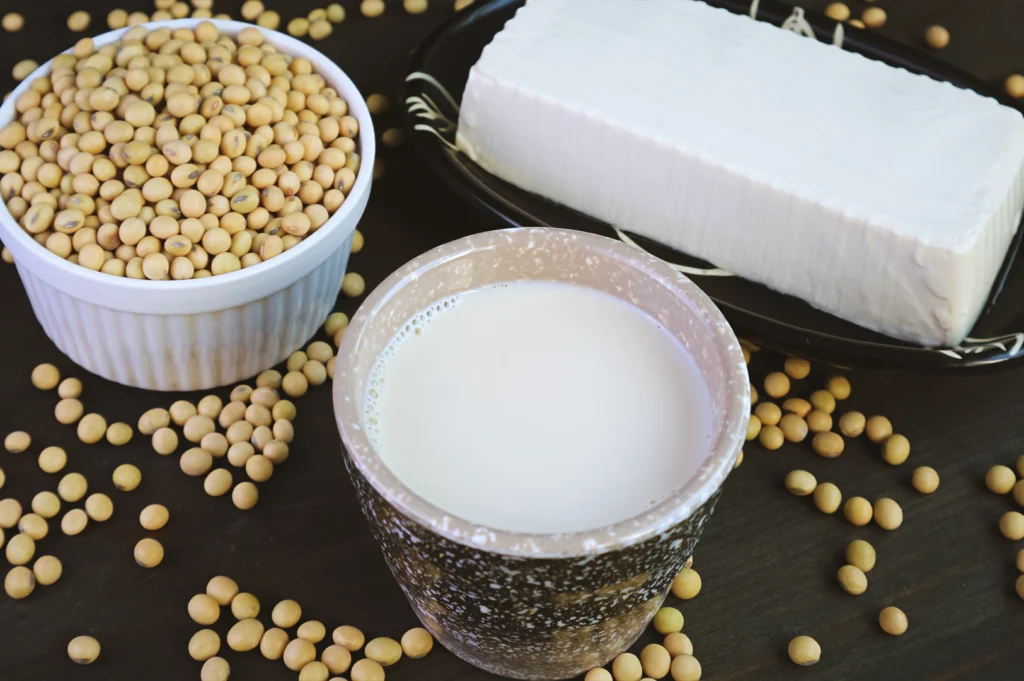
The introduction of alternative proteins can alter the way richness is perceived. Soy, for example, has a different molecular structure than dairy proteins. It provides a distinct textural consistency that does not coat the tongue in the same way as pure milk fat.
By integrating plant-based elements, a maker can maintain a well-structured form without the excessive lipid load. This results in a dessert that feels substantial but does not lead to the heavy sensation of richness fatigue.
Achieving Structural Integrity Without Heavy Fats
Traditional methods often rely on animal fats for stability. However, modern culinary technique allows for the use of soy to provide structural integrity. Soy proteins can create a firm, composed texture.
This approach changes the density profile. The cake remains upright and visually appealing, but the mouthfeel is significantly different. It provides a more disciplined eating experience.
The Cleanliness of Plant-Based Proteins on the Tongue
Plant proteins generally offer a cleaner break on the palate. They do not have the same adhesive qualities as heavy dairy fats. When a cheesecake incorporates these elements, the finish on the palate is notably lighter.
This cleanliness is essential for avoiding richness fatigue. It allows the subtle notes of the cheese and the base to remain prominent. The taster experiences a series of distinct flavors rather than a single, overwhelming wave of richness.
Solving Richness Fatigue Through a Different Structural Approach
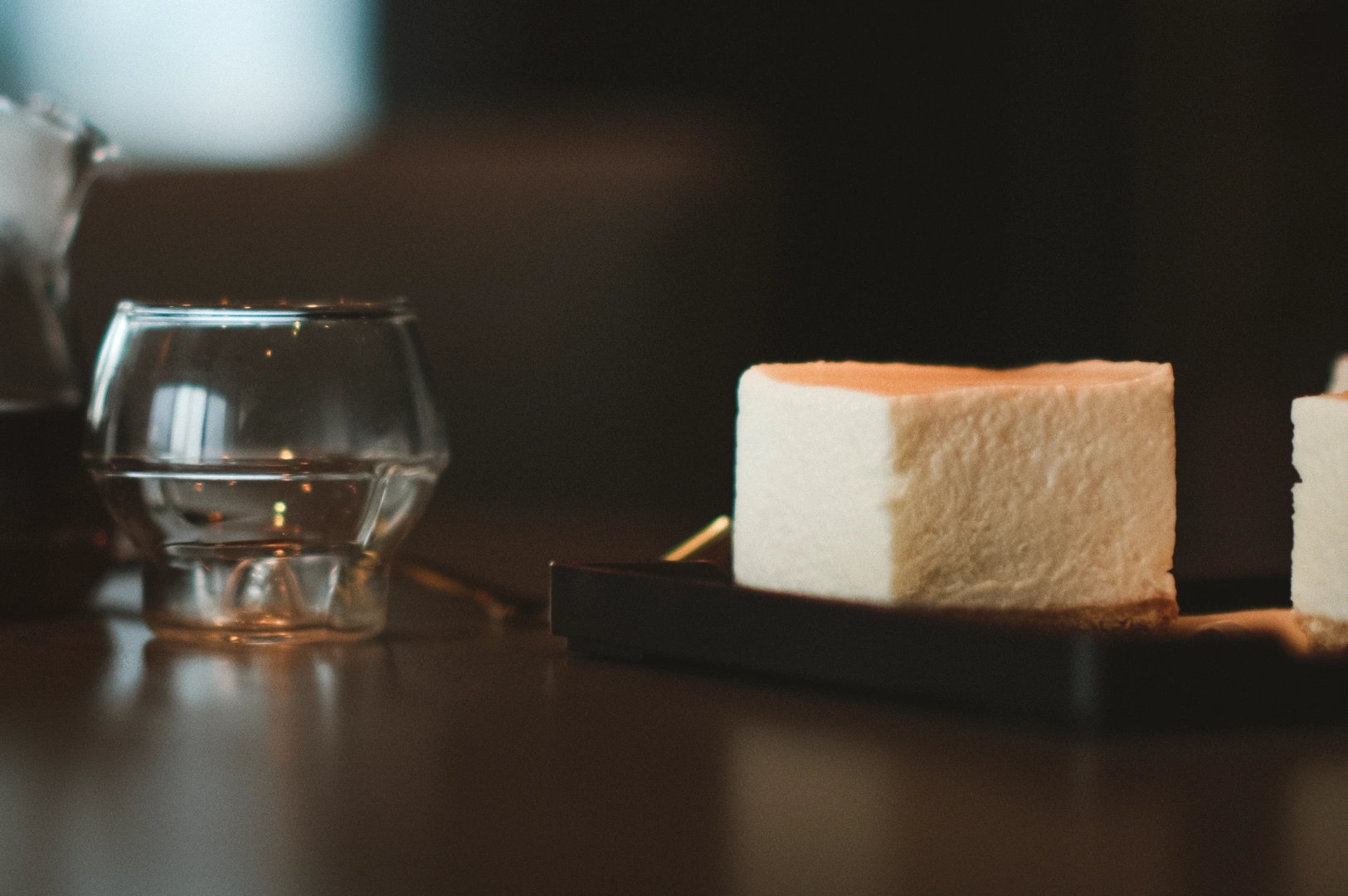
Addressing richness fatigue requires a move away from the “more is better” philosophy of dessert making. It demands a technical focus on how ingredients interact at a microscopic level. The goal is to create a dessert that respects the limitations of the human palate.
When a dessert is designed with an understanding of sensory-specific satiety, it becomes more than just a sweet treat. It becomes a study in balance and restraint. This is the hallmark of a refined dessert institution.
At Daizu by Ki-setsu, we address the issue of richness fatigue through our signature soy-based recipe. We offer a lighter interpretation of the classic cheesecake by balancing the creaminess of dairy with the clean finish of soy. Our goal is to provide a refined alternative that maintains structural integrity while ensuring a composed texture. By managing the palate weight of our cakes, we ensure that every bite feels as balanced as the first.