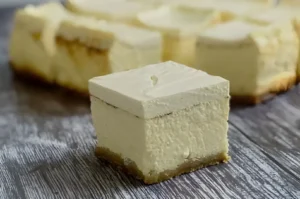
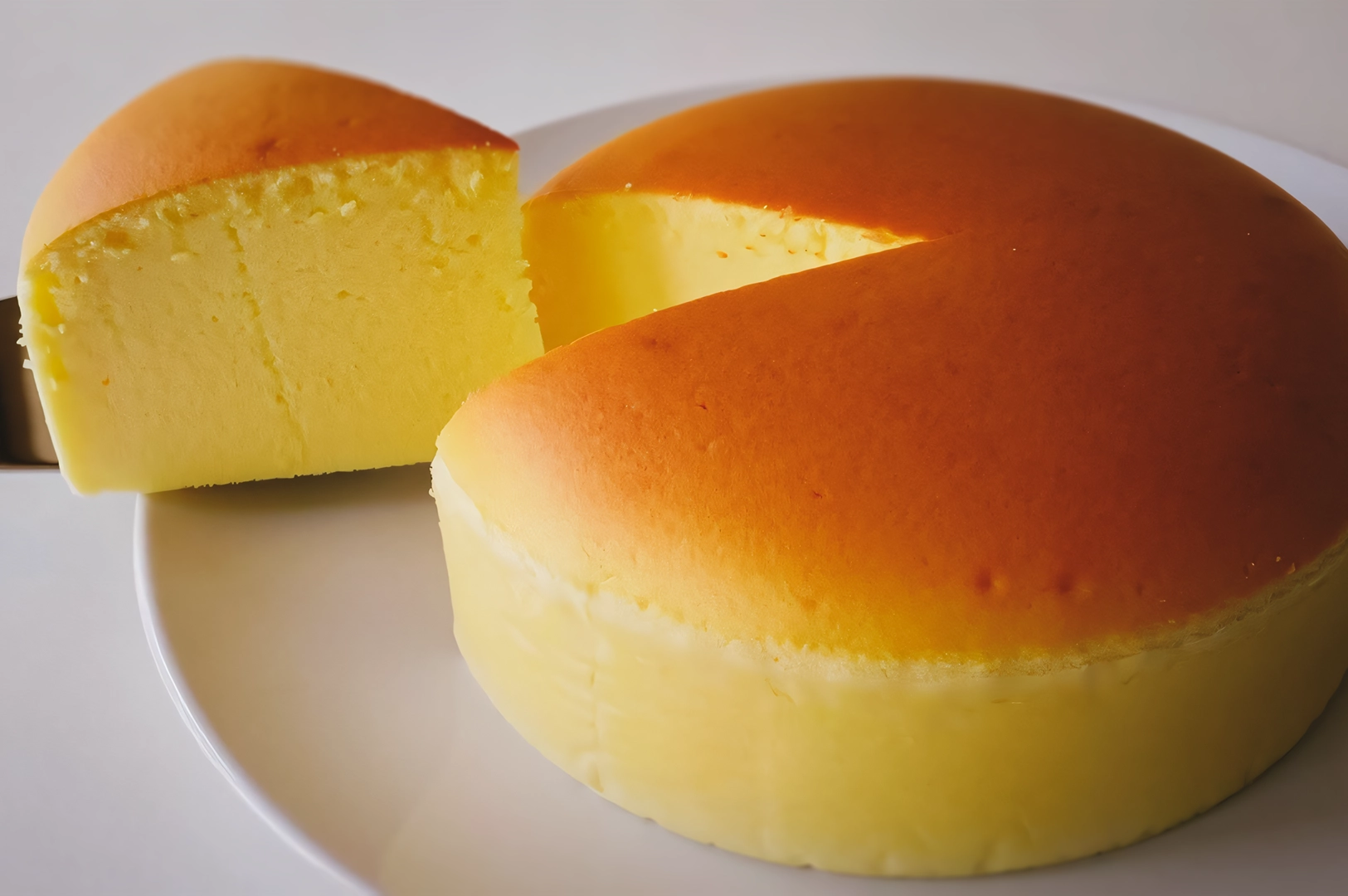
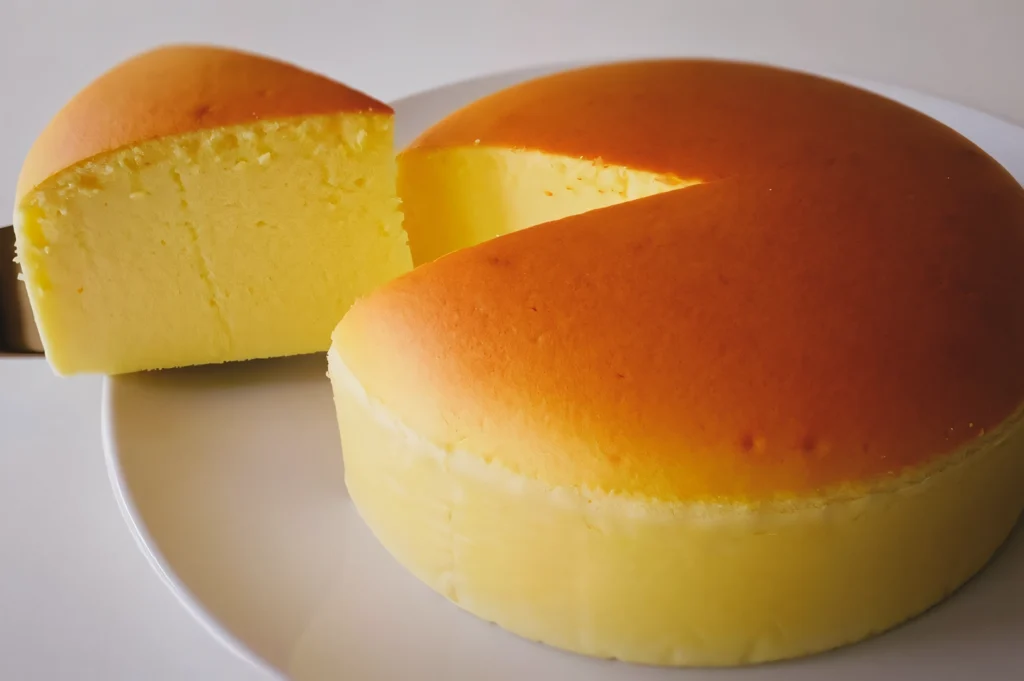
A spoon pressing into a dessert immediately reveals its internal engineering. If it meets unyielding resistance, it relies on dense, heavy fats to hold its shape. This is the concrete approach to pastry construction. If it yields with a soft, audible whisper, it relies on a delicate matrix of trapped air. This structural divergence defines a core philosophy in modern culinary technique.
Achieving true Japanese lightness in desserts is not an accident of baking. It is a highly deliberate mechanical process. It requires replacing heavy, coagulated binders with meticulously stabilized foams and carefully balanced moisture. This article examines the exact structural logic required to construct a dessert that feels like a cloud rather than a dense block.
Engineering a Cloud: Why Trapped Air Replaces Heavy Fats
Traditional Western baking often treats density as a virtue. Dense cakes utilize massive volumes of heavy cream and thick cheeses to build their foundation. These dense lipids act like mortar. They bind ingredients together tightly, creating a heavy palate weight that heavily coats the human tongue.
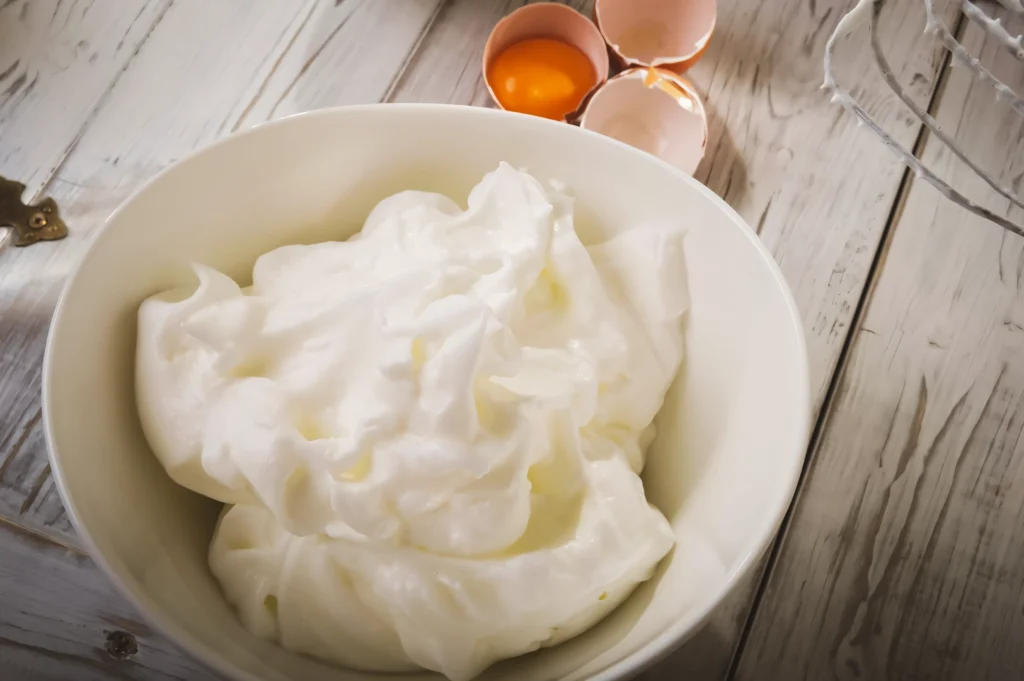
Japanese pastry techniques reject this reliance on heavy mortar. Instead of building mass, the goal is to build volume without unnecessary weight. This is achieved by weaponizing air. Chefs whip egg whites into precise meringues to create millions of microscopic air pockets.
These trapped air pockets become the primary structural pillars of the dessert. When heat is applied in the oven, the surrounding proteins slowly set around these bubbles. The resulting composed texture is structurally stable but physically light. It yields instantly upon consumption, leaving no heavy residue behind.
Stabilizing Japanese Lightness in Desserts with Starch and Hydration
Trapping air is only the first step in this mechanical process. Maintaining that aeration requires an exact balance of dry and wet ingredients. A foam will inevitably collapse under its own weight if it lacks internal support. This is where precise hydration and starch application become critical to the architecture.
Heavy traditional cakes rarely require additional starches because their massive fat content dictates their final shape. A highly aerated cake requires a small, calculated volume of cake flour or cornstarch. The starch absorbs ambient moisture from the dairy and gelatinizes during the baking process.
This gelatinization fortifies the microscopic walls of the trapped air pockets. It provides the necessary structural integrity to hold the delicate foam in place as the dessert cools to room temperature. Proper starch integration is the exact mechanism that prevents a well-structured dessert from deflating into a dense, rubbery disk.
Calibrating Sugar Ratios to Maintain a Clean Mouthfeel
Sugar acts as a highly functional structural ingredient, not just a sweetener. In dense desserts, high sugar volumes are mandatory to cut through the overwhelming richness of the dairy fats. The sugar tenderizes the dense network of proteins. However, it also compounds the overall density profile, contributing to a heavy, cloying finish on the palate.
A lighter structural approach requires a significant reduction in sucrose. Because there is less heavy fat masking the base flavors, a high sugar ratio would completely overpower the sensory receptors. The sugar is instead used functionally, primarily to stabilize the egg white foam during the whipping stage.
This strict moderation results in a beautifully balanced finish. The palate registers the natural, subtle notes of the dairy and eggs without interference. The mouthfeel remains consistently clean. This careful calibration prevents the sensory exhaustion that frequently accompanies heavily sweetened, dense pastries.
Managing Temperature Gradients for Textural Consistency
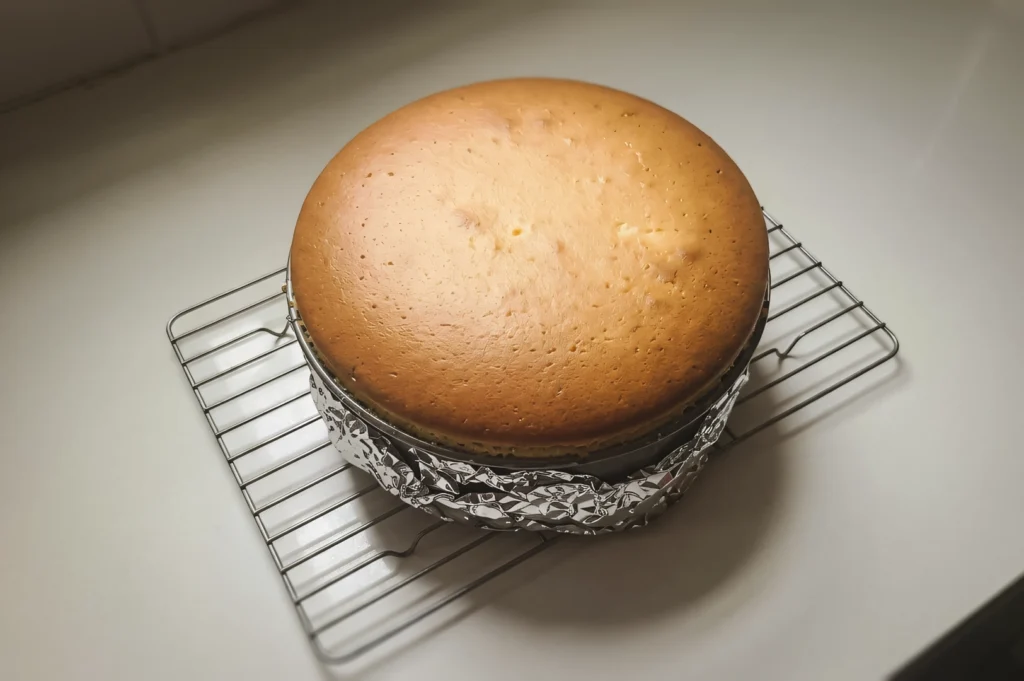
The final structural component of lightness is thermal control. The way a dessert transitions from the oven to the refrigerator dictates its ultimate physical state. A dense cake can withstand rapid cooling because its high fat content solidifies quickly into a firm block.
A delicate, highly aerated structure cannot survive a sudden thermal shock. It must be cooled gradually. The trapped air needs time to contract slowly while the gelatinized starches and coagulated proteins solidify their grip. If the temperature drops too rapidly, the internal framework shrinks violently, causing the surface to crack and the center to collapse.
Proper temperature management ensures the internal moisture remains evenly distributed. This prevents the edges from drying out while the core remains overly wet. The result is a seamless textural consistency from the first bite to the last. It proves that lightness requires rigorous discipline at every stage of production.
Cloud vs Concrete: Re-evaluating the Base to Achieve Lightness
The philosophy of lightness is fundamentally about removing unnecessary weight while preserving structural integrity. It requires looking beyond traditional heavy dairy components. Substituting standard heavy cream with carefully sourced alternatives completely alters the dessert’s baseline architecture. It shifts the density profile away from concrete without sacrificing satisfaction.
By focusing on precise protein coagulation and controlled fat ratios, a kitchen can construct a dessert that commands attention through nuance rather than volume. The goal is to provide a composed texture that actively refreshes the palate. This requires a disciplined adherence to the mechanics of aeration, ingredient balance, and strict thermal control.
At Daizu by Ki-setsu, our formulation utilizes Japanese soy as a foundational element. This intentional substitution significantly reduces the heavy palate weight typical of conventional styles. It allows us to present a refined alternative that perfectly embodies Japanese lightness in desserts. By applying this different structural approach, we ensure every slice delivers a meticulously clean finish on the palate.