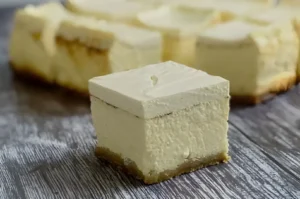


There’s a particular kind of guilt that comes with dessert. Not regret, exactly. More like a quiet negotiation with yourself about whether it was worth it. Soy cheesecake tends to short-circuit that negotiation entirely, and the reason has a lot to do with what soy actually does once it’s in your body.
The health benefits of soy are not new information, but they’re often buried under a lot of noise. Headlines swing between “eat more soy” and vague warnings, and somewhere in the middle sits the actual science, which is considerably less dramatic and considerably more useful. This is especially relevant for those seeking a delicious yet health-conscious option like a cheesecake Singapore can be proud of.
What the Health Benefits of Soy Actually Look Like on a Plate
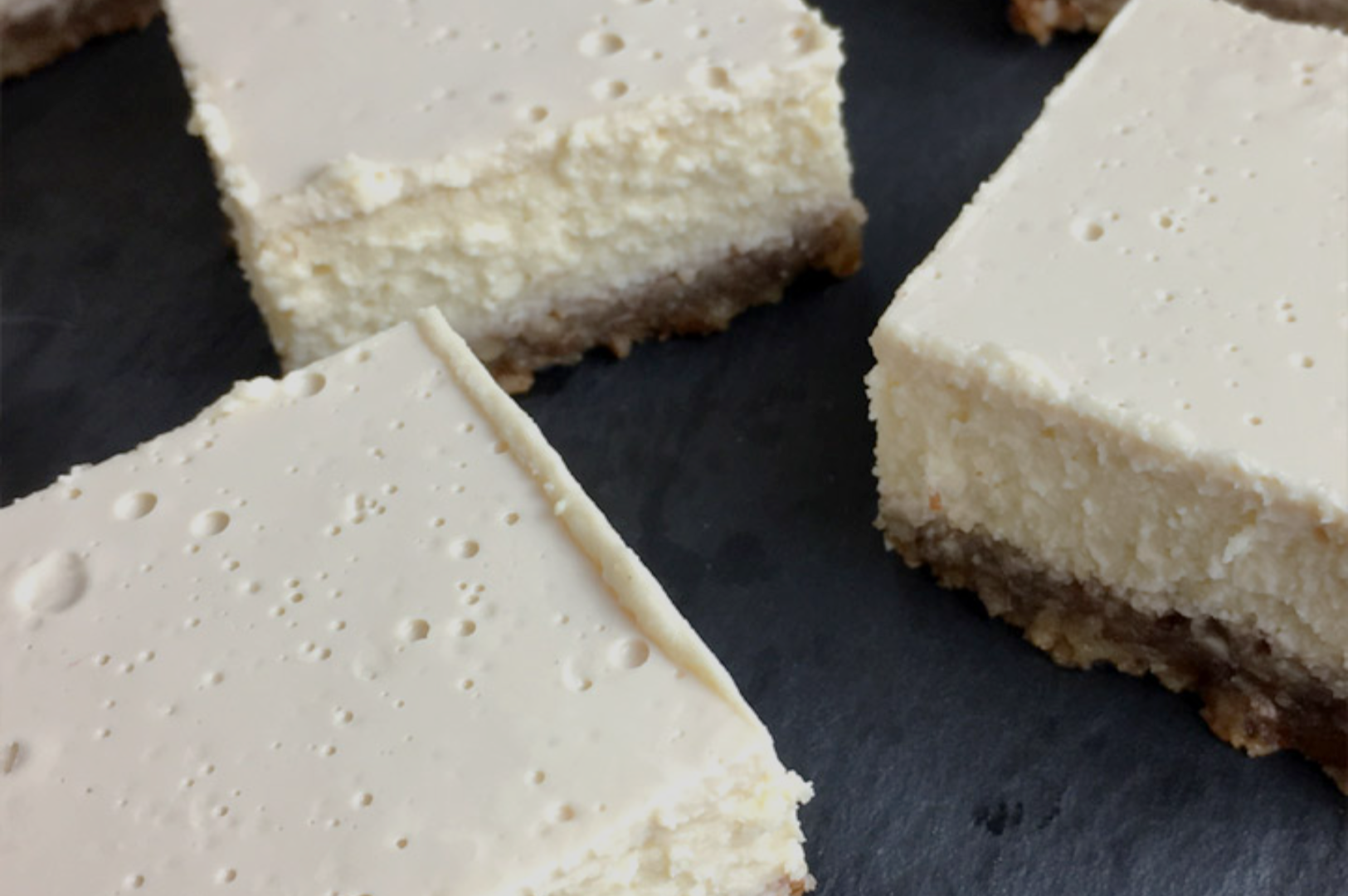
Soy foods are not all the same thing. Tofu, tempeh, edamame, soy milk, miso, soy sauce — these are all soy products, but they behave differently depending on how they’re prepared and what else they’re paired with. Whole soy foods, like edamame and tofu, tend to carry the most nutritional weight. Fermented soy foods like miso and tempeh add the benefit of probiotics on top of that. Processed soy products, like certain protein bars or packaged snacks, are a different category altogether.
What runs through most of them, though, is soy protein. And soy protein is genuinely worth paying attention to.
High Quality Protein That Doesn’t Come with the Usual Trade-offs

Most plant proteins are incomplete, meaning they’re missing one or more essential amino acids that the human body can’t produce on its own. Soy protein is a notable exception. It contains all the essential amino acids, which puts it in the same category as animal protein in terms of completeness, without the saturated fat that often comes along with meat.
For anyone eating a vegetarian diet, or just trying to eat less meat overall, soy foods fill a real gap. Half a cup of edamame delivers roughly nine grams of high quality protein. Tofu scales similarly depending on how it’s prepared. The numbers are solid without needing to be dressed up.
Heart Disease, Blood Pressure, and What Eating Soy Does for Both
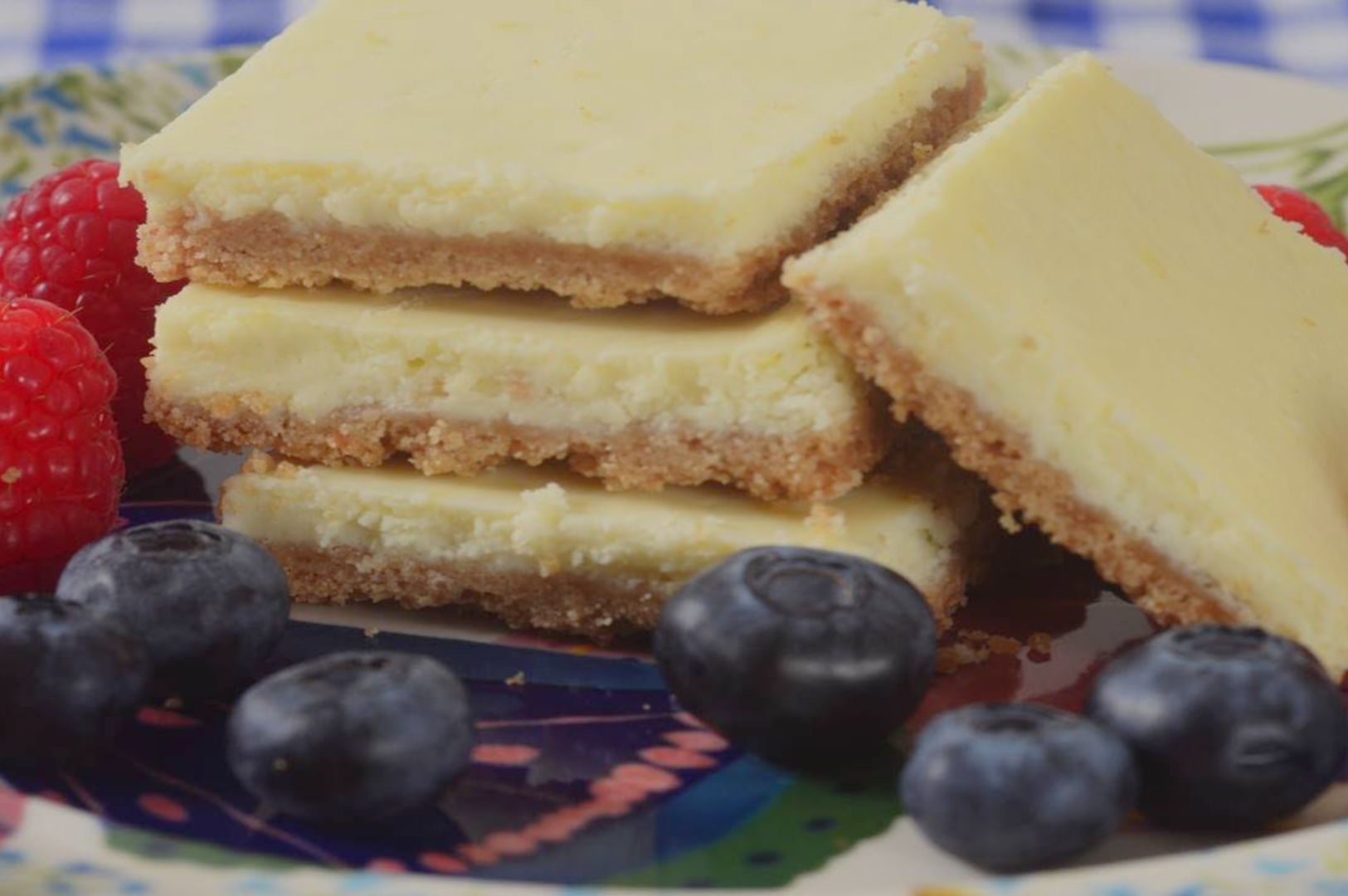
Heart disease remains one of the leading causes of death globally, and diet plays a meaningful role in managing risk factors. Soy foods have been studied in this context for decades, with the strongest evidence pointing to improvements in LDL cholesterol and blood pressure.
The connection between soy consumption and cardiovascular disease comes partly from soy isoflavones, plant compounds that interact with estrogen receptors in the body. They’re sometimes called plant estrogen, though that label is a bit misleading since they’re structurally different from human estrogen and behave differently too. What they do seem to do is support blood vessels and modestly reduce blood pressure, particularly in people whose readings are already elevated.
Replacing animal protein with plant protein, including soy protein, also tends to reduce saturated fat intake by default. That shift alone has implications for heart disease risk. The Shanghai Women’s Health Study, a large prospective cohort study, found associations between soy food intake and lower rates of cardiovascular disease among Chinese women. The findings aren’t a prescription, but they point in a consistent direction.
Breast Cancer, Prostate Cancer, and the Research Worth Knowing

Few topics around soy generate more confusion than cancer risk, particularly breast cancer. Soy isoflavones bind to estrogen receptors, which initially raised concerns that they might promote hormone-sensitive cancers. The research has not borne that out.
The breast cancer family registry and multiple large-scale studies, including a cancer epidemiology study tracking Asian American women, have found no increased risk of breast cancer from eating soy foods at normal dietary levels. In fact, several studies suggest that higher soy food consumption is associated with a lower risk of breast cancer, especially among Asian women who consumed soy from childhood. The Shanghai Women’s Health Study found that higher soy intake in adolescence and adulthood was linked to reduced breast cancer risk.
For breast cancer survivors, the picture was once murky. Earlier concerns that soy might interfere with certain treatments led many oncologists to advise caution. More recent evidence, including data from the breast cancer family registry, suggests that moderate soy food intake does not increase breast cancer recurrence and may even be associated with improved outcomes. Not all women will respond the same way, and anyone in treatment should be guided by their doctor. But the blanket fear around soy and breast cancer has largely been walked back by the research.
Prostate cancer follows a similar pattern. Prospective cohort studies in Asian populations, where soy food consumption is higher, have observed lower rates of prostate cancer compared to Western populations where soy intake is minimal. Soy isoflavone intake appears to play a role, though the exact mechanism continues to be studied.
Hot Flashes, Menopausal Symptoms, and the Soy Isoflavone Conversation
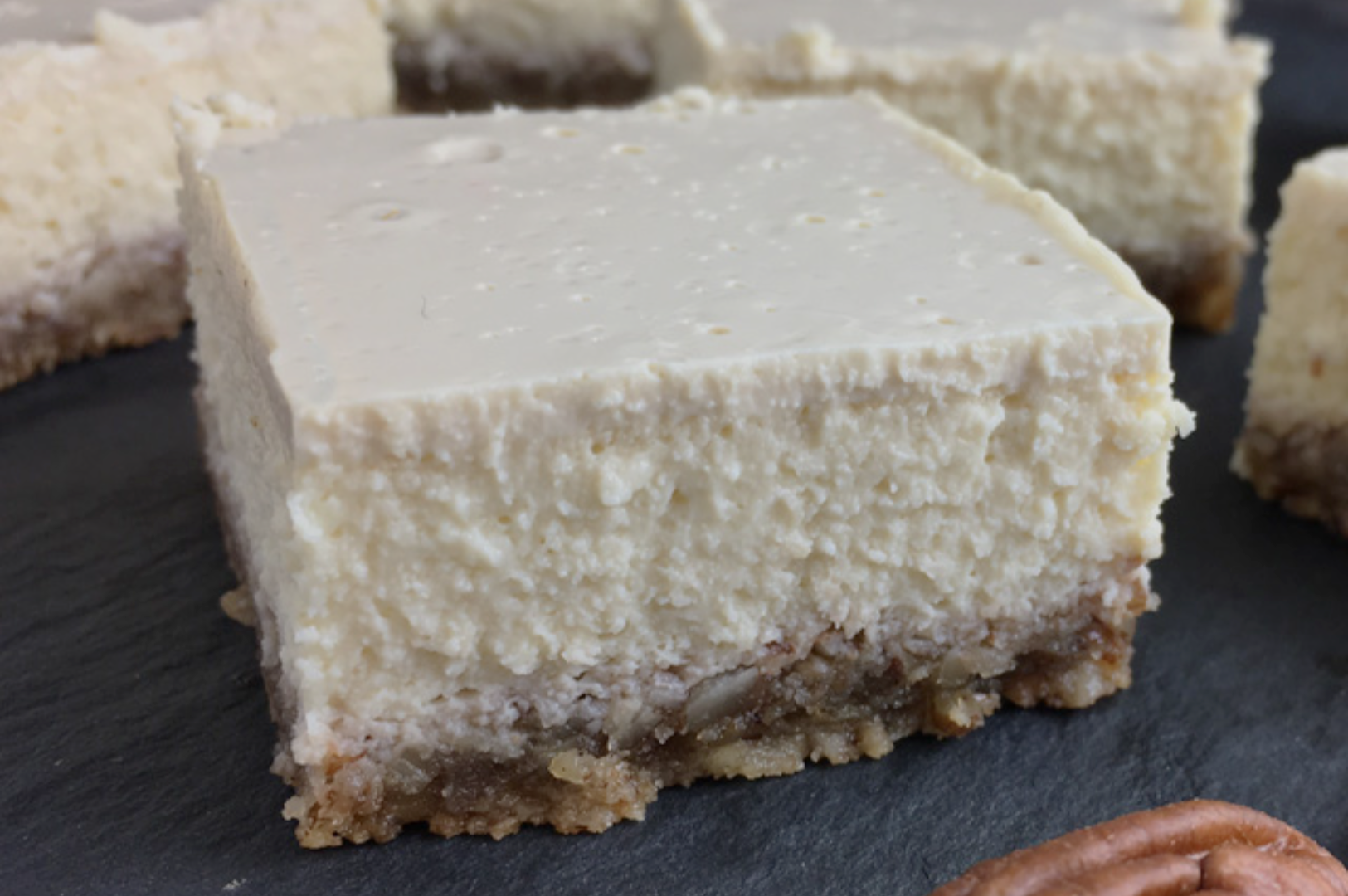
Menopausal symptoms, including hot flashes, are one of the more studied areas of soy isoflavone research. The North American Menopause Society has reviewed the evidence on soy isoflavones and hot flashes, acknowledging that isoflavone intake may help reduce menopausal symptoms in some women, particularly those who produce a compound called equol when they metabolise soy.
The results from randomized controlled trials are mixed, which is worth being honest about. Some postmenopausal women see meaningful reductions in hot flash frequency with regular soy food intake or dietary isoflavone intake. Others see little difference. Not all women respond to soy isoflavones the same way, and soy isoflavone supplements tend to produce more variable results than whole soy foods.
What’s clear is that for postmenopausal women in particular, eating soy foods as part of a balanced diet carries no known harm and comes with a reasonable body of evidence suggesting benefit, particularly around bone health. Soy isoflavones appear to support bone density in post menopausal women, which matters given the accelerated bone loss that follows menopause.
Other Foods Can Contain Soy Without Anyone Noticing
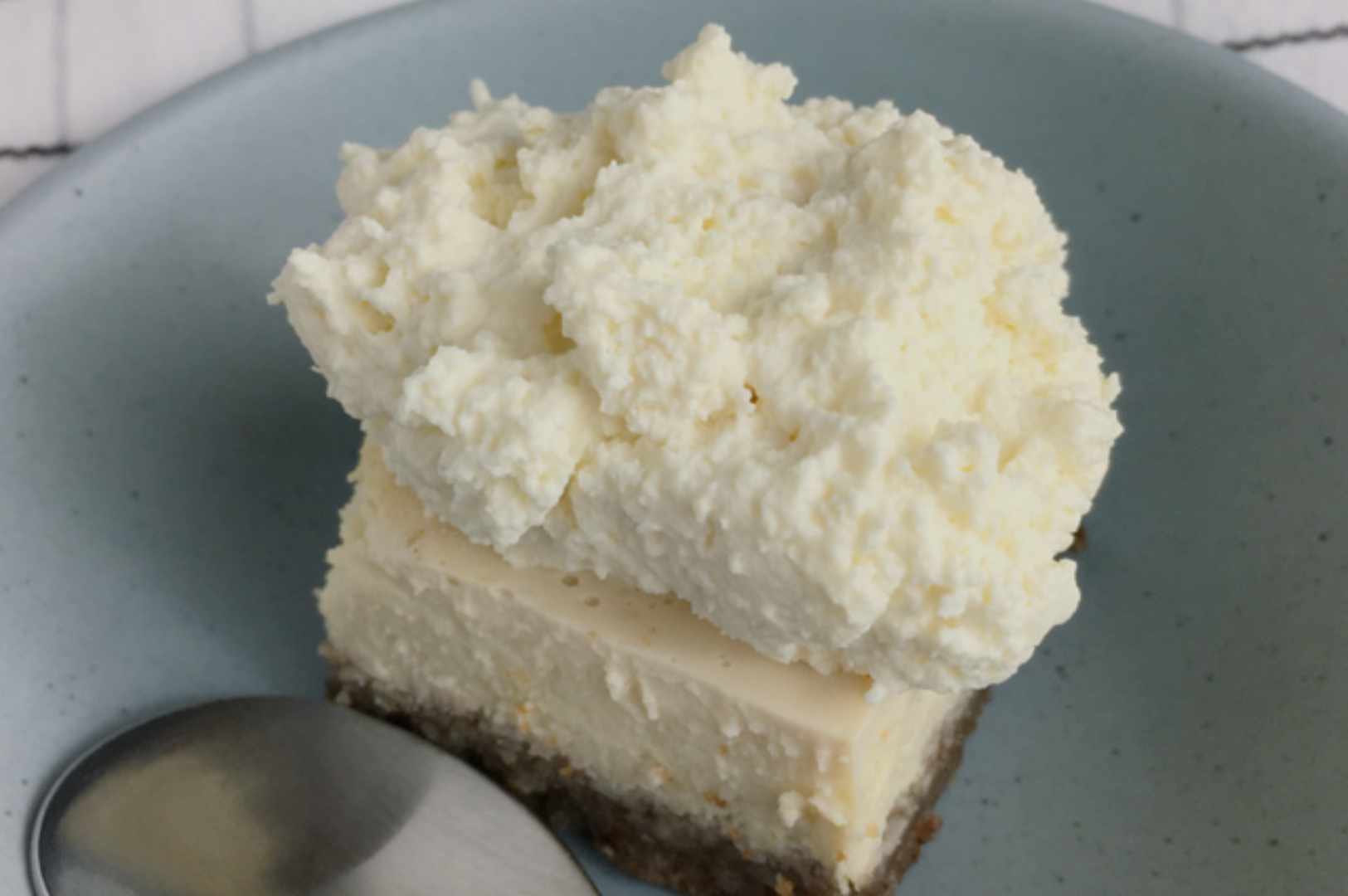
Soy is quietly present in a lot of what people already eat. Soy sauce shows up in countless dishes across Asian cuisines. Many margarines and cooking oils are derived from soya bean. Fermented soy products like miso and natto are staples in Japanese cooking. Even soy milk has become a default option at most coffee shops.
Adult soy food intake in Asian populations tends to be significantly higher than in Western ones, and that difference is visible in a lot of the epidemiological data. People in Singapore, Japan, Korea, and China have been eating soy foods as part of a regular healthy diet for generations. The research into human health and soy largely reflects that.
For people new to soy, the easiest entry points are also the least processed: edamame as a snack, tofu in a stir-fry, soy milk in the morning, or even a soy dessert to enjoy the benefits in a sweet form. Dietary fiber, plant protein, and soy isoflavones all come along for the ride.
More Soy in a Treat Is Not a Contradiction
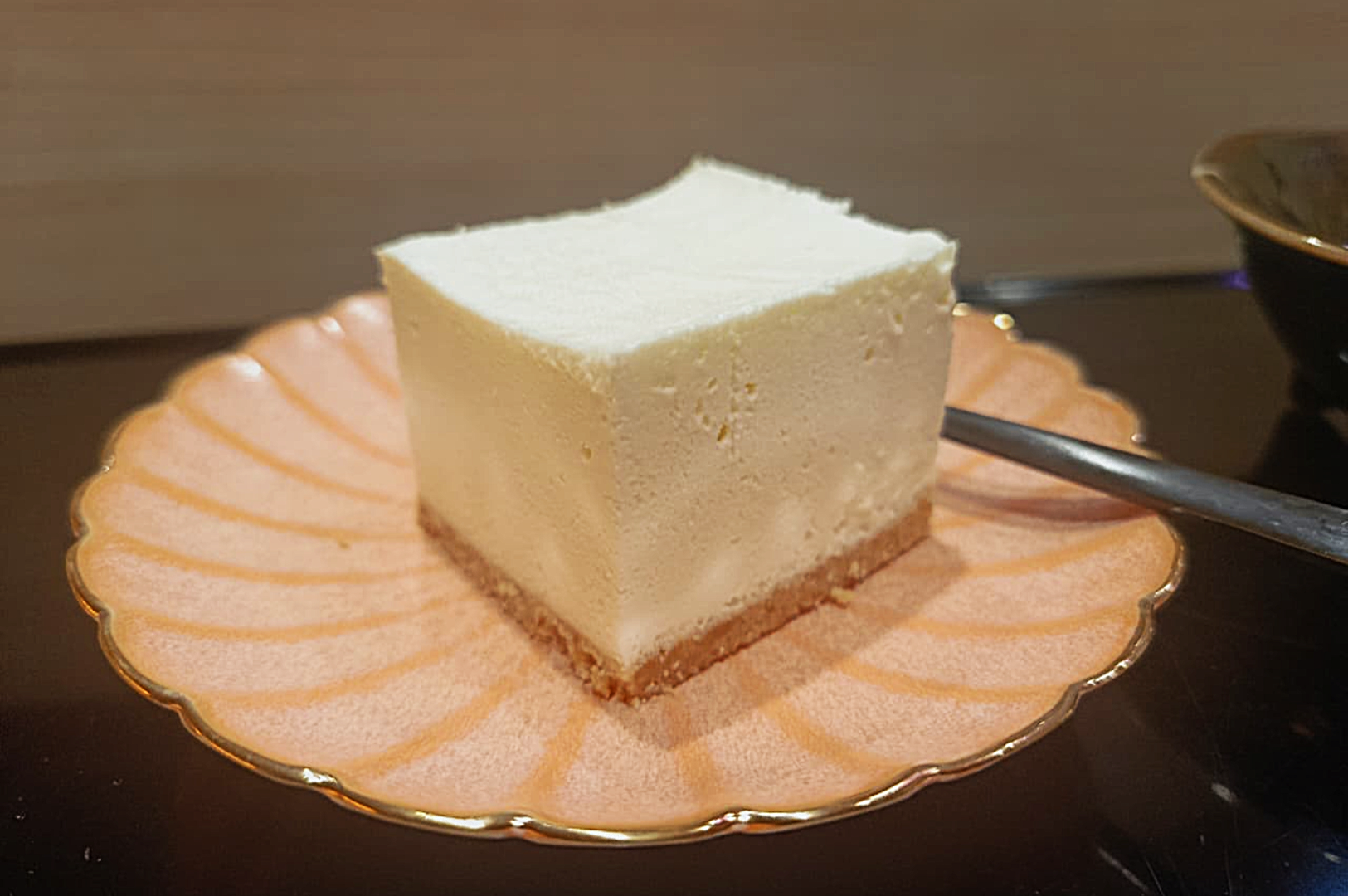
Dessert and nutrition are not usually in the same conversation. But the benefits of soy don’t disappear depending on the format they arrive in. A soy-based cheesecake, made with real soya bean and without the ground beef-level saturated fat of a traditional cream cheese version, sits in meaningfully different nutritional territory.
Eating soy in a form that actually tastes like something worth eating is the whole point. Lower risk doesn’t have to mean lower enjoyment, and a smarter treat doesn’t have to feel like a compromise.
At Daizu by Ki-setsu, the soy is the foundation, not a selling point layered on top. The cheesecakes are built around it, which means every slice carries the same plant protein, the same soy isoflavones, and the same nutritional character as the soy foods this article has been talking about. That’s not a health claim. It’s just what soy does, whether it’s in a bowl of edamame or on a dessert plate.