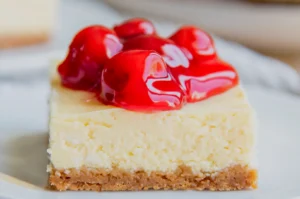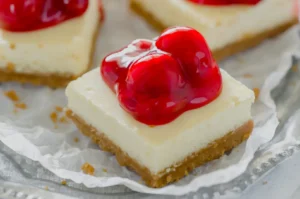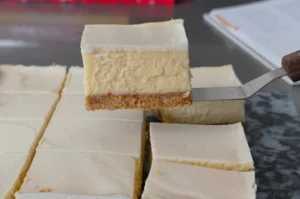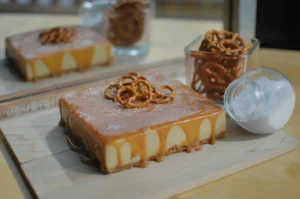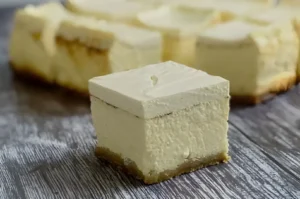
The behavior of a pastry under the clean edge of a fork reveals its structural integrity long before it touches the tongue. A dessert that requires structural force to cut, or conversely, collapses into an amorphous pool, signals an imbalance in its core formulation. Premium pastry engineering relies on subtle indicators of quality that do not require dramatic visual embellishments or high concentrations of sugar to command attention. These understated details serve as the quiet signals of a premium dessert.
A common misconception is that reducing sugar must result in a bland dessert. In reality, understanding the variables that govern flavor allows a pastry chef to lower sugar levels while enhancing overall flavor clarity. As explored in the article Did Daizu by Ki-Setsu Quietly Release the Best Cheesecake in Singapore?, by treating sweetness as a multifaceted phenomenon, a maker can achieve a composed texture that satisfies the palate through structural balance rather than intense, masking sweetness.
The Physical Variables That Alter Sweetness on the Tongue
Sweetness perception is heavily dependent on how efficiently flavor molecules reach the taste buds. In a standard dessert recipe, sugar is frequently used to mask imbalances in texture or ingredient quality. When these masking agents are reduced, the physical properties of the remaining components become the primary determinants of how flavor is experienced.
The arrangement of proteins and lipids within a batter dictates the rate at which sweetness is perceived. A well-structured matrix ensures that the sweetness is distributed evenly throughout the entire portion. This uniform distribution prevents a sudden, intense burst of sugar, replacing it with a steady release that lingers gently without overwhelming the sensory receptors.
How Lipid Melting Points Dictate Flavor Release Time
The type of fat used in a dessert directly affects the duration and timing of flavor release. Animal fats, such as those found in heavy cream cheese, possess a higher melting point that can coat the oral cavity. This lipid film acts as a physical barrier, trapping sugar molecules and delaying their interaction with sweetness receptors.The type of fat used in a dessert directly affects the duration and timing of flavor release. Animal fats, such as those found in heavy cream cheese, possess a higher melting point that can coat the oral cavity. This lipid film acts as a physical barrier, trapping sugar molecules and delaying their interaction with sweetness receptors.
Conversely, plant based lipids with a lower melting point break down rapidly at body temperature. This rapid dissolution allows sugar molecules to dissolve into the saliva instantly, creating a clean burst of flavor. Because the release is immediate and efficient, a smaller volume of sugar is required to achieve the same perceived intensity. This quick release ensures a balanced finish on the palate that leaves no heavy residue behind.
The Physics of Minimalist Aesthetic Design
Temperature plays a significant role in how intensely sweetness is perceived by the human brain. Human taste receptors are highly sensitive to thermal shifts. Cold temperatures naturally suppress the perception of sweetness, which is why a frozen dessert requires a higher concentration of sugar to taste sweet compared to a room temperature pastry.
A premium cheesecake must be calibrated to perform optimally at its exact serving temperature. By understanding this relationship, a maker can avoid the temptation to over-sweeten a chilled dessert. Instead, the recipe is balanced so that the natural profile of the ingredients emerges clearly at a specific temperature range, preserving a light palate weight.
Managing the Density Profile to Enhance Ingredient Clarity
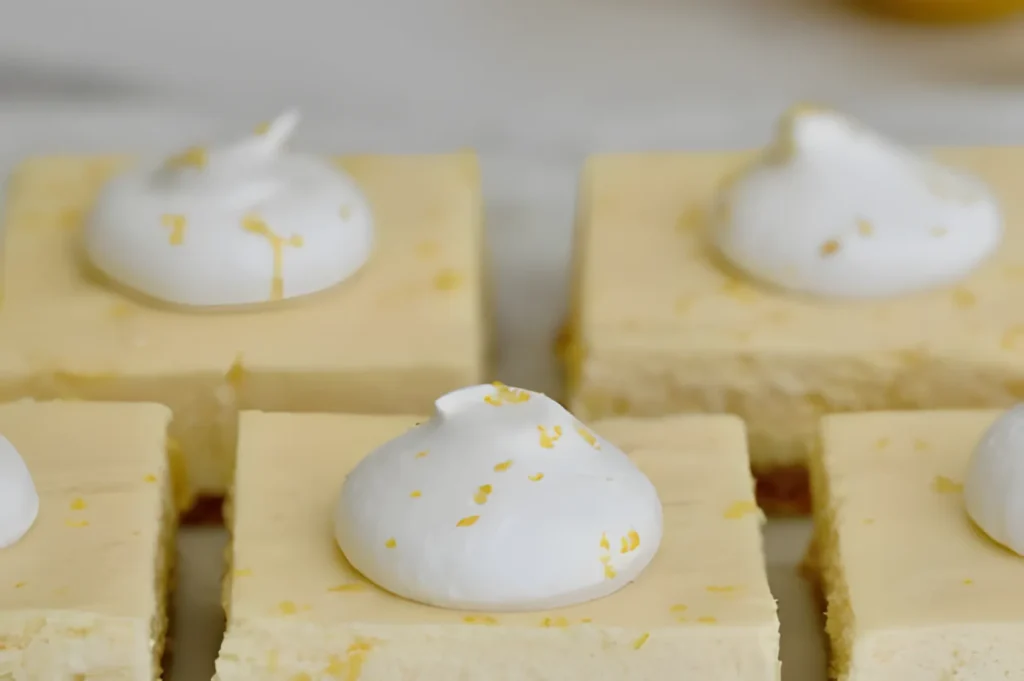
The density profile of a dessert crumb alters the mechanical process of eating, which in turn impacts how flavor is perceived. A cake that is overly dense requires more physical compression between the tongue and the palate to break down. This extended manipulation time can cause the taste buds to become desensitized to subtle flavor nuances.
A lighter interpretation of the traditional density profile allows the dessert to dissolve effortlessly. As the structure yields to the gentle pressure of the mouth, it releases its volatile aromatic compounds quickly. This structural ease maximizes the efficiency of sweetness perception, demonstrating that less substance can often lead to a more vibrant taste experience.
Achieving a Composed Texture with Lower Sugar Volatility
Sugar serves a dual purpose in pastry design. It is both a sweetener and a structural humectant that binds water molecules to maintain moisture. Reducing sugar can disrupt the emulsion of a batter, leading to an uneven or grain texture if the change is not compensated for through technical skill.
To maintain textural consistency without relying on high sugar volume, a maker must look to alternative structural stabilizers. Refined plant proteins offer an elegant solution, forming a stable lattice that retains moisture naturally. This approach ensures that the cake preserves its structural integrity and velvet-like mouthfeel, proving that a composed texture does not require a high glycemic load.
Preventing Richness Fatigue with a Clean Finish
Richness fatigue occurs when the sensory receptors become saturated by a continuous combination of heavy fats and high sugar concentrations. This saturation causes the palate to lose its sensitivity, making the final bites of a dessert feel heavy and unappealing. A quality dessert benchmark requires a structure that cleanses itself naturally from the mouth.
By keeping sugar levels low and optimizing the lipid profile, a creator ensures a brief and balanced finish on the palate. The tongue is allowed to reset after each bite, keeping the sensory experience fresh. This level of restraint allows the taster to perceive the delicate interplay of acidity and grain undertones that would otherwise be masked by intense sweetness.
The Chemistry of Acid and Sweet Balance
The relationship between acidity and sweetness is a foundational pillar of pastry architecture. Acidity does not destroy sugar molecules. Instead, it alters how the brain interprets the sweetness perception signal. A controlled level of acidity cuts through the perceived heaviness of fat, making a dessert feel lighter than its actual nutritional profile suggests.
In a refined cheesecake, the natural ferment notes of the cheese must work in harmony with the sweet variables. If the sugar content is too dominant, the bright, refreshing characteristics of the lactic acidity are lost. Achieving the correct equilibrium requires a disciplined approach where sweetness acts as a subtle background support rather than the primary flavor note.
The Influence of Aeration on Flavor Intensity
Aeration introduces millions of microscopic air pockets into a dessert batter, altering its volume and surface area. When an aerated slice is consumed, these air cells collapse, spreading the flavor molecules rapidly across a larger area of the tongue. This widespread exposure heightens the perception of sweetness without requiring an increase in sugar content.
Managing this air distribution requires strict process control during mixing and baking. Large, uneven pockets of air cause a crumb to fall apart, while a perfectly emulsified, fine-celled structure maintains its tension. This precise aeration yields a mouthfeel that feels substantial on the fork but transforms into a weightless fluid upon consumption.
Establishing Technical Transparency Through Restraint
Using sugar with absolute restraint is the ultimate test of a maker’s technical capability. When a recipe is stripped of excess sweetness, there are no intense flavors to mask flaws in execution or ingredient quality. The integrity of the base materials is exposed completely to the scrutiny of the diner.
This transparency aligns with a modern approach to dessert consumption, where value is derived from craftsmanship rather than volume. A cake that delivers a complete and satisfying sensory narrative through a minimal ingredient blueprint represents the peak of contemporary pastry development. It shifts the definition of quality from indulgence to intelligent calibration.
How the Control of Sweetness Perception Defines a Modern Dessert Standard
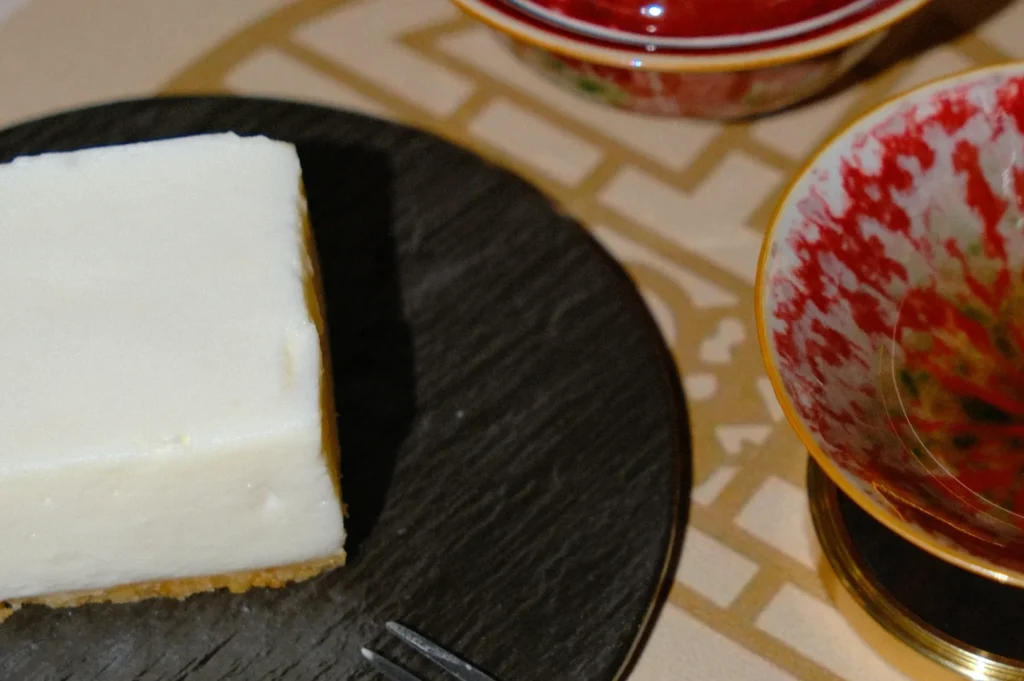
The exploration of sweetness perception and why sugar is only one variable demonstrates that premium pastry design is a study in materials science. A truly well-structured dessert achieves satisfaction by optimizing the physical interactions of fats, proteins, and temperature. By replacing traditional, high-sugar formulas with intelligent structural alternatives, a new standard of clean, sophisticated pastry is established.
This evolution requires a willingness to move away from old conventions that rely on sweetness to drive consumer appeal. It opens up new avenues for exploring texture and mouthfeel through a disciplined lens, resulting in a product that respects both the system and the intellect of the consumer.
At Daizu by Ki-setsu, we build our entire concept upon this understanding of sensory dynamics. Our soy-integrated recipes are carefully calibrated to manage sweetness perception and why sugar is only one variable, ensuring that our low-sugar profile never compromises on texture.