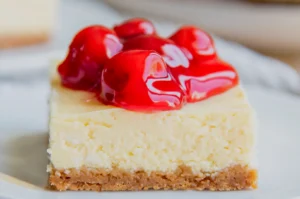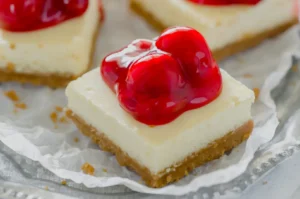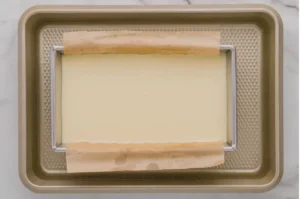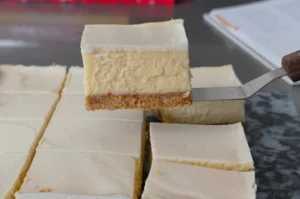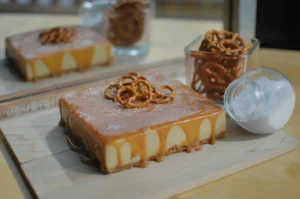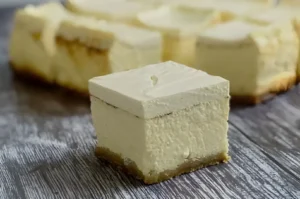
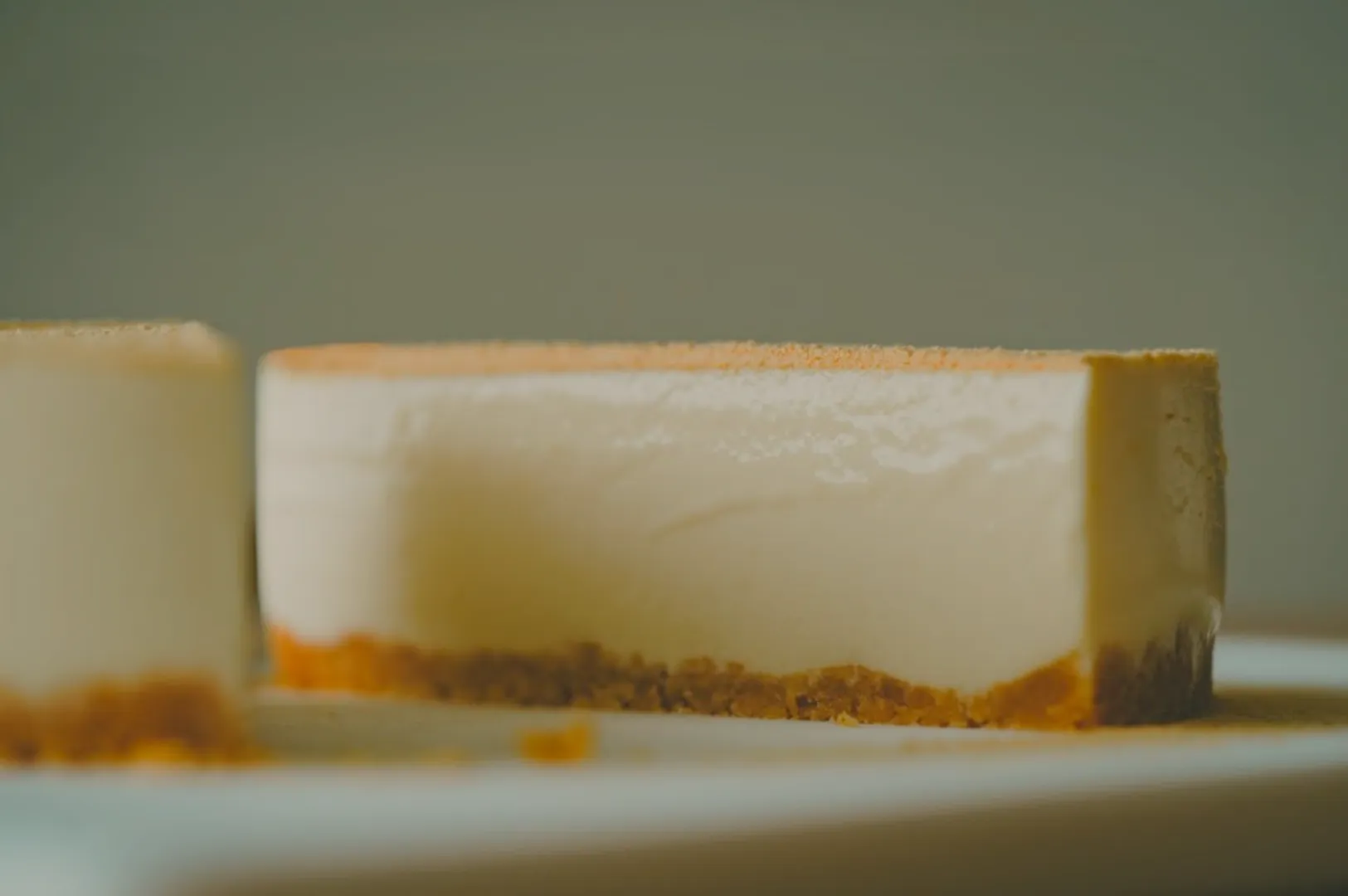
A soybean cheesecake reaches its optimal quality only when purchased at the right moment relative to when it will be consumed. The timing affects texture, flavor balance, and structural integrity more than most buyers realize.
In Singapore, where humidity and temperature vary throughout the day, the decision of when to buy determines whether the finished product delivers a smooth, composed texture or a compromised mouthfeel. The bean base introduces unique considerations compared to traditional cream cheese cheesecake.
At Daizu by Ki-setsu, known for crafting the best cheesecake in Singapore with a focus on subtlety and balance, the philosophy is to offer a quieter, more refined cheesecake experience. This approach guides the understanding that timing is crucial to fully appreciate the light, soy-based cheesecake’s delicate flavors and creamy texture.
When Timing Determines the Best Cheesecake Experience
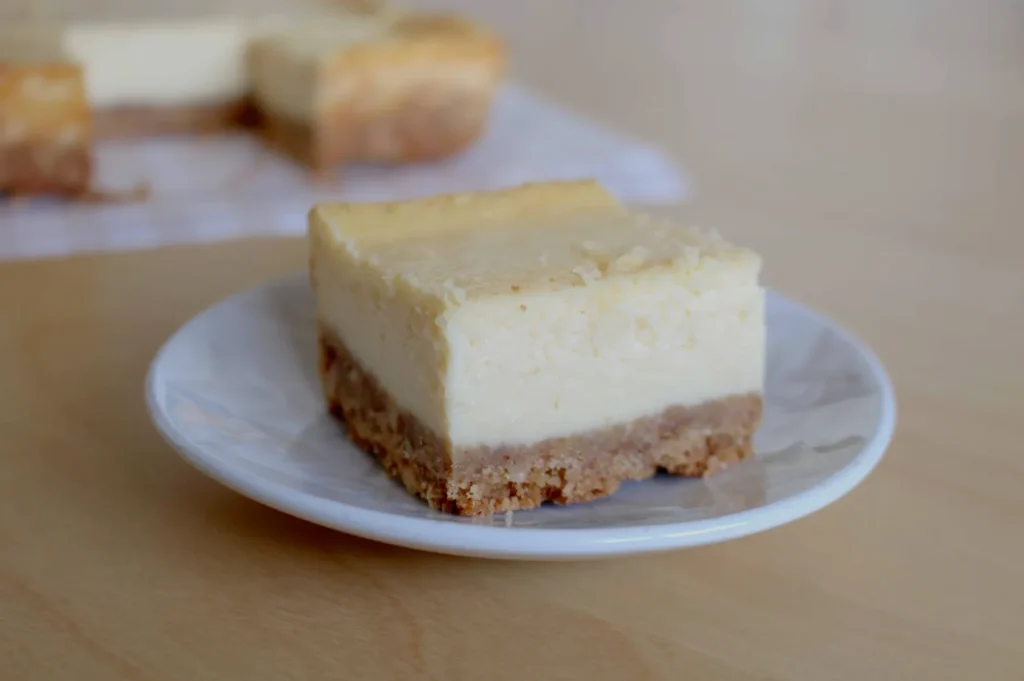
The simple question of when to buy depends on three factors: how soon you will consume it, how you will store it, and what texture profile you prefer. Soybean cheesecake has a different density profile than standard cheesecake, which affects its shelf life and optimal consumption window.
Most bakeries in Singapore with multiple locations offer same-day delivery or next-day pickup through their online cart systems. For soybean cheesecake, purchasing 24 to 48 hours before consumption allows the flavor to settle while maintaining textural consistency. Buying too early risks the cake drying out in the fridge. Buying too late means the structure has not fully set.
The base of soybean introduces a delicate balance that varies depending on the recipe and blending method used. A well-structured soybean cheesecake needs time for the flavors to integrate, but not so much time that the palate weight becomes heavy. This aligns with our commitment to crafting cheesecakes that finish beautifully, with a subtle soy finish complementing the creamy texture.
Matching Purchase Timing to Your Consumption Schedule
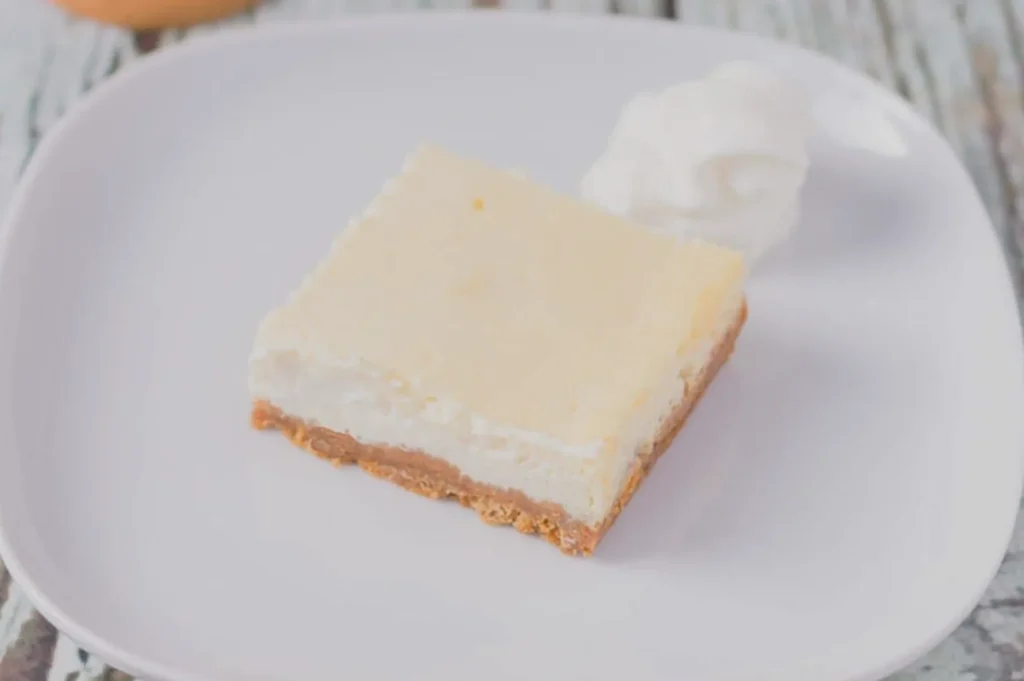
If you plan to dine on the cheesecake the same day, buy it in the morning for afternoon service. This allows the cake to reach room temperature gradually, which enhances the smooth texture and balanced finish. The result is a lighter interpretation of the classic cheesecake form, an indulgent treat for those seeking something different.
For special occasions happening the next day, purchase the day before. Store it in the fridge until 30 minutes before serving. This timing preserves the structural integrity while allowing the rich flavor to develop without becoming overly dense.
Consumption Timeline | Purchase Timing | Storage Method | Expected Texture |
|---|---|---|---|
Same day (afternoon) | Morning of event | Fridge, 2 hours before serving | Smooth, composed |
Next day event | 1 day before | Fridge, 30 min before serving | Balanced, set |
Weekend gathering | 2 days before | Fridge, 1 hour before serving | Rich, integrated |
The number of hours between purchase and consumption will vary based on the specific recipe and the bakery’s finishing process.
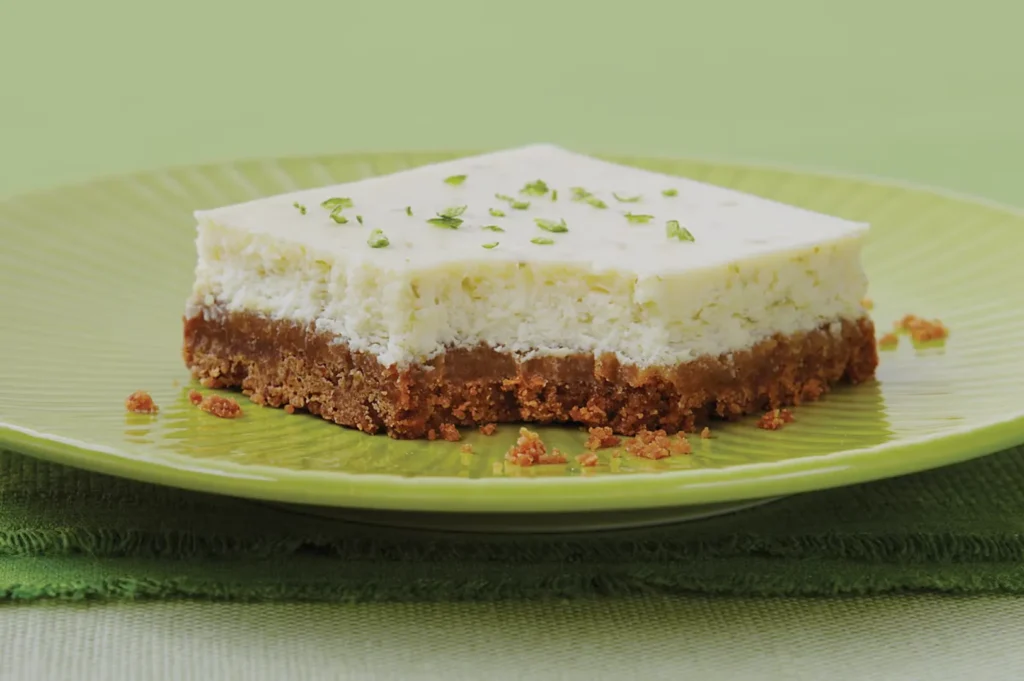
Singapore’s tropical climate creates specific challenges for cheesecake storage and timing. Average temperatures range from 25°C to 31°C, with humidity often exceeding 80%. These conditions affect how quickly a cheesecake warms up and how its texture changes.
Soybean cheesecake has lower fat content than traditional cream cheese varieties, which means it responds differently to temperature changes. The soybean base creates a more delicate structure that can soften faster in warm conditions.
When ordering delivery in Singapore, request insulated packaging and aim for delivery windows during cooler parts of the day. The perfect match between purchase timing and delivery scheduling ensures the cake arrives with proper structural integrity, allowing you to view the cheesecake at its best.
Storage Guidelines for Maintaining Texture
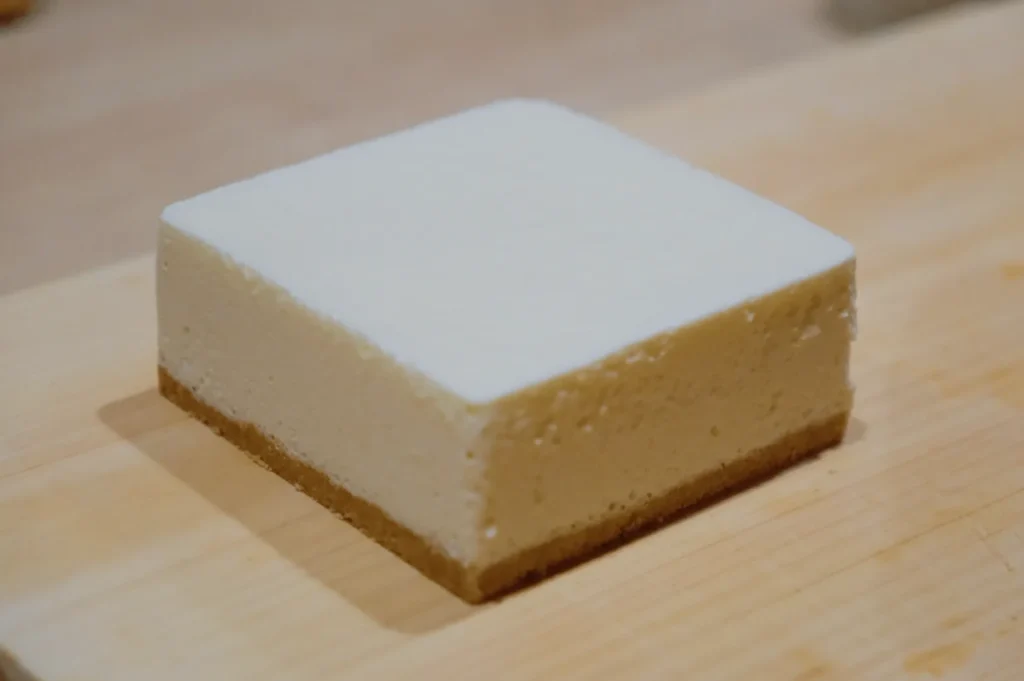
Once purchased, keep the cheesecake in the fridge at 4°C. Do not freeze unless you plan to consume it within one month. Freezing alters the mouthfeel and can create a grainy texture that masks the subtle bean flavor.
Remove the cake from the fridge 20 to 40 minutes before serving, depending on slice thickness. A standard slice needs less time than a whole cake. This pause allows the richness to become perceptible on the palate without the cake becoming heavy.
The finish on the palate should remain clean and balanced, not cloying. Proper storage and timing preserve this characteristic, reflecting Daizu by Ki-Setsu’s philosophy of offering a cheesecake experience that is composed and refined, rather than overpowering.
What to Look for When Evaluating Soybean Cheesecake Quality
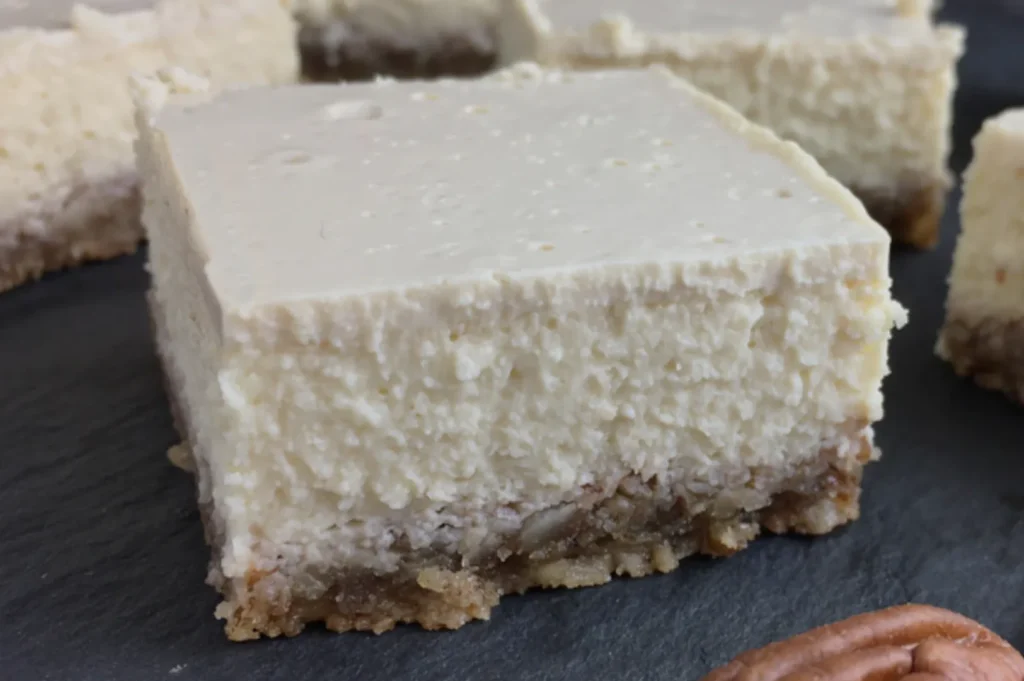
Quality indicators for soybean cheesecake differ from those of traditional cheesecake. The color should be pale cream with no brown spots unless the recipe includes a Basque burnt element. The surface should be smooth without cracks, indicating proper structural integrity during baking.
Examine the density profile by gently pressing the surface. It should yield slightly but spring back, showing the cake is set but not overbaked. A cake that feels too firm has likely been overbaked, while one that feels too soft may be underbaked or improperly stored.
The taste should reveal the bean character without tasting like raw soybeans. Blending the soybean with cream cheese and milk creates a harmonious flavor where neither ingredient dominates. Lemon may be added in small amounts to brighten the finish, but it should not overpower the delicate bean note.
Ingredients That Define the Structural Approach
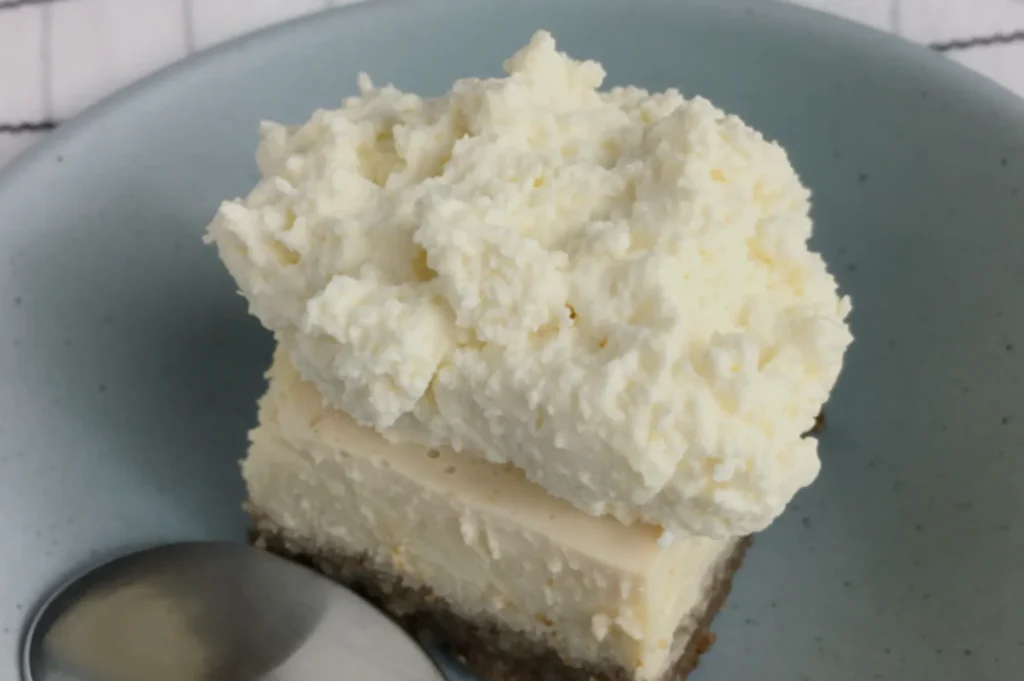
A well-made soybean cheesecake uses a limited number of ingredients: soybean paste, cream cheese, milk, eggs, sugar, and sometimes a small amount of flour or cornstarch as stabilizer. The recipe should not require heavy additives to maintain structure.
The quality of the soybean matters significantly. Premium beans produce a smoother paste with no graininess. This directly affects the final mouthfeel and whether the cake feels refined or coarse on the palate.
Some versions incorporate basq techniques, creating a lightly caramelized top while maintaining a creamy interior. This approach adds complexity without compromising the delicate nature of the soybean flavor.
When Soybean Cheesecake Satisfies Better Than Traditional Options
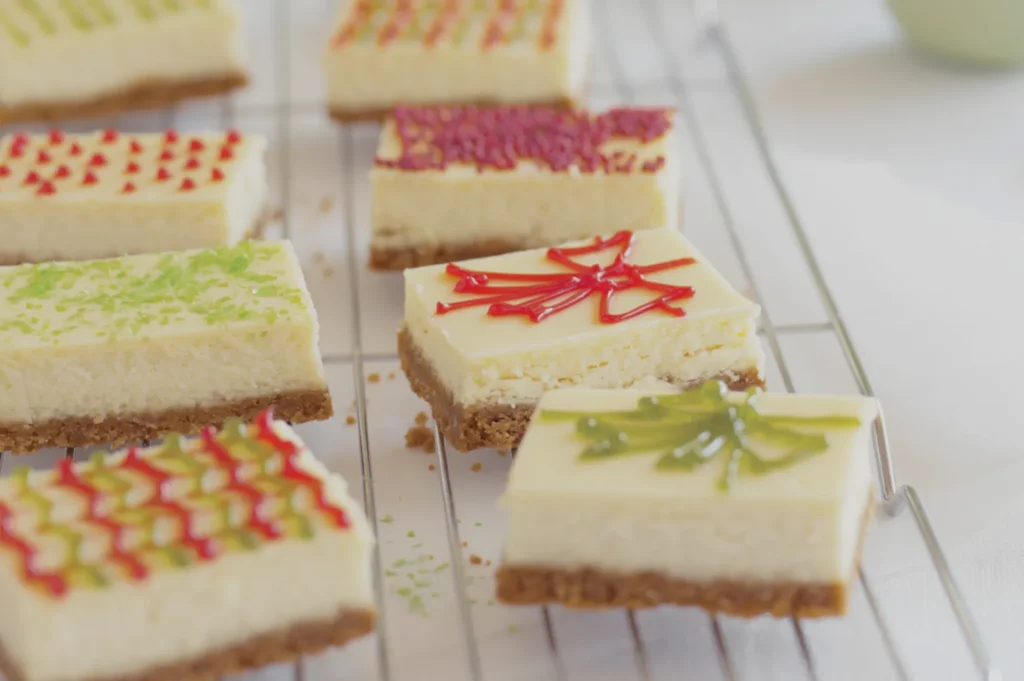
Soybean cheesecake works well when you want a lighter alternative to traditional cheesecake. The palate weight is lower, making it suitable for guests who find heavy cream cheese varieties overwhelming. It also appeals to those seeking a different structural approach to dessert.
For special occasions where multiple desserts are served, soybean cheesecake provides balance. Its cleaner finish allows guests to enjoy subsequent courses without palate fatigue. The richness is present but restrained.
The texture distinguishes it from other cheesecakes. While traditional versions rely on cream cheese for density, soybean introduces a unique mouthfeel that is smooth yet slightly grain-free when properly made. This textural consistency is a hallmark of quality and reflects our commitment to redefining cheesecake standards in Singapore.
Comparing Consumption Windows Across Multiple Locations and Cheesecake Styles
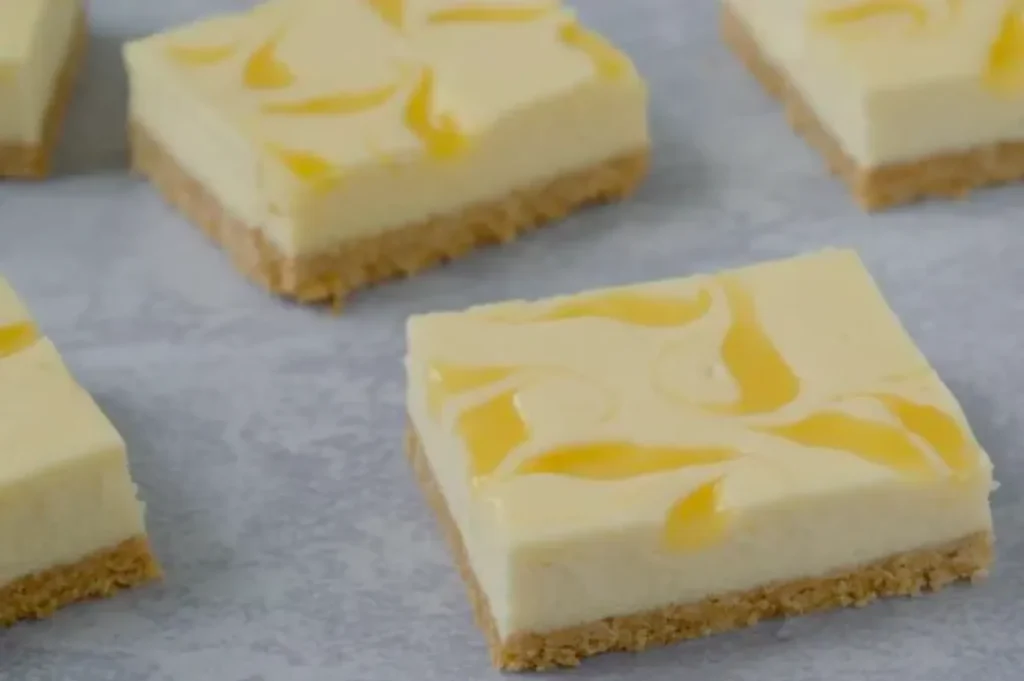
Different cheesecake styles have different optimal consumption periods. Traditional New York cheesecake improves after 2 to 3 days as flavors meld. Basque burnt cheesecake is best consumed within 24 to 48 hours while the interior remains creamy.
Soybean cheesecake falls between these two, with optimal quality at 24 to 36 hours post-baking. This window allows the bean flavor to integrate without the cake losing its composed texture.
Cheesecake Style | Optimal Consumption Window | Key Texture Characteristic |
|---|---|---|
New York | 2–3 days after baking | Dense, firm |
Basque burnt | 24–48 hours after baking | Creamy center, burnt top |
Soybean | 24–36 hours after baking | Smooth, light, balanced |
The note about timing becomes critical when ordering for events. Communicate your consumption date to the bakery so they can schedule baking appropriately.
Making the Right Purchase Decision for Your Special Occasions
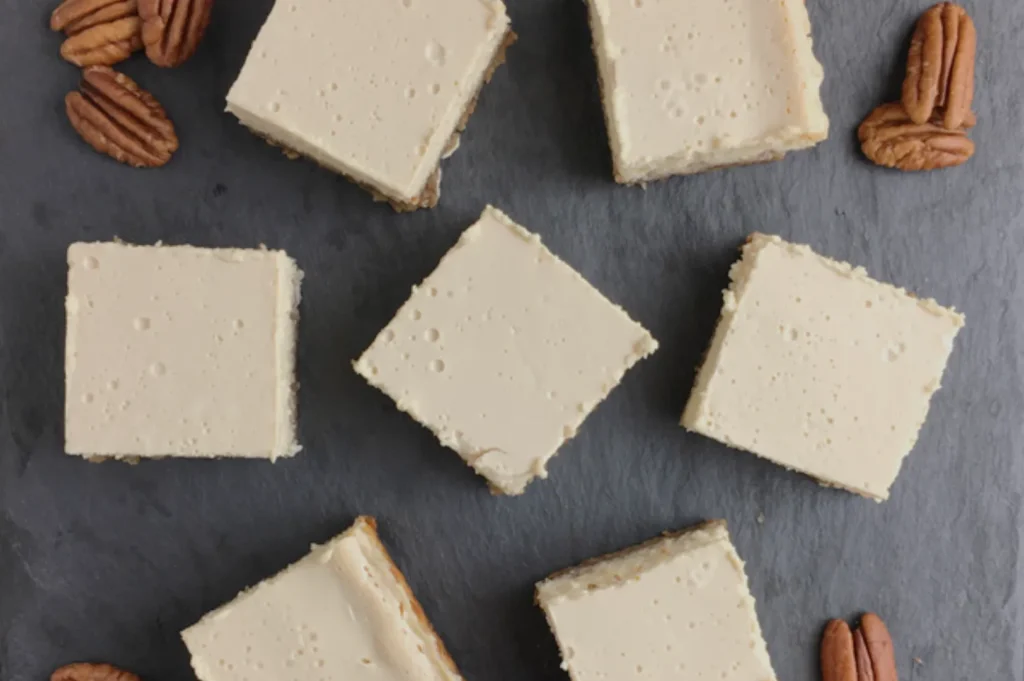
The decision of when to buy soybean cheesecake comes down to aligning purchase timing with your consumption schedule and storage capabilities. In Singapore, where multiple locations offer delivery, coordination is easier than in the past.
For the best cheesecake experience, purchase 24 to 48 hours before you plan to serve it. This window ensures the cake is fully set, the flavors have integrated, and the texture remains smooth without becoming heavy.
When you find a bakery that understands the structural nuances of soybean cheesecake, the result is a refined dessert that stands apart from standard options. The key is recognizing that timing is part of the quality equation, not just the recipe or ingredients. This awareness helps you write your own indulgent story of enjoying the world of soybean cheesecake in Singapore, embracing the Daizu by Ki-setsu philosophy of subtlety, balance, and refinement.