A common observation in a tropical climate is how quickly certain foods change when left at room temperature. A crisp biscuit softens. A dry powder clumps together. These changes are a direct result of ambient moisture in the air. For a dairy-rich, high-fat dessert like a cheesecake, the effects of humidity are even more pronounced, impacting its texture, structural integrity, and shelf life.
Understanding how to manage these effects is essential for anyone purchasing or serving cheesecake in Singapore. The persistently high humidity presents a unique set of challenges that can degrade the quality of even the most well-structured cake if not handled correctly.
The Science of Humidity and Its Effect on Food Texture
Humidity is the measure of water vapor present in the air. In Singapore, the relative humidity is consistently high, often averaging over 80%. This means the air is saturated with moisture. Foods, particularly those that are hygroscopic, will naturally try to reach an equilibrium with their environment by absorbing this moisture.
Cheesecake is particularly susceptible to this process. Its primary ingredients, cream cheese and sugar, both attract water. Sugar is highly hygroscopic, which is why it can become sticky and clump in a humid environment. The dairy components also have a high water content. When a chilled cheesecake is exposed to warm, humid air, condensation immediately begins to form on its surface.
This condensation is more than just a layer of water. It is the first step in a process that can alter the cake’s composed texture. The moisture begins to dissolve the sugars on the surface, leading to a sticky or tacky feel. This initial change is a clear indicator that the cheesecake’s quality is being compromised by its environment.
How Moisture Compromises the Structural Integrity of a Cheesecake
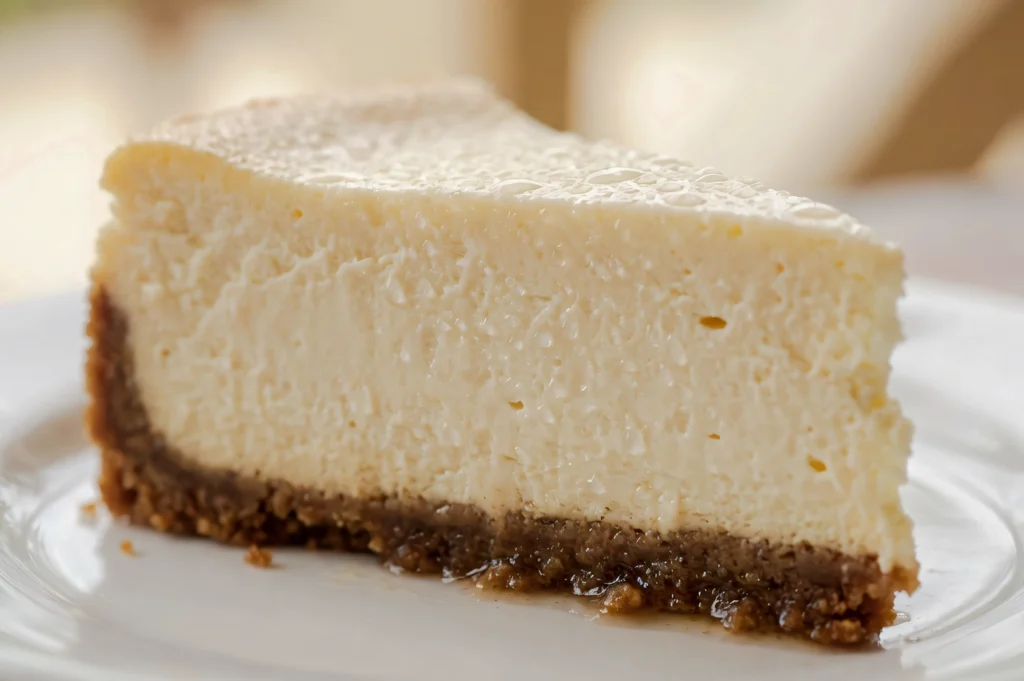
The structure of a cheesecake is a delicate balance of fat, protein, and sugar. Each style, from the dense New York cheesecake to the airy Japanese soufflé cheesecake, has a specific density profile and textural consistency that defines it. Humidity poses a direct threat to this structure.
The Impact on Baked Cheesecakes
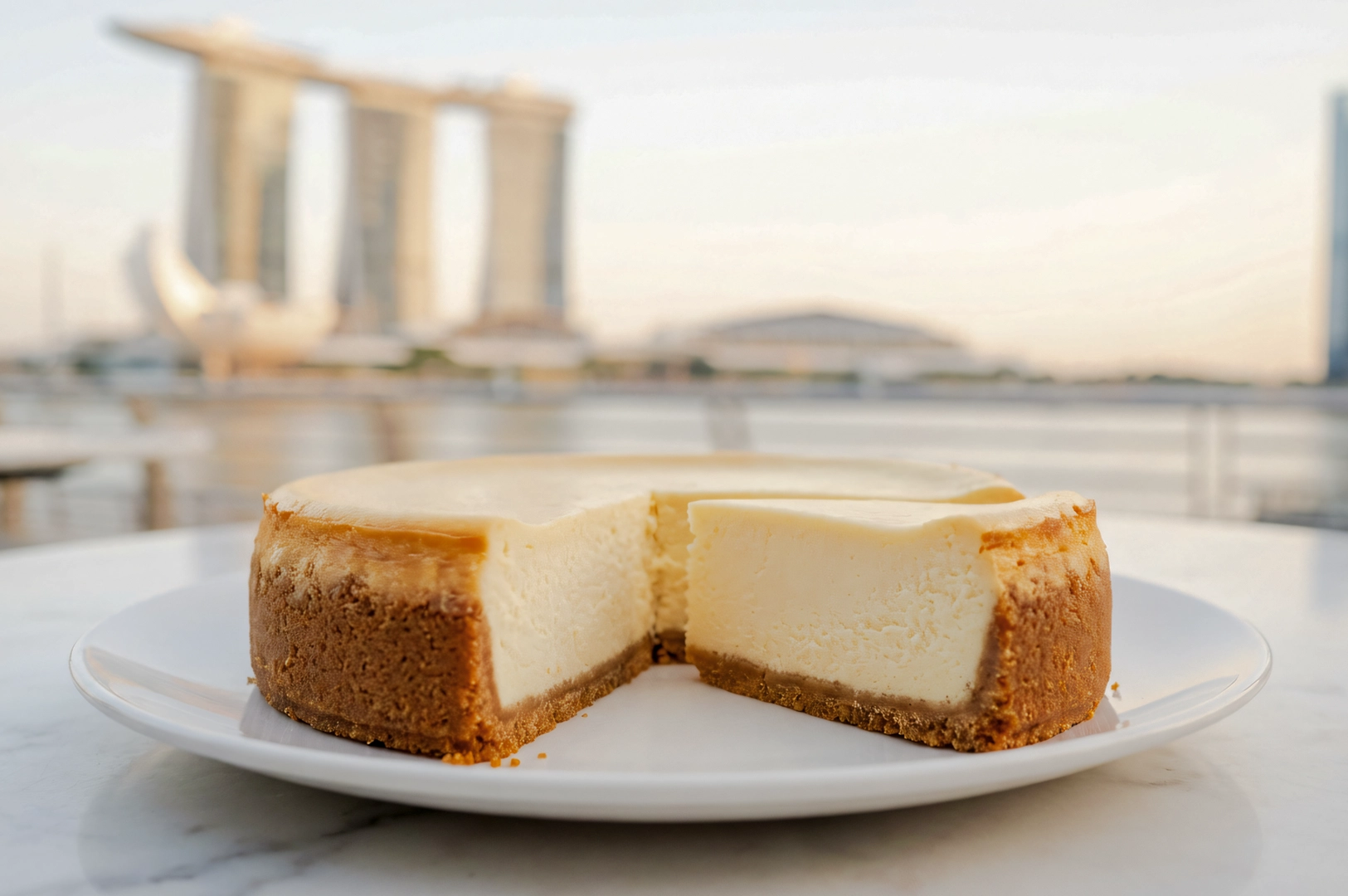
For baked cheesecakes, including the New York style and Basque cheesecake, the structure is set during the baking and cooling process. The proteins in the eggs and cheese coagulate, creating a stable, sliceable form. When condensation forms on the surface, it can begin to soften the top layer, compromising the textural contrast that is often a key feature.
In a Basque cheesecake, for example, the signature dark, caramelized top is meant to have a certain firmness. Excessive moisture will make this layer soft and sticky, diminishing its intended bitter-toasty notes and firm mouthfeel. A classic New York cheesecake, prized for its smooth, uniform surface, can develop a gummy texture when exposed to humidity for too long.
The Vulnerability of No-Bake Cheesecakes
No-bake cheesecakes are even more vulnerable. Their structure is not set by heat but by chilling the fats (like cream cheese and butter) and using a setting agent like gelatin. These cakes have a higher moisture content to begin with and a much softer set.
When brought into a humid environment, they absorb atmospheric moisture very quickly. This can cause the cake to “weep” or release liquid, becoming overly soft and losing its shape. The base, often made of crushed biscuits, is also at risk. The biscuit crumbs will absorb moisture from both the air and the filling, losing their crunch and turning soggy. The desired contrast between a firm base and a creamy filling is lost.
Proper Storage: The Critical Steps to Preserve Cheesecake Quality
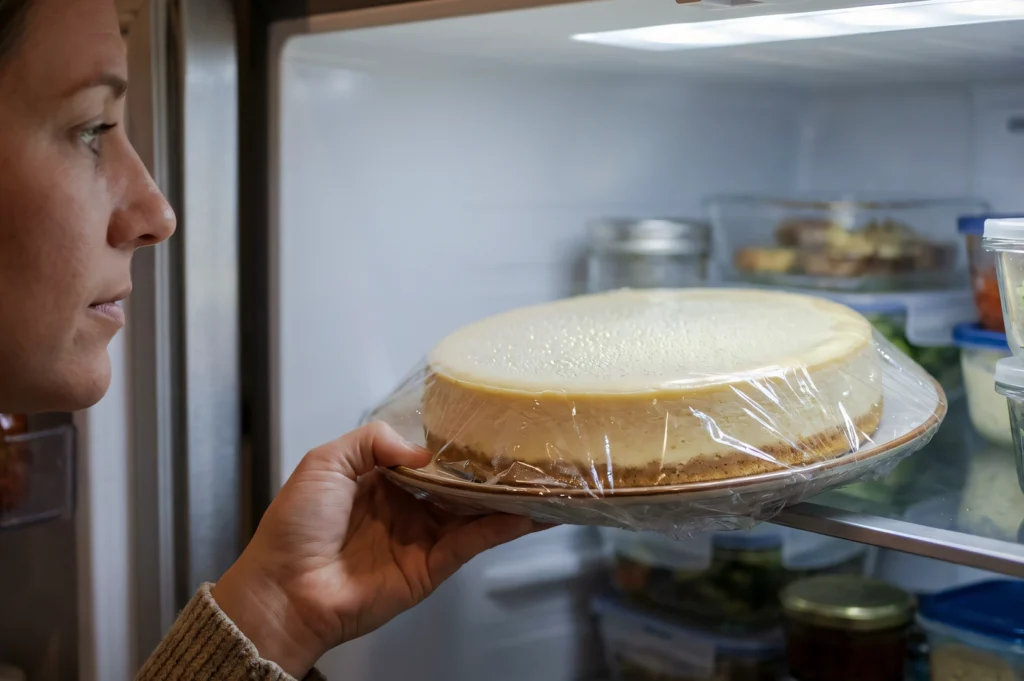
Given the challenges of the climate, proper storage is not just a recommendation. It is a requirement for maintaining cheesecake quality. The core principle is to protect the cake from temperature fluctuations and direct contact with humid air.
The Role of the Refrigerator
The refrigerator is the most important tool for storing cheesecake. The cold, dry air inside a refrigerator slows down microbial growth and, crucially, minimizes the impact of external humidity. A cheesecake should be stored in the refrigerator until the moment it is ready to be served.
It is a common mistake to leave a cheesecake out on the counter before a meal. Even 30 minutes in a warm, humid room is enough to cause condensation and begin the process of textural degradation. The ideal serving temperature for most cheesecakes is chilled, directly from the refrigerator. This ensures the fats are firm, the structure is stable, and the mouthfeel is as intended.
Using an Airtight Container
Simply placing a cheesecake in the refrigerator is not enough. The cake must be shielded from the circulating air inside the fridge, which can dry it out, and from absorbing other food odors. An airtight container is the best solution.
If an airtight container is not available, the cake box it came in can suffice for short-term storage, provided it is wrapped securely with plastic wrap. The goal is to create a barrier between the cheesecake and the air. This prevents both moisture loss and moisture gain, stabilizing the cake’s internal environment.
How to Handle a Cheesecake After Purchase
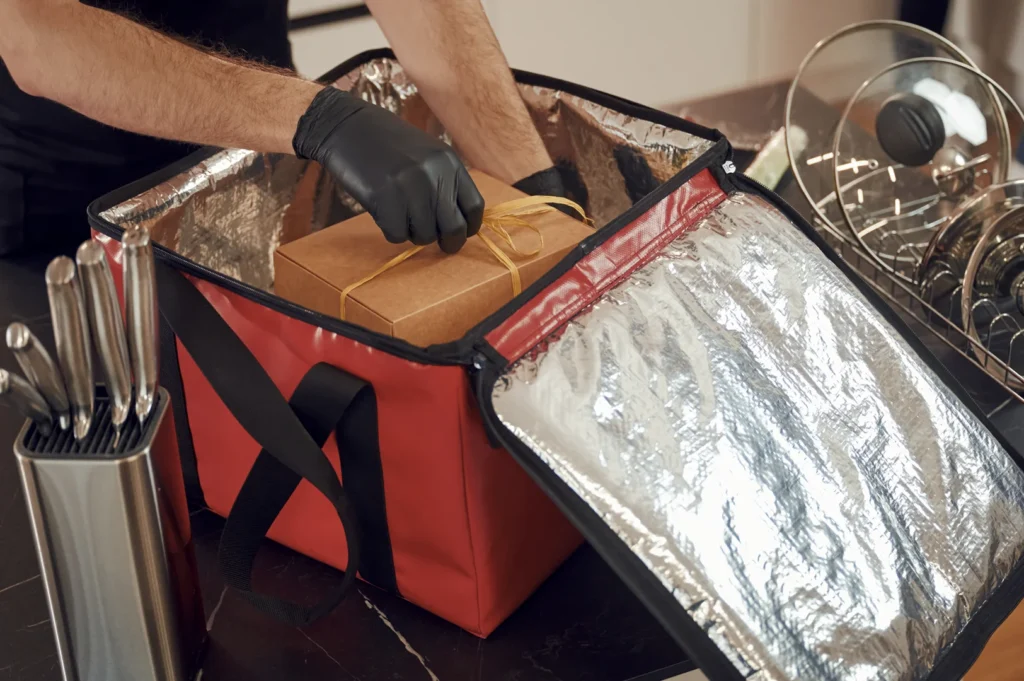
The journey from the bakery to the home refrigerator is a critical window where a cheesecake is most vulnerable. A few simple precautions can make a significant difference.
- Minimize Transit Time: Plan your purchase so that you can transport the cheesecake home and place it in the refrigerator as quickly as possible. Avoid leaving it in a warm car or carrying it around for an extended period.
- Use an Insulated Bag: For longer journeys, an insulated bag with an ice pack is highly recommended. This helps maintain a cool temperature and protects the cheesecake from the ambient heat and humidity outside.
- Immediate Refrigeration: Upon arriving home, the cheesecake should be placed in the refrigerator immediately. Do not leave it on the kitchen counter. If it is in a cardboard box, consider transferring it to an airtight container for better protection.
By following these steps, you can ensure that the cheesecake you serve has the same structural integrity and textural consistency as it did when it was first made. This is especially important for anyone who has invested in a high-quality cheesecake in Singapore.
Freezing Cheesecake: A Long-Term Storage Solution
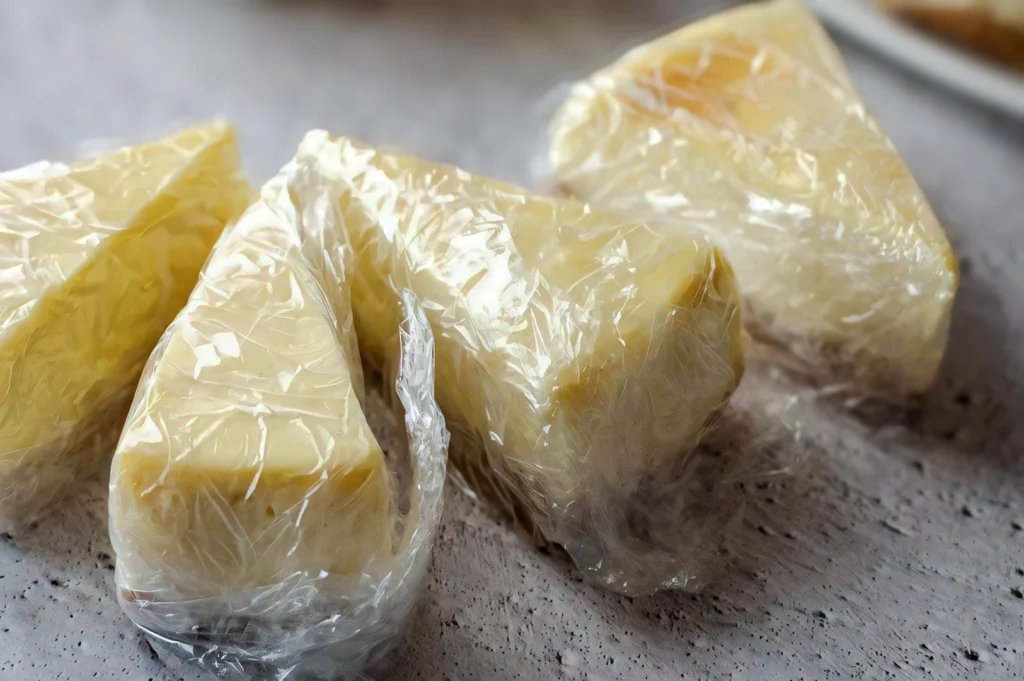
For those who do not plan to consume the entire cheesecake within a few days, freezing offers an excellent long-term storage option. If done correctly, freezing can preserve the quality of the cake for several weeks.
How to Freeze Cheesecake Properly
The key to successful freezing is to protect the cheesecake from freezer burn, which occurs when moisture is lost and ice crystals form on the surface.
First, chill the cheesecake thoroughly in the refrigerator. Then, wrap the entire cake, or individual slices, tightly in several layers of plastic wrap. Follow this with a layer of aluminum foil for added protection. Place the wrapped cheesecake in an airtight freezer bag or container.
Thawing for Optimal Texture
Proper thawing is just as important as proper freezing. The best method is to transfer the frozen cheesecake to the refrigerator and let it thaw slowly overnight. Thawing it on the counter at room temperature will cause too much condensation and result in a soggy surface and compromised texture. A slow thaw in the refrigerator allows the cheesecake to return to its ideal chilled state without drastic temperature changes.
The density profile of a cheesecake also influences how it responds to humidity. Heavier cheesecakes, with a high content of cream cheese and heavy cream, can feel particularly rich and cloying in a warm climate. Their significant palate weight can be overwhelming for some.
For this reason, a lighter cheesecake can be a suitable alternative. A Daizu by Ki-setsu cheesecake, for instance, is formulated with a Japanese soy base. This creates a different structural approach, resulting in a cake with a lighter body and a cleaner finish on the palate.
While still requiring the same careful storage and handling, its reduced density profile offers a refreshing character that is well-suited to the local climate. It provides the satisfaction of a cheesecake experience without the associated heaviness. Ultimately, the best cheesecake in Singapore is one that is not only well-made but also properly stored to preserve its intended quality.