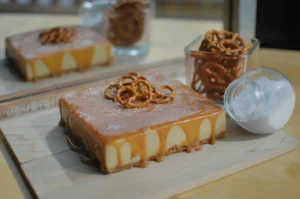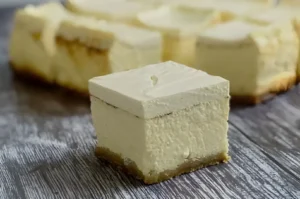
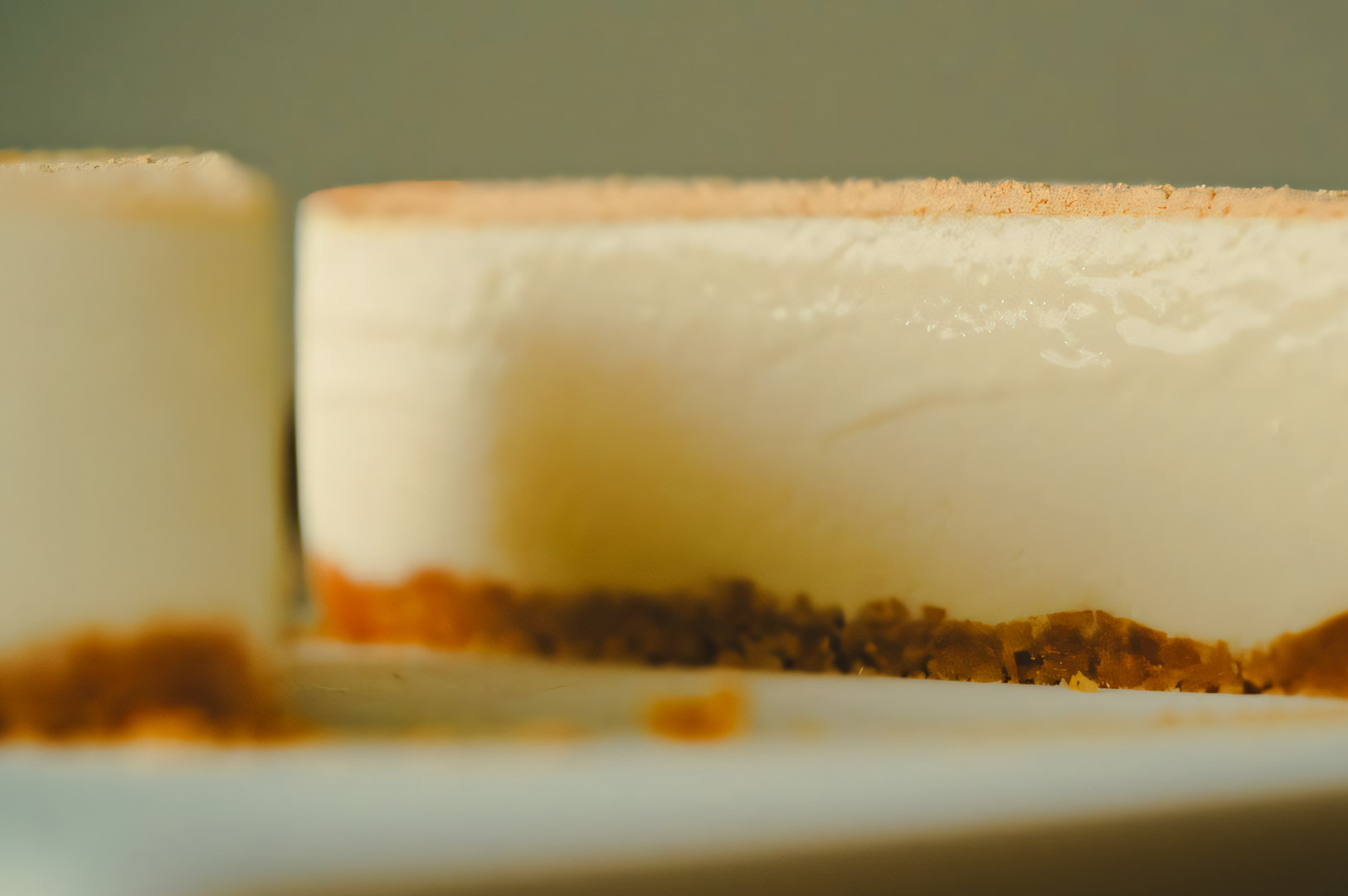
The modern palate is increasingly gravitating toward a philosophy of restraint. In the realm of patisserie, this shift is most evident in the evolution of the cheesecake. While traditional iterations rely on significant dairy fats to achieve satisfaction, the emergence of the soy based cheesecake represents a move toward technical refinement.
A well-executed dessert should function as the thoughtful completion of a meal rather than a caloric burden. By substituting or augmenting heavy dairy with soy derivatives and vegan butter, a baker can manipulate the density profile of the cake. This results in a well-structured dessert that prioritizes lightness as refinement.
At Daizu by Ki-Setsu, the use of soy is a deliberate choice for textural consistency. This article examines the technical reasons why soy-based alternatives offer a superior finish on the palate compared to their traditional counterparts, positioning them as a refined option within the field of Asian dessert innovations.
Analyzing the Traditional Cream Cheese Foundation
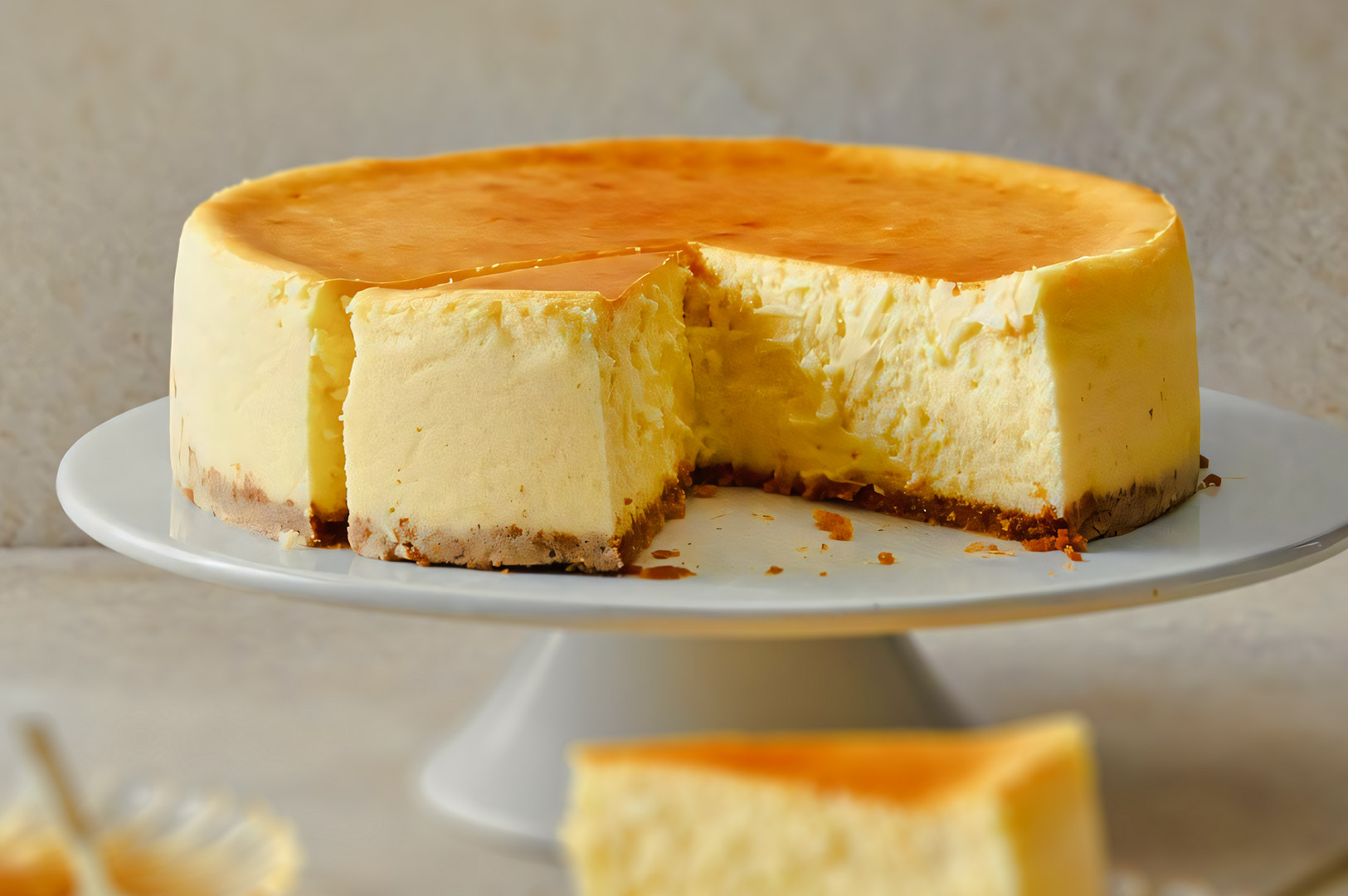
The traditional cheesecake typically relies on a high concentration of cream cheese, heavy cream, egg yolks, and sour cream. This combination creates a dense cheesecake with a high percentage of saturated fat. While this provides a specific type of richness, it often leads to a heavy palate weight that can overwhelm the senses.
In a York cheesecake or a classic New York cheesecake, the goal is maximum solidity. These cakes are often baked at a specific oven temperature on an oven rack to ensure the cheesecake filling sets into a firm, nearly monolithic block. The mouthfeel is characterized by a coating of fat that lingers long after the final bite.
The Role of Acid and Flavorings
To balance this inherent heaviness, a standard cheesecake recipe often introduces lemon juice, lemon zest, or vanilla extract. These elements provide a necessary acidic lift. However, in a dairy-heavy environment, these flavors must be aggressive to cut through the trans fat and saturated fat of the cream cheese mixture. More lemon juice can be added to enhance this balance further.
The Evolution of the Japanese Cheesecake
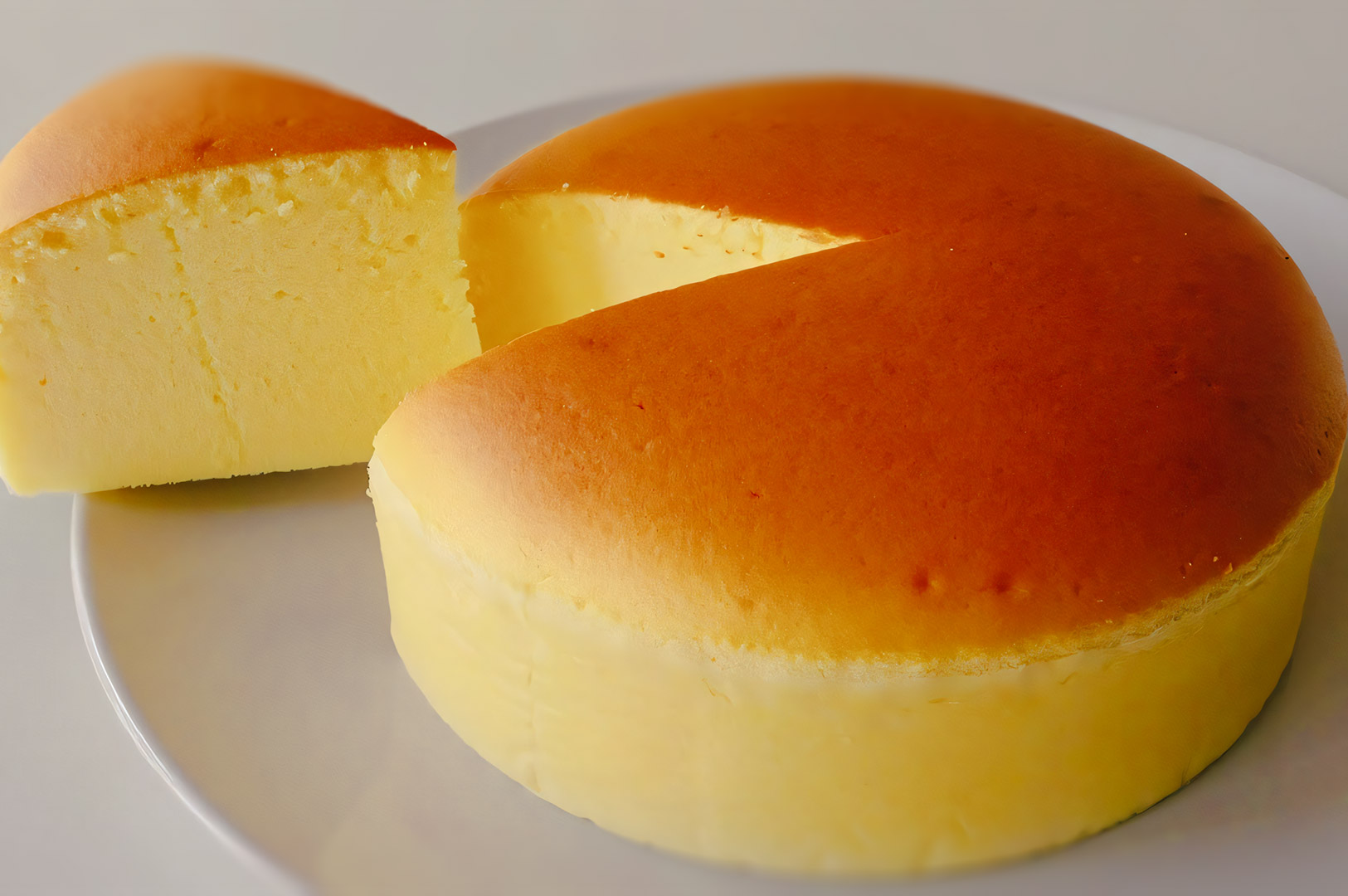
The Japanese approach to desserts has long favored a lighter interpretation. This is best exemplified by the Japanese cheesecake, which branches into two primary categories: the soufflé style and the soy-integrated style.
Structural Integrity of the Japanese Soufflé Cheesecake
The Japanese soufflé cheesecake, often referred to as Japanese cotton cheesecake or Japanese soufflé cheesecake, utilizes whipped egg whites to create a jiggly cheesecake texture. By folding a meringue into the base, the baker introduces air as a structural component. This creates a light and fluffy mouthfeel that is significantly less burdensome than its Western relatives.
The Soy Based Cheesecake as a Refined Alternative
While the soufflé style focuses on air, a soy-based cheesecake focuses on protein structure. Utilizing silken tofu or soy milk allows for a composed texture that remains creamy without the excessive use of full fat coconut milk or heavy dairy.
In this model, soy acts as a structural softener. It provides the necessary body to hold the shape in a prepared cake pan while ensuring the finish on the palate remains clean and crisp.
Comparative Textures: From Basque to Vegan
Understanding the cheesecake landscape requires an objective look at various methodologies. Each style uses a different mechanism to achieve its final state.
Basque Burnt Cheesecake: Uses high heat to caramelize the exterior while maintaining a molten center. It is a study in thermal contrast but remains high in dairy density.
No-Bake Cheesecake: Often relies on gelatin or coconut oil to set. This results in a texture that can sometimes feel more like a mousse than a traditional cake.
Vegan Cheesecake: A vegan cheesecake recipe often utilizes cashews, coconut cream, or vegan cream cheese. While these are gluten free and dairy-free, they can sometimes be as dense as regular versions due to the high fat content of coconut milk or melted coconut oil.
A soy based cheesecake sits between these worlds. It offers the creamy satisfaction of a baked cheesecake but with a significantly lower palate weight.
Technical Components of the Graham Cracker Crust
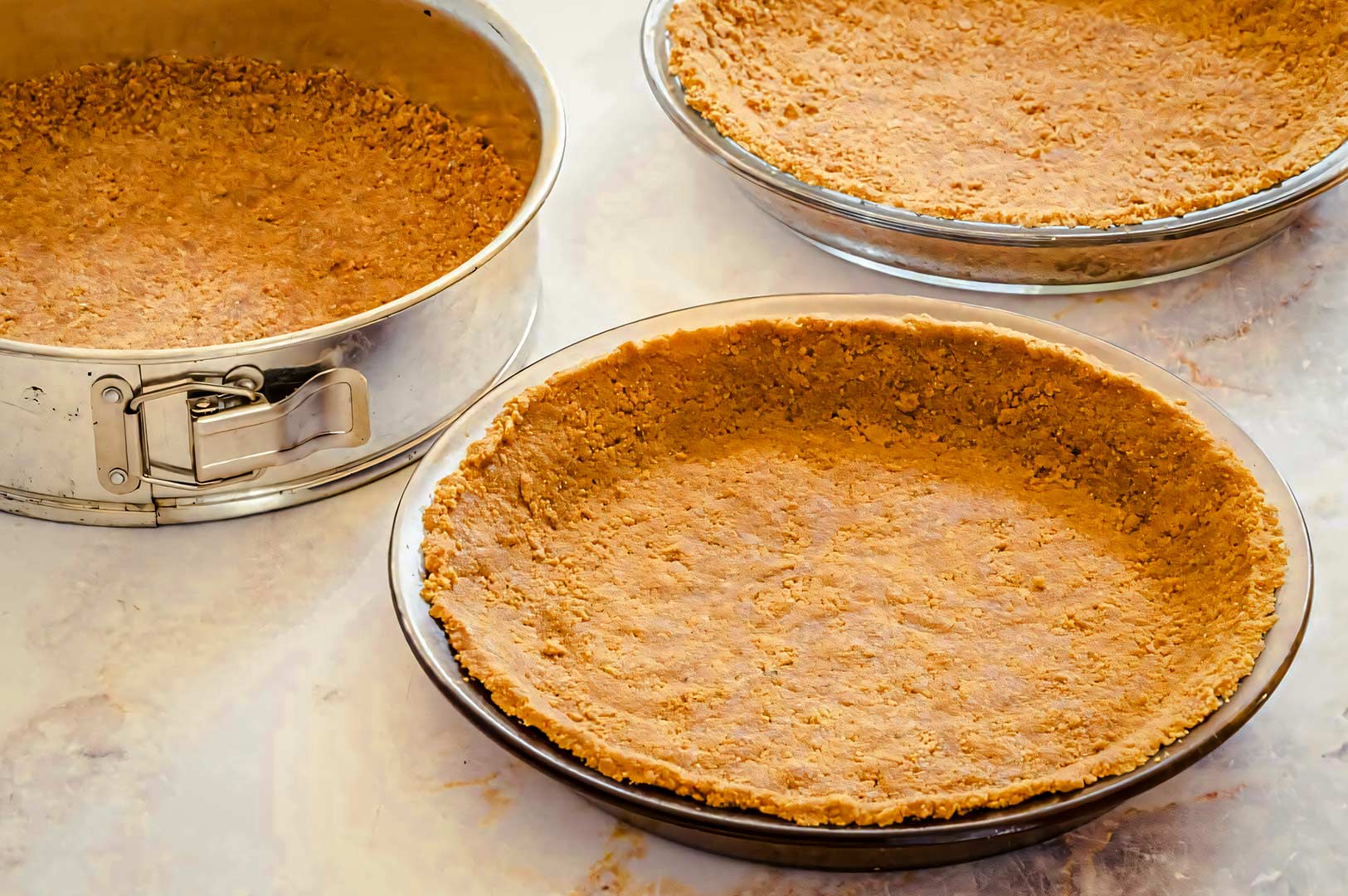
A cheesecake is not defined solely by its filling. The graham cracker crust provides a necessary textural counterpoint. Traditionally, graham cracker crumbs are combined with melted butter or vegan butter and regular granulated sugar or powdered sugar.
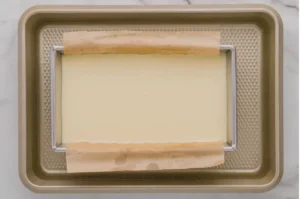
In more refined versions, the graham cracker base is pressed into a prepared pan lined with parchment paper or a pie plate. This ensures that the base stays crisp during the baking process. For those seeking a gluten free option, almond meal and arrowroot starch can be used to recreate the structural snap of a traditional crust without the use of wheat flour.
Refined Sweetening Agents
Rather than relying on granulated sugar, modern architects of dessert may use maple syrup, agave nectar, or coconut sugar. These alternatives offer a more nuanced sweetness that complements the subtle, nutty profile of the soy rather than masking it.
Recipe Tips for Textural Excellence
Achieving the perfect composed texture requires precision in the kitchen. Whether one is following a vegan cheesecake recipe or a dairy-soy hybrid, the following recipe tips are essential for a professional result.
Room Temperature Ingredients: Ensure the cream cheese and soy base are at room temperature before mixing in a large bowl or food processor. This prevents lumps in the cheesecake batter.
The Water Bath: Baking in a water bath (bain-marie) is critical. Placing the springform pan inside a roasting pan filled with hot water ensures an even oven temperature. This prevents the surface from cracking and maintains a smooth finish.
The Cooling Process: Once the bake is complete, turn off the heat and crack the oven door. Let the cheesecake sit inside for at least an hour. This gradual cooling prevents the structure from collapsing.
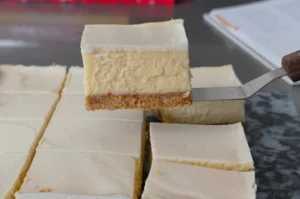
A Clean Cut: Use a butter knife dipped in hot water to slice the cake. This ensures each slice maintains its structural integrity when moved to a serving plate.
The Role of Fresh Berries and Fruit
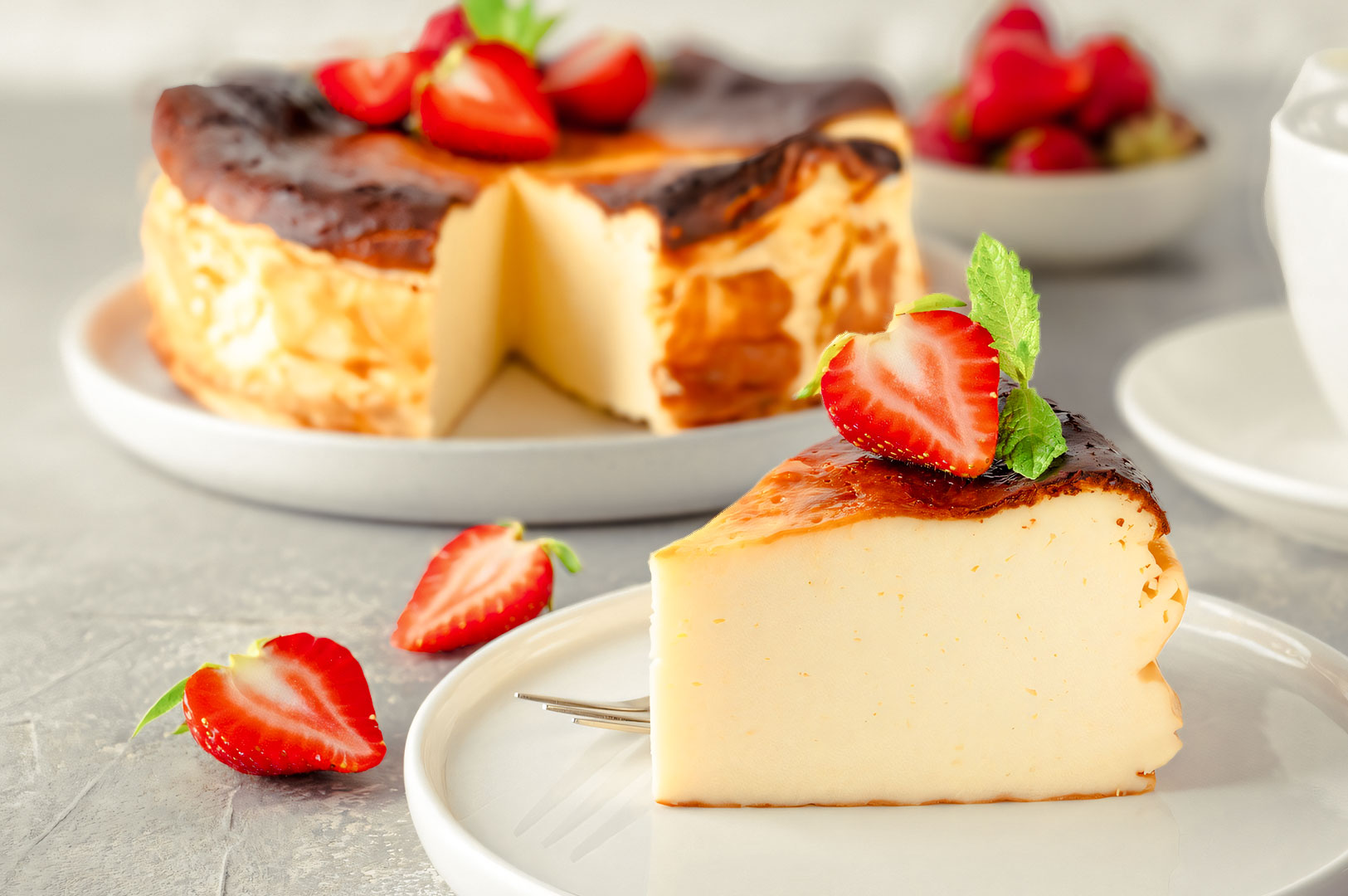
A lovely cheesecake is often finished with a selection of fresh fruit. Fresh berries, such as fresh strawberries or blueberries, provide a natural acidity that enhances the soy profile.
Unlike heavy glazes or syrups, fresh berries offer a vibrant contrast to the creamy filling. The goal is to provide a balanced finish that highlights the craftsmanship of the cake rather than distracting from it with excessive sugar.
Nutritional Intelligence: Saturated Fat and Trans Fat
From a nutritional standpoint, the shift toward soy is a considered choice. Regular cheesecake is high in saturated fat due to the volume of animal-derived dairy. By substituting a portion of this with soy, the trans fat and saturated fat content are naturally reduced.
This does not mean the cake is “diet food.” Rather, it is an intellectually honest approach to dessert. It allows the consumer to indulge in a rich experience without the physical lethargy that follows heavy dairy consumption. It is a dessert that respects the appetite.
Finishing Touches: Serving and Presentation
When the cake is ready to be presented, it should be moved carefully from the cake pan to a serving platter. The use of aluminum foil and plastic wrap during the setting process in the refrigerator is vital to prevent the cake from absorbing other aromas.
A yummy cheesecake is not just about the first bite; it is about the entire experience. From the visual appeal of the parchment paper removal to the final taste good moment on the palate, every step must be deliberate.
The Soy Philosophy at Daizu by Ki-Setsu
The creation of a soy based cheesecake is an act of craftsmanship. At Daizu by Ki-Setsu, we view the integration of soy not as a compromise, but as a superior structural choice. Our Japanese cheesecake iterations are designed for those who appreciate the nuance of flavor over the blunt force of sugar and fat.
We utilize soy as a structural softener to achieve a lighter interpretation of the classic dessert. By balancing high-quality cream cheese with the clean profile of soy, we ensure a well-structured cake with a smooth and composed texture.
We invite you to experience a dessert that prioritizes textural consistency and provides a truly balanced finish.