In the global culinary landscape, the concept of a dessert is often synonymous with high sugar concentrations and aggressive richness. However, a distinct philosophy exists within the realm of Asian desserts. In regions like Japan, the Philippines, and Singapore, the objective of a confection is not to overwhelm the senses but to provide a balanced finish.
This cultural preference for less sweet cakes and confections is rooted in a deep respect for the primary ingredients. When sugar is used with restraint, the subtle nuances of dairy, grain, and bean become the focal point.
At Daizu by Ki-setsu, we observe this discipline as a technical requirement rather than a mere health trend. It is an exploration of how a dessert can complete a meal without fatiguing the palate.
The Cultural Philosophy of Asian Desserts
The history of sweets in Asia is inextricably linked to the concept of the tea ceremony and natural bounty. Unlike Western traditions that historically used sugar as a preservative and a sign of status, Eastern palettes developed around the natural sweetness of rice, tubers, and legumes.
In the modern context, the highest compliment an observer can pay to a slice of cake in an Asian city is that it is not too sweet. This signifies that the art of the baker has succeeded in achieving equilibrium. The goal is a taste that is delicious because of its complexity, not its glucose content.
Structural Restraint in Japanese Confectionery
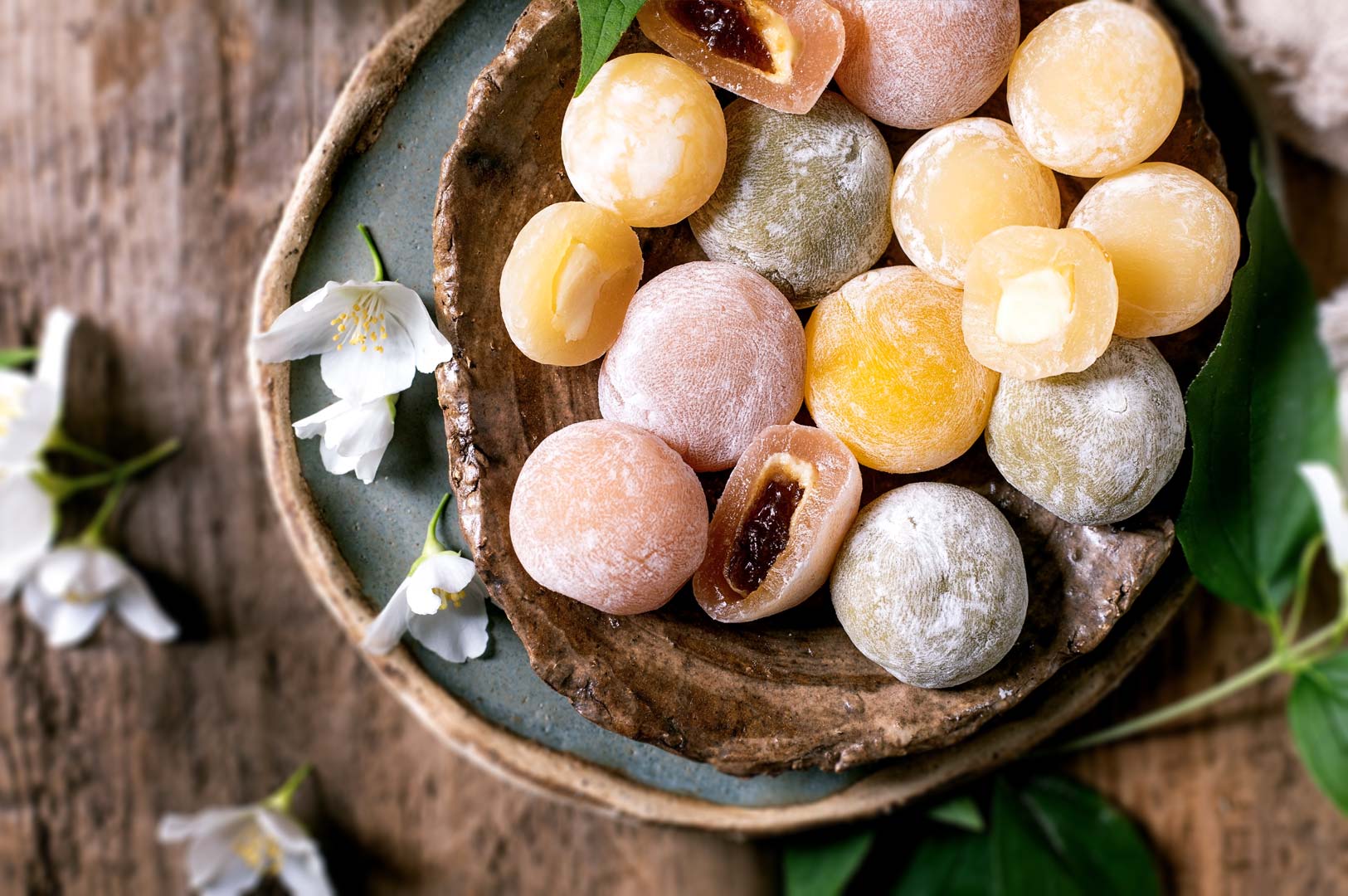
Japan has refined the art of the light dessert through decades of technical iteration. The focus is on texture and mouthfeel. Whether it is a soft mochi or a fluffy soufflé, the structural integrity relies on precise ratios of eggs and flour rather than the stabilizing properties of heavy syrups.
The Singaporean Context and Regional Influence
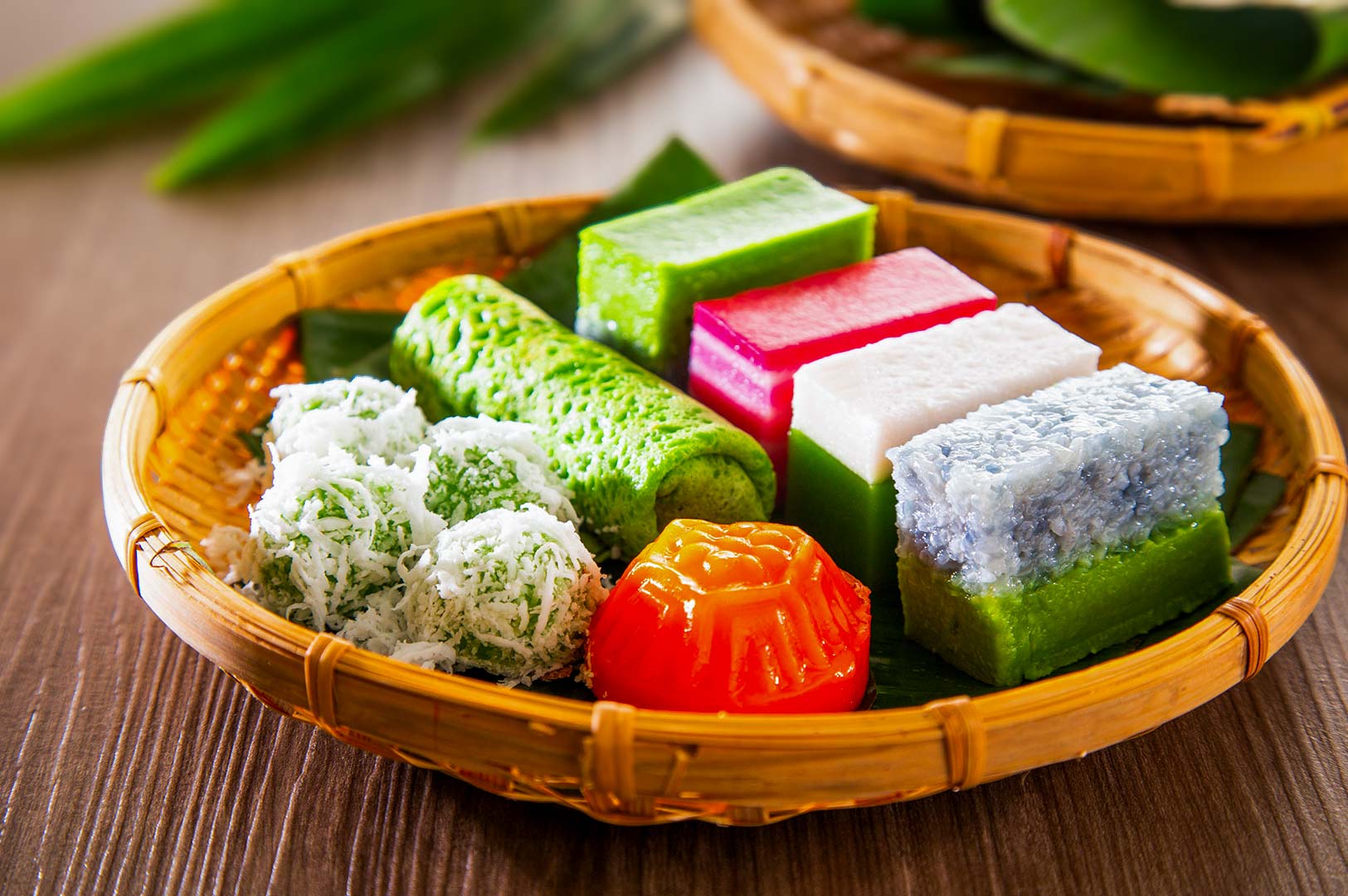
In Singapore, the intersection of various cultures has created a unique collection of flavors. From the coconut-rich desserts of the region to the modern cheesecakes found in metropolitan store displays, the emphasis remains on a savory and sweet combination. This is a version of patisserie that prioritizes the palate weight of the dish.
The Technical Role of Cream Cheese and Dairy
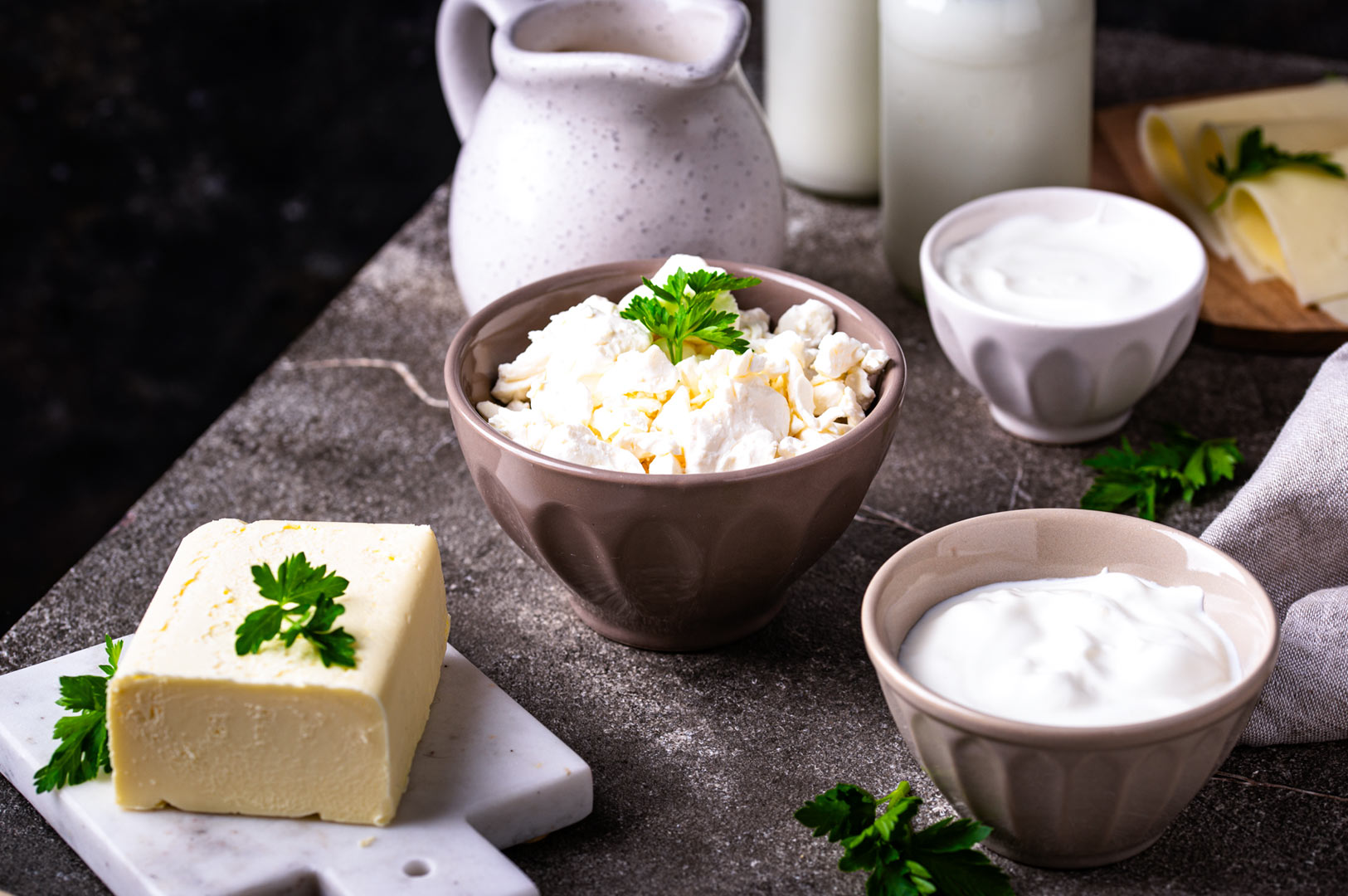
When constructing a cheesecake, the choice of dairy dictates the entire density profile. Many classic Western recipes call for a heavy volume of cream cheese paired with significant amounts of butter and sugar. This creates a rich and dense filling that often requires a thick crust to provide structural support.
In contrast, the Asian desserts methodology often seeks to aerate or soften these heavy fats. By integrating alternative proteins, the creamy texture is maintained while the heavy finish on the palate is mitigated.
Evaluating Sour Cream and Acidic Balance
A common technique in the baked cheesecake world is the addition of sour cream. This ingredient introduces a lactic acidity that cuts through the fat of the cream cheese.
Technically, this acidity acts as a sign of quality. It provides a tinge of sharpness that makes the sweetness feel more deliberate. When a recipe balances sour cream with high-quality cream, the result is a well-structured cake that does not rely on sugar for its identity.
Whipped Cream as a Textural Softener
The use of whipped cream in Asian patisserie differs from its use as a mere topping. It is often folded into the filling to create a smooth and fluffy consistency. This creates a creamy experience that is cool and light, allowing the cake to be served chilled for maximum refreshing effect.
Less Sweet Cakes as a Structural Choice
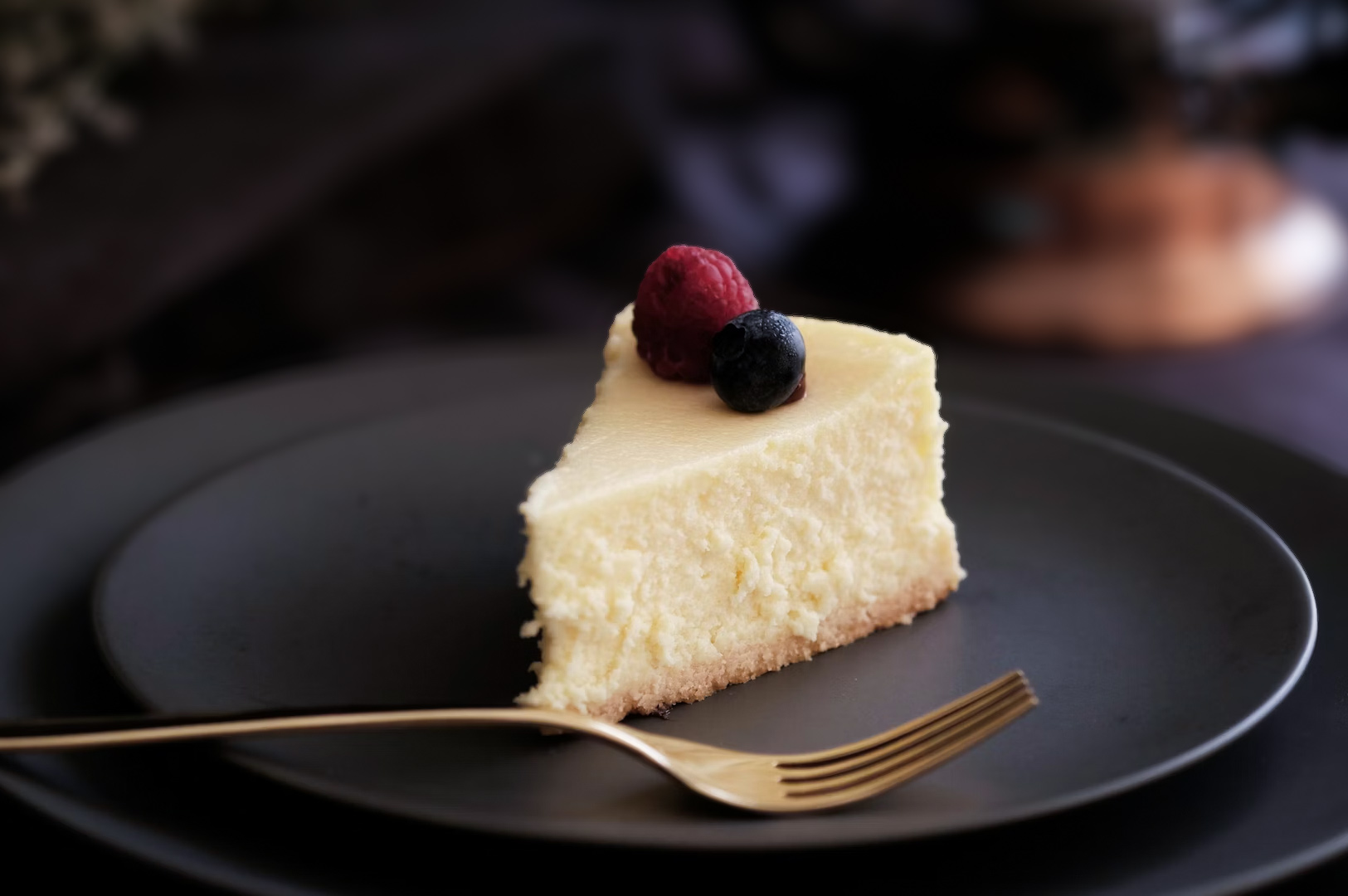
It is a common misconception that reducing sugar only affects the flavor. In baking, sugar is a liquefier. It affects how the eggs coagulate and how the flour hydrates. Therefore, creating less sweet cakes requires a high level of cooking precision.
Without a handful of sugar to mask flaws, the texture of the cake must be perfect. The edge of the cake must be clean. The soft interior must be consistent. This is why many bakeries in the world struggle to lower sugar levels without compromising the structural integrity of their pastries.
The Integration of Soy and Tofu
At Daizu by Ki-setsu, we utilize soy as a structural softener. This is a refined alternative to the high-fat content of heavy cream-based cheesecakes. The soy provides a composed texture that is naturally savory and rich without being cloying.
This approach aligns with the Asian desserts philosophy of lightness as refinement. It allows us to create a dessert that respects the appetite, serving as a sophisticated completion of a meal.
Read: Did Daizu by Ki-Setsu Quietly Release the Best Cheesecake in Singapore?
Analyzing the Cheesecake Landscape
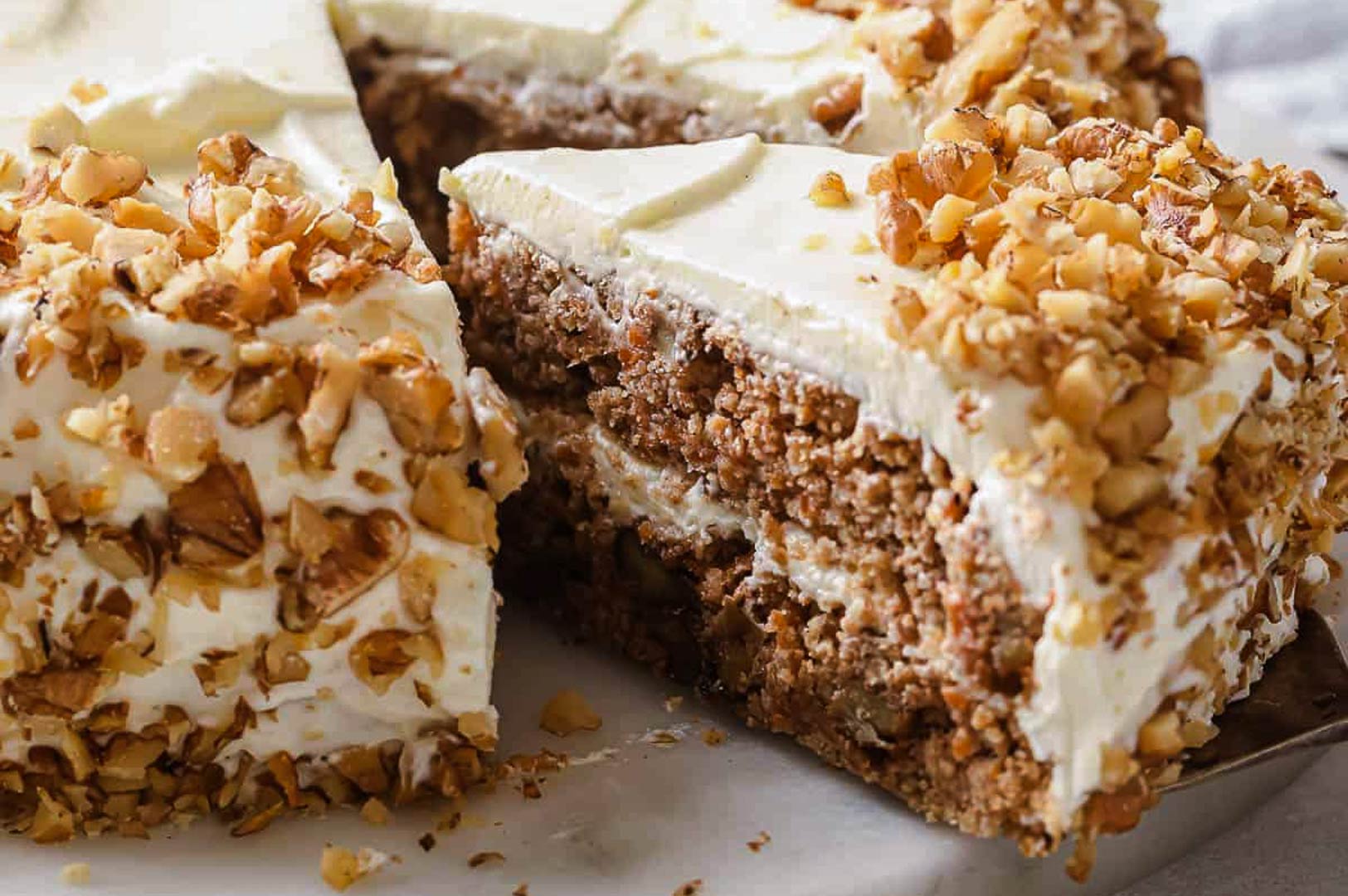
As the global health consciousness rises, the demand for sugar free or reduced-sugar options has increased. For diabetics or those monitoring their intake, the challenge is finding a dessert that does not compromise on joy.
True sugar free baking is a complex art. It requires substituting the bulk and moisture that sugar usually provides. In many cases, nuts or alternative fibers are added to a bowl to recreate the missing texture.
However, the Asian desserts approach often focuses on “low sugar” rather than entirely free of it. By using a note of natural sweetness from the ingredients themselves, a balanced profile is achieved. This ensures the cake remains delicious for special occasions like birthdays and celebrations without causing a glucose spike.
The Role of Salt and Contrast
A handful of salt is often more effective at enhancing flavor than an extra bowl of sugar. In savory-leaning desserts, salt bridges the gap between the dairy and the crust. It creates a finish that is sophisticated and rich, making the consumer amazed at the depth of flavor.
Serving and Storage Standards
A refined cheesecake should be served chilled. This temperature control ensures the creamy texture is at its peak. When chilled, the fats in the cream cheese and butter are firm enough to provide a clean cut with a knife, yet soft enough to melt on the tongue.
How to Store Your Cake
To maintain the structural integrity, one should store the cake in a cool environment, ideally covered to prevent the absorption of other flavors.
Keep the cake in its original box or a sealed container.
Maintain a consistent temperature in the refrigerator.
Avoid placing it near strong-smelling food items.
Remove it from the fridge ten minutes before serving to let the texture soften slightly.
Craftsmanship and Completion
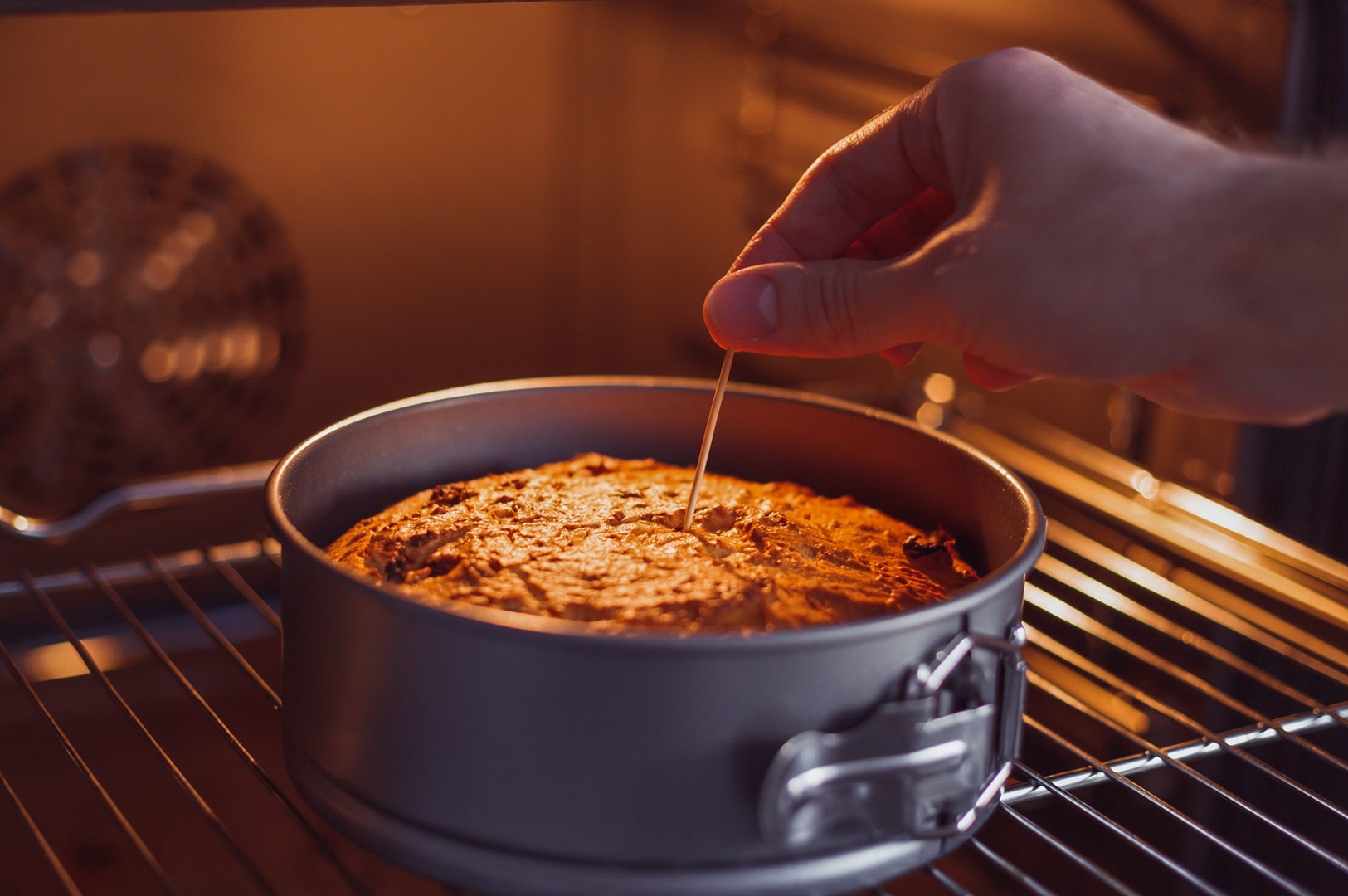
The act of creating a dessert is a sign of hospitality. Whether it is for friends or a solitary moment of reflection, the dessert should be an art form. It is not about the chocolate chips or the topped decorations. It is about the smooth consistency of the filling and the balanced finish of the bake.
A well-crafted cheesecake does not need to shout. Its quality is evident in the consistency of the crumb and the richness of the dairy. It is a joy to consume precisely because it does not demand too much from the diner.
A Note on Modern Variations
While some might prefer the addition of chocolate chips or cookies into their cakes, these often distract from the base. In a refined setting, if one must add an element of contrast, it should be something that complements the rich profile, such as seasonal berries or a tinge of citrus.
The Future of Refined Patisserie
The shift toward less sweet cakes is not a passing trend. It is a return to a more disciplined form of cooking. As consumers become more informed and texturally intelligent, the demand for refined alternatives will only grow.
At Daizu by Ki-setsu, we believe that a cheesecake should be a composed experience. By utilizing soy as a structural softener, we offer a lighter interpretation of the classic bake. Our goal is to provide a dessert that honors the ingredients and respects the appetite of our guests.
We do not seek to be the loudest bakery in Singapore. We aim to be a considered choice for those who value textural consistency and a balanced finish. Whether you are celebrating birthdays or simply enjoying a quiet hour with tea, our collection is crafted to provide a moment of refined indulgence. We hope that through our work, you discover that a cake can be both rich and light, a true sign of culinary art.