A common misconception in pastry production is that increasing the volume of fat or sugar inherently adds value to the experience. Many consumers have been conditioned to believe that a dessert is only successful if it is overwhelmingly rich. In professional dessert analysis, however, excess is viewed as a technical failure. When a cheesecake is pushed beyond its ideal saturation point, the individual notes of the ingredients are lost to a singular, cloying sensation.
True satisfaction in a dessert comes from managing palate weight. A well-structured cake, like a perfectly balanced low-calorie cheesecake, should satisfy the appetite without exhausting the senses. This requires a disciplined approach to the recipe. The maker must decide exactly where the flavor should peak and where the texture should provide relief. Achieving this balance is a matter of knowing when to stop adding and when to start refining.
How Sweetness and Richness Influence Palate Weight
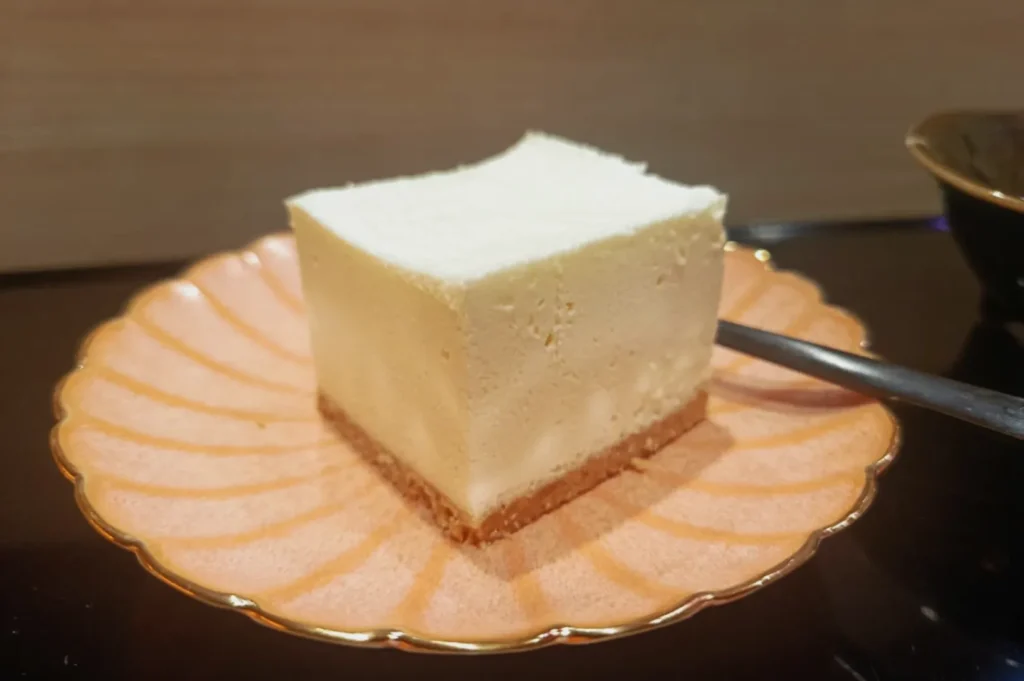
Palate weight is the physical sensation of a substance on the tongue. It is determined by the density profile and the fat content of the batter. In many traditional cheesecake styles, the palate weight is high because the recipe relies on heavy dairy fats to achieve structural integrity. This leads to a coating sensation that lingers long after the bite is swallowed.
Sweetness acts as a catalyst for this weight. If sugar levels are too high, they bond with the fats to create a viscous mouthfeel. This prevents the taster from perceiving anything other than the primary sweet note. A disciplined maker uses sweetness to highlight the natural tang of the cheese, not to overwhelm it. By reducing the reliance on sugar, the finish on the palate becomes cleaner and more purposeful.
The Role of Density in Creating a Composed Texture
The density of a cheesecake dictates how the flavors are released. A cake that is too dense will hold onto its flavor molecules, requiring more effort from the taster to experience the ingredients. A cake that is too light may lack the necessary presence to feel like a premium dessert.
A composed texture is found in the middle ground. It is firm enough to maintain its structural integrity on the plate, but yielding enough to dissolve quickly in the mouth. This rapid dissolution is critical. It ensures that the richness of the dairy does not become a burden. When a texture is correctly composed, the diner remains interested in the slice until the very last bite.
Managing Fat Concentration to Prevent Richness Fatigue
Richness fatigue is the point at which the palate becomes saturated. It occurs when the concentration of lipids is so high that the taste buds can no longer distinguish between different flavor profiles. This is often the result of using too much heavy cream or high-fat cream cheese without a balancing agent.
To prevent this, the fat content must be carefully managed. This can be achieved by introducing ingredients that provide structure without adding excessive lipid weight. When the fat concentration is lowered, the other ingredients, such as aromatics or specialized proteins, can shine. The result is a more complex and intelligent dessert.
Determining the Ideal Point of Satisfaction
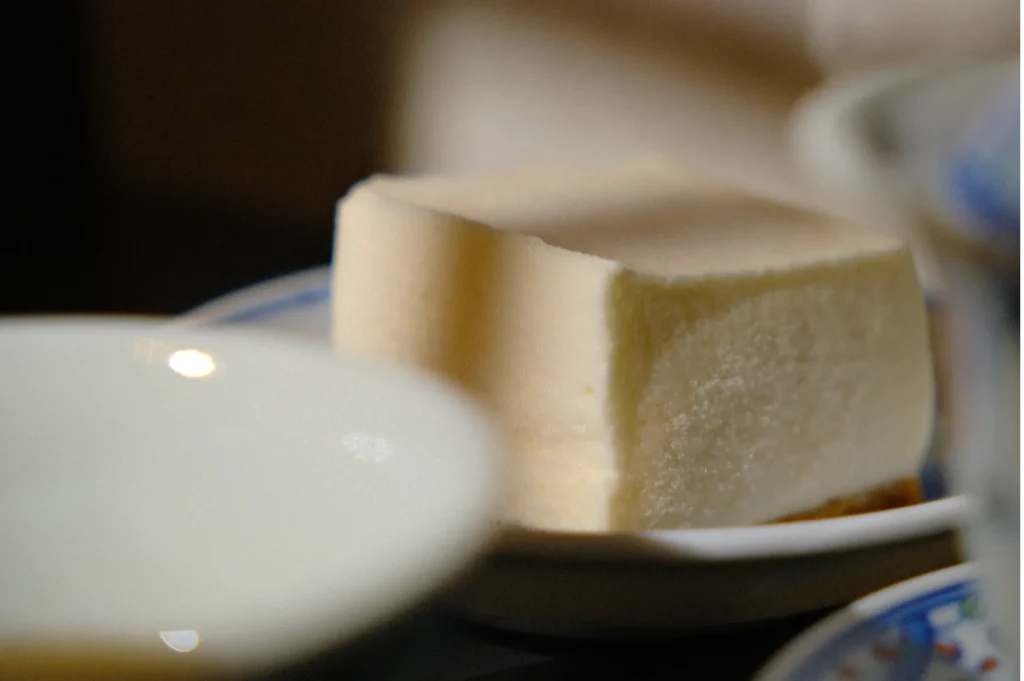
Knowing when to stop is a technical skill that involves testing the limits of sensory satiety. A dessert should leave the diner feeling satisfied but refreshed. If a person cannot finish a standard portion, the richness is likely miscalculated. If they finish it but feel the need for a strong beverage to clear their throat, the finish on the palate is too heavy.
The ideal point of satisfaction is reached when the sweetness, acidity, and richness are in total equilibrium. This balance allows the taster to appreciate the textural consistency of the cake. It turns the act of eating into an analytical experience rather than a passive one.
Textural Consistency as a Metric for Quality
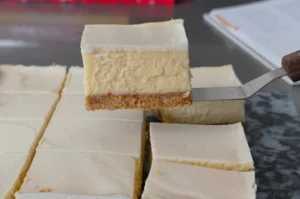
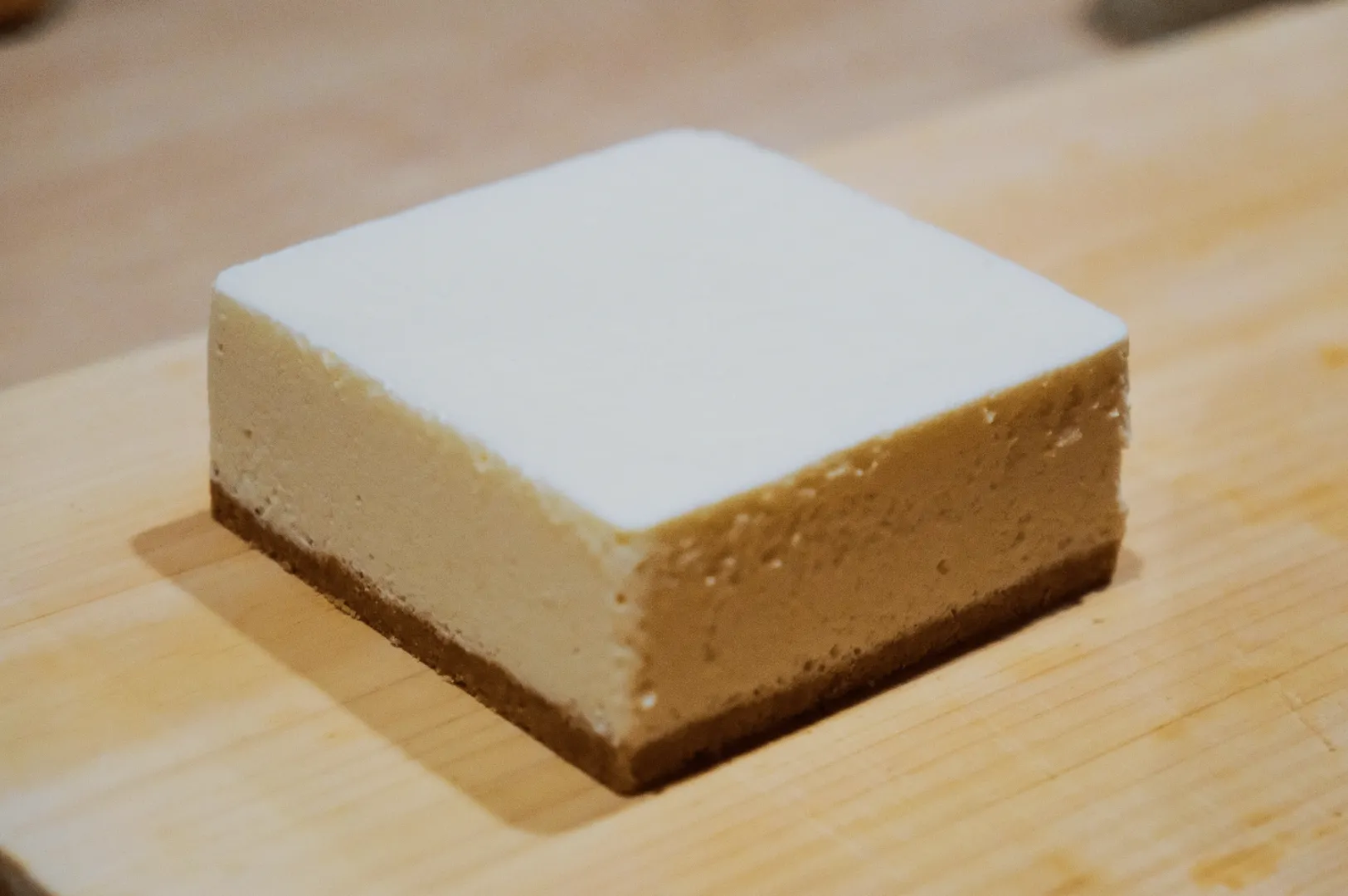
A premium cheesecake must demonstrate a uniform density from the center to the edge. Any variation in texture suggests that the baking process was not properly controlled. Inconsistent textures can confuse the palate, making the richness feel unpredictable and distracting.
Achieving this consistency requires precise thermal management. The cake must set evenly so that every bite offers the same resistance and the same palate weight. When the texture is consistent, the diner can focus on the subtle nuances of the flavor profile. This level of detail is what separates a dessert institution from a standard bakery.
The Importance of a Balanced Finish
The finish on the palate is the final memory of a dessert. It is what defines the quality of the experience. A balanced finish is light and brief. It should not leave an oily or waxy residue.
To achieve this, the maker must ensure that the fats used are of high quality and that they are properly emulsified. If the emulsion is weak, the fats will separate on the tongue, leading to a heavy finish. By focusing on a clean break and a quick melt, the maker ensures that the dessert remains sophisticated.
A Different Structural Approach to Achieving Balance
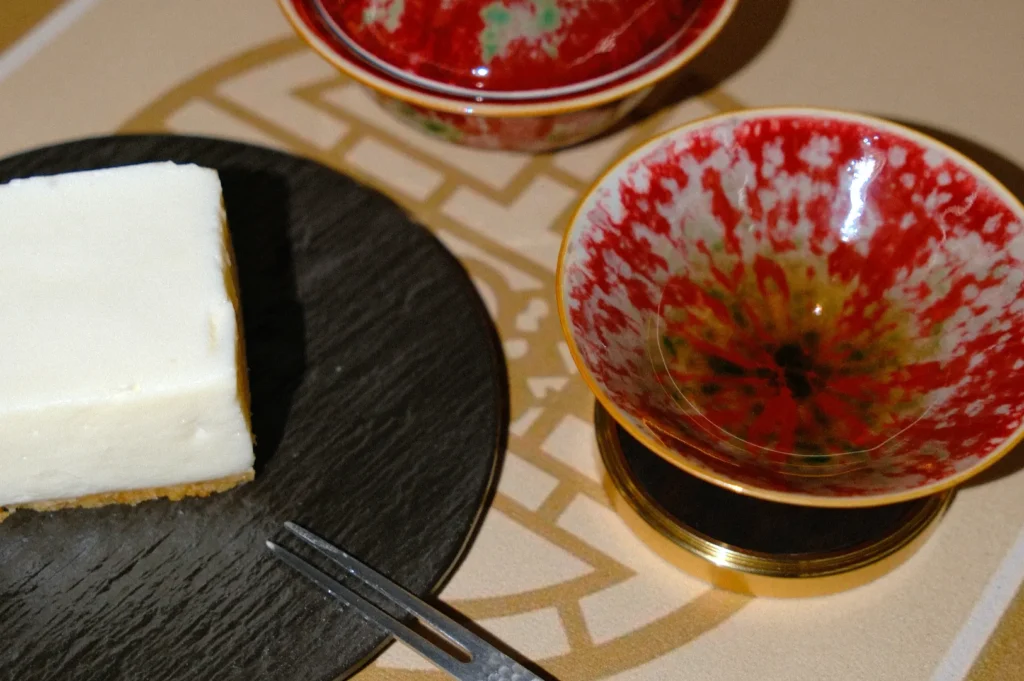
The shift toward lighter dessert profiles has led to the exploration of alternative bases. These bases allow for a different structural approach that does not rely solely on animal fats. By integrating plant proteins, such as those found in soy, a maker can achieve a high degree of structural integrity with a significantly lower palate weight.
This approach addresses the “richness” question directly. It provides the substance and mouthfeel of a classic cheesecake while ensuring the finish remains elegant. It allows the maker to stop adding fat and instead focus on the quality of the protein network. This results in a dessert that is informed by modern technical standards and a respect for the taster.
At Daizu by Ki-setsu, we apply this philosophy to every cake we design. We understand that sweetness and richness must be tempered to allow the true character of our ingredients to emerge. By utilizing a soy-integrated base, we provide a refined alternative that focuses on a lighter interpretation of the traditional cheesecake. Our goal is to achieve a composed texture and a balanced finish that respects the palate of the discerning consumer. Through our disciplined use of materials and a focus on textural intelligence, Daizu by Ki-setsu defines a new standard where quality is measured by restraint rather than excess.
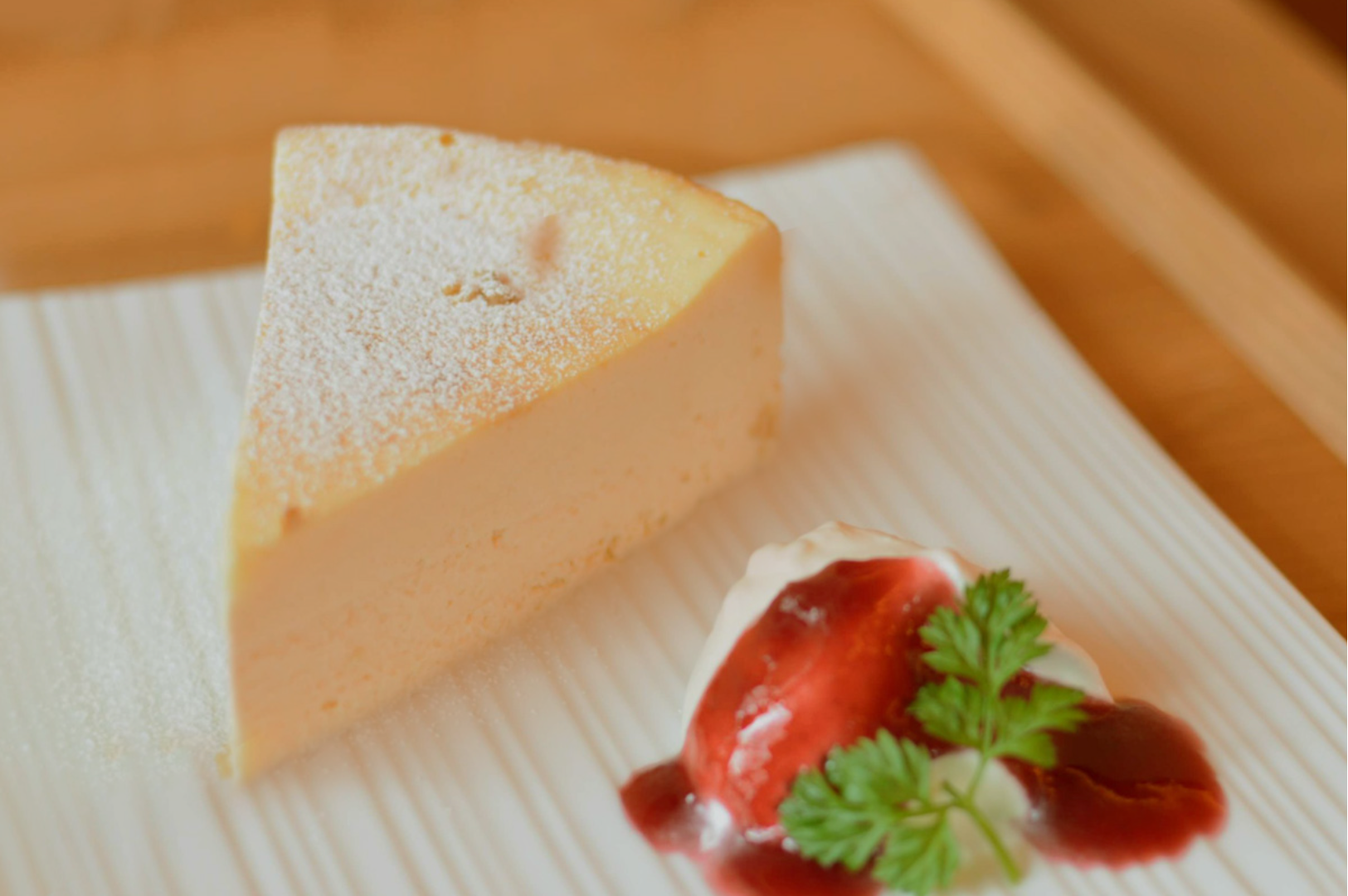
This is where the honest comparison matters most for cheesecake lovers.
A traditional cheesecake achieves its velvety texture through fat. Fat coats the palate, softens the finish, and creates that characteristic richness. When fat is reduced, the mouthfeel changes. The cheesecake becomes lighter in the hand and on the palate.
This is not necessarily a flaw. It is a different structural approach. A well-executed low calorie cheesecake should still be smooth, with consistent texture throughout the filling. The crust, if present, should still provide contrast. The sweetness should be balanced, not flat.
Where lower-calorie versions tend to fall short is in density. A regular cheesecake has a specific weight when you eat a slice. That palate weight is part of the experience. A lighter recipe often cannot replicate this exactly, and any recipe that claims otherwise without adjusting for it is overpromising.
The goal with a healthy cheesecake is not to mimic the original exactly. It is to build something structurally coherent on its own terms.
The Role of Protein in the Comparison
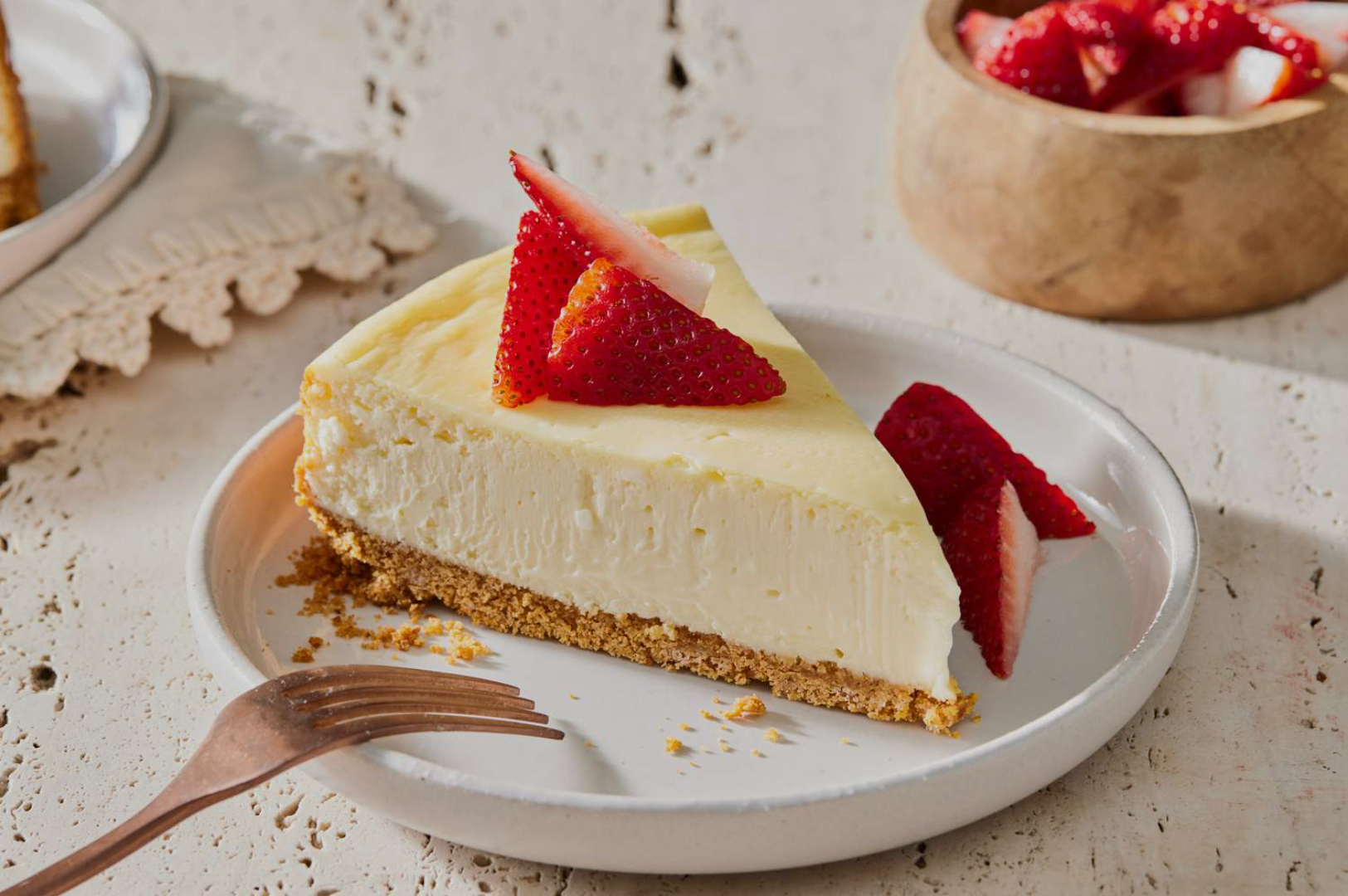
One area where low calorie cheesecake often outperforms its traditional counterpart is protein content.
When cottage cheese, Greek yogurt, or high-protein cream cheese alternatives form part of the filling, the protein per serving increases. This matters beyond just nutrition. Higher protein in the cheesecake mixture contributes to a firmer set. It can also improve the satiety profile of the dessert, making a smaller slice feel more complete.
This is one reason why low carb and high-protein cheesecake recipes have gained traction among those following specific dietary frameworks. The swap is functional, not just nutritional.
How to Read a Low Calorie Cheesecake Recipe Before You Bake
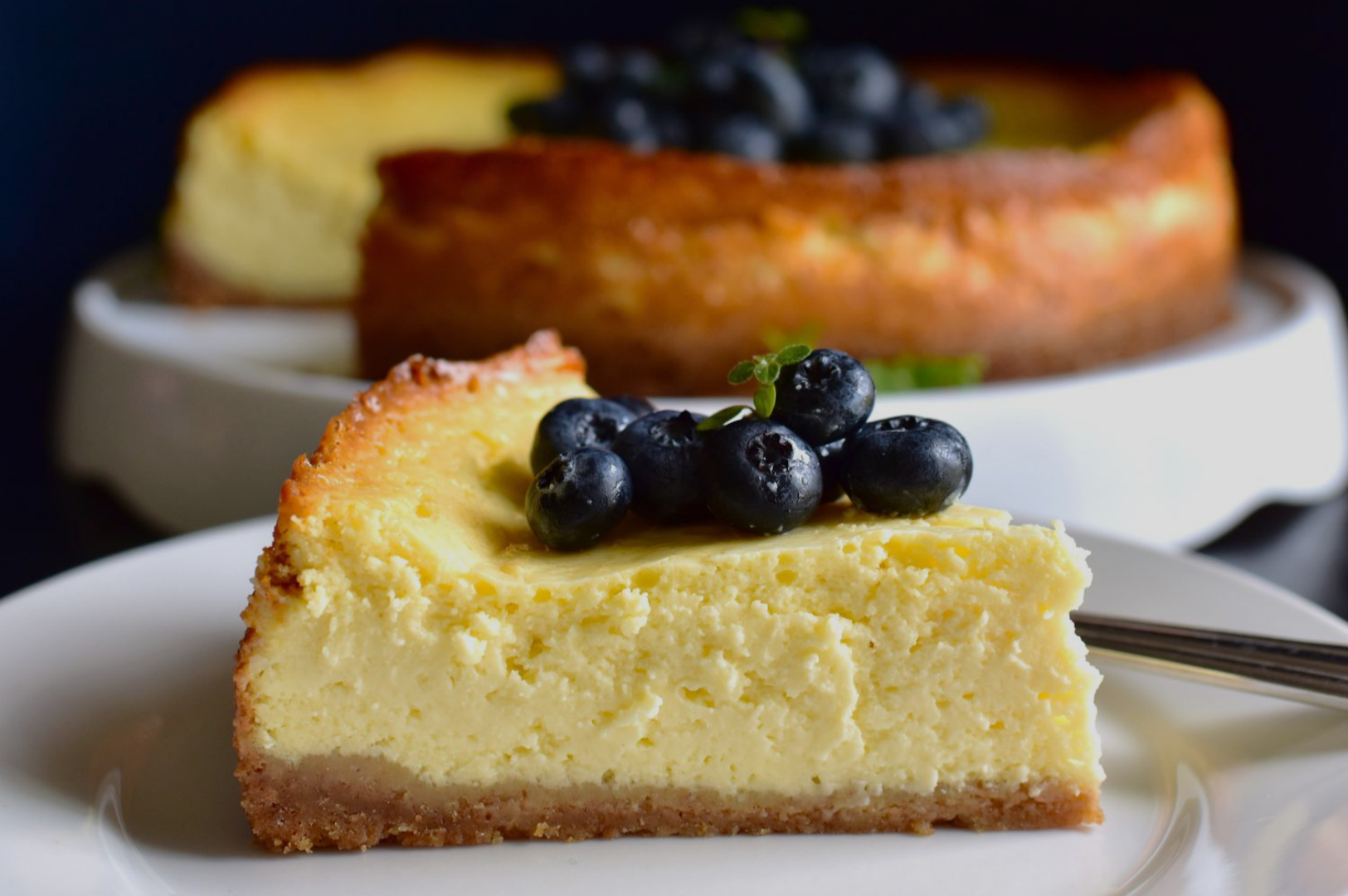
Not all low calorie cheesecake recipes produce equivalent results. Before committing to a recipe, a few markers are worth reviewing.
Room temperature ingredients are consistently noted in well-developed recipes. Cold cream cheese or cold eggs do not incorporate evenly. The cheesecake mixture will be uneven in texture and may not bake consistently.
A recipe that calls for lemon juice is typically using it to balance sweetness, not just for flavor. Its acid interacts with dairy proteins and contributes to the overall set of the filling.
Vanilla extract should appear in any recipe worth following. It does not add calories in meaningful amounts, but it contributes depth that prevents the reduced-fat filling from tasting flat.
If a recipe asks you to review the consistency of the filling before it goes into the oven, take that instruction seriously. A low fat filling that looks too loose at room temperature will not firm correctly in the oven.
Where Low Calorie Cheesecake Stands Against Other Foods and Desserts
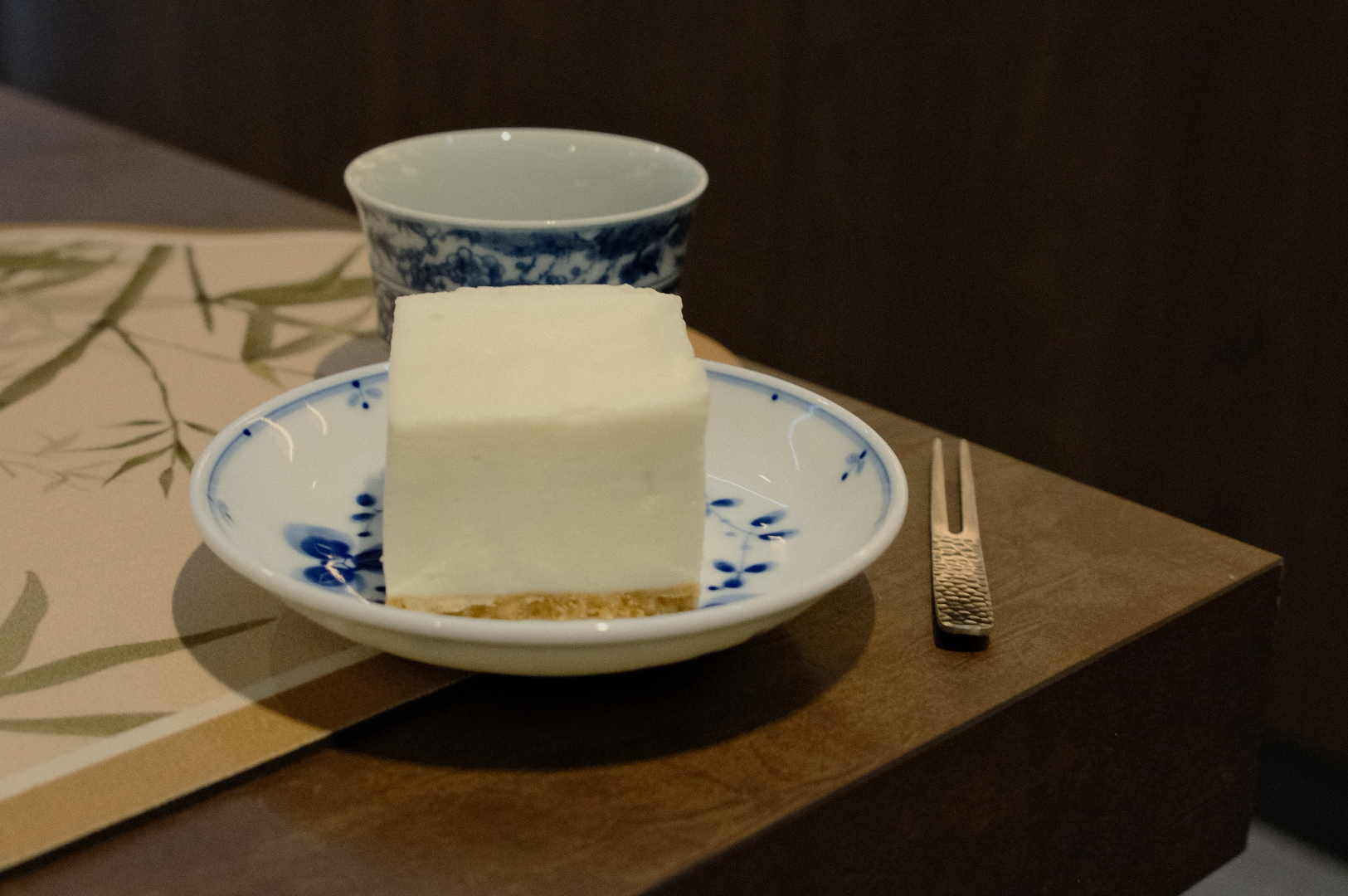
Compared to a regular cake, a well-made low calorie cheesecake still delivers more protein, more structural density, and a richer finish. The cheesecake format, even in its lighter form, holds its own nutritionally when placed against most conventional desserts and foods.
This is part of what makes the calorie cheesecake category worth understanding properly. It is not just a diet compromise. When built with care, a healthy cheesecake can stand on its own as a considered dessert choice.
What the Difference Actually Means for the Cheesecake You Choose
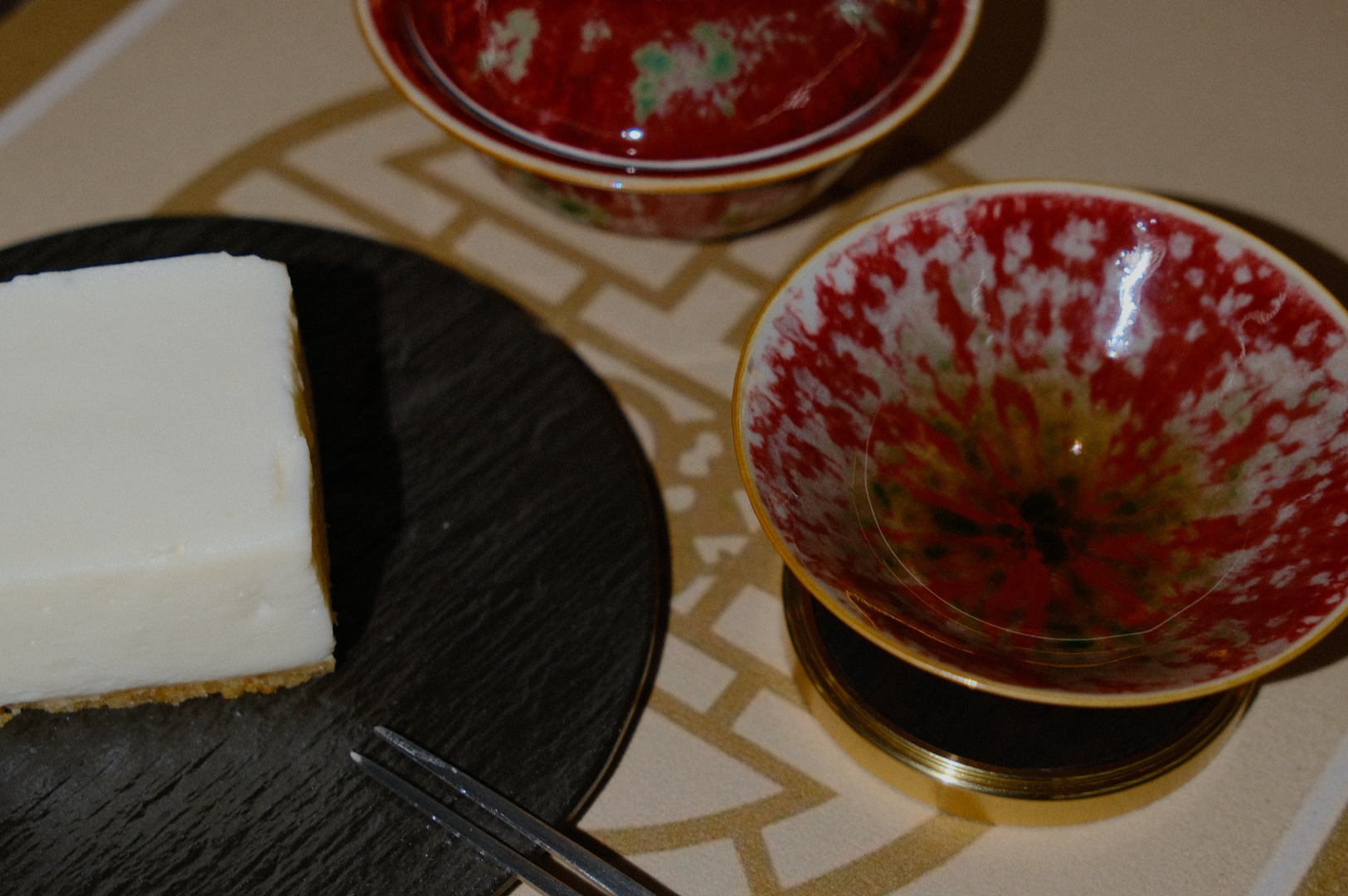
Low calorie cheesecake versus regular cheesecake is not a question of which is better. It is a question of what the dessert is being asked to do.
A traditional cheesecake is built for density, richness, and palate weight. A low calorie cheesecake is built for a lighter finish, a reduced caloric load, and often a higher protein contribution. Both can be well-made. Both can fall short if the recipe is poorly executed.
At Daizu by Ki-setsu, we work within a specific framework. Our soy-based cheesecake is a refined interpretation that approaches calorie profile, texture, and structure as interconnected concerns rather than separate ones. We do not claim to replicate a traditional cheesecake. We build something calibrated to a different standard, for those who want a considered dessert without compromising taste or structural quality.