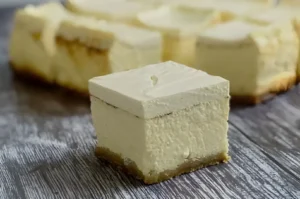
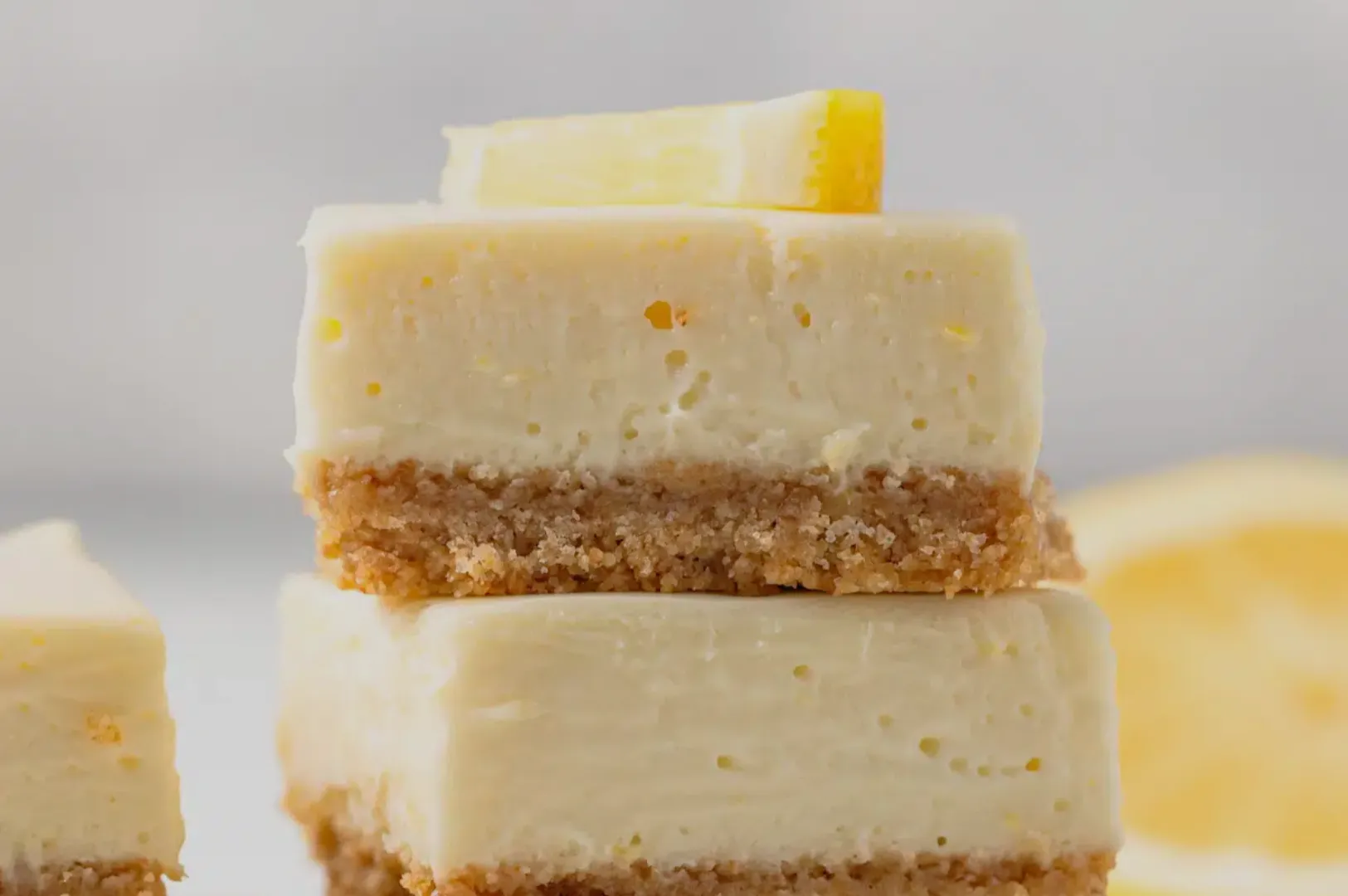
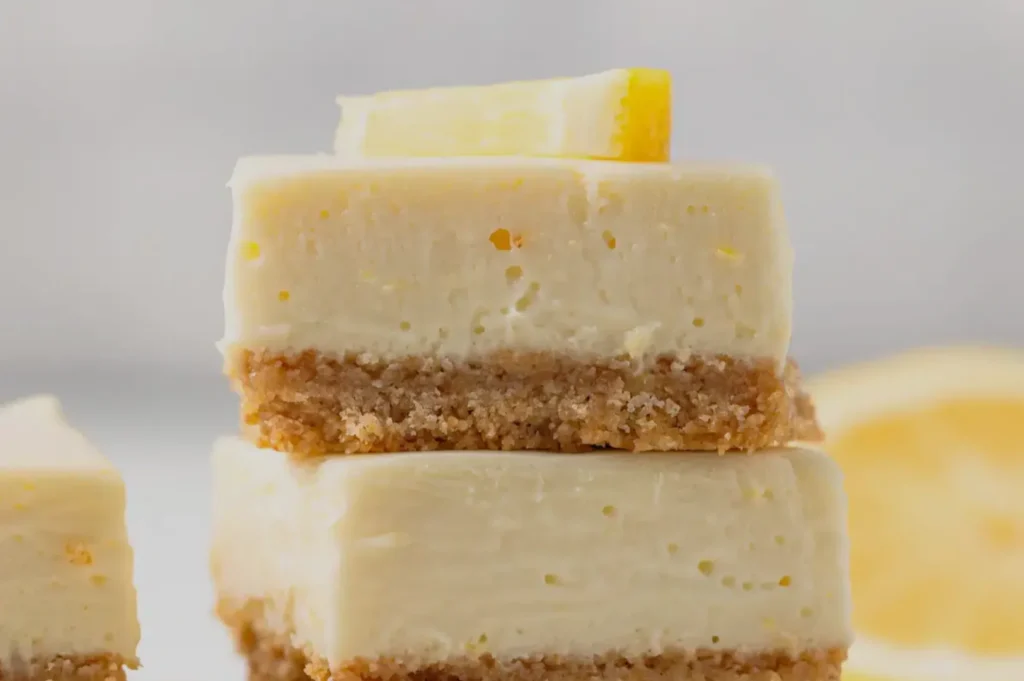
The mid-afternoon clock strikes three, and a familiar pattern begins. The initial excitement of a sweet treat is quickly replaced by a heavy, sluggish feeling that compromises the rest of the workday. It is a common compromise that many accept as the tax for enjoying dessert. Choosing between the satisfaction of a rich flavor and the physical comfort of staying alert seems to be an unavoidable dilemma.
Yet, this trade-off is not entirely necessary. The heavy sensation does not actually come from the sugar itself, but rather from how heavy fats interact with the palate and digestion. Finding a balance means looking closely at what goes into the mixing bowl. It is entirely possible to enjoy a satisfying slice while mastering the art of feeling light.
Why Heavy Fats Create a Post-Dessert Slump
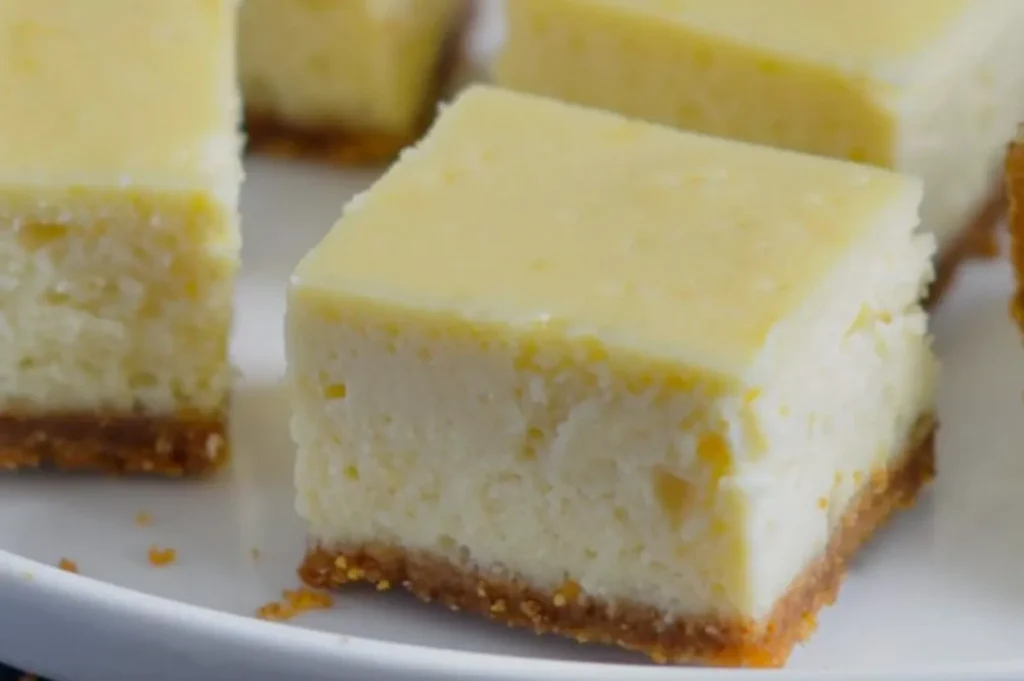
The immediate feeling of tiredness after a meal often traces back to the sheer volume of heavy dairy fats. Classic baking relies heavily on massive quantities of butter, heavy cream, and standard cream cheese to build texture. While these ingredients carry flavor beautifully, they also take a significant amount of energy for the body to break down. The digestive system redirects resources to handle the load, which triggers that familiar afternoon fog.
Texture plays a massive role in how richness is perceived. When a dessert coats the tongue in a thick layer of animal fat, the flavor lingers, but so does the weight. The palate registers this as a cue that the food is dense and filling. Lightness isn’t about eating less food, it is about changing how that food behaves once it leaves the fork.
Smart pastry kitchens look for ways to achieve that same velvet texture without relying on sheer mass. Swapping out a portion of the heavy dairy for moisture-dense, plant-based alternatives keeps the structure intact while easing the burden on the stomach. The goal is a dessert that provides a pleasant pause in the day rather than a complete full stop.
Structural Efficiency and the Art of Feeling Light
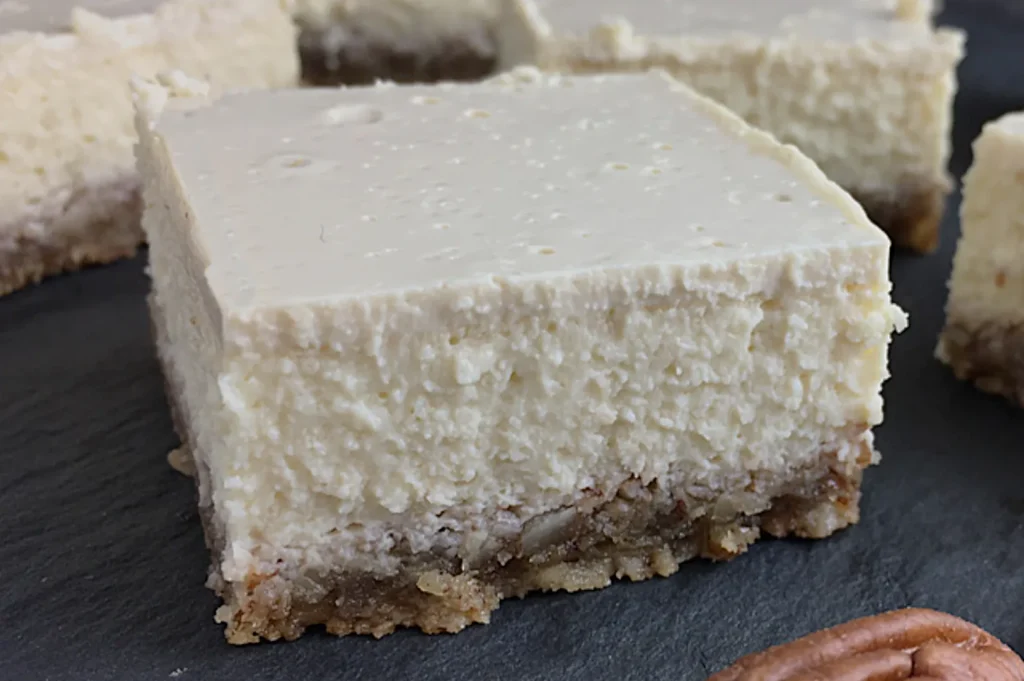
Creating a lighter dessert profile requires a shift in baking chemistry. Traditional recipes often use heavy starches or binders to lock moisture into a cake, which can result in a paste-like feel. A more modern approach focuses on structural efficiency, where ingredients work together to retain moisture naturally. When a cake retains moisture through its core components, it requires far less supplemental fat to feel satisfying.
Temperature control during the baking process also influences how light a cake feels. Gentle, precise heat allows proteins to set softly rather than tightening into a dense, rubbery block. A slow bake ensures that the moisture remains trapped within the crumb, giving the dessert a naturally smooth quality. This balance allows the flavor to release quickly on the tongue and melt away cleanly.
When a dessert dissolves cleanly without leaving a heavy film, the brain perceives the flavor as vibrant and refreshing. The sweetness feels balanced rather than cloying. This structural shift changes the entire post-meal experience, allowing people to move on with their afternoon without needing a nap.
How Subbing Tofu and Soy Milk Keeps You Energized
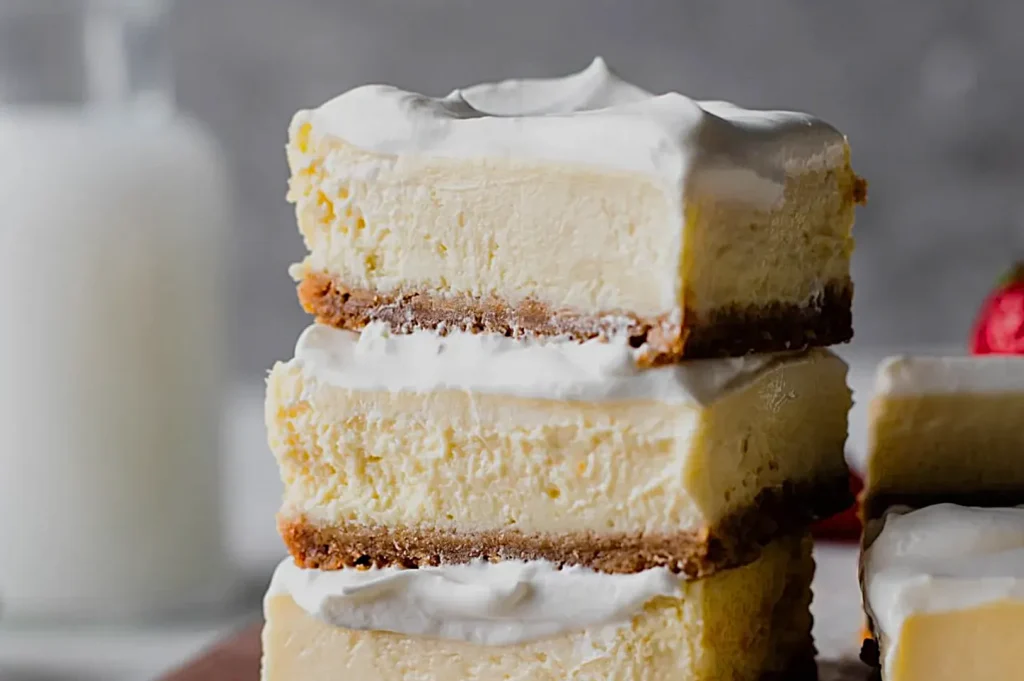
The secret to achieving this balance lies in utilizing ingredients that offer moisture without the heavy caloric baggage. Introducing premium soy milk and smooth silken tofu into a traditional baking batter completely changes the structural dynamic. Silken tofu possesses a naturally fine, custardy texture that mimics the mouthfeel of emulsified dairy fats. When blended thoroughly, it integrates into the batter seamlessly, providing a stable foundation that holds its shape beautifully upon cooling.
Soy milk contributes a clean liquid base that lightens the overall profile of the cake. It allows the pastry team to reduce the reliance on standard cream cheese, cutting down the heavy animal fats while preserving the creaminess people expect from a premium bake. The plant proteins in soy and tofu bond effectively during the baking process, creating a delicate matrix that traps flavor molecules efficiently.
This combination ensures that the dessert tastes substantial without feeling burdensome. The natural subtle nuttiness of soy complements the tang of cheese, creating a multi-layered flavor profile that satisfies the palate quickly. Because the body processes these plant-based components with greater ease, the energy from the dessert is sustained rather than spiking and crashing.
Delivering the Perfect Slice with Daizu by Ki-setsu
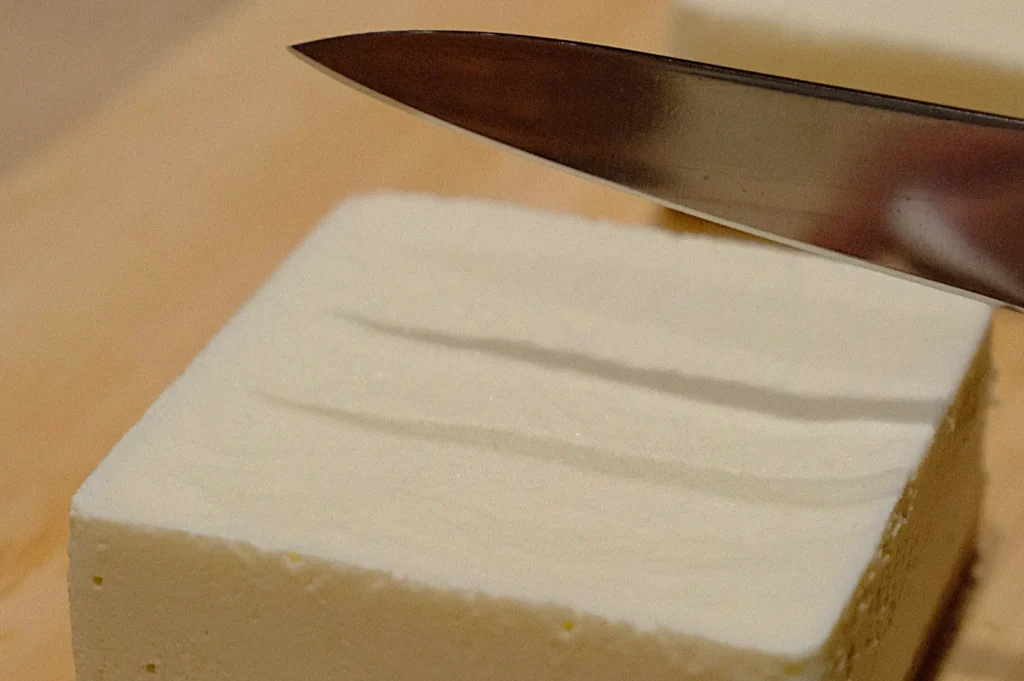
Achieving this delicate harmony between physical comfort and rich flavor defines the modern pastry philosophy. At Daizu by Ki-setsu, this exact balance dictates how every single round is crafted in the kitchen. By mindfully blending premium soy milk and smooth silken tofu into the traditional cheesecake base, our team creates Japanese soy cheesecakes that retain the luxurious, velvety depth of a classic bake while maintaining a remarkably clean, refreshing finish. It offers a thoughtful alternative for the modern palate, providing an elegant way to share a sweet moment with friends and family while leaving everyone feeling light, energized, and entirely satisfied.