

A meal does not simply stop. It concludes. The final course serves as the definitive point of transition between the dining experience and the lingering memory of it. While the preceding courses build complexity and savory depth, the dessert carries the responsibility of resolving the palate.
A memorable dessert is rarely defined by its sweetness. Instead, its success depends on how it manages the transition from richness to clarity. The final impression rests on a specific set of structural and textural criteria that determine whether a dish feels like a logical conclusion or an unnecessary addition.
The Role of Palate Weight in Final Impressions

The weight of a dessert on the tongue dictates how the diner feels long after leaving the table. If a dish is too heavy, it creates a sense of fatigue. If it is too light, it may feel inconsequential. The objective is to achieve a balanced finish that feels substantial yet clean.
Mouthfeel plays a critical role here. A dessert with high density profile requires more effort to consume, which can be overwhelming at the end of a multi-course meal. Professionals often look for a composed texture that offers resistance without sticking to the palate.
When the structural integrity of a dessert allows it to hold its shape while remaining aerated, it achieves a superior level of refinement. This balance ensures that the dessert complements the meal rather than competing with it for the diner’s remaining energy.
Analyzing Density and Aeration
Density is often confused with quality. In reality, the most memorable desserts utilize controlled aeration to deliver flavor more efficiently. When a mixture is folded rather than whipped aggressively, it retains a specific structural character.
This technique allows the palate to process individual flavor notes more clearly. A dense, heavy finish often coats the taste buds in fat and sugar, which dulls the sensory experience. An aerated structure allows for a cleaner release of flavors, ensuring the last bite is as distinct as the first.
Achieving a Balanced Finish Through Acidity and Salt

Sweetness is a foundational element, but it is rarely the most important one in a sophisticated dessert. Balance is achieved through the strategic use of contrasting elements. Acidity and salt serve as functional tools to sharpen the focus of the dish.
Acidity acts as a palate cleanser. It cuts through the residual fats of previous courses and prepares the mouth for the next note of flavor. Without this brightness, a dessert can feel flat and monotonous.
Salt, used with precision, enhances the perception of other ingredients. It provides a necessary counterpoint to sugar, preventing the sweetness from becoming cloying. This interplay creates a dynamic finish that keeps the diner engaged until the plate is cleared.
Textural Consistency and the Importance of Subtlety
A dessert that relies on a single texture often fails to leave a lasting impression. Memorable outcomes require a contrast between different physical states. This does not mean adding complexity for the sake of it, but rather ensuring the mouthfeel is varied and intentional.
- Firmness: Provides the necessary foundation and resistance.
- Softness: Offers a gentle release of flavor.
- Smoothness: Ensures a refined transition across the tongue.
When these elements are integrated correctly, the dessert feels complete. If the texture is inconsistent or graining occurs, the perceived quality drops immediately. Technical precision in the mixing and setting stages is what separates a standard dessert from a professional one.
The Influence of Temperature on Flavor Perception
Temperature is a silent architect of taste. How a dessert is stored and served fundamentally changes its flavor profile and structural integrity. A dish served too cold will have muted flavors, as the cold numbs the taste receptors.
Conversely, a dessert served too warm may lose its structural character. The fat content may begin to separate, or the aeration may collapse. Maintaining a specific temperature range ensures that the texture remains composed and the flavors remain vibrant.
The ideal temperature for a final course is one that allows the ingredients to bloom. When the fats reach a certain point of softness, they carry flavor across the palate more effectively. This creates a more cohesive experience where the temperature, texture, and taste work in unison.
The Significance of a Clean Aftertaste

The true test of a dessert occurs several minutes after the final bite. A clean finish is the hallmark of technical mastery. If the palate feels coated or heavy, the dessert has failed its primary purpose of concluding the meal.
A well-structured dessert leaves a lingering sense of clarity. The flavors should dissipate naturally rather than clinging to the mouth. This is why the choice of base ingredients is so vital. Using high-quality proteins and fats that have a lower melting point contributes to this desired finish.
When a dessert prioritizes a clean aftertaste, it respects the diner’s palate. It acknowledges that the meal is over and provides a graceful exit. This restraint is often more difficult to achieve than sheer intensity, but it is far more effective in creating a lasting memory.
Defining the Standards of a Refined Dessert Conclusion
The art of ending a meal is found in the equilibrium between substance and lightness. It requires a deep understanding of how textures interact and how flavors resolve. A memorable dessert does not demand attention through excess. It earns it through precision, balance, and a clear structural identity.
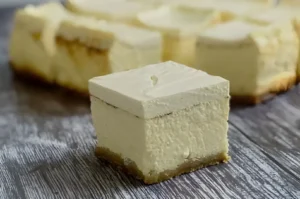
At Daizu by Ki-setsu, we approach the conclusion of a meal with this same level of discipline. We recognize that the final course should be an act of refinement. Our soy cheesecake is designed as a lighter interpretation of the traditional form, focusing on a balanced finish and a composed texture. By utilizing the natural properties of soy, we offer a different structural approach that prioritizes a clean palate and a sophisticated end to any dining experience.