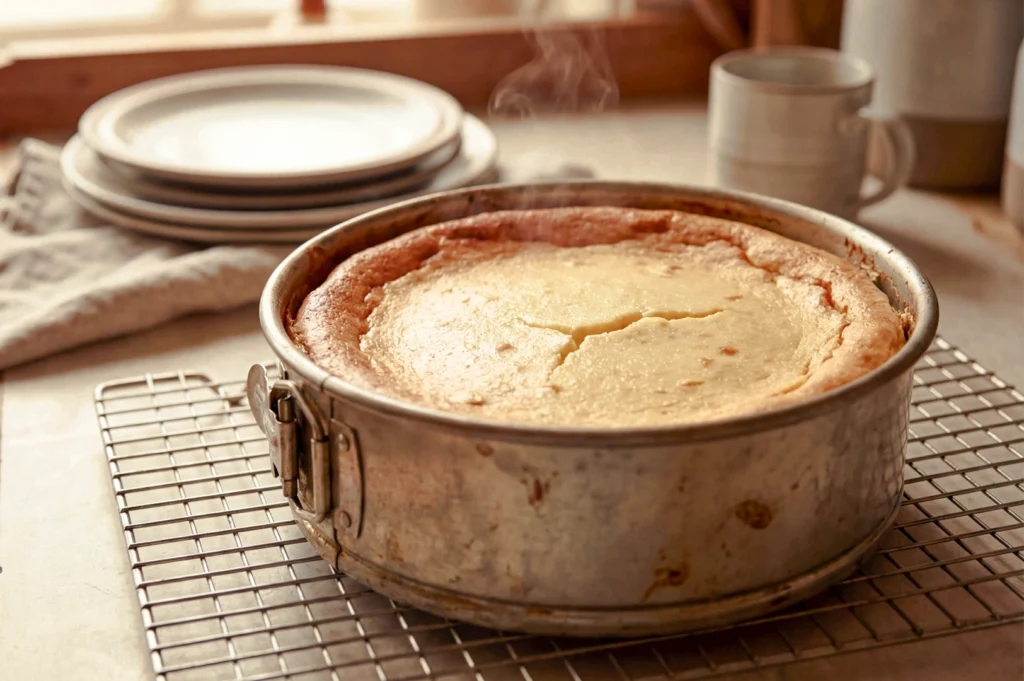
A common misconception in the world of fine pastry is that freshness is measured in minutes. While a loaf of bread or a soufflé demands immediate consumption, a high-protein dessert such as a cheesecake follows a different set of rules. For these compositions, the hours following the removal from the oven are not a countdown toward staleness. They are a critical phase of structural development.
The resting period is a technical necessity that allows the internal architecture of the cake to stabilize. Without this window of time, the mouthfeel remains underdeveloped and the flavor profile remains fragmented. Understanding the science of this transition is essential for anyone seeking a well-structured dessert experience.
The Stabilization of the Protein Matrix During Cooling
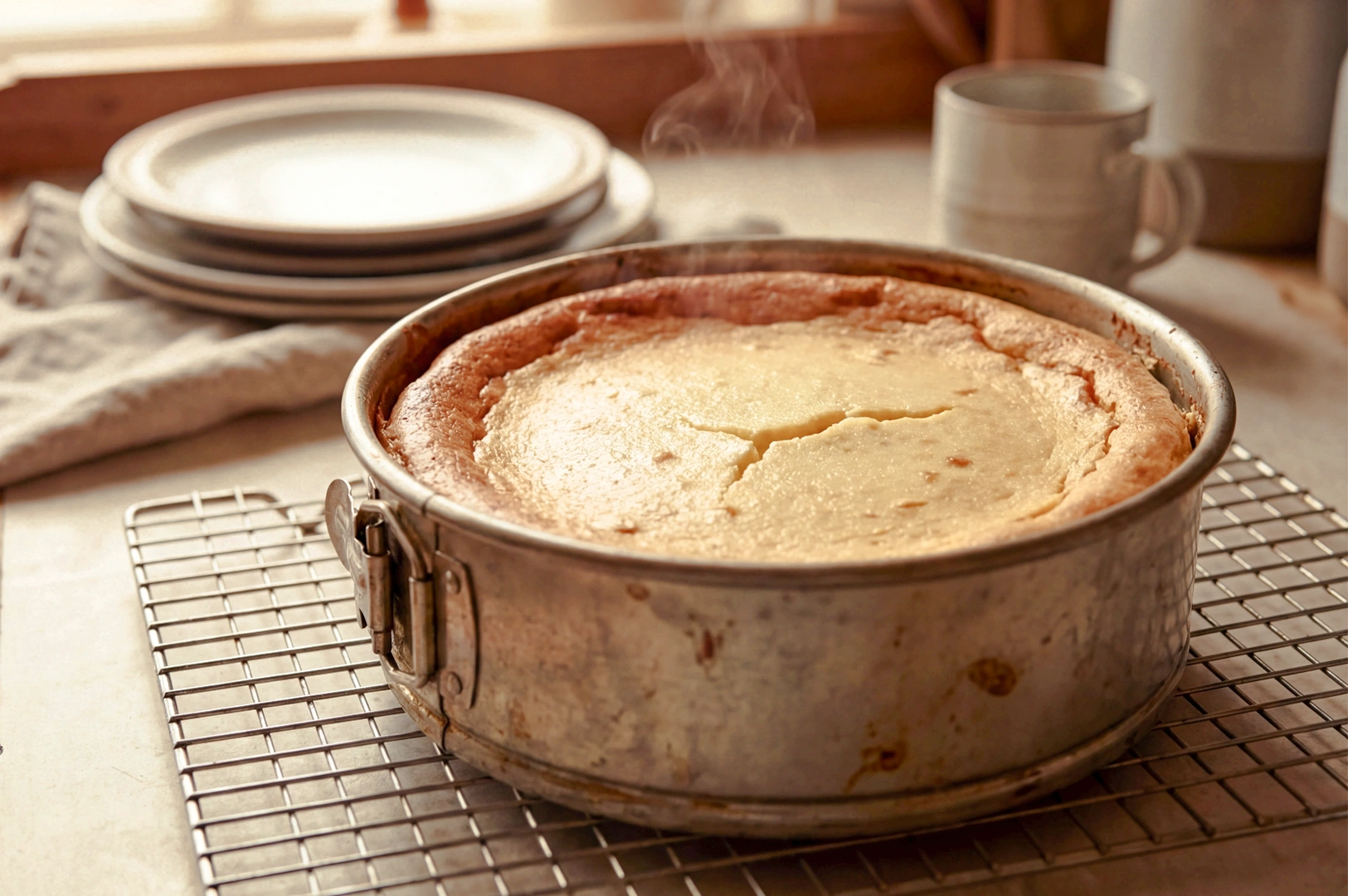
When a cheesecake is in the oven, the proteins from the soy or dairy source undergo denaturation. They unfold and create a loose network that traps moisture and fats. At the moment the cake is removed from the heat, this network is still fragile and highly fluid.
As the temperature drops, these proteins begin to firm up and bond more tightly. This process is known as setting. If the cake is sliced too early, the internal structure lacks the strength to hold its own weight. The resulting texture is often described as grainy or curdled rather than smooth. A proper resting period ensures that the density profile is consistent from the center to the edge.
Moisture Migration and Textural Consistency
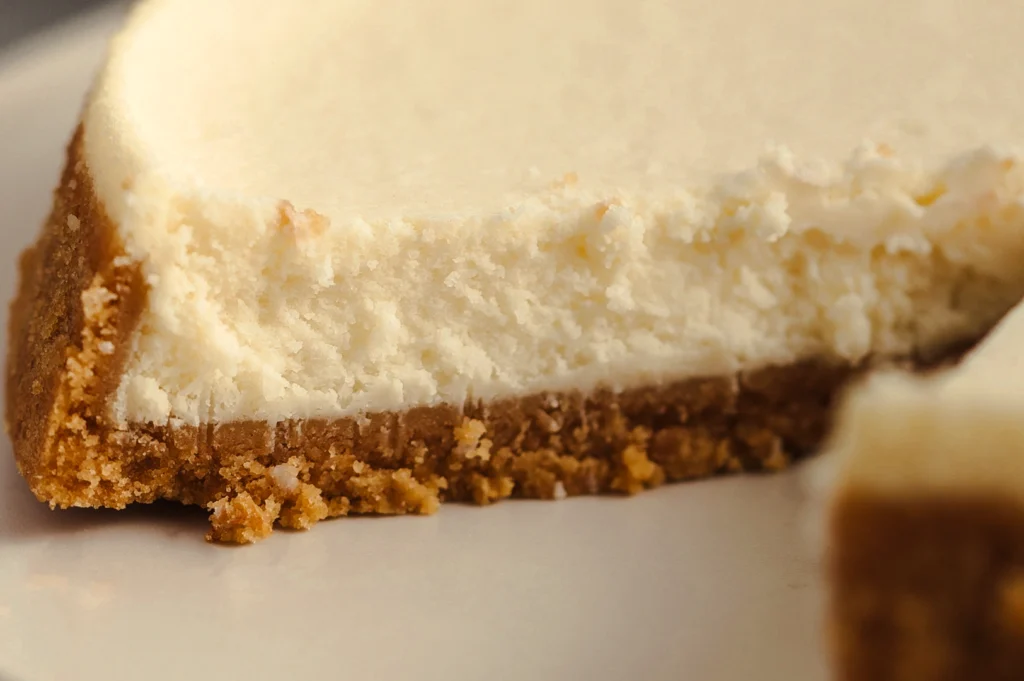
The distribution of water within a dessert changes significantly during the resting period. During baking, heat pushes moisture toward the center of the cake. This creates a gradient where the exterior may be drier while the core remains overly humid.
Allowing the cake to rest at a controlled temperature facilitates moisture migration. The water molecules redistribute themselves evenly throughout the crumb. This equalization is what produces textural consistency. Without it, the palate may detect patches of varying density, which disrupts the sensory experience and leads to an unbalanced finish.
The Role of Temperature in Defining Palate Weight
Temperature directly influences how we perceive the weight of a food item on the tongue. A warm cheesecake feels lighter and more aerated because the fats are in a liquid state. While this might seem appealing, it often results in a loss of definition.
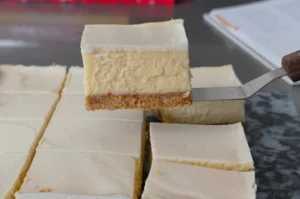
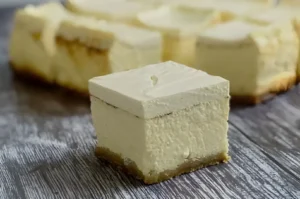
When the cake is chilled and allowed to rest, the fats solidify. This increases the palate weight and provides a more substantial mouthfeel. The coolness also tempers the sweetness, allowing the subtle notes of the base ingredients to emerge. A rested cake offers a clean break when cut, which is a hallmark of structural integrity.
How Time Refines the Finish on the Palate
The flavor of a dessert is not static. During the resting period, a process of enzymatic and chemical maturation occurs. Volatile aromatic compounds that were agitated by heat begin to settle and integrate.
This maturation is what creates a balanced finish. In a fresh, hot cake, the sugar or acidity might feel sharp and disconnected. After a period of twelve to twenty four hours, these elements mellow. The sweetness becomes a background note that supports the primary flavors of the soy or cream, rather than overwhelming them.
The Risk of Syneresis in Unrested Fillings
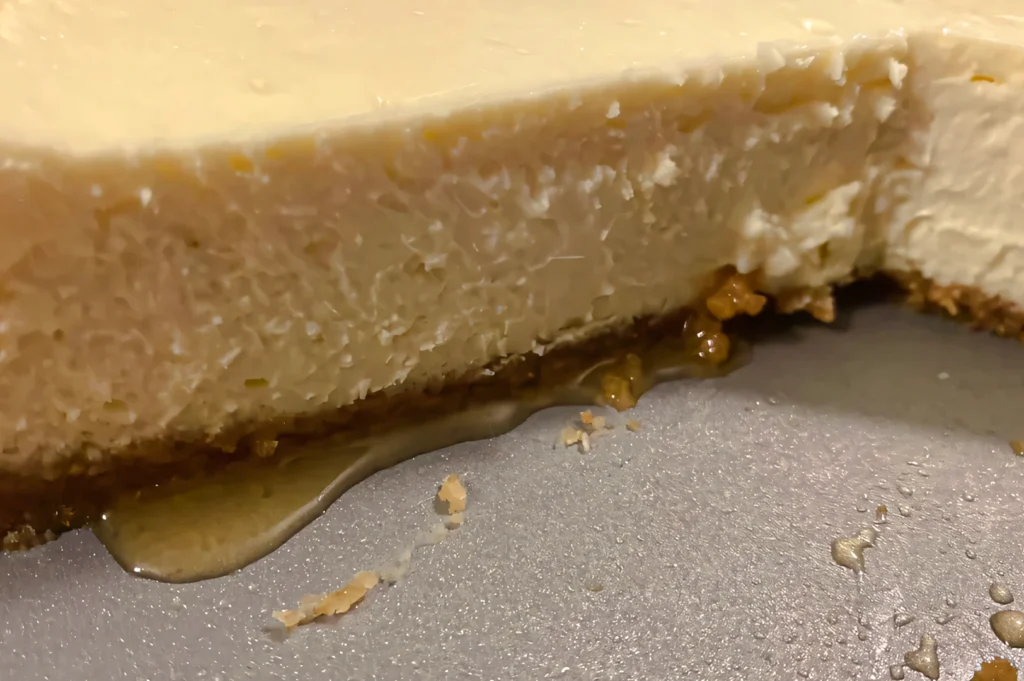
One of the primary technical failures in unrested desserts is syneresis, or the weeping of liquid. When a protein network is disturbed before it has fully stabilized, it can contract and force out moisture. This often happens if a cake is moved or sliced while still slightly warm.
The presence of beads of moisture on the surface or at the base of the slice indicates a failure in the resting process. This liquid loss compromises the composed texture of the filling, making it feel dry and rubbery. A disciplined resting period prevents this contraction, keeping the moisture locked within the protein matrix where it belongs.
How the Resting Period Achieves the Final Structural Goal
The ultimate goal of any technical bake is to achieve a dessert that is firm yet yielding. The resting period is the final step in reaching this equilibrium. It turns a collection of cooked ingredients into a singular, cohesive entity.
By respecting the time required for cooling and setting, the baker ensures that the structural integrity of the cake is preserved. The result is a dessert that can be sliced with precision and enjoyed with a clear understanding of its density and form. It is a transition from a state of heat-induced chaos to a state of architectural calm.
The environment plays a crucial role in this delicate process, too. Curious how Singapore’s climate impacts the final product? Read our article on How Singapore’s Humidity Affects Cheesecake Quality and Storage to learn more.
At Daizu by Ki-setsu, we consider time an essential ingredient. We know the resting period is crucial for creating our refined soy cheesecakes. This commitment to cooling allows each cake to develop its specific density and texture, ensuring every slice offers a balanced, lighter interpretation of a traditional sweet.