A discerning diner in Singapore today often flips over a product label before they ever pick up a fork. This shift in behavior marks a transition from a market driven by visual spectacle to one defined by material honesty. For cheesecake makers, this means the era of masking structural weaknesses with excess sugar or artificial stabilizers is ending.
The modern consumer prioritizes the integrity of the base components. They seek to understand the origin of the fats, the protein content of the dairy, and the absence of fillers that traditionally provide a false sense of density. When an ingredient-conscious market evaluates a dessert, they are looking for a transparent relationship between the raw materials and the final mouthfeel.
The Transparency of Structural Integrity Without Additives
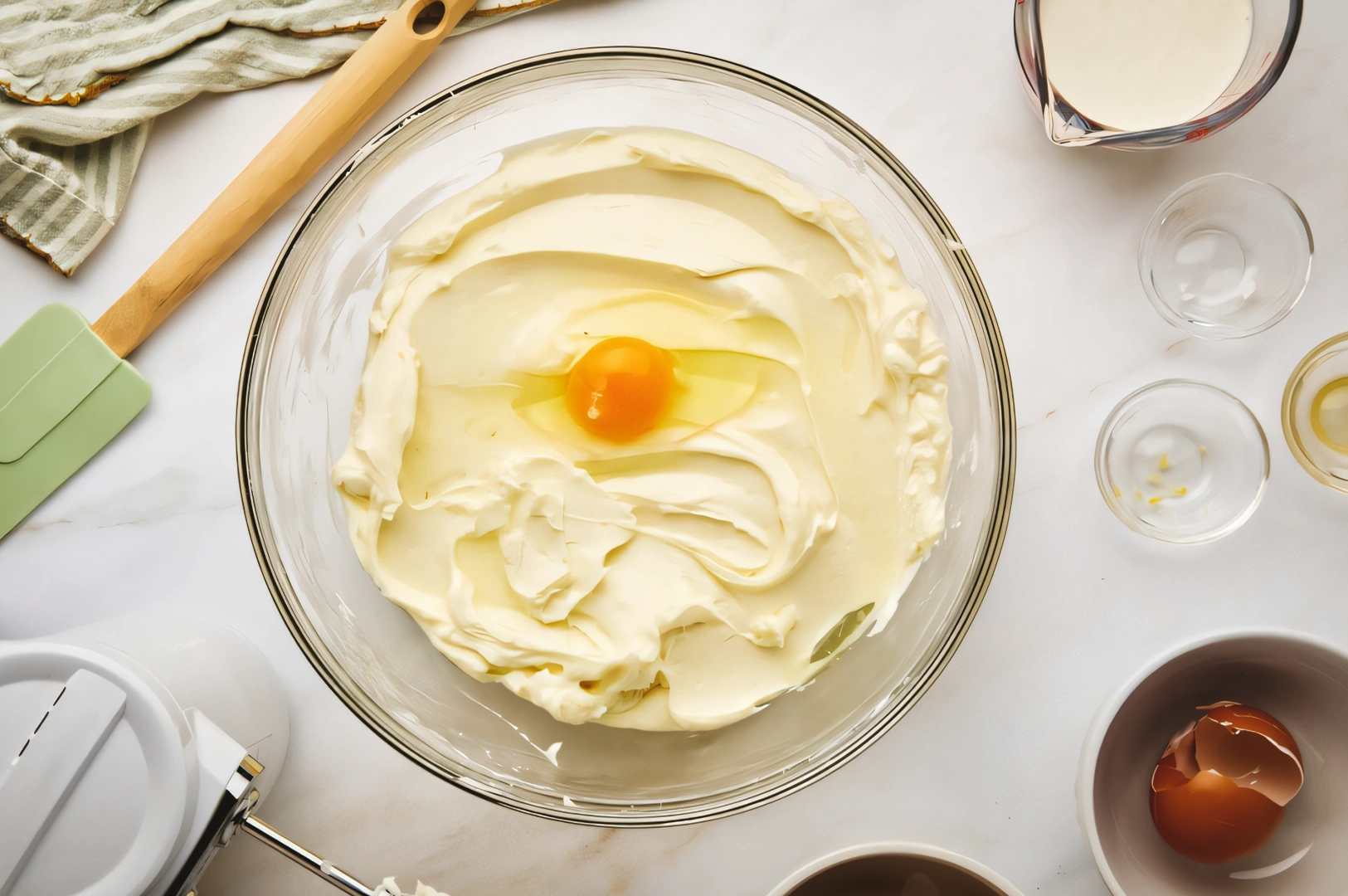
High-quality cheesecake relies on the natural properties of dairy proteins and fats to create structure. In many commercial applications, manufacturers rely on gums, starches, or thickeners to ensure a consistent shelf life and a firm appearance. While these additives provide stability, they often compromise the finish on the palate.
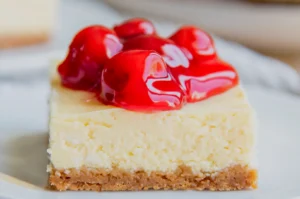
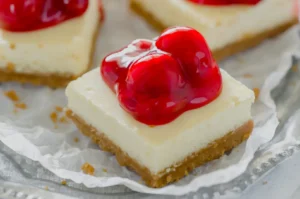
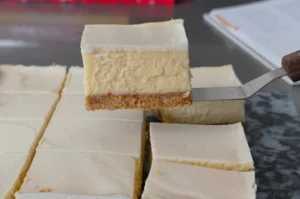
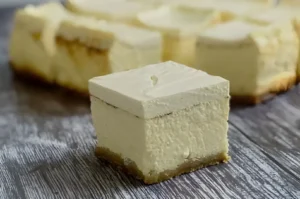
An ingredient-conscious market identifies these shortcuts through a specific textural resistance. A cheesecake built on material honesty will have a clean break when cut. It does not cling to the roof of the mouth with a gummy residue. Instead, the structural integrity is derived from the precise coagulation of proteins during a controlled bake.
The Role of Protein Density in Mouthfeel
The density profile of a cheesecake is dictated by the ratio of fats to proteins. When a maker uses high-quality cream cheese and eggs, the resulting texture is firm yet yielding. This balance allows the cake to hold its shape at room temperature without sagging.
If a maker substitutes these core materials with lower-grade alternatives, they must add stabilizers to maintain the height of the cake. A knowledgeable consumer notices the difference in weight. A naturally structured cake feels substantial on the fork but remains light during consumption.
Eliminating the Masking Effect of Refined Sugars
Heavy use of refined sugar often serves a dual purpose. It provides a flavor profile that many associate with traditional desserts, but it also acts as a preservative and a bulking agent. In a market demanding material honesty, sugar is viewed as a seasoning rather than a primary building block.
Reducing sugar levels reveals the true quality of the dairy. If the cream or cheese used is mediocre, the lack of sugar will expose it immediately. Makers who embrace ingredient transparency must therefore source materials that possess an inherent sweetness and a nuanced flavor profile.
Prioritizing the Nuance of Natural Fats Over Synthetic Emulsifiers
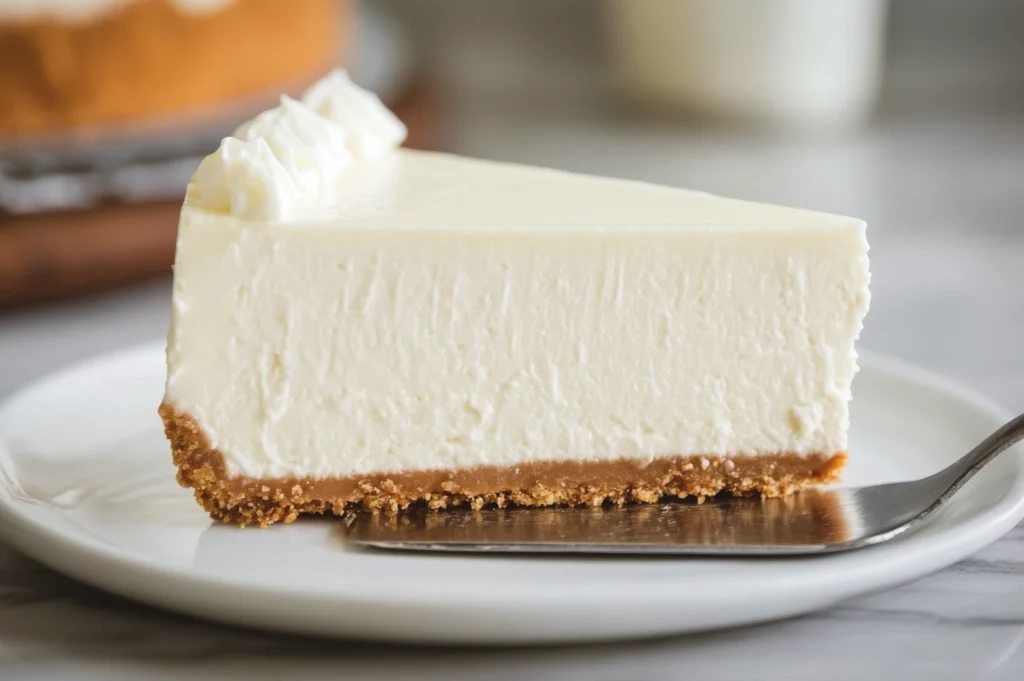
The mouthfeel of a dessert is largely determined by how fats melt at body temperature. Synthetic emulsifiers and vegetable oil blends are often used to create a “smooth” appearance, but these materials have a different melting point than natural milk fats. This results in a coating on the tongue that obscures the actual flavor of the cheesecake.
Material honesty requires the use of fats that integrate seamlessly into the dairy base. When natural fats are used correctly, the cheesecake transition from a solid to a creamy state occurs almost instantly upon contact with the palate. This creates a balanced finish where the flavor disappears cleanly rather than lingering as an oily film.
Achieving a Composed Texture Through Emulsion
A well-composed texture is the result of a perfect emulsion between the aqueous and lipid components of the recipe. In an ingredient-conscious environment, this emulsion must be achieved through mechanical skill and temperature control rather than chemical assistance.
The process involves:
- Monitoring the temperature of the dairy before mixing.
- Controlling the aeration levels to prevent internal voids.
- Managing the thermal transition during the baking process.
When these technical standards are met, the resulting cheesecake exhibits a textural consistency that feels intentional. There are no pockets of moisture or grit. The surface is smooth, and the interior is uniform.
The Shift Toward Functional Ingredients and Plant-Based Proteins
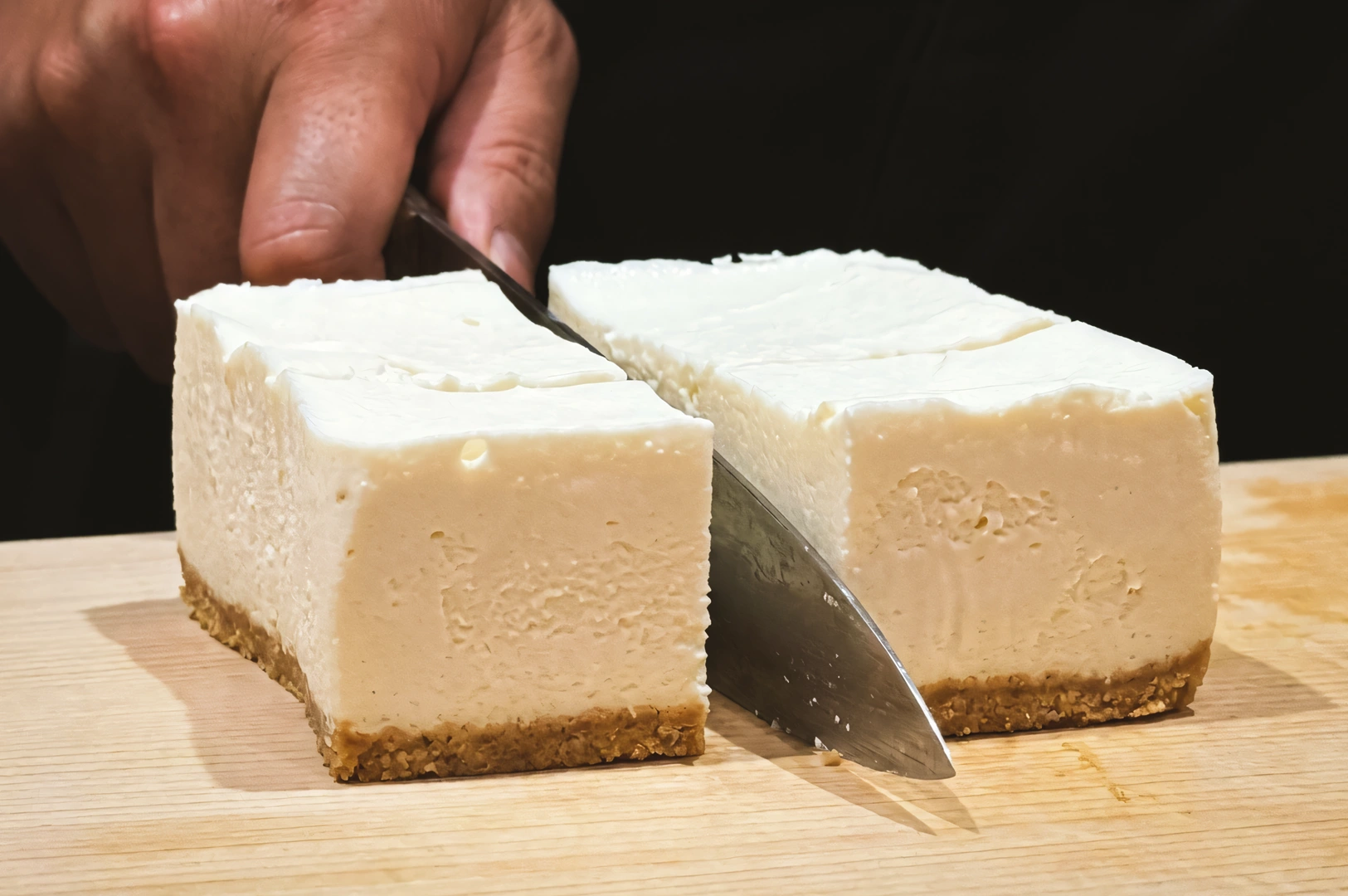
The Singapore market is increasingly interested in how functional ingredients can replace traditional components without losing the essence of the dessert. This is not about health-conscious dieting, but rather about the intelligent application of materials. Soy proteins and nut-based fats are being explored for their unique contributions to the density profile of the cake.
These ingredients are no longer viewed as mere substitutes for those with dietary restrictions. They are respected for their ability to provide a different structural approach. For example, soy-derived proteins can offer a lighter interpretation of the traditional heavy cheesecake while maintaining a sophisticated palate weight.
Comparing Density Profiles Across Different Bases
When comparing a traditional dairy base with a soy-integrated base, the primary difference lies in the finish on the palate. Dairy fats tend to be heavier and more coating. Soy proteins, when processed correctly, offer a clean, linear texture that emphasizes the core flavors of the ingredients.
This comparison is not about determining which is superior. It is about understanding how different materials behave under heat and how they interact with the senses. A market that values material honesty appreciates the technical effort required to master these different mediums.
How Material Honesty Reshapes the Standards of the Singapore Cheesecake Market
The demand for ingredient transparency has raised the baseline for what is considered a premium product. Makers can no longer rely on branding or elaborate garnishes to justify a luxury positioning. The value is found in the provenance of the ingredients and the technical precision of the execution.
A market that understands the difference between a starch-thickened crumb and a protein-structured crumb is a market that demands honesty. When it comes to cheesecake Singapore consumers, many prioritize a “not-too-sweet” profile and a preference for artisanal textures. This environment rewards makers who are willing to strip away the unnecessary and focus on the fundamental quality of their materials.
At Daizu by Ki-setsu, we align with this shift toward transparency through our focus on soy as a foundational element. We view the soybean not as a substitute, but as a material that allows for a more refined alternative to traditional dairy-heavy cakes. By balancing soy and premium dairy, we achieve a structural integrity that remains light on the palate. Our approach is a response to a market that seeks a composed, honest, and technically sound