A common misconception in the culinary world is that the quality of a dessert is directly proportional to its richness. Many believe that for a sweet course to be satisfying, it must possess a high density and an overwhelming fat content. However, the appropriateness of a dessert is rarely about its intensity. It is about the context of the meal and the state of the palate.
The choice between a heavy or light dessert dictates the final impression of a dining experience. Selecting the wrong palate weight can turn a well-crafted dinner into a burdensome event.
Navigating the Appropriateness of Textural Density
Determining whether a heavy or light profile fits the moment requires an analysis of the dining context. The following table outlines how different structural characteristics align with specific scenarios:
Dining Scenario | Recommended Profile | Technical Rationale |
Post-Multi-Course Dinner | Light | Prevents palate fatigue; ensures a balanced finish without digestive strain. |
Standalone Afternoon Tea | Medium to Heavy | Acts as a singular focus; provides a substantial palate weight to pair with tea. |
Humid/Tropical Outdoor Setting | Light | A lower density profile feels cooling; avoids the cloying sensation of melting fats. |
Cold Weather/Winter Comfort | Heavy | High fat content provides warmth and a lingering, coating mouthfeel. |
Post-Spicy/Bold Cuisine | Light | Acts as a clean transition; the finish on the palate neutralizes heat rather than trapping it. |
How the Preceding Meal Determines the Correct Dessert Weight
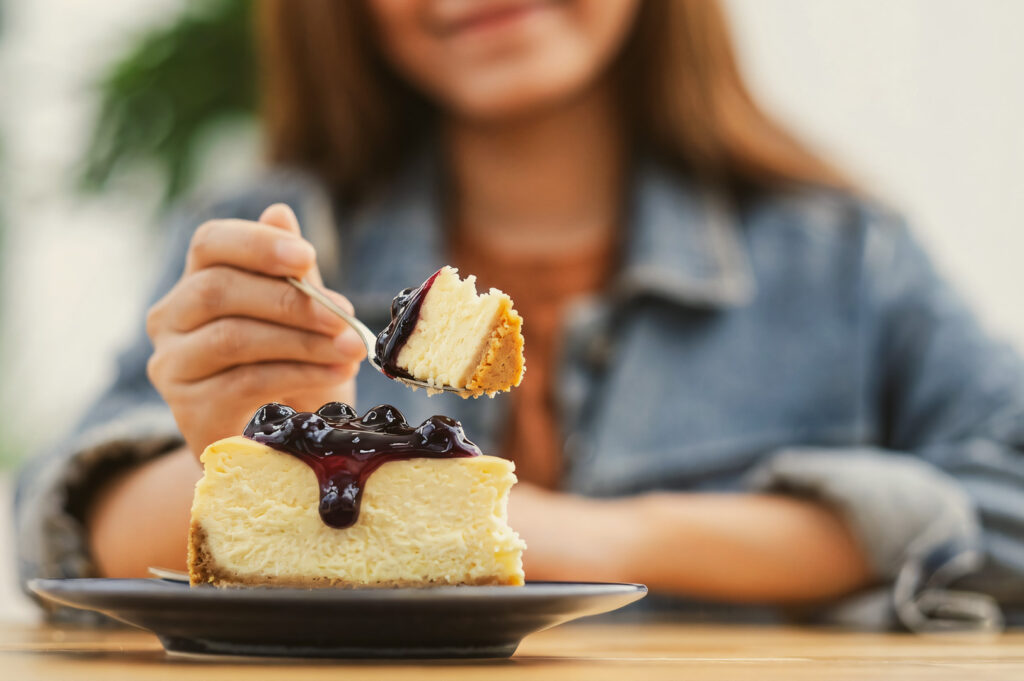
The primary factor in choosing a dessert is the nature of the dishes that came before it. A multi-course meal featuring complex proteins and rich sauces requires a dessert that acts as a palate cleanser. In these instances, a heavy cream-based cheesecake would be counterproductive. It would compete for digestive attention rather than providing a resolution.
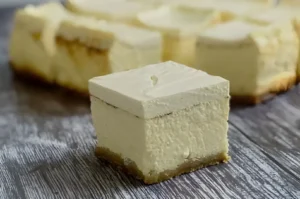
A light cheesecake Singapore residents can enjoy after a full meal is one that prioritizes air and moisture over solid fats. When the stomach is already near capacity, a dessert with a low density profile is the only appropriate choice. It allows the diner to experience a sweet finish without the physical discomfort of overextension.
The Role of Temperature and Climate in Textural Selection
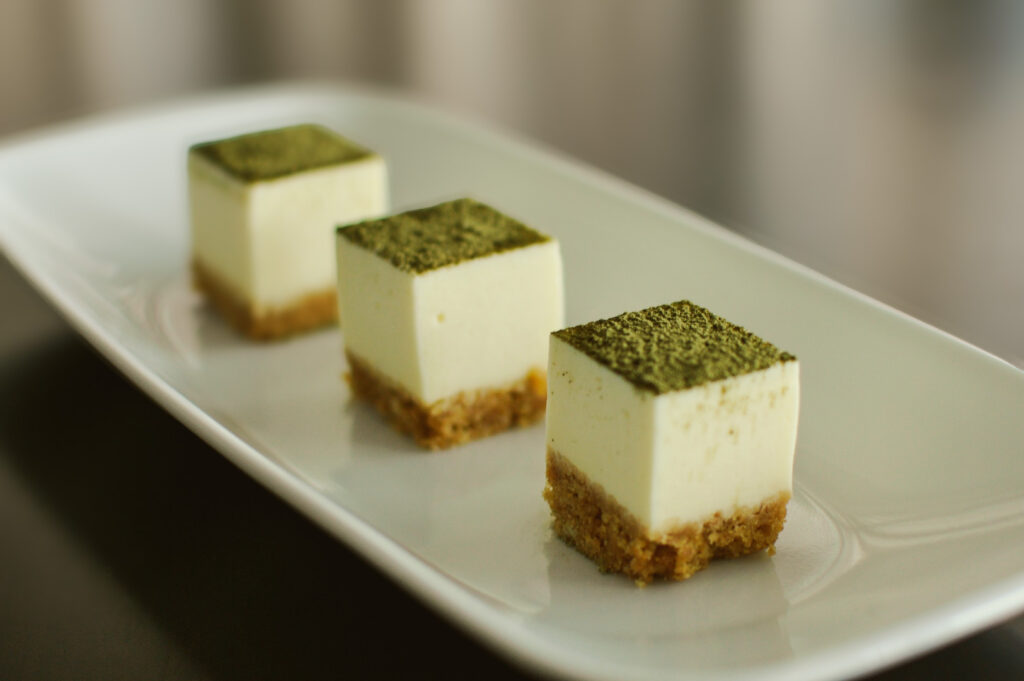
The environment in which a dessert is consumed significantly impacts how its weight is perceived. In colder climates, high-fat, high-density desserts serve a functional purpose by providing sustained energy. These heavy options feel comforting when the air is dry and cool.
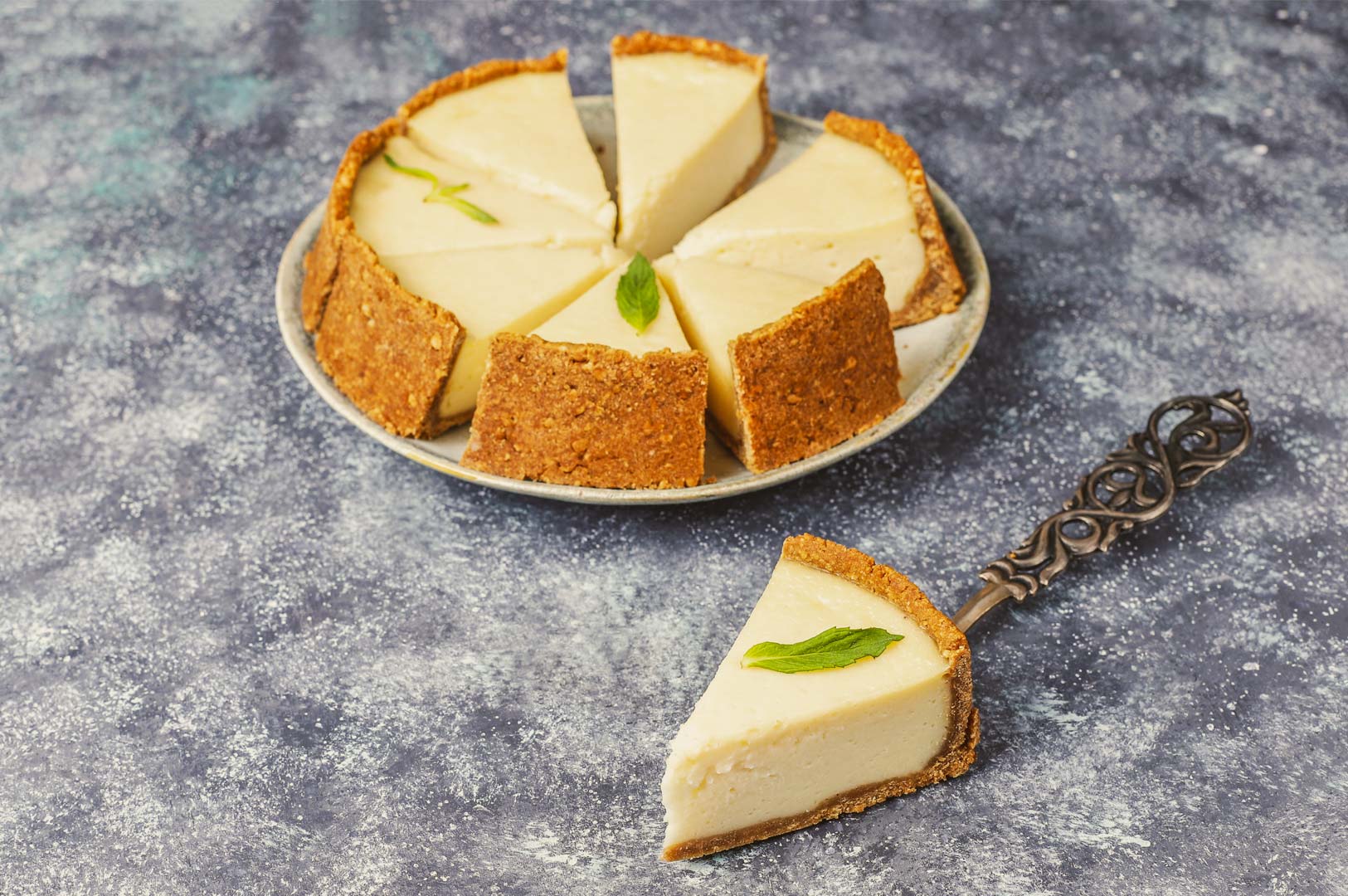
In the humid, tropical environment of Singapore, the perception of fat changes. Heavy, coating textures can feel oily and cloying. This is why the Japanese soy cheesecake has gained prominence. Its lighter mouthfeel is technically suited to the heat. It provides a cooling sensation and a clean finish on the palate, making it the appropriate selection for an afternoon tea or a late-night supper in the city.
Defining Appropriateness Through Density and Structure
A heavy dessert is appropriate when the dessert is intended to be the main event of the sitting. For example, a slice of New York cheesecake, characterized by its dense, compact crumb, is designed to be a meal in itself. It possesses a high structural integrity that requires a slow, deliberate pace of consumption.
Light desserts are appropriate when the focus is on nuance and technical refinement. A well-structured light cake relies on subtle aeration and the use of a soy as structural softener. This approach is suitable for those who value textural consistency and wish to appreciate the delicate interplay of ingredients rather than being overwhelmed by sugar.
When the Occasion Demands a Standalone Indulgence
There are moments when a heavy, dense dessert is the logical choice. Afternoon coffee breaks or specific celebrations often center entirely around the cake. In these scenarios, a more substantial palate weight is acceptable because the dessert is not competing with other courses.
However, even in standalone settings, the modern preference is shifting. Many now find that a composed texture that is light yet flavorful offers a more sophisticated experience. Choosing a soy cheesecake allows for a moment of indulgence that does not dictate the rest of the day’s energy levels. It is an exercise in balance over indulgence.
The Technical Advantage of Soy as a Structural Softener
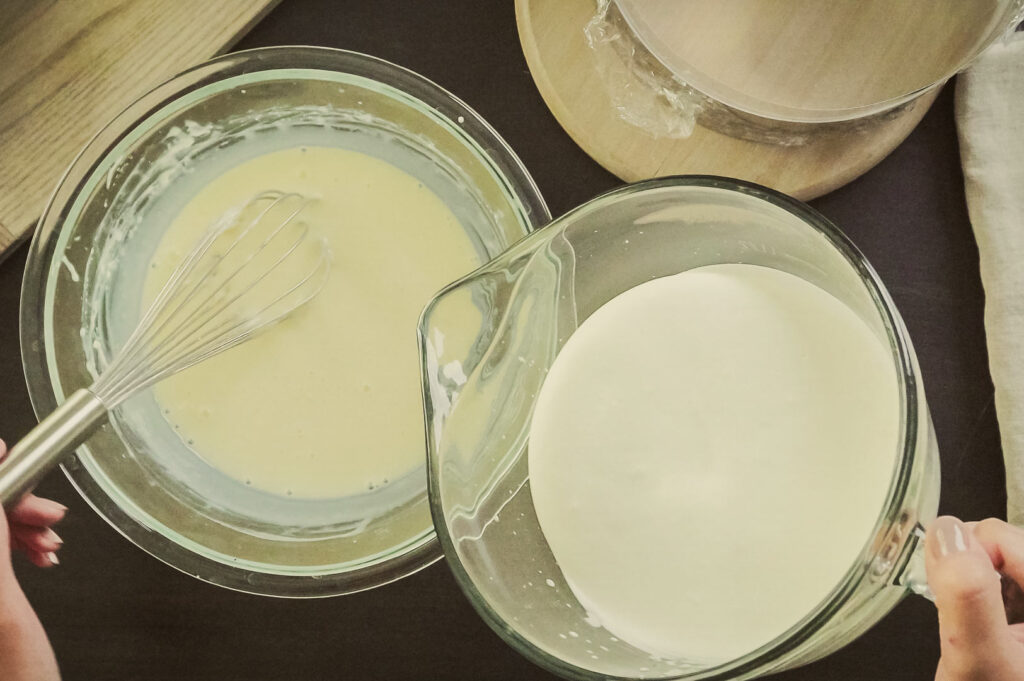
To achieve a dessert that is light yet holds its form, the ingredients must be chosen with precision. Traditional heavy desserts rely on butter and cream to create structure. While effective, this creates a high-calorie, high-density product.
Using soy as a structural softener is a method of achieving structural integrity without the associated weight. Soy proteins provide a different type of lift and a smoother mouthfeel. This makes it an appropriate ingredient for a Japanese soy cheesecake that seeks to provide a balanced finish. It allows the cake to be sliced cleanly while maintaining an ethereal quality on the tongue.
Balancing the Palate After Rich or Spicy Cuisines
In a culinary landscape like Singapore, where spicy and bold flavors are common, the dessert serves a specific functional role. A heavy, dairy-laden dessert can sometimes clash with spice or leave the palate feeling coated.
A lighter option is the more appropriate follow-up. It acts as a neutralizer. The clean profile of a light cheesecake Singapore provides ensures that the bold spices of the main course are balanced rather than buried. This is why many high-end establishments are moving toward a refined alternative that focuses on acidity and light textures.
The Relationship Between Dessert Density and Satiety
Satiety is not just about being full. It is about the feeling of being finished. A heavy dessert often pushes the diner past the point of comfortable fullness. This is rarely the intended goal of a chef.
A light dessert respects the appetite. It provides the necessary sensory signals of a “sweet ending” without the physical weight. When a cake has a light density profile, the body processes it more easily. This makes it the appropriate choice for health-conscious diners or those who simply prefer a more athletic, clean sensation after eating.
Comparing the Basque Style to Lighter Composed Textures
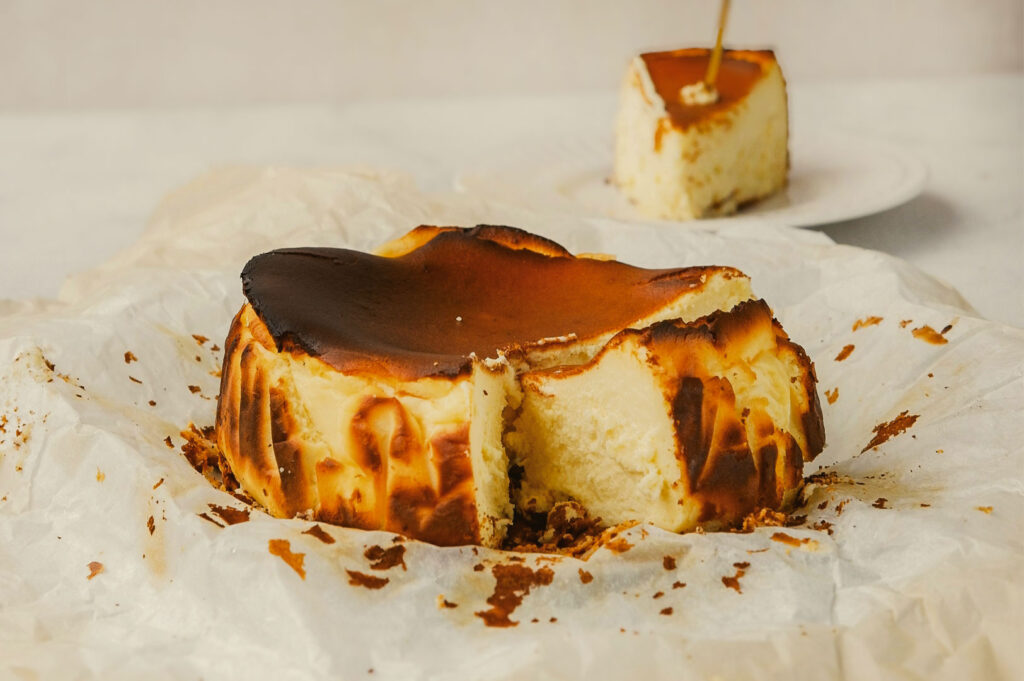
The Basque burnt cheesecake is often cited as a modern favorite. Its appropriateness depends on its execution. If it is overly molten and high in heavy cream, it leans toward the heavy category. It is a bold, singular experience.
In contrast, a Japanese soy cheesecake focuses on a more uniform, composed texture. This consistency makes it appropriate for a wider variety of settings. While the Basque style is a study in scorched contrast, the soy-based style is a study in textural consistency. It is a more disciplined approach that appeals to the diner seeking a well-structured and predictable experience.
The Aesthetic of Lightness in Modern Pastry
There is a visual component to appropriateness. A heavy cake often looks substantial, with thick layers and dense crumb. While appealing in a rustic sense, it lacks the elegance of a finely aerated cake.
A light dessert communicates cheesecake as craftsmanship. The fine pores of the crumb and the delicate way it yields to a fork are visual cues of quality. In an era where dining is a visual and sensory experience, the aesthetic of lightness is increasingly viewed as the standard for luxury. It is a sign of a kitchen that understands restraint.
For more on how cultural preferences shape desserts, check out our article: Why Asian Desserts Tend to Be Less Sweet.
Choosing a Dessert That Respects the Diner
Ultimately, the choice between heavy and light is a question of respect. A heavy dessert demands a sacrifice of appetite and energy. A light dessert offers a gift of flavor and a clean finish on the palate.
At Daizu by Ki-setsu, we believe that the most appropriate dessert is one that enhances the diner’s well-being. Our Japanese soy cheesecake is a refined alternative designed for those who seek a lighter interpretation of a classic. We prioritize texture consistency and a well-structured form to ensure that our cake is always a welcome completion of a meal.
By focusing on soy as a structural softener, we have created a soy cheesecake Singapore can rely on for a balanced finish. It is our contribution to a dining culture that increasingly values the subtle over the blatant. We invite you to experience a dessert that understands its place in your meal and respects your palate.