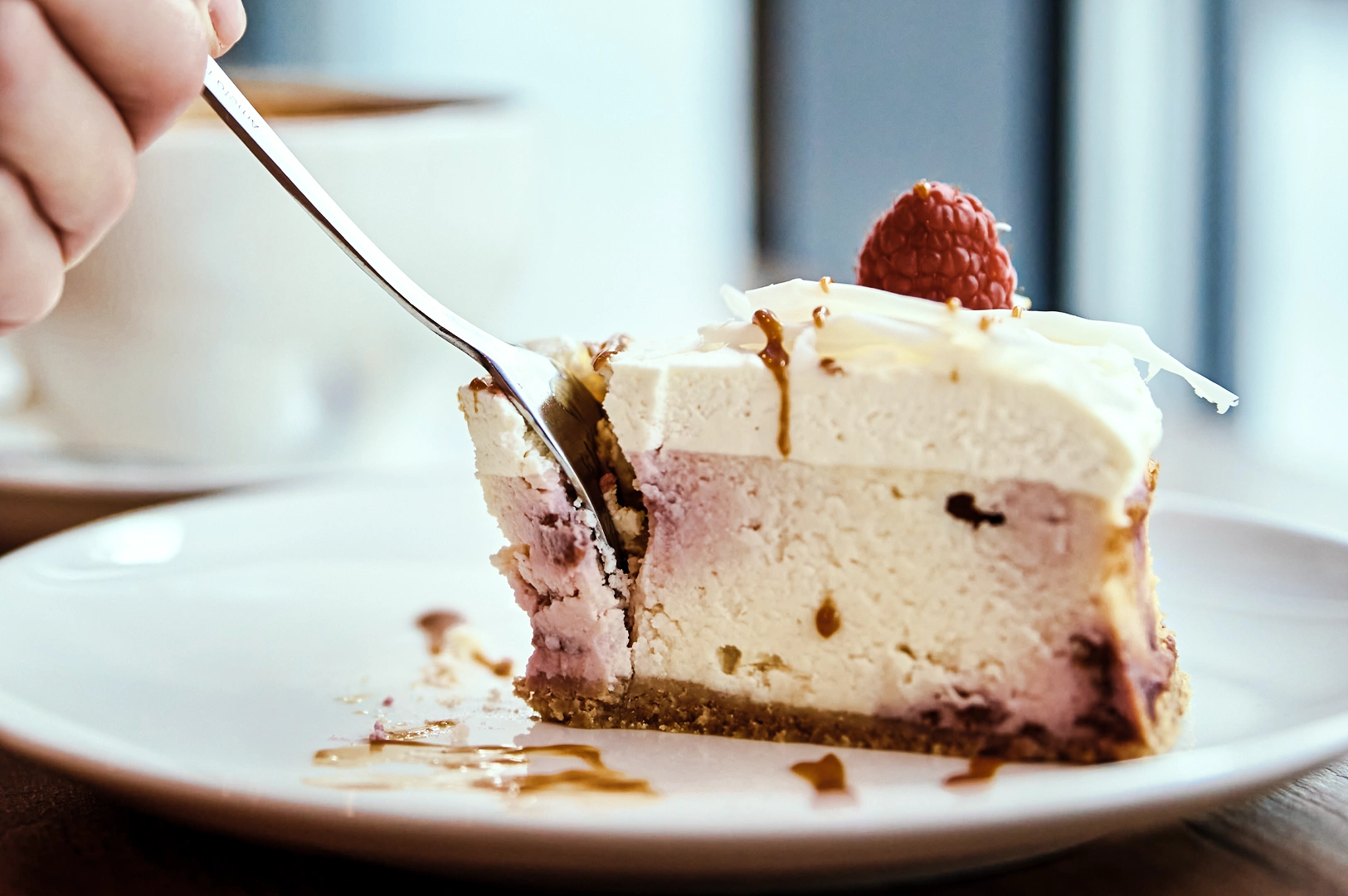
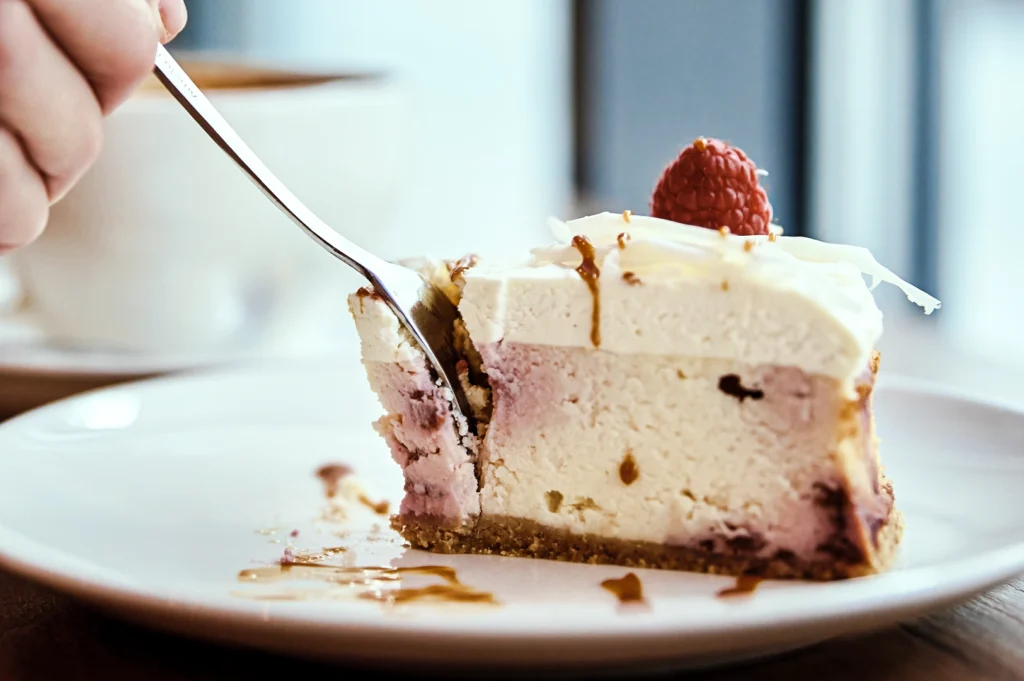
When a fork breaks the surface of a dessert, the experience begins before the first taste. The resistance of the crumb provides an immediate clue about its density. Some desserts coat the tongue with a heavy layer of dairy fat. Others dissolve almost instantly. This physical sensation is known as mouthfeel.
Mouthfeel goes beyond basic flavor profiles. It dictates how heavy a dessert feels in the stomach. It determines whether a sweet course feels like a natural completion to a meal or an overwhelming burden. Those searching for a light cheesecake Singapore residents appreciate must look beyond ingredients. They must look at structural physics.
The weight of a cake on the palate changes based on how its components interact. Water, fat, proteins, and air all play a role in the final texture. To understand why some cheesecakes feel lighter than others, we must examine the mechanics of their composition.
How Palate Weight Dictates the Dessert Experience
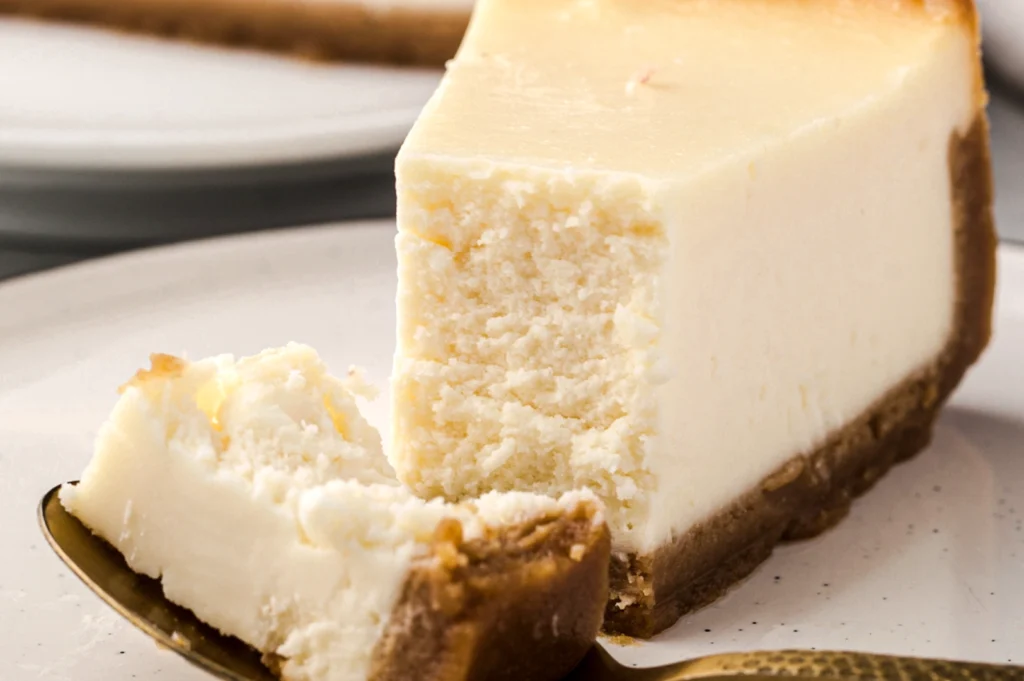
Palate weight refers to how heavy a food feels in the mouth. A traditional New York cheesecake carries a high palate weight. It uses cream cheese and heavy cream as its primary building blocks. These ingredients have a high fat content. They create a dense structure that requires effort to chew and swallow.
A heavy dessert lingers. The fat coats the taste buds and mutes delicate flavors. This creates a prolonged finish on the palate. While some appreciate this density, it often leaves a lingering heaviness. It demands a high level of appetite.
A lighter composition behaves differently. Desserts with lower palate weight dissolve cleanly. They clear the palate quickly. This requires precise moisture management and a careful balance of structural proteins. The goal is to create a composed texture that holds its shape but yields instantly upon consumption.
The Structural Difference Between Baked and Non-Baked Cheesecake
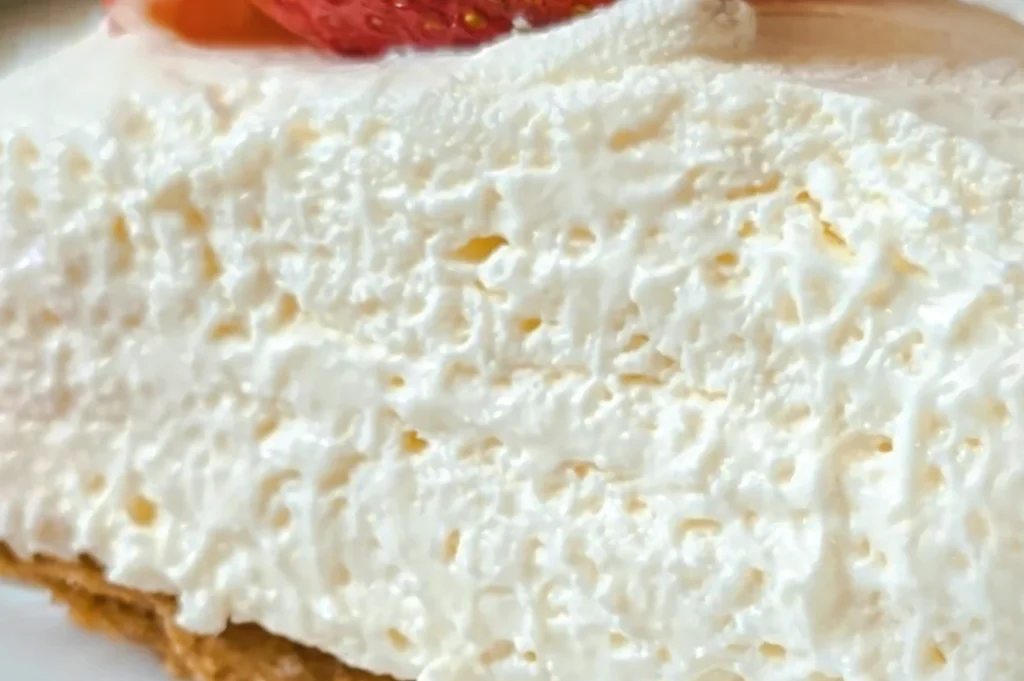
Temperature application fundamentally alters ingredient structure. Heat causes proteins to coagulate. This coagulation sets the shape of the dessert. It traps moisture and creates a firm, stable matrix.
The structural difference between baked and non-baked cheesecake lies primarily in protein manipulation. Baked versions rely on eggs to create a scaffolding. As the eggs cook, they bind the dairy proteins together. This results in a tighter density profile. Basque burnt cheesecakes push this further. They use high heat to create a caramelized exterior while leaving the center loose.
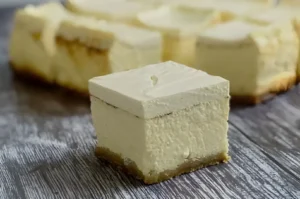
Non-baked versions use entirely different stabilizing methods. They often rely on gelatin or agar to maintain their shape. This creates a uniform, homogeneous texture. Without the binding power of cooked eggs, the crumb remains entirely smooth. However, heavy cream is frequently whipped into these mixtures to provide volume. This can inadvertently increase the palate weight.
Fat Content and Its Influence on Density Profiles
Fat is the primary driver of perceived density. Dairy fat molecules are large and slow to melt at body temperature. When a recipe contains a high percentage of butterfat, the resulting mouthfeel is inherently thick.
Standard cream cheese contains roughly thirty-three percent fat. When combined with sour cream or heavy whipping cream, the fat ratio climbs significantly. This creates a solid block of dairy fat that sits heavily on the tongue. The texture may be smooth, but the structural integrity is dense.
Reducing the fat content directly alters the mouthfeel. However, simply removing fat compromises the stability of the cake. The structure must be supported by alternative means to prevent the dessert from becoming watery or brittle. This requires introducing ingredients that provide softness without the accompanying heaviness.
Air Incorporation in Japanese Soufflé Cheesecake Structures
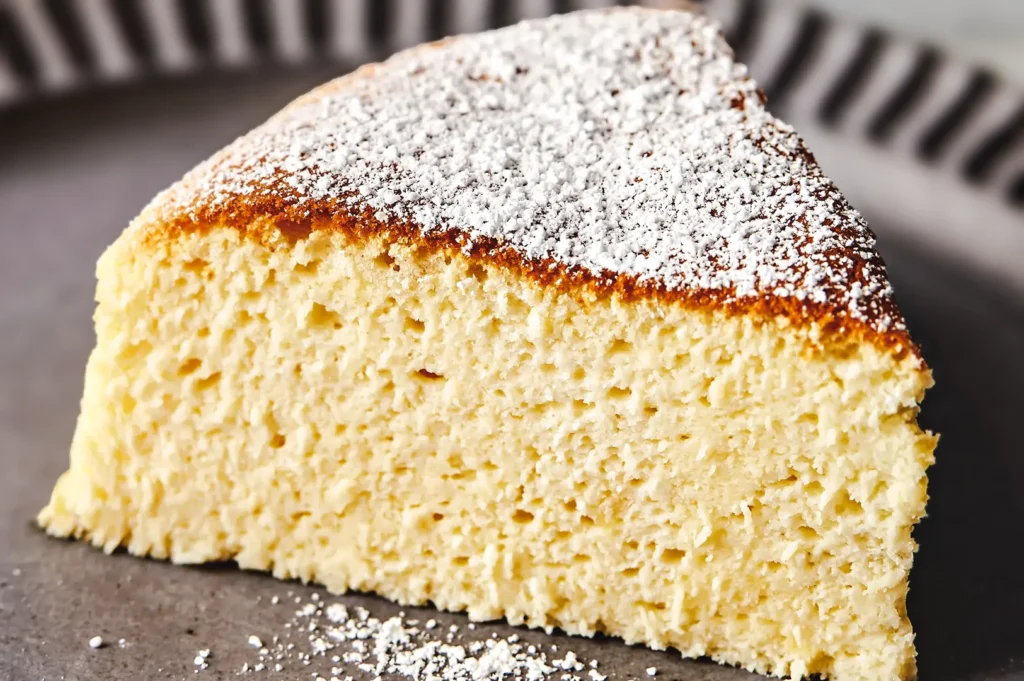
One method for reducing density is the mechanical incorporation of air. A traditional Japanese soufflé cheesecake achieves its signature lift through aeration. Egg whites are whipped into a stiff meringue. This meringue is then folded into the cheese mixture.
The trapped air bubbles act as a physical buffer between the dense dairy proteins. When the cake bakes, the air expands. This creates a sponge-like network. The resulting texture is incredibly porous.
While this technique creates a very airy structure, it changes the fundamental nature of the dessert. The high proportion of eggs can sometimes overpower the cheese flavor. The texture leans closer to a sponge cake than a traditional cheese-based dessert. It is a specific stylistic choice rather than a mere textural adjustment.
Achieving Textural Consistency Without Heavy Dairy
Creating a balanced finish requires discipline. A well-structured dessert must have enough body to feel substantial but enough lightness to remain elegant. This balance is difficult to achieve with conventional baking methods.
Many modern techniques attempt to soften dense cakes by underbaking the center. This creates a textural contrast. The outer ring remains firm while the interior flows. While visually striking, this approach creates an uneven mouthfeel. The diner experiences two entirely different density profiles in a single slice.
True textural consistency requires a homogeneous structure. Every bite should offer the same balanced resistance. Using a soy base helps achieve this uniformity. The soy integrates seamlessly with the dairy. It ensures the entire cake shares the same light, composed texture from edge to center.
The Role of Restraint in Modern Dessert Craftsmanship
The evolution of dessert preferences leans toward balance over indulgence. Diners increasingly appreciate technical execution over sheer richness. This shift places a higher value on mouthfeel and structural integrity.
A dessert should respect the appetite. It should provide a satisfying conclusion to a meal without overwhelming the senses. Achieving this requires a deep understanding of ingredient behavior. It requires the restraint to omit unnecessary fats and heavy binding agents.
We view cheesecake as a canvas for craftsmanship. At Daizu by Ki-setsu, we approach baking with analytical precision. We utilize soy to build a refined alternative to traditionally heavy desserts. Our approach offers a different structural path. For those seeking the best cheesecake in Singapore, we present a disciplined, texturally intelligent option. It is a carefully considered dessert designed to leave a clean, balanced finish on the palate.