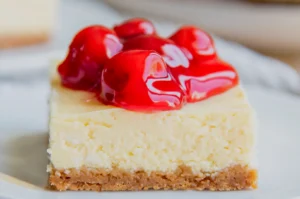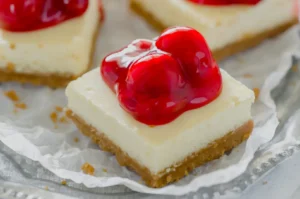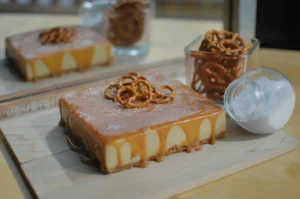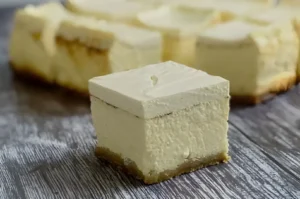
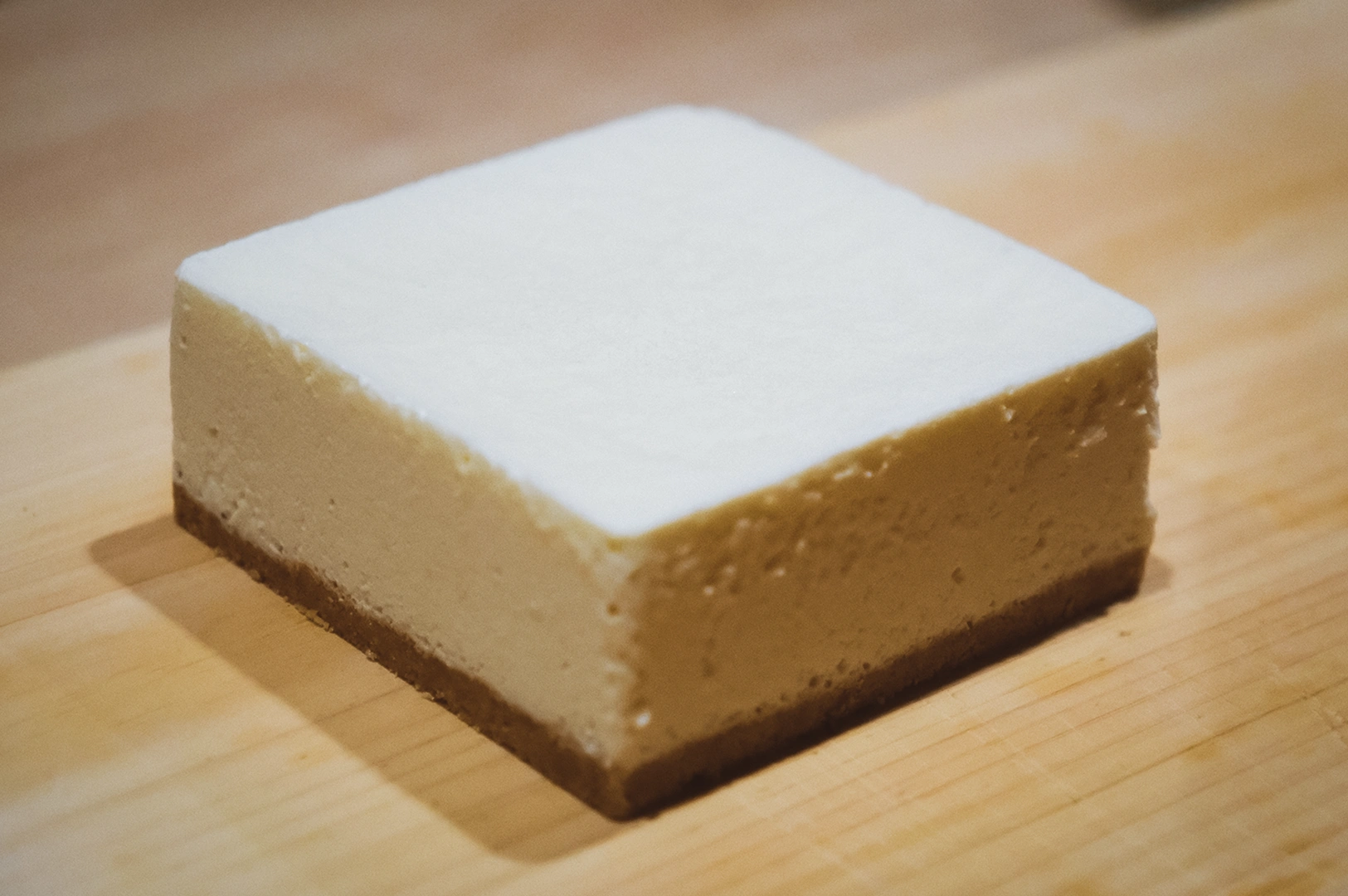
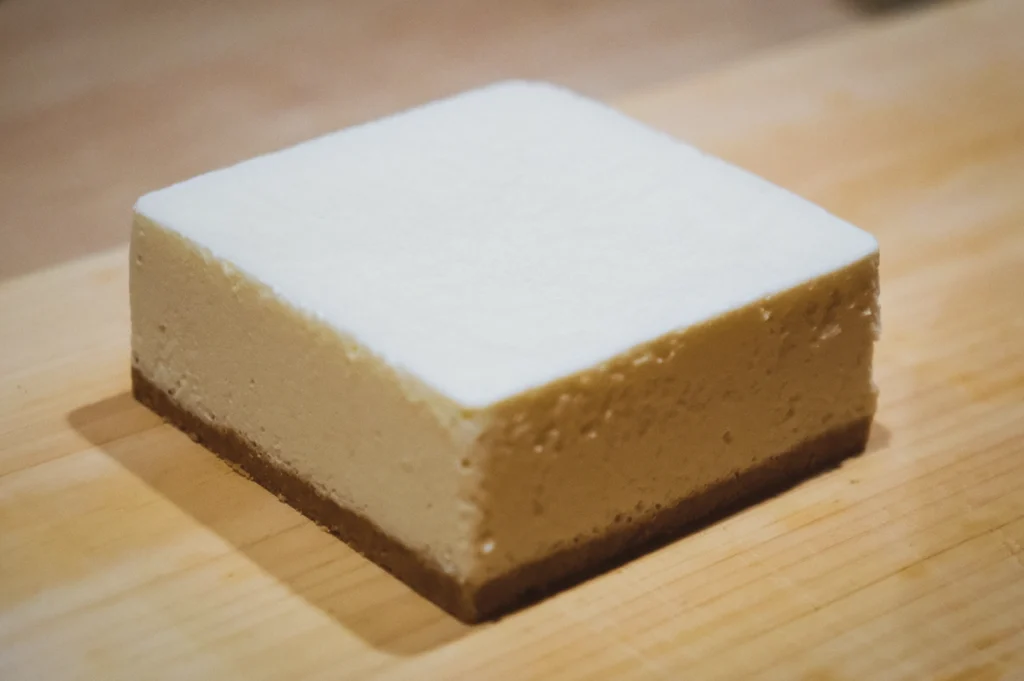
Most people reach for a slice of cheesecake expecting one thing: dense cream cheese, a buttery biscuit base, and a finish that lingers heavily on the palate. Soybean cheesecake does not follow that formula. It starts with the same familiar silhouette but reworks the interior from the ground up, replacing conventional dairy with soya bean derivatives such as tofu cheese cake and soya milk to produce something structurally different and noticeably lighter.
Understanding what sets it apart requires a closer look at the ingredients, the texture, and the category it belongs to. Those who have been searching for the best cheesecake in Singapore by taste alone may find that the criteria shift slightly once they encounter a cake that prioritises balance over richness.
What is Soybean Cheesecake, and How Does It Differ from a Normal Cheesecake?
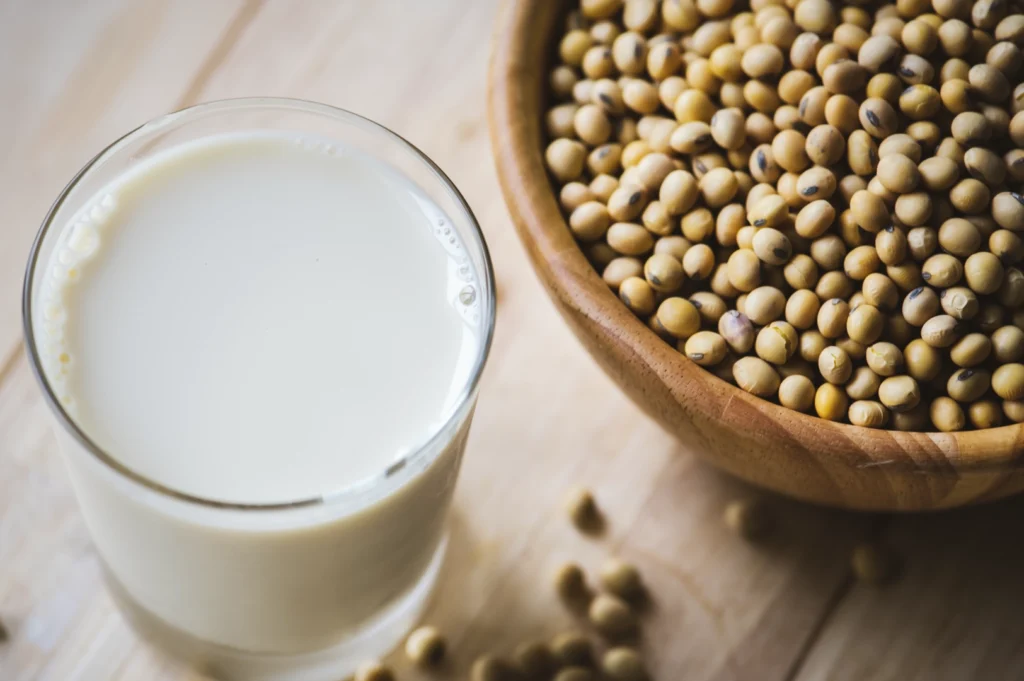
A soybean cheesecake is a dessert that uses soy-derived ingredients, most commonly tofu or soya bean milk, as the primary base in place of cream cheese. The result is a cake with lower saturated fat, a softer density profile, and a cleaner finish on the palate.
In a normal cheesecake, the characteristic weight comes from the fat content in cream cheese, heavy cream, and butter. These components create a rich, compact structure that sets firmly whether baked or chilled. Soybean cheesecake replaces much of that with plant-based alternatives, which changes how the final product behaves in terms of texture, mouthfeel, and overall palate weight.
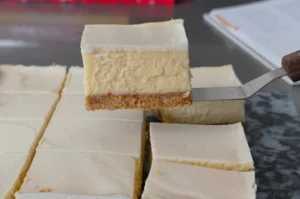
The structural distinction is significant. Where a conventional cheesecake sits dense and firm, a well-made soybean cheesecake carries a softer, more yielding consistency. It holds its shape when sliced but releases more gently on the palate, often described as creamy and yummy.
The Role of Tofu in a Tofu Cheesecake
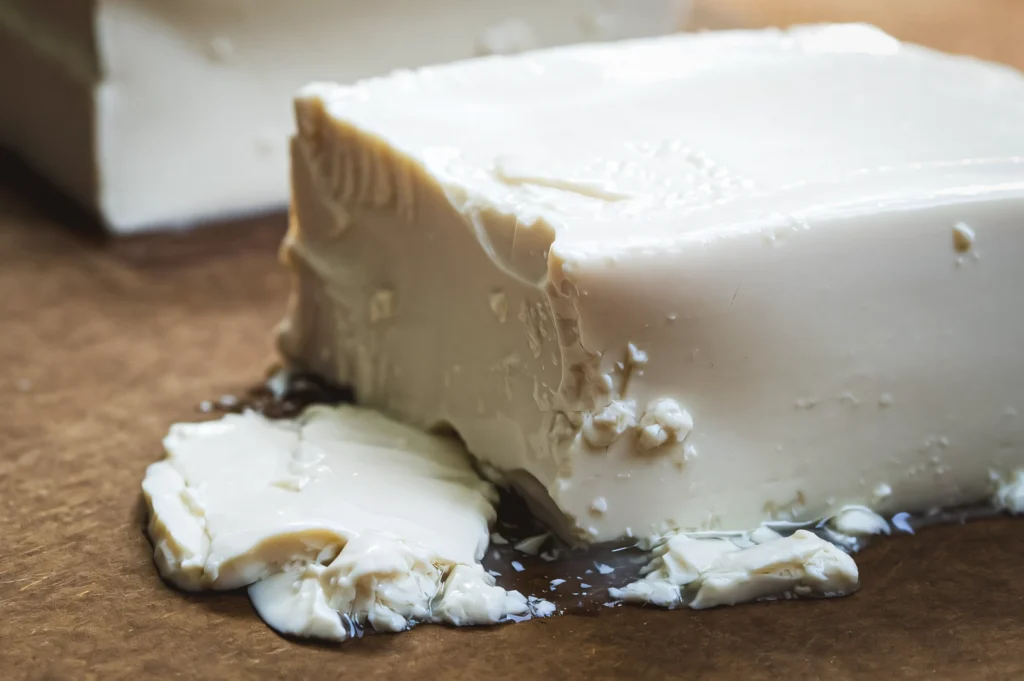
Tofu is one of the most common substitutes used in soybean cheesecake recipes. When silken tofu replaces the cream cheese component, it contributes a smooth texture and neutral flavour that takes on the character of surrounding ingredients rather than dominating them.
Silken tofu has a high moisture content and blends into a fine, uniform consistency in a blender. It requires no heating to break down, and when combined with a small amount of sugar such as g caster sugar and a flavouring element such as vanilla extract, it produces a cream that closely resembles a traditional cheesecake filling in appearance, though not in fat composition.
Firm tofu, by contrast, produces a denser outcome and is less commonly used in recipes that aim for a smooth, lightly aerated result. The choice of tofu type directly affects the density profile of the finished cake.
One practical point for those working with tofu: draining excess liquid before use improves the structural integrity of the filling. Too much moisture in the mixture prevents the cheesecake from setting cleanly, whether baked or chilled.
Soy Milk and Its Contribution to Texture
Soy milk appears frequently in soybean cheesecake recipes, either as a liquid element in the filling or as a component used during the initial preparation stages. Its role is primarily functional rather than flavour-forward.
In a baked version, soy milk adds moisture to the mixture without the fat load of dairy whipping cream or heavy cream. It helps the filling achieve a smooth, pourable consistency before it goes into the oven or cake pan. The result, after baking, is a cake with a lighter body and a subtler mouth texture compared to its dairy-based counterpart.
In a chilled or no-bake version, soy milk is sometimes used to dissolve gelatin for setting, a method that keeps the filling soft and tender once refrigerated in the fridge. The mixture is poured into the prepared base, then cooled until the gelatin is completely dissolved into a stable, even structure.
The fat profile of soy milk also means the filling does not develop the same kind of coating mouthfeel that dairy cream leaves behind. For those who find conventional cheesecakes heavy, this distinction matters.
What is a Soy Milk Rare Cheesecake?
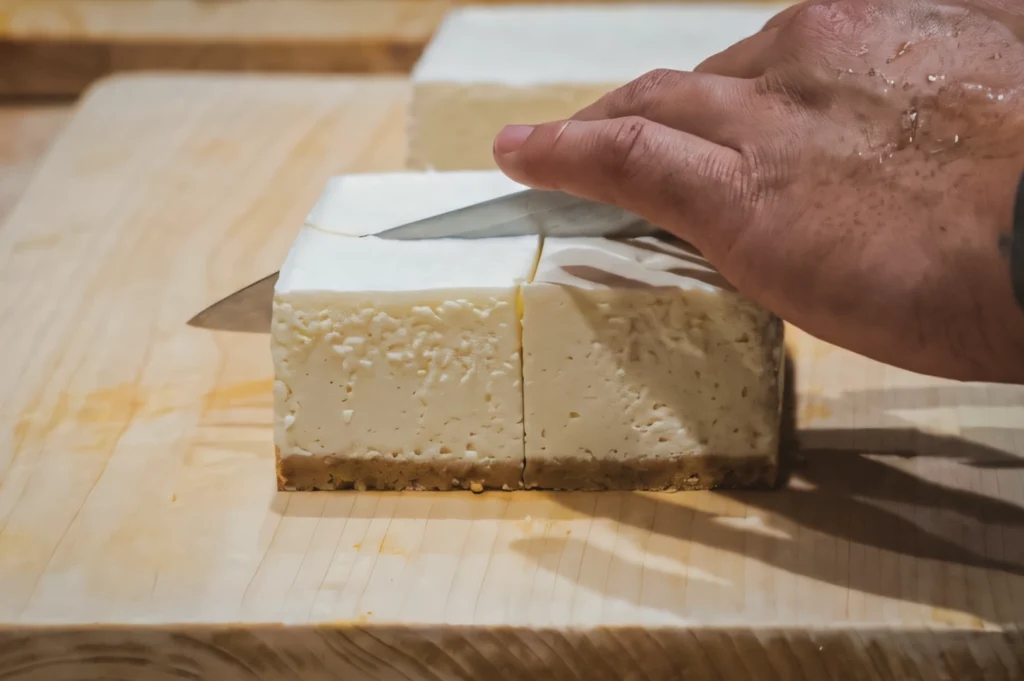
Within the broader category of soybean cheesecake sits a specific style: the soy milk rare cheesecake. “Rare” in this context refers to the no-bake preparation method, borrowed from the Japanese chilled cheesecake tradition. The word “rare” translates loosely from the Japanese “rea” (レア), meaning raw or uncooked.
A rare cheesecake is set using gelatin rather than heat. The filling, which typically contains soy milk, a small amount of cream or a dairy-free alternative such as sour cream or diary whipping cream, sugar, and a setting agent, is combined, poured into a prepared base, and placed in the refrigerator until it holds its form. No oven is used. No water bath is required.
This preparation method produces a very different textural result compared to a baked cake. The interior remains silky and delicate, with a fine, even set that gives way easily when pressed with a spoon. The surface is smooth, without the cracking or browning that can occur during baking.
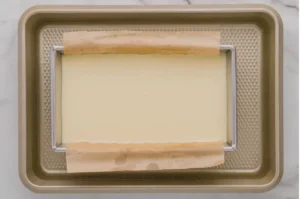
The biscuit base, typically set with butter and pressed into the base of the pan before the filling is added, provides the only textural contrast. Once the cake pan is lined with parchment paper and the base is packed down firmly and placed in the refrigerator to set, the foundation holds cleanly when sliced.
The Soya Bean Advantage: Why It Works as a Dessert Base
Soya bean products carry properties that suit cheesecake production more directly than many other plant-based alternatives. They are relatively neutral in taste, dense enough to create a substantive filling, and fine-grained enough to blend into a smooth, consistent mixture without visible separation.
The soya bean powder in this context is not metaphorical. Soy protein binds moisture effectively, which contributes to a consistent texture throughout the slice. It does not behave in the same way as nut-based creams or coconut alternatives, which can carry dominant secondary flavours or an uneven cornstarch integration.
For a dessert where textural consistency is one of the main standards of quality, soya bean ingredients perform reliably. They do not require the same level of fat addition to hold together, and they respond predictably to chilling and setting.
How a Soybean Cheesecake is Assembled
The assembly of a soybean cheesecake involves preparing the base and filling, whether chilled or baked. The biscuit base is made by crushing biscuits, mixing with melted butter, and pressing into a parchment-lined pan to chill until firm. The butter-to-biscuit ratio affects how well the base holds when sliced.
For a no-bake version, soy milk is gently heated with sugar, gelatin, and water until dissolved, then cooled and blended with tofu and other ingredients like yogurt or vanilla for smoothness. It is important that ingredients such as cream cheese and tofu are at room temperature before blending to ensure a smooth mixture. This filling is poured over the base and refrigerated for at least four hours to set.
In a baked version, the filling is similarly blended and poured into the pan, then baked at a moderate temperature, often in a water bath to prevent cracking. The cake is removed when the center is set but still slightly wobbly, then cooled and refrigerated to finish setting.
Texture, Density, and What to Expect on the Palate
Eating a soybean cheesecake is not the same experience as eating a conventional one. The distinction shows most clearly in the density and the finish.
The interior carries a delicate, even texture. It is not airy in the way a soufflé-style cake would be, but it does not carry the compressed weight of a dense cream cheese-based filling either. The mouth texture is smooth and uniform throughout, without the slight graininess that can appear in lower-quality dairy fillings.
The finish is cleaner. Without the coating fat of dairy cream, the cheesecake does not leave a prolonged richness on the palate. It ends distinctly, which makes a second slice feel less heavy than it might with a conventional version.
The tofu cheese layer, when properly drained and blended, should carry no discernible bean flavour. When that balance is achieved, the flavour profile reads as mild, lightly sweet, and composed.
What Makes a Good Soybean Cheesecake Worth Noting
Not all soybean cheesecakes perform at the same level. The quality of outcome depends heavily on ingredient selection, the correct handling of gelatin, the ratio of liquid to setting agent, and the precision of the chilling process.
A filling that has not been blended long enough at high speed will carry visible inconsistencies. A gelatin ratio that is too high produces a rubbery result that resists the spoon rather than yielding to it. A base that has not been sufficiently cooled will shift when the filling is poured.
These are not minor points. They define the difference between a well-structured soybean cheesecake and one that simply resembles one from a distance.
Soya Bean Power: A Healthier Twist That Demands the Same Standards
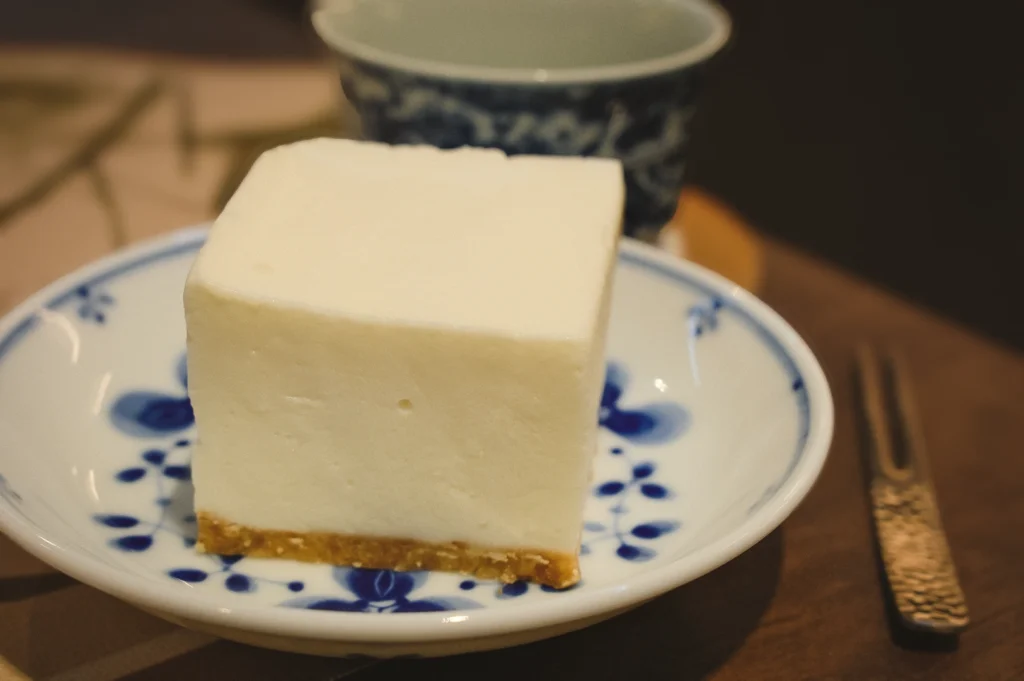
The healthier profile of a soybean cheesecake is earned, not assumed. Reducing saturated fat and replacing dairy with plant-based ingredients does not automatically produce a better dessert. What it offers is a different structural approach, one that, when executed precisely, delivers a clean and balanced result.
At Daizu by Ki-setsu, the soybean rare cheesecake is approached with the same standards applied to any serious dessert: controlled density, consistent texture across every slice, and a finish that does not overstay. The question soybean cheesecake poses is not whether it can match its dairy counterpart in weight, but whether a lighter, more considered structure can be just as purposeful.
The answer, when the recipe is sound, is yes.