A multi-course meal often spans several hours and explores numerous complex flavor profiles. By the time the final savory plate is cleared, the diner inevitably experiences a specific level of palate fatigue. Historically, the subsequent sweet course ignored this fatigue. It simply delivered a dense concentration of sugar and heavy dairy. Today, modern restaurant tasting menus approach this transition with entirely different structural priorities.
The final course is no longer an exercise in overwhelming sweetness. It is a carefully calibrated progression designed to restore the palate. Pastry chefs now meticulously analyze density, acid, and temperature to conclude the meal with precision. They view the dessert not as a separate entity, but as the logical, refreshing conclusion to a long sequence of dishes. This article examines how fine dining establishments are redefining the structural integrity and composed texture of the dessert course, prioritizing balance over indulgence.
Shifting the Focus from Indulgence to Structural Balance
For decades, the standard dessert relied heavily on a high density profile. Rich chocolates, heavy creams, and excessive sugars dominated the plate. This traditional approach often left diners feeling physically uncomfortable at the conclusion of a meal. The modern kitchen recognizes that a heavy palate weight at the end of a long dining sequence is a fundamental structural flaw.
The focus has decisively shifted toward creating a balanced finish. Pastry chefs now calculate the cumulative weight of the preceding savory dishes. They deliberately design desserts that actively counter that heaviness. This requires a strict, calculated reduction in overall sugar content. It also demands a significant reduction in heavy, coagulated animal fats.
The primary goal is to provide a composed texture that satisfies the diner without overwhelming their sensory receptors. When fat and sugar are reduced, the structural integrity of the dish must be maintained through superior technique. This shift forces kitchens to rely on intelligent formulation rather than simple richness.
Integrating Savory Elements in Restaurant Tasting Menus
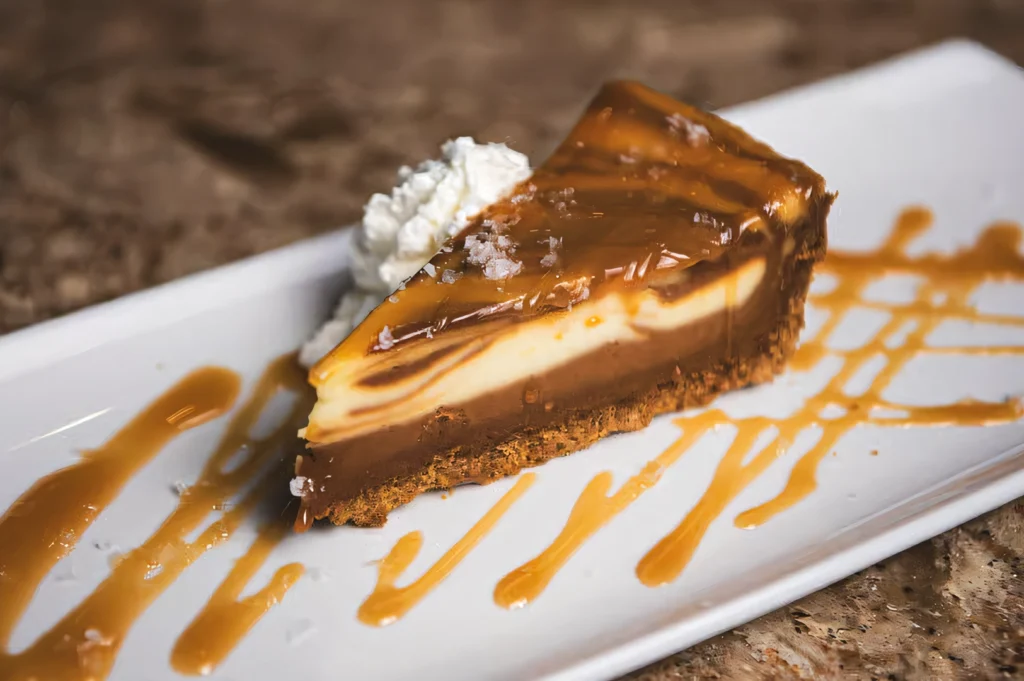
To achieve this necessary balance, modern pastry kitchens are frequently borrowing techniques and ingredients from the savory stations. It is now common to find vegetables, herbs, and significant levels of salinity in the final course of restaurant tasting menus. These unconventional elements are never added merely for shock value. They serve a highly specific, functional purpose in the dessert’s architecture.
Salt mitigates underlying bitterness and enhances subtle dairy notes without requiring the addition of extra sugar. Precise acidity cuts through any residual fats left on the tongue from earlier courses. Incorporating these components creates a remarkably clean finish on the palate.
A dessert utilizing a high-quality olive oil, flaky sea salt, or an acidic fruit reduction effectively resets the diner’s sensory baseline. It clears the palate rather than coating it. This intelligent use of savory profiles transforms the final course from a heavy, exhausting anchor into a bright, refreshing conclusion.
The Critical Role of Temperature in Defining Mouthfeel
Temperature is a vital component of dessert architecture that directly dictates the tasting experience. Historically, desserts were often served statically cold or uniformly hot. Contemporary kitchens understand that extreme temperatures can mask subtle flavors and ruin a carefully composed texture. Extreme cold numbs the taste buds, while excessive heat can destroy delicate emulsions.
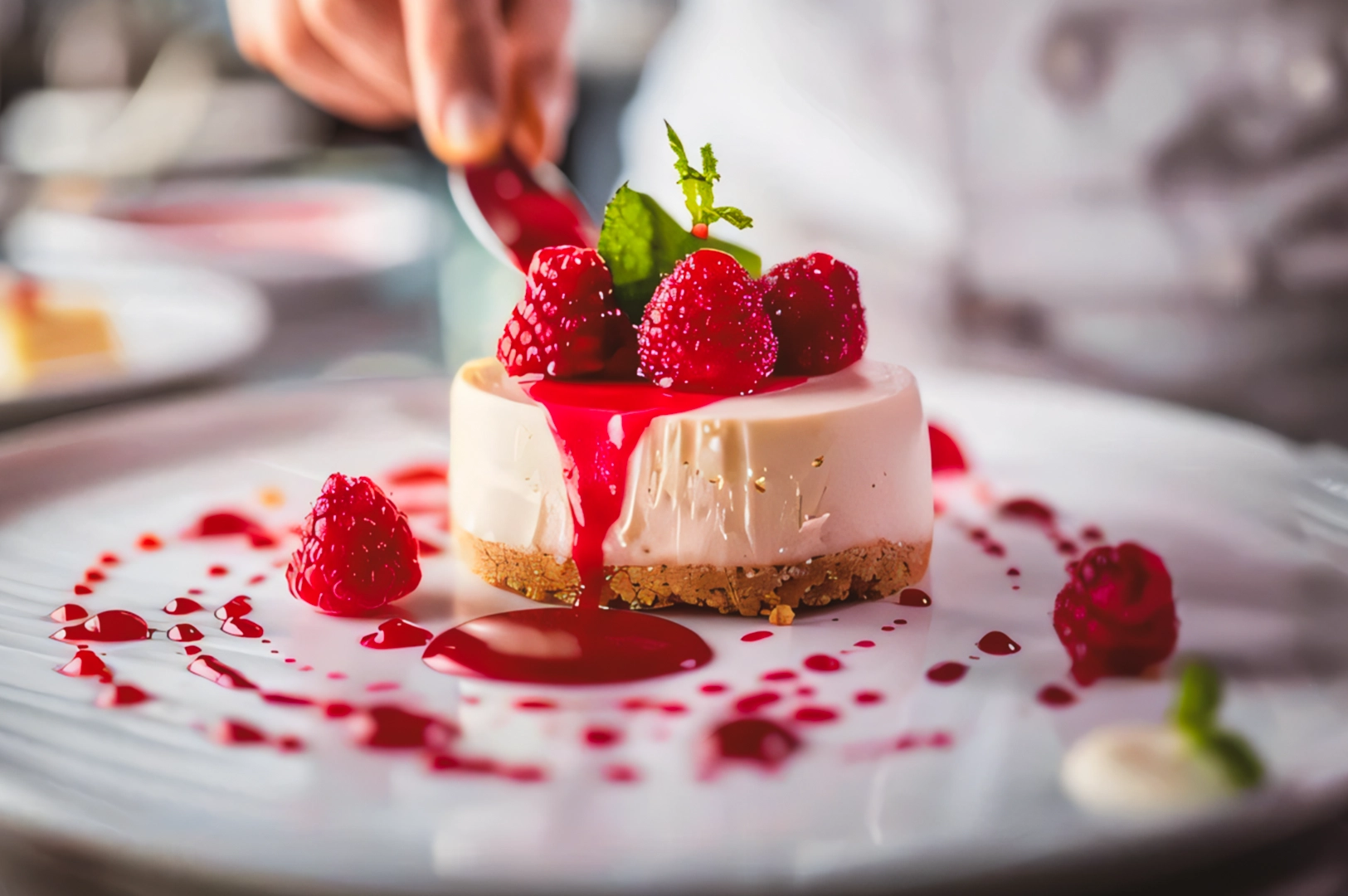
Modern chefs utilize controlled temperature gradients to enhance mouthfeel. A single dish might feature a chilled, structurally firm element resting alongside a room-temperature gel or a slightly warmed sauce. This deliberate contrast keeps the palate actively engaged with every bite.
Furthermore, managing the serving temperature of dairy-based components is essential for maintaining textural consistency. Fats must be served at a temperature where they yield easily on the tongue. If a high-fat element is served too cold, it feels waxy and unyielding. Precise temperature control ensures the dessert melts cleanly, contributing to a lighter density profile and a superior tasting experience.
Prioritizing Textural Consistency over Heavy Density
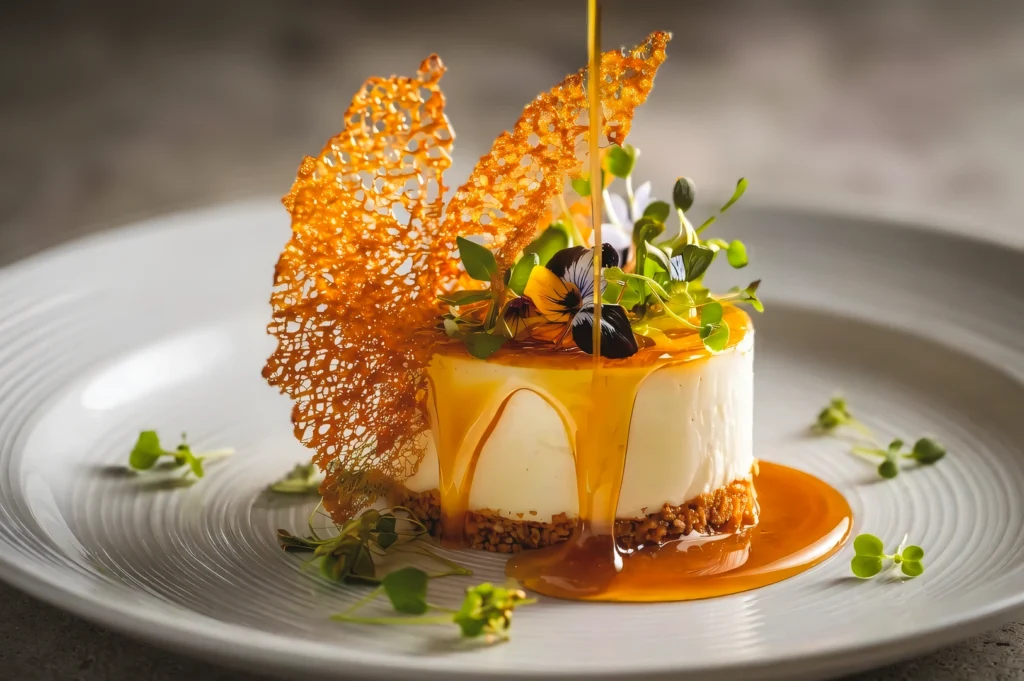
Texture communicates as much culinary information as the physical ingredients themselves. A dense, unyielding block of cake or heavy custard tires the human mouth very quickly. Modern pastry architecture prioritizes a yielding, intelligent mouthfeel over sheer volume. Chefs manipulate starches, precise aeration techniques, and hydrocolloids to achieve this specific goal.
A well-structured dessert often features multiple, distinct layers of physical resistance. A crisp, delicate tuile might provide a sharp snap before yielding to a softly aerated foam or a precise, smooth gel. This carefully planned variation prevents palate fatigue.
Furthermore, reducing the reliance on heavy animal fats prevents the dessert from leaving a lingering, unpleasant residue. The resulting textural consistency is significantly lighter. This allows the nuanced, subtle flavors of premium base ingredients to register clearly and accurately on the palate.
How Restaurant Tasting Menus Inform a Lighter Structural Approach
The philosophy behind modern tasting menus offers a blueprint for the future of dessert. Core principles like reducing palate weight and ensuring a clean finish aren’t just for fine dining, they can be applied to any dessert concept. Consumers are increasingly seeking out these kinds of intelligently formulated desserts, wanting the satisfaction of a well-structured treat without the heavy, cloying feeling of traditional recipes. By replacing heavy dairy with functional alternatives, it’s possible to achieve this precise balance.
At Daizu by Ki-setsu, we use Japanese soy as a foundational element to moderate fat ratios while maintaining a beautifully composed texture. This approach provides a refined alternative to heavy, traditional cakes. By focusing on a lighter structure, we offer a dessert experience that respects the palate, reflecting the same disciplined focus on balance and texture found on the world’s most progressive tasting menus.