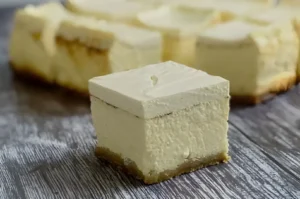
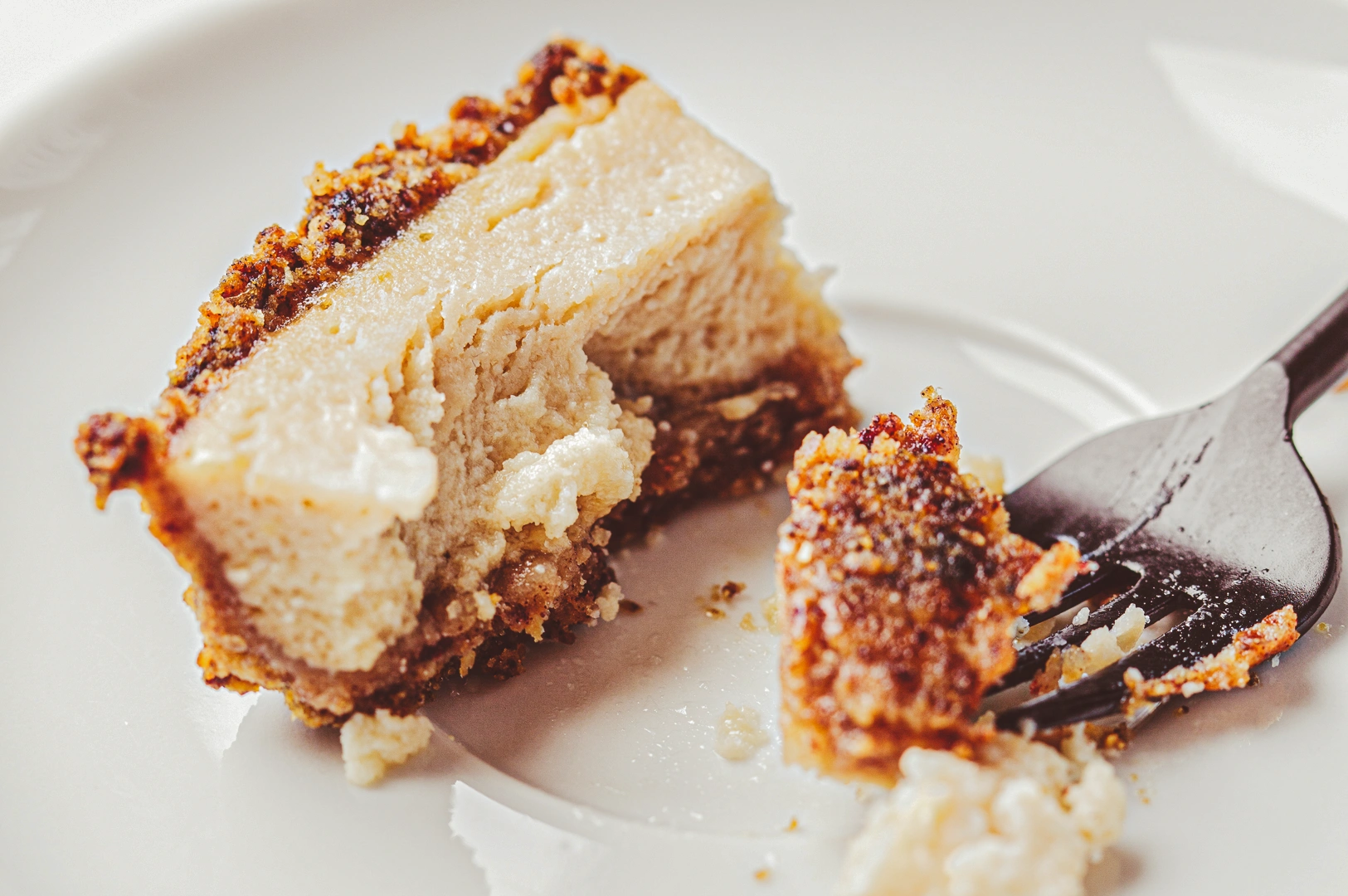
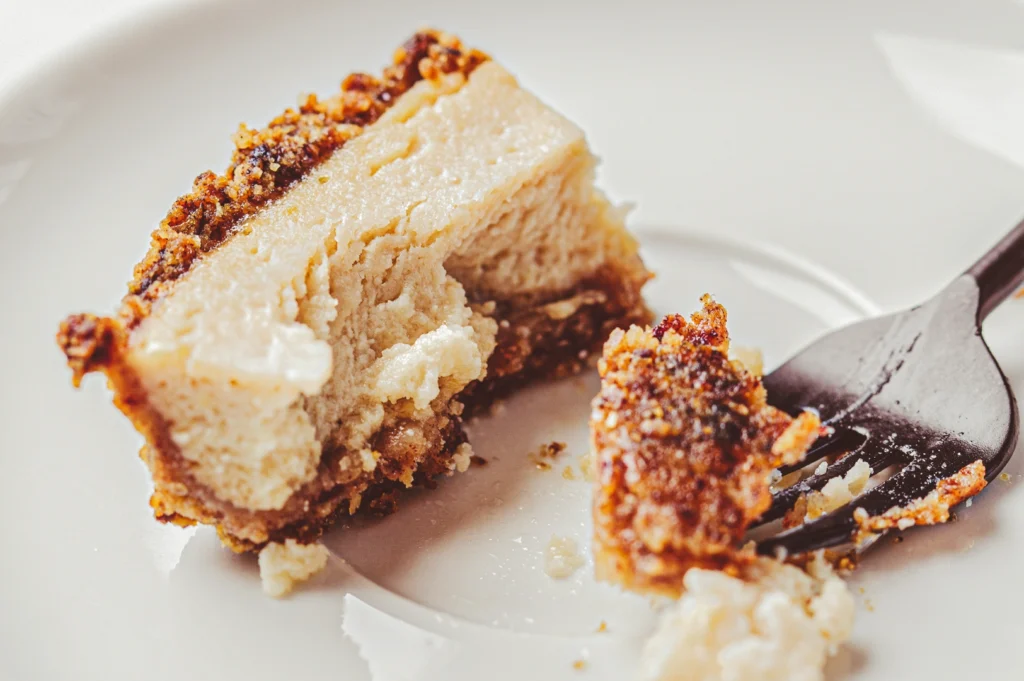
The human palate is designed to seek out sweetness and fat. These components signal high energy density to the brain. However, most diners have experienced a specific physical sensation halfway through a traditional dessert. The first bite is exceptional. The third is pleasant. By the fifth, the palate feels coated, the throat feels restricted, and the stomach signals a definitive stop.
This phenomenon is not merely a lack of appetite. It is a biological and textural response to specific ingredient ratios. When a dessert is engineered for immediate impact rather than sustained consumption, it leads to what professionals call “palate fatigue.” This is the point where the sensory receptors become overwhelmed by a single, dominant profile.
In the context of the cheesecake Singapore market, this dead-end is common. Many recipes rely on a heavy saturation of fats and sugars to achieve flavor. While effective for a single bite, this approach fails to consider the structural integrity of the entire eating experience.
The Role of Lipid Saturation in Palate Fatigue
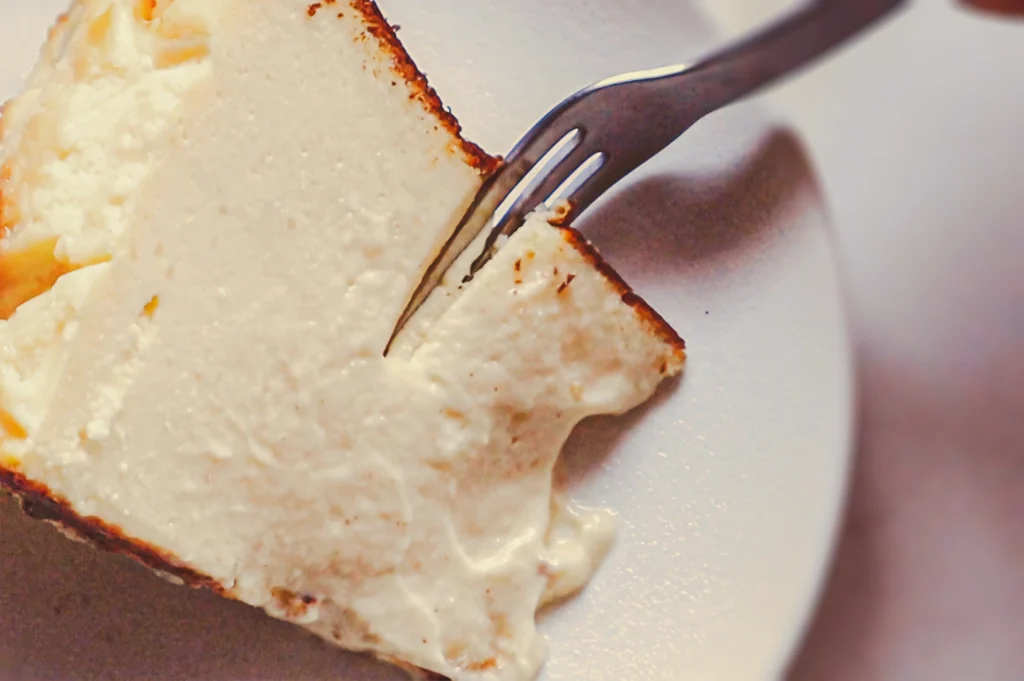
The primary reason a stomach hits a hard limit with cheesecake is the lipid profile. Traditional dairy-heavy cheesecakes rely on high-fat cream cheese and heavy cream. These ingredients are rich in saturated fats. When these fats enter the mouth, they melt at body temperature and coat the tongue.
This coating creates a barrier between the taste buds and the food. As you continue to eat, the barrier thickens. The nuances of the flavor are lost. All that remains is a sensation of weight. This is why the last few bites of a dense New York cheesecake often feel like a chore rather than a reward.
A high lipid content also slows down gastric emptying. The stomach requires more time and effort to process concentrated fats. When the digestive system detects this heavy load, it sends hormonal signals to the brain to suppress the desire for more. The “dead-end” is a physiological defense mechanism against over-saturation.
How Structural Density Mimics Fullness
Texture plays a significant role in how the brain perceives satiety. A dessert with a high structural density requires more mastication. It feels substantial on the tongue. While substance is often equated with quality, excessive density can be counterproductive.
Many cheesecakes are built to be structurally rigid. They use stabilizers or high ratios of egg yolks and flour to maintain their shape. This creates a thick, pasty mouthfeel. As the density increases, the effort required to move the cake across the palate also increases.
The Impact of Viscosity
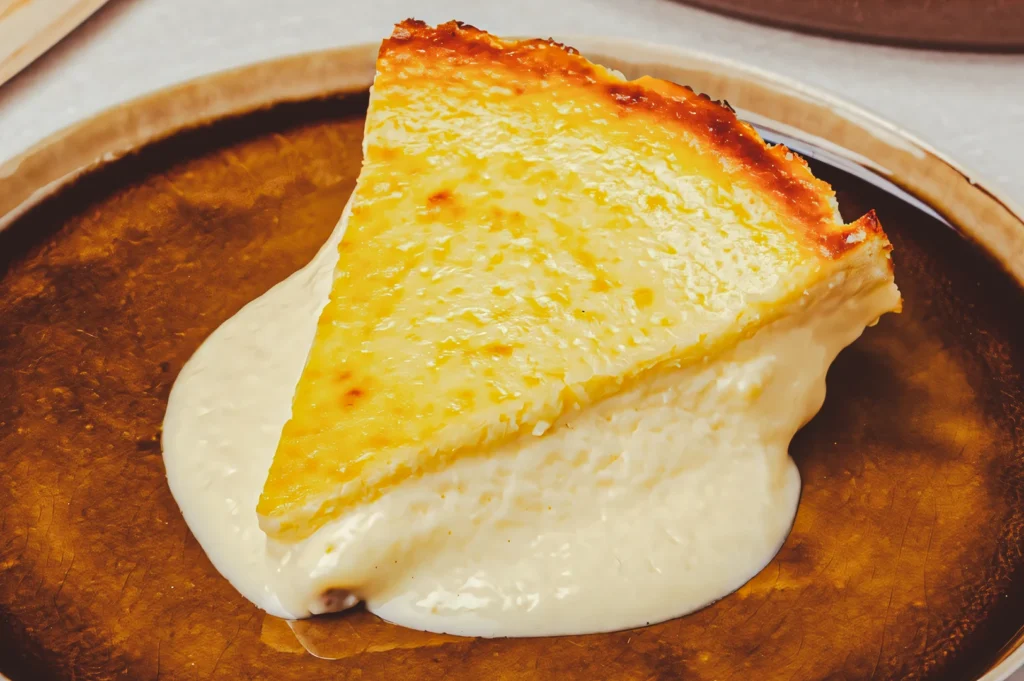
Viscosity refers to the thickness or “stickiness” of a substance. In many molten or “lava” style cheesecakes, the center is designed to be fluid. However, if that fluidity is achieved through high sugar and fat concentrations, it becomes hyper-viscous.
Hyper-viscous textures cling to the back of the throat. This triggers a “cloying” sensation. When a dessert is too viscous, the body instinctively slows down consumption. This is a common issue with a heavy cheesecake in Singapore that prioritizes a “oozing” visual over a balanced finish.
Air Incorporation and Volume
The opposite of density is aeration. A Japanese soufflé cheesecake, for example, uses whipped egg whites to create volume. While this feels lighter initially, it often lacks a sustained flavor profile. The stomach does not hit a limit due to fat, but the palate becomes bored because the texture disappears too quickly.
The challenge is finding a middle ground. A dessert needs enough density to feel purposeful, but enough lightness to avoid the “hard limit” of the stomach.
The Sugar Spike and the Sensory Specific Satiety
The “Dessert Dead-End” is also driven by sugar concentration. Most commercial cheesecakes are heavily sweetened to mask the tang of low-quality dairy. This causes a rapid spike in blood glucose levels.
The body responds to this spike by releasing insulin. As blood sugar levels fluctuate, the brain’s reward center begins to dampen its response to the food. This is known as sensory-specific satiety. You are not necessarily full in a general sense, but you are physically unable to enjoy more of that specific flavor profile.
A balanced dessert avoids this by using complex sweetness. Instead of a singular note of refined sugar, a well-structured dessert incorporates acidity or savory elements. This keeps the sensory receptors engaged for longer. It prevents the brain from “switching off” the appetite before the portion is finished.
Comparing Palate Weight Across Cheesecake Styles
To understand why some desserts feel heavier than others, we must look at the specific composition of various styles. Each style has a different “palate weight.”
- New York Style: This is the densest category. It has a high cream cheese-to-air ratio. The palate weight is heavy. The finish is long and lingering, which often leads to an early feeling of fullness.
- Basque Burnt Style: This relies on high heat and heavy cream. The fat content is significant. While the charred top provides a bitter contrast, the interior is often very rich. This style is prone to causing palate fatigue quickly.
- No-Bake/Chilled Style: These often use gelatin for structure. The texture is “set” rather than baked. Because they are served cold, the fats do not melt as quickly on the tongue. This can mask the richness temporarily, but the stomach limit remains the same.
A light cheesecake in Singapore should ideally aim for a medium palate weight. It should offer enough resistance to be satisfying, but it should clear the palate efficiently after each swallow.
Why Soy Protein Alters the Saturation Point
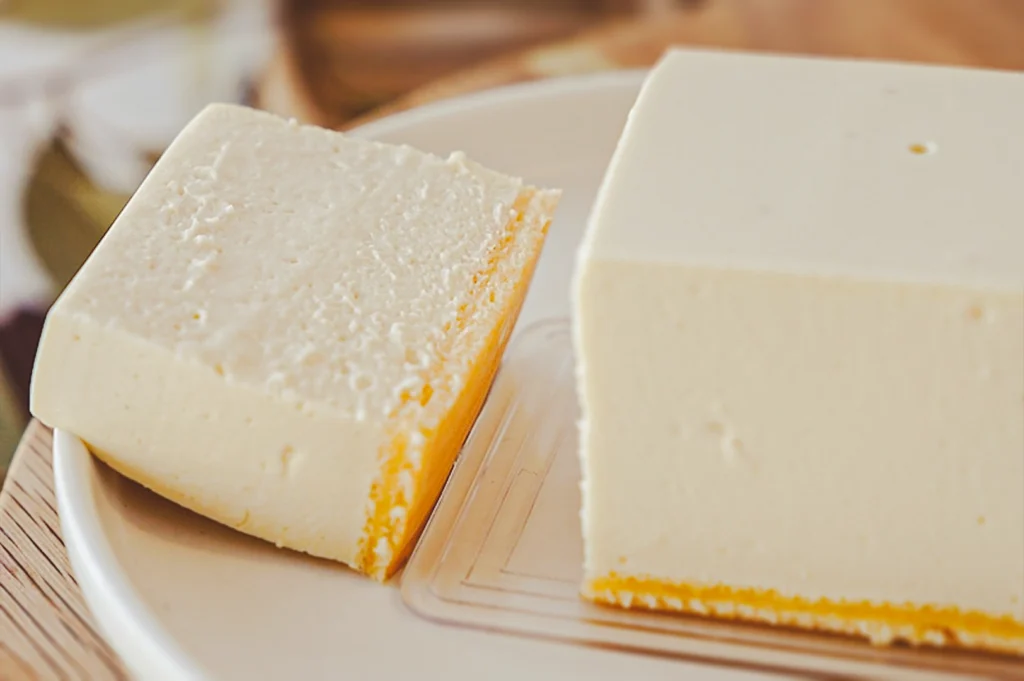
Incorporating soy into a cheesecake profile changes the fundamental chemistry of the dessert. Soy milk and soy-based derivatives have a different molecular structure than bovine dairy.
Dairy fats are highly “clinging.” Soy proteins are cleaner on the finish. When soy is used as a primary component, it reduces the overall reliance on heavy animal fats. This results in a “composed texture.”
The protein in soy provides a different kind of structural integrity. It allows for a firm “bite” without the greasy residue associated with high-fat cream cheese. This is why a soy-based approach is often seen as a more refined alternative for those who find traditional cheesecakes too taxing on the digestive system.
The Importance of a Balanced Finish
A professional dessert should have a clear beginning, middle, and end. The “beginning” is the initial aroma and sweetness. The “middle” is the textural breakdown on the tongue. The “end” is the finish.
If the finish is “clean,” it means no residue is left behind. You are ready for the next bite immediately. If the finish is “cloying,” the residue remains. You need water or coffee to clear your throat.
The goal of modern pastry architecture is to extend the “pleasure window.” This is the period during which the diner is actively enjoying the flavors. By reducing density and managing lipid levels, a pastry chef can ensure the dessert is finished in its entirety.
A Considered Alternative: Daizu by Ki-setsu
At Daizu by Ki-setsu, we approach the cheesecake through the lens of Japanese soy craftsmanship. Our focus is on creating a balanced finish that respects the physical limits of the diner.
We recognize that a Japanese cheesecake in Singapore should offer more than just a temporary sugar high. It should be a study in textural consistency. By utilizing premium soy milk and refined techniques, we have developed a profile that sits between the airy soufflé and the heavy traditional cake.
Our soy cheesecake is a lighter interpretation of the classic form. It maintains a distinct structural integrity while ensuring that the palate weight remains manageable. This allows for a complete sensory experience without the inevitable “dead-end” of a traditional dairy-heavy dessert.
We invite those seeking a more disciplined approach to sweets to experience how we define these standards. It is not about eating less. It is about feeling better after you have finished.