Let’s be honest, how many times have you felt like you had to order dessert, even when you were already full? Heavy creams, high sugar concentrations, and dense fats characterize the classic dessert profile. For many, the physical sensation that follows this indulgence is one of fatigue rather than satisfaction. This leads to a relevant question for the modern diner. Is the concept of dessert losing its place, or is it simply undergoing a necessary structural shift?
The shift is visible in how we prioritize the finish of a meal. While the desire for a sweet conclusion remains, the tolerance for excessive weight is declining. We are seeing a move away from the sugar crash model toward a more considered, balanced approach. This is not the end of dessert. It is the beginning of a more refined era where lightness and structural integrity take precedence over sheer volume.
The Decline of the Heavy Cream Era

For decades, the standard for a premium dessert was defined by richness. High fat content in the form of heavy cream and butter was the primary marker of quality. This approach often results in a dessert that feels competitive with the main course rather than complementary to it.
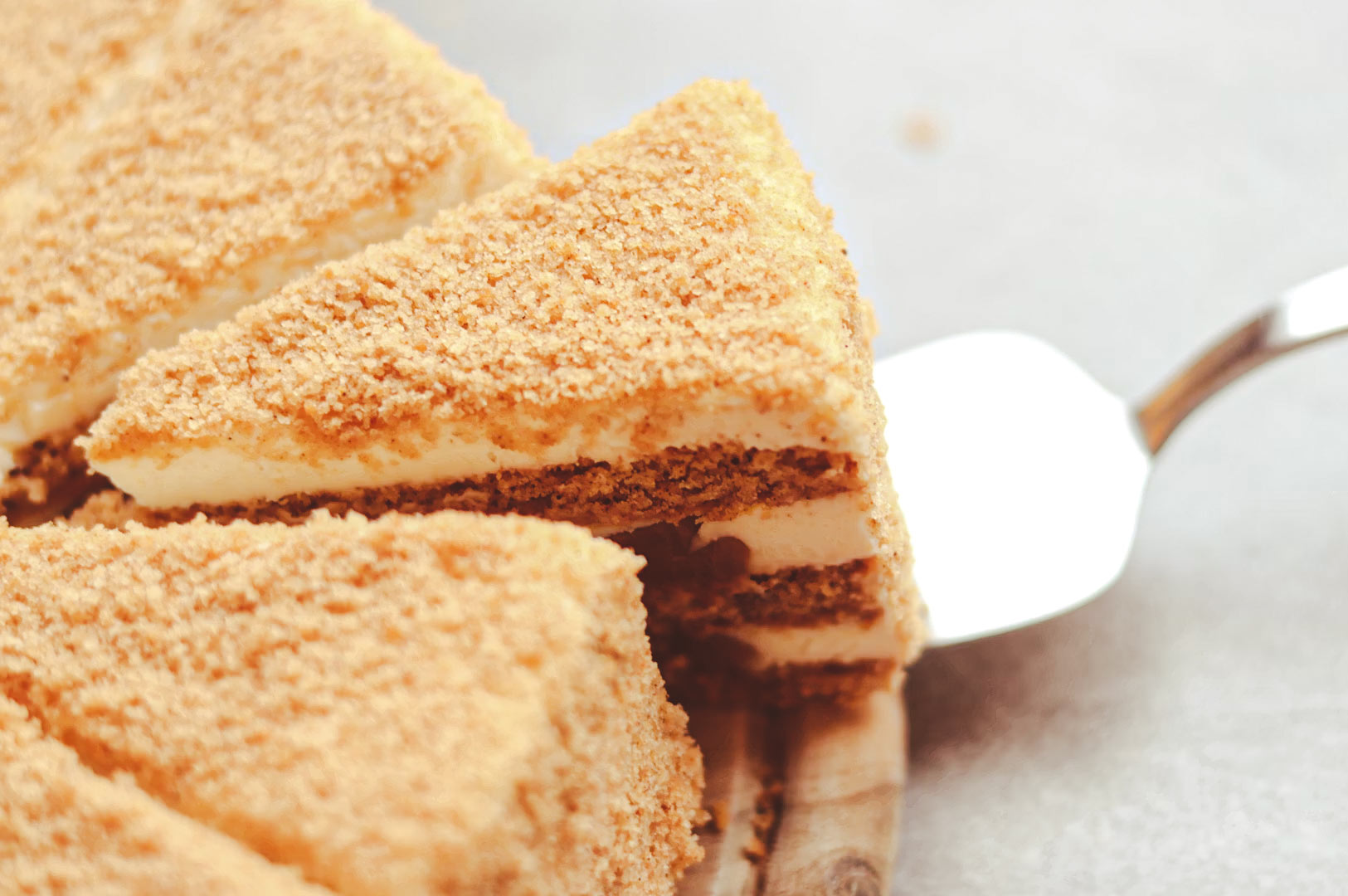
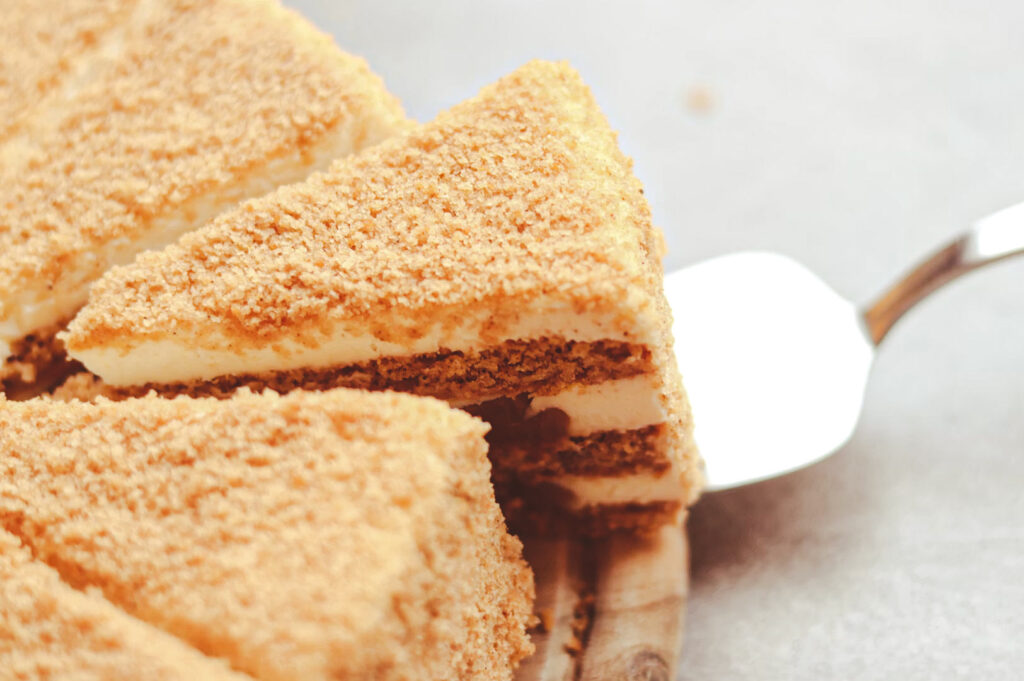
When a palate is already saturated from a meal, a dense New York cheesecake or a syrup-heavy sponge cake can be overwhelming. The evolution we are seeing today is a rejection of this heaviness. Diners are looking for a transition. They want a dessert that cleanses and settles the appetite rather than one that demands additional endurance.
Why Lightness Has Become the New Benchmark for Quality
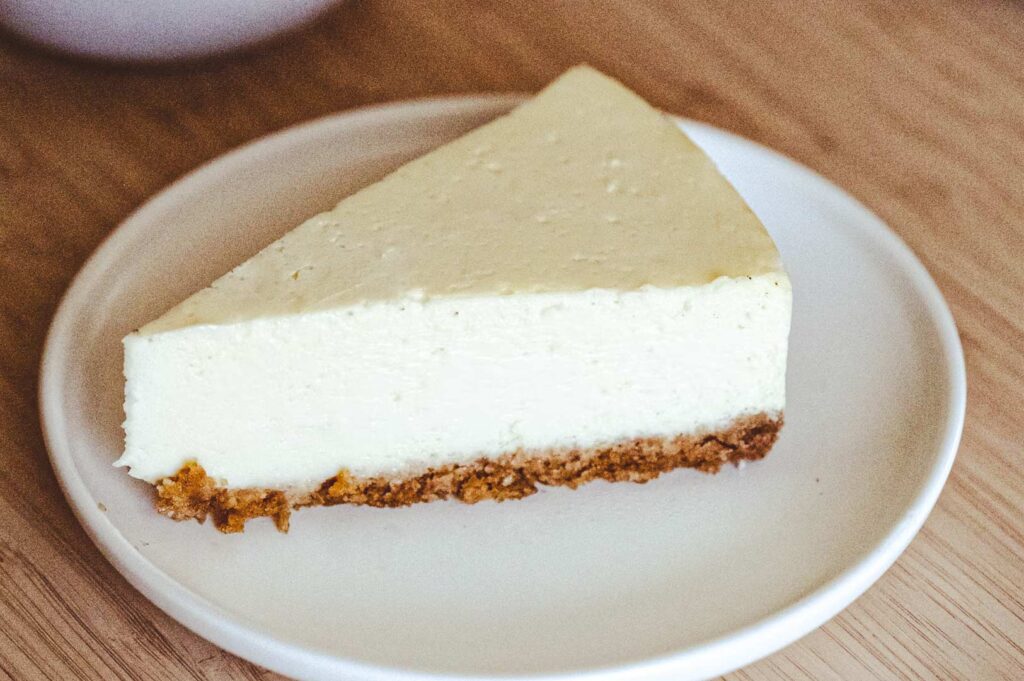
Lightness is often misunderstood as a lack of substance. In reality, creating a light dessert requires more technical precision than creating a heavy one. A heavy cake can rely on fat to mask structural inconsistencies. A light dessert has nowhere to hide.
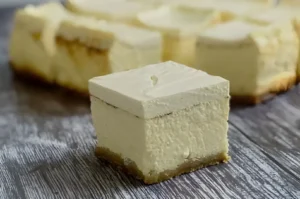
A light cheesecake Singapore residents are increasingly seeking is one that maintains its shape while offering a gentle mouthfeel. This requires a mastery of aeration and a deep understanding of how proteins interact. When a dessert is light, the individual flavors of the ingredients become more distinct. You can taste the nuances of the cheese, the subtle acidity, and the natural sweetness of the base without being masked by a coating of fat.
Evaluating the Structural Role of Soy in Modern Pastry
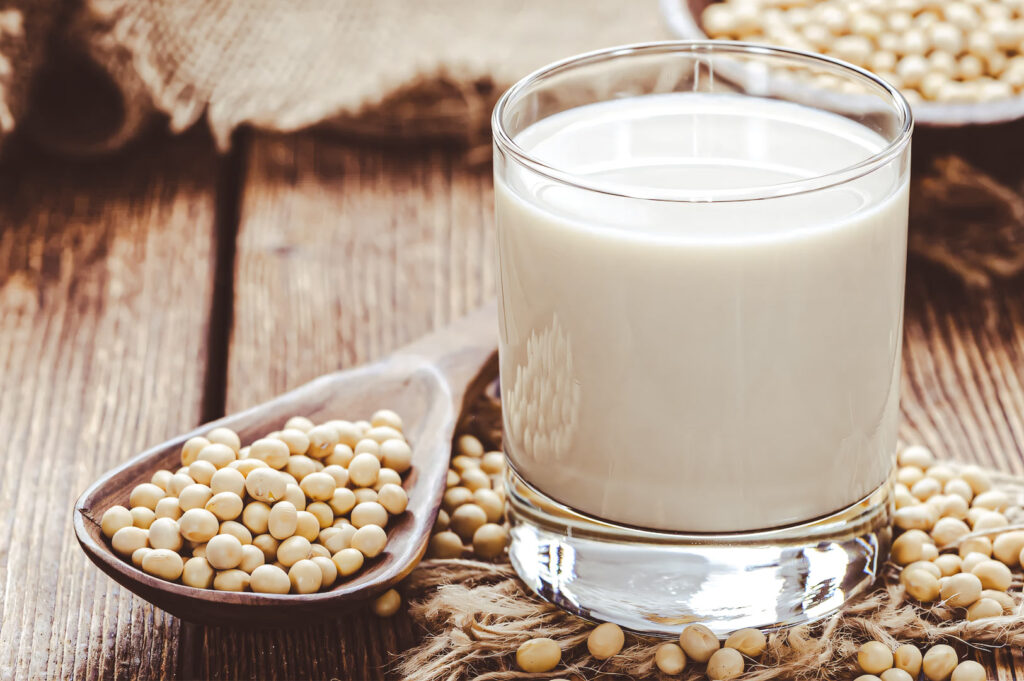
Soy is often viewed as a mere dietary substitute, but this is a limited perspective. In the context of the evolving dessert, soy functions as a sophisticated structural softener, providing a different protein profile than dairy alone.
When integrated into a cheesecake, soy milk or soy solids alter the density profile. It allows for a stable structure that does not feel “gummy” or overly resilient. The result is a composed texture that breaks down cleanly on the tongue. This technical advantage is why a light cheesecake made with soy is gaining traction as a refined alternative to more traditional, dairy-heavy options.
Comparing Density Profiles Across Cheesecake Styles
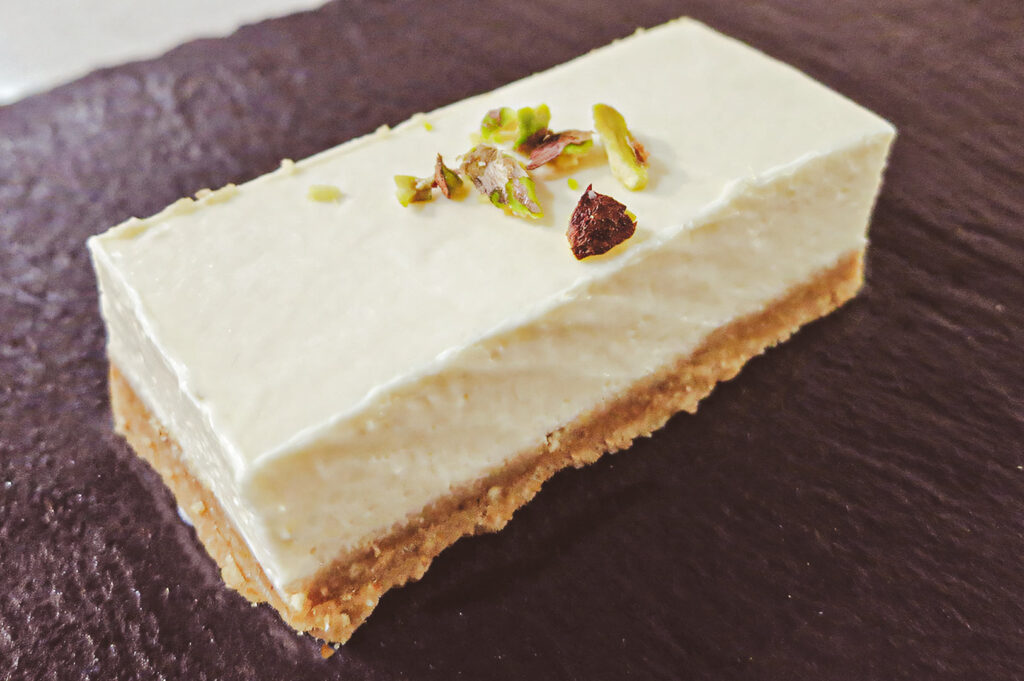
To understand why dessert is evolving, one must look at the physical density of different styles. A traditional baked cheesecake often has a high palate weight. It lingers. A Basque burnt cheesecake offers a different experience with its caramelized exterior and custardy center, yet it remains high in caloric density and fat.
A lighter interpretation, such as a soy-infused version, occupies a different space. It focuses on a balanced finish. The goal is to achieve a texture that is present but not persistent. This evolution prioritizes the “after-feel” of the dessert, ensuring the diner leaves the table feeling refreshed.
The Movement Toward a Balanced Finish
The primary criticism of traditional desserts is their lack of balance. Many are one-dimensional, relying entirely on sweetness to drive the experience. The evolution of dessert involves introducing complexity through acidity, salt, and alternative proteins.
A well-structured dessert should respect the appetite. It acts as a final, quiet note to a symphony. If the dessert is too loud, it disrupts the memory of the meal that preceded it. By focusing on balance, pastry chefs are ensuring that dessert remains a relevant and desired part of the dining experience.
Technical Consistency as a Marker of Craftsmanship
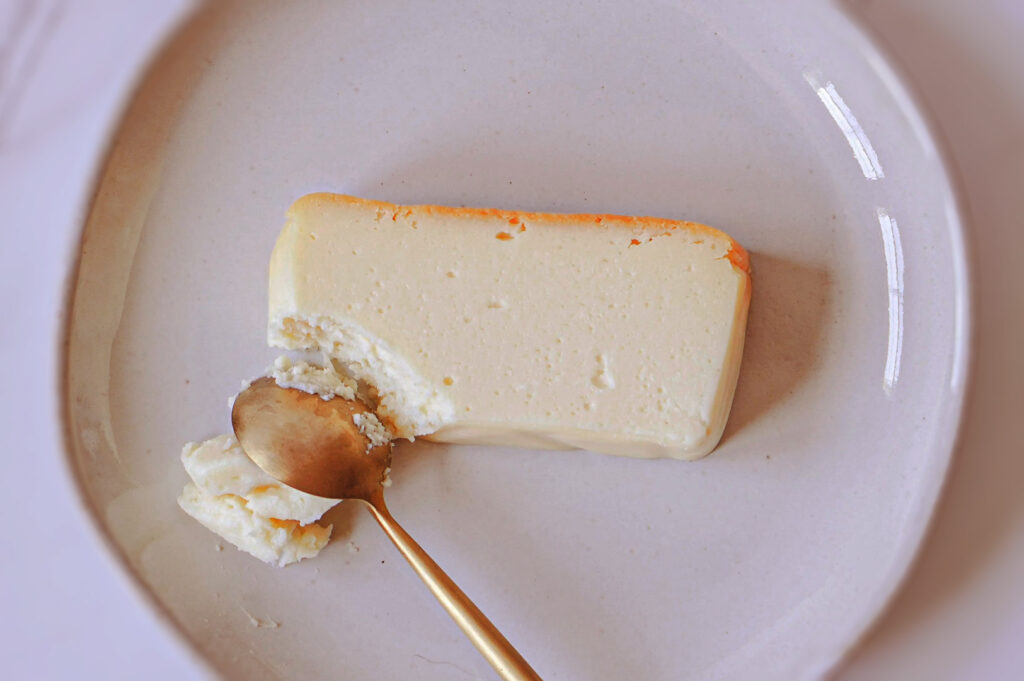
As dessert evolves, the focus shifts from decoration to craftsmanship. A dessert does not need gold leaf or elaborate sugar work to be considered high-end. It needs textural consistency.
Every bite should offer the same resistance and the same rate of melt. This level of precision is what defines a dessert institution. It is a move toward a more disciplined form of pastry where the internal architecture of the cheesecake is the primary focus. This discipline is what separates a fleeting trend from a lasting standard.
Why the Best Cheesecake in Singapore Is No Longer the Heaviest
The Singaporean palate is famously discerning, especially regarding sweetness levels. The phrase “not too sweet” is perhaps the highest compliment a dessert can receive in this region. This cultural preference has accelerated the evolution of the cheesecake Singapore offers.
We are seeing a move away from the dense, graham-cracker-crusted blocks of the past. In their place, refined, airy, and technically superior cakes have emerged. These cakes prioritize the quality of the cheese and the precision of the bake. They are designed for a climate where heavy, cloying foods are less appealing.
Soy Cheesecake as a Considered Alternative
In this landscape of evolution, Daizu by Ki-setsu offers a specific perspective. We do not view soy as a replacement for dairy, but as a partner to it. Our approach is rooted in the belief that dessert should be a refined conclusion that respects the body and the palate.
By using soy as a structural softener, we achieve a lightness that is difficult to reach with dairy alone. Our Japanese soy cheesecake is a study in restraint. It provides a clean finish and a mouthfeel that is both stable and ethereal. We focus on the completion of the meal, ensuring that our cheesecake leaves you satisfied but never burdened.