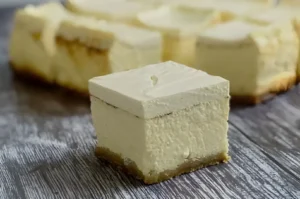

The final course of a meal often presents a paradox. A diner seeks a concluding note of sweetness, yet the physical sensation of fullness often makes a heavy dessert feel like a burden rather than a reward. Most traditional cheesecakes are designed for maximum impact through high fat content and sugar density. While effective for a few bites, this approach frequently leads to a sense of lethargy.
Achieving a balance where dessert complements the appetite requires a different structural philosophy. It involves looking at cheesecake not as a sugar delivery system, but as a composition of texture, acidity, and weight. When a cheesecake is engineered for lightness, it preserves the enjoyment of the meal that preceded it.
The Relationship Between Density and Satiety
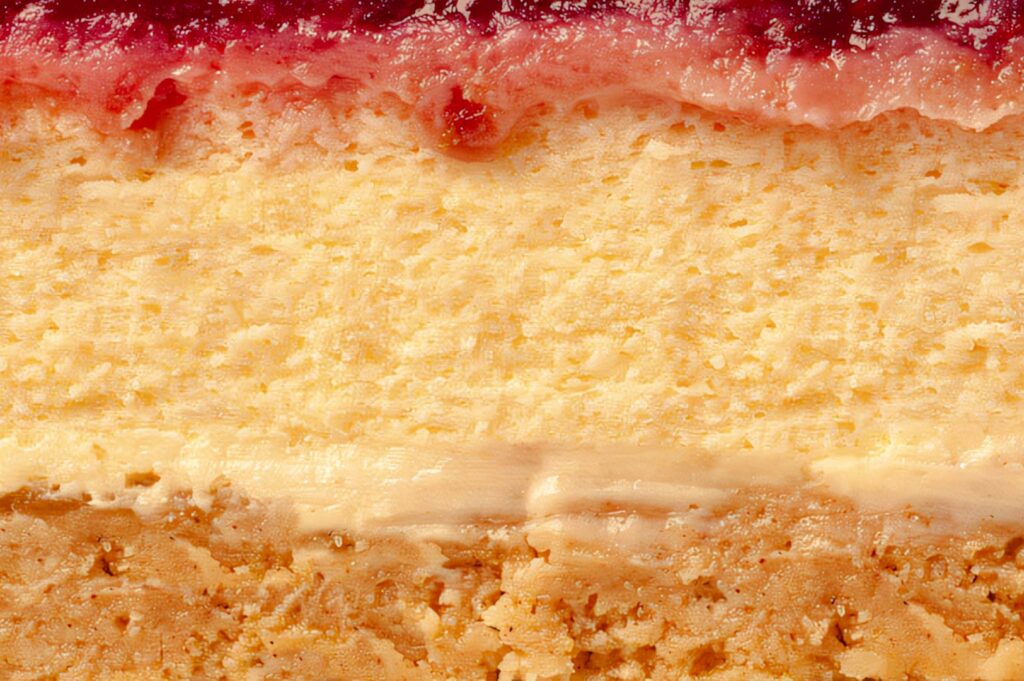
The way a dessert sits on the palate determines how the body perceives it. Heavy cream-based cheesecakes, such as the classic New York style, rely on a dense protein structure. These cakes are often rich and satisfying in small quantities, but their high lipid content can overwhelm the senses.
A lighter cheesecake Singapore residents might find more suitable for the local climate focuses on aeration and moisture retention. By reducing the reliance on heavy fats and incorporating structural softeners, the density profile shifts. This shift allows the palate to process the flavors without the cloying sensation often associated with traditional dairy-heavy recipes.
Measuring Palate Weight
Palate weight refers to the physical sensation of food in the mouth. A heavy cheesecake lingers, coating the tongue with fats that take time to dissipate. A well-structured alternative provides a clean finish. The goal is a dessert that satisfies the craving for creaminess while maintaining a refreshing quality.
Structural Integrity Without Heaviness
Maintaining the shape of a cake usually requires thickening agents or high concentrations of cream cheese. However, precision in mixing and temperature control can achieve the same result with fewer heavy ingredients. This is where the concept of the Japanese soy cheesecake becomes relevant. It uses the natural properties of soy to provide structure while keeping the overall profile lean.
From Dairy Density to Soy-Based Softness
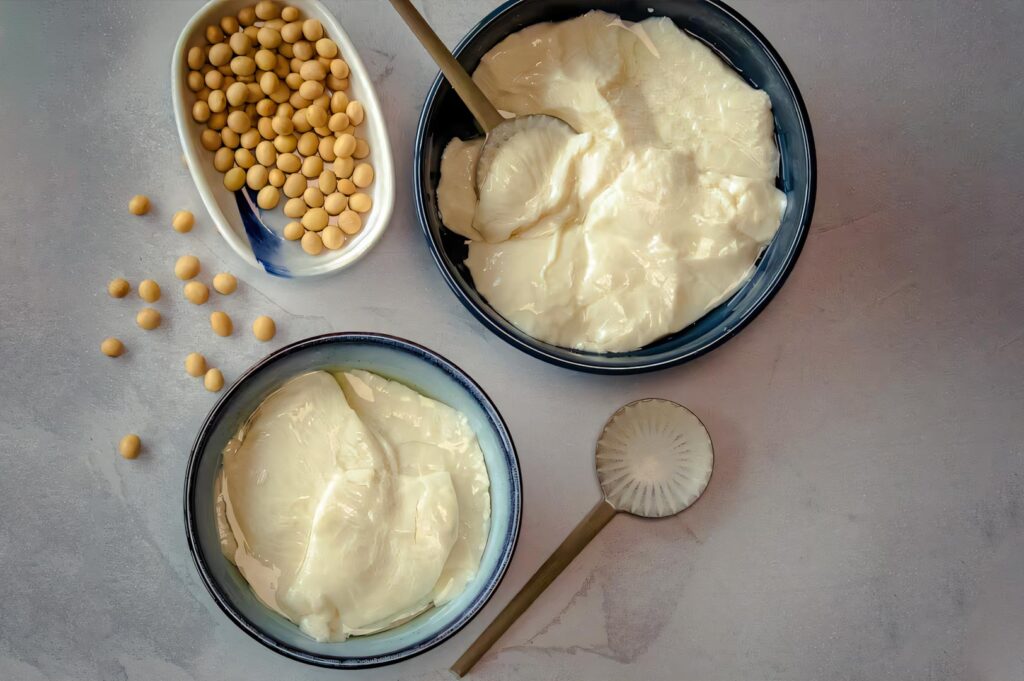
To move away from the heaviness of traditional dairy, one must find an ingredient that provides stability without the caloric or textural baggage of heavy cream. In a refined approach, soy milk or soy curd can be introduced to modify the crumb. Soy acts as a structural softener, breaking up the tight protein bonds of dairy to create a more delicate mouthfeel.
This is a hallmark of Daizu by Ki-setsu. The inclusion of soy is not merely for health considerations. It is a deliberate culinary choice to improve the textural consistency of the cake. It results in a finish on the palate that is noticeably smoother and less taxing on the digestive system.
Comparing Soy and Dairy Proteins
Dairy proteins tend to create a firm, elastic structure when baked. Soy proteins behave differently under heat, providing a silkier, custard-like quality. When these two are balanced correctly, the result is a cheesecake that holds its form but yields instantly to the fork.
Achieving a Balanced Finish
A balanced finish means the flavor does not overstay its welcome. In many commercial cheesecakes, the sugar and fat linger long after the cake is swallowed. By using soy as a component, the richness is tempered. The sweetness is present but restrained, allowing the subtle notes of the cheese and the bean to emerge.
Navigating the Global Cheesecake Landscape
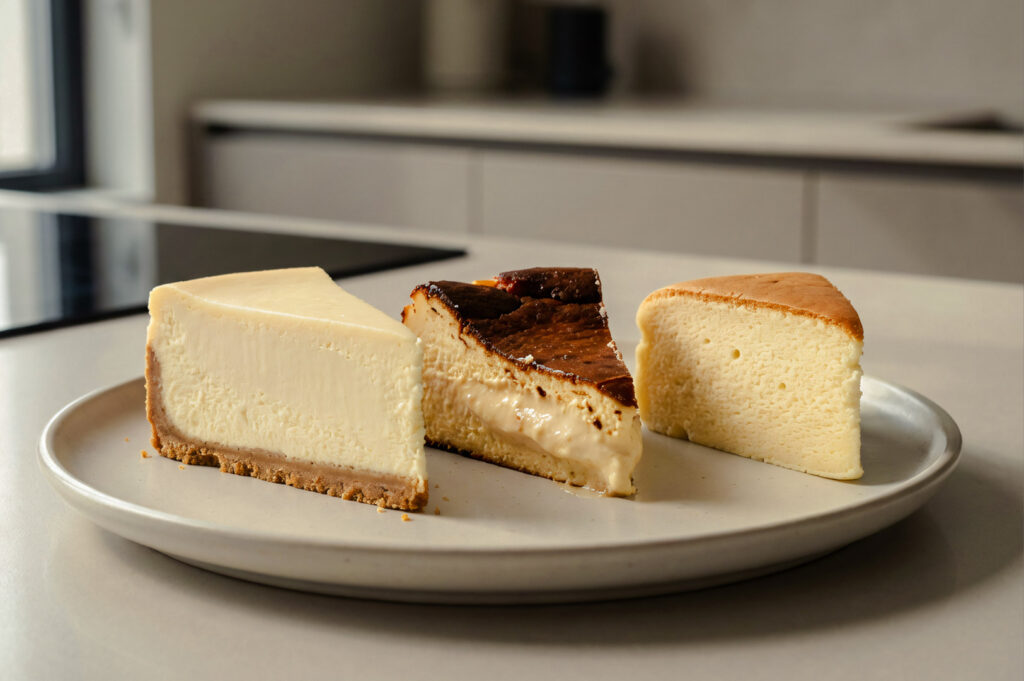
Understanding why certain cakes feel heavier than others requires a comparison of their architectural foundations. The cheesecake landscape is diverse, and each style serves a different purpose within a meal.
The Basque Burnt Cheesecake
high-temperature bake and molten center. It is a study in caramelization and high fat content. While the charred top provides a pleasant bitterness, the interior is often intentionally underbaked and extremely rich. It is a dessert designed for indulgence rather than a light conclusion to a meal.
The Japanese Soufflé Cheesecake
This style focuses on air. By folding whipped egg whites into the batter, bakers create a cotton texture. While light in weight, it often lacks the creamy depth that people associate with a true cheesecake. It is airy, but sometimes lacks the structural substance required for a complex flavor profile.
The New York Style
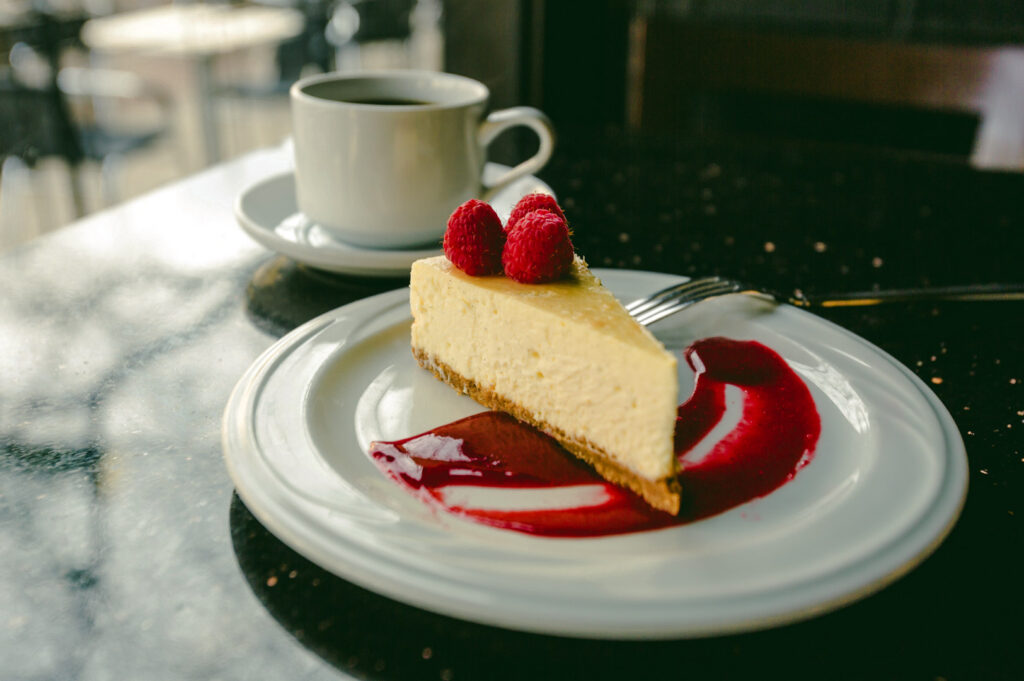
As the densest option, this style uses a high ratio of cream cheese and often includes sour cream or heavy cream. It is a robust, firm cake. It provides a significant amount of satiety very quickly, which often makes it difficult to finish after a multi-course dinner.
Maintaining Consistency Through Temperature and Technique
Texture is not a static quality. It changes based on the temperature at which the cake is served. A cold cheesecake will feel firmer and its flavors will be more muted. A room-temperature cake will be softer and more aromatic.
For those looking for the best cheesecake in Singapore that maintains its integrity in a humid environment, the stability of the cake is paramount. A cake that relies too heavily on gelatin or whipped air may lose its appeal as it warms. A cake built with a solid soy and cheese foundation remains consistent, providing the same mouthfeel from the first bite to the last.
Texture Consistency Across the Slice
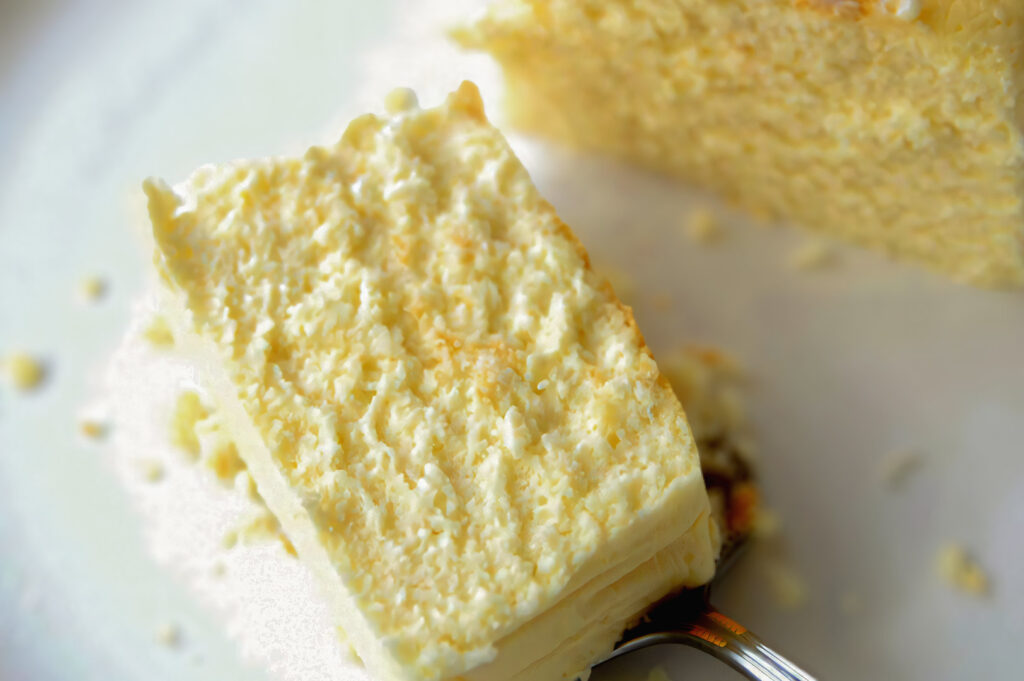
A well-crafted cake should have a uniform texture. There should be no graininess or separation of fats. When soy is used effectively, it acts as an emulsifier, ensuring that the moisture is locked into the crumb. This creates a composed texture that feels intentional and refined.
Redefining Dessert as a Functional Conclusion
In many cultures, dessert is seen as an optional extra. In a more considered dining experience, the final course is the punctuation mark. It should provide a sense of closure. If a dessert is too heavy, it disrupts the memory of the savory courses.
A light cheesecake Singapore diners can enjoy at the end of a meal should respect the appetite. It should provide enough sweetness to signal the end of the sitting without causing the sugar crash often associated with mass-produced baked goods. This respect for the diner’s physical state is a core principle of Japanese dessert philosophy.
The Concept of Lightness as Refinement
Refinement is often found in what is removed rather than what is added. By removing excess sugar and reducing the reliance on heavy animal fats, the essential flavors of the ingredients are highlighted. This creates a sophisticated profile that appeals to a mature palate.
Achieving the Ideal Mouthfeel
The ideal mouthfeel is a balance between resistance and melt. There should be enough body to feel the substance of the cake, but it should dissolve cleanly. This is achieved through precise ratios and a disciplined baking process. It is the difference between a cake that is merely soft and one that is well-structured.
A Disciplined Alternative to Contemporary Trends
While the Basque style has been popular for its dramatic appearance and creamy center, many are now looking for a more balanced alternative. A Japanese soy cheesecake offers a different structural approach. It provides a similar creaminess but with a more disciplined profile.
The Technical Precision of Daizu by Ki-setsu
The development of our recipe involved an analytical look at how soy interacts with traditional dairy. We sought to create a cake that stood apart from the existing categories. It is not a tofu cake, nor is it a standard Japanese soufflé. It is a distinct category defined by its density profile and structural integrity.
At Daizu by Ki-setsu, we believe that dessert should be an informed choice. Our process involves sourcing high-quality soy and blending it with premium cheeses to achieve a specific weight on the palate. We do not aim for the loudest flavor or the most aggressive texture. We aim for balance.
Engineering a Feel-Good Finish
The shift toward lighter, more thoughtful desserts is a reflection of a broader change in dining habits. People are more aware of how food makes them feel. They are looking for quality over quantity and complexity over simple sweetness.
By prioritizing structural integrity and a balanced finish, it is possible to enjoy a sophisticated dessert that complements the body rather than taxing it. This is the difference between a dessert that is merely eaten and one that is truly experienced. A well-executed soy cheesecake ensures that the final impression of a meal is one of lightness and satisfaction.
At Daizu by Ki-setsu, we view ourselves as a dessert institution focused on the study of texture and balance. Our Japanese soy cheesecake is a refined alternative for those who seek a lighter interpretation of a classic. We invite you to experience a cake designed with quiet authority and technical precision.