A fork pressed into a New York cheesecake meets resistance. The same action applied to a Basque cheesecake often results in a slow, architectural collapse. This difference is not accidental. It is the result of deliberate thermal application and specific ingredient ratios that dictate how proteins and fats interact under heat.
The structural integrity of a cheesecake depends on the stabilization of the egg proteins and the aeration of the batter. While both styles share a foundation of cream cheese, sugar, and eggs, their behavior on the palate is determined by their internal physics. One is designed to hold its shape. The other is designed to yield.
The Role of Temperature in Defining Density
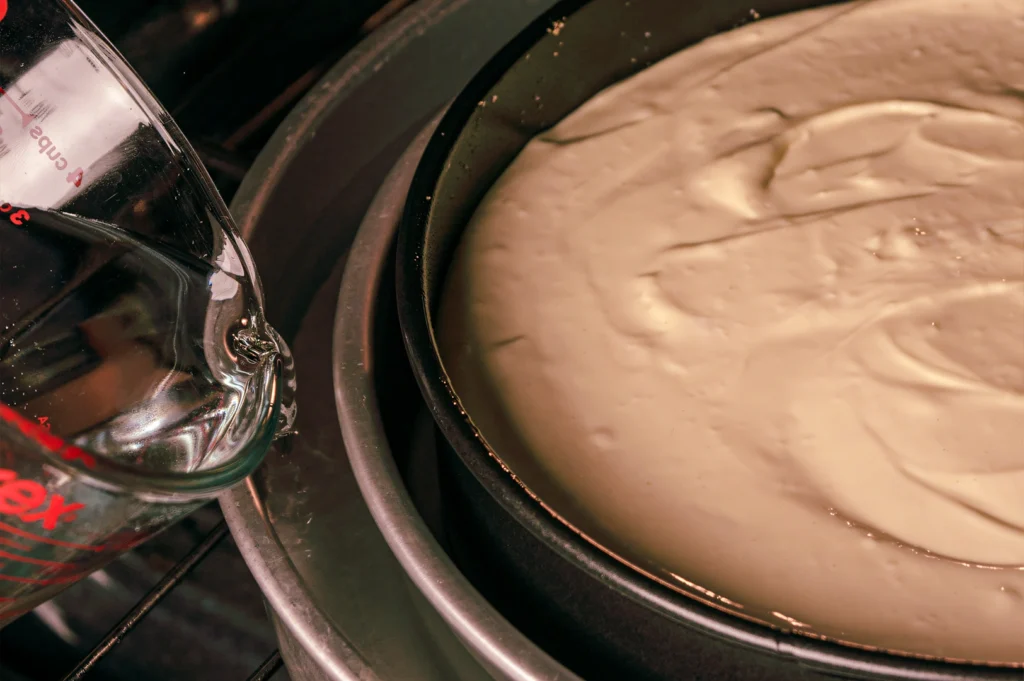
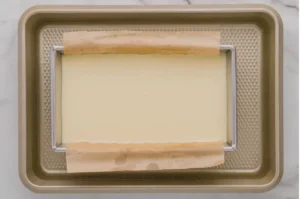
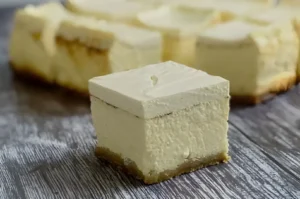
The New York cheesecake relies on a low and slow baking process. It is frequently baked in a water bath or bain-marie. This method insulates the cake from direct heat. It ensures the internal temperature rises gradually and stays consistent across the entire diameter of the tin.
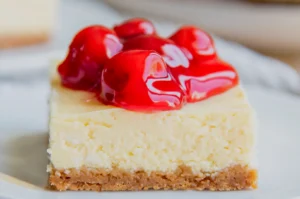
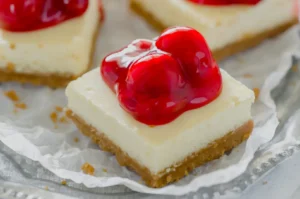
By maintaining a gentle heat, the egg proteins coagulate into a firm, tight mesh. This creates a dense, uniform structure from the center to the edge. The result is a heavy palate weight. It is a dessert that feels substantial and holds its verticality even when sliced thinly.
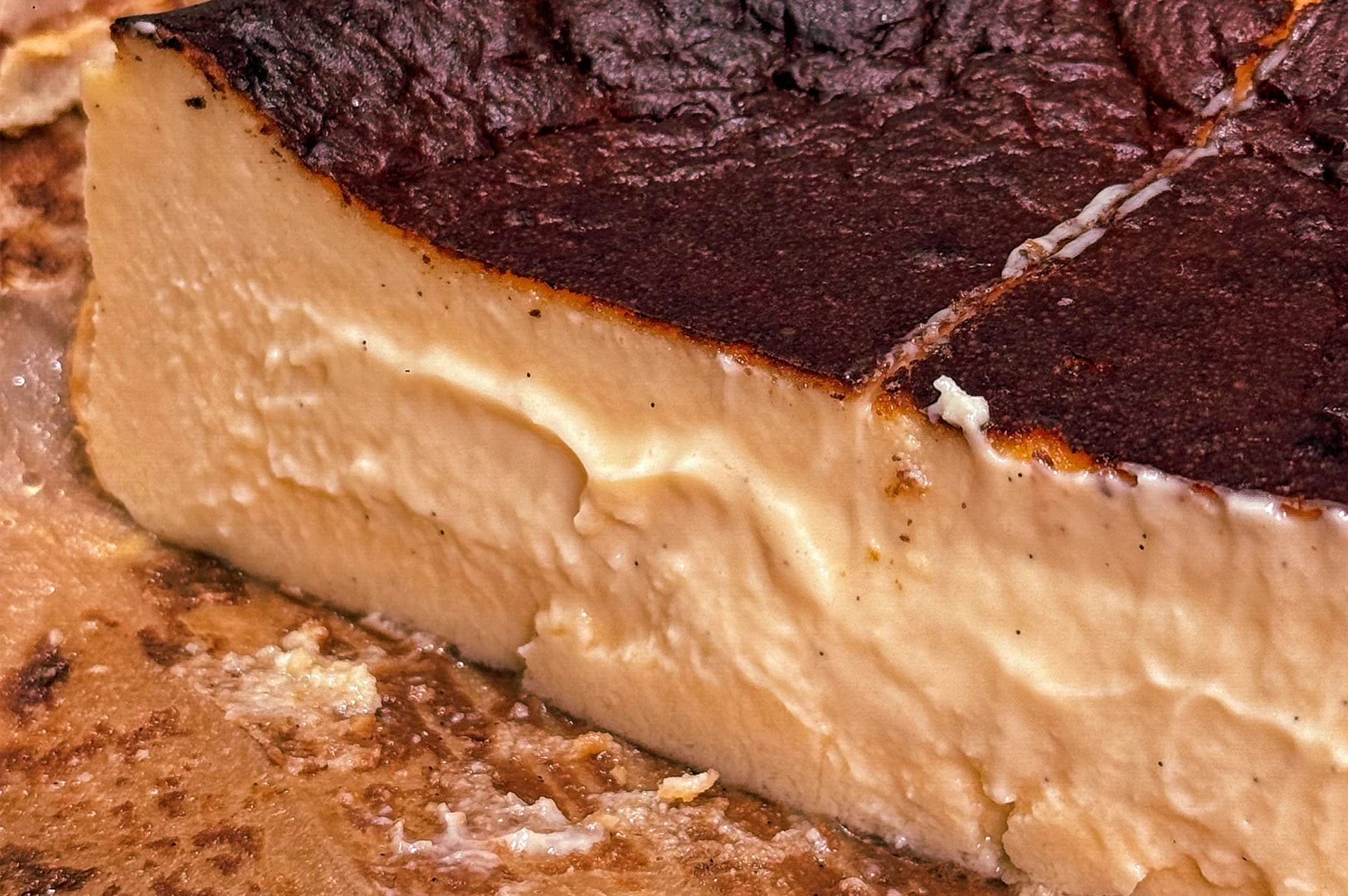
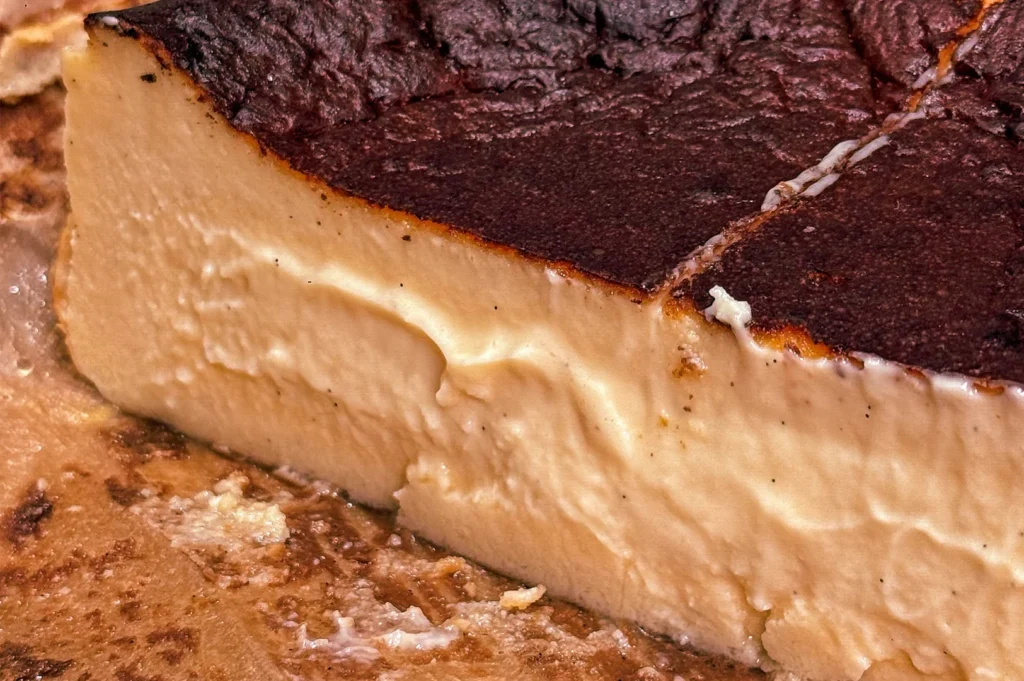
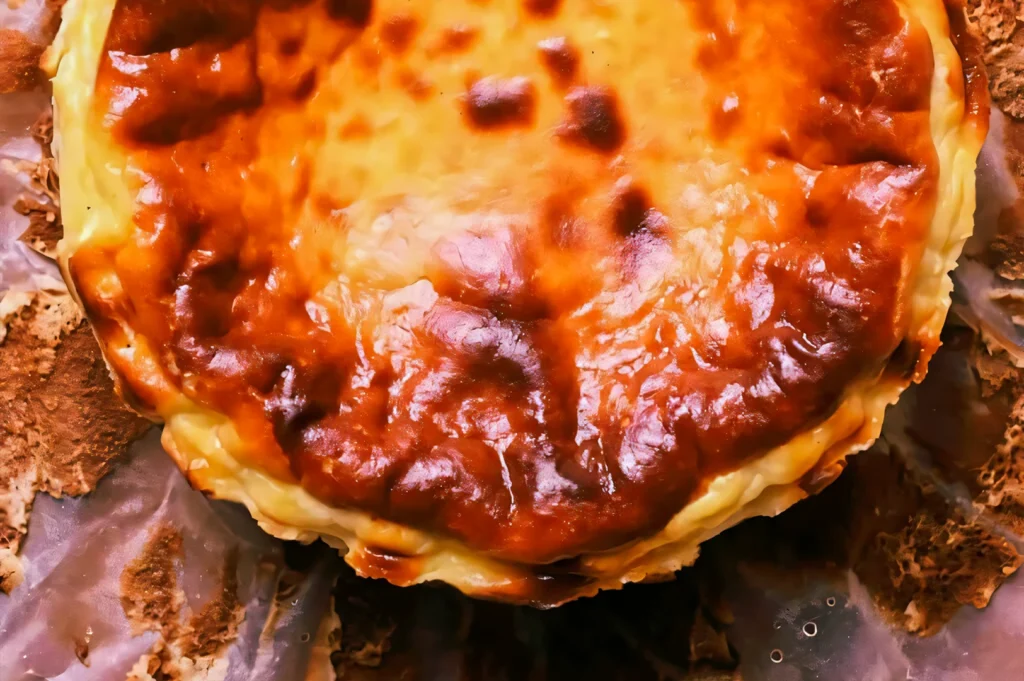
In contrast, the Basque style is born from high-heat exposure. It is baked at temperatures often exceeding 200°C. This intense heat causes the exterior to caramelize and scorch quickly, creating a natural crust. However, the heat does not penetrate the center long enough to fully set the proteins.
The middle remains under-baked by design. This is why a Basque cheesecake exhibits a fluid, molten center while the New York style remain upright and rigid.
The Role of Mixing and Fillers in Cheesecake Consistency
The mixing technique and choice of fillers play a crucial role in achieving the desired consistency of a cheesecake. These elements determine whether the final product is dense and creamy or light and airy. Understanding how ingredients interact and the method of preparation can help in creating the perfect cheesecake texture.
New York Cheesecake:
- Binding agents: The batter often includes a small amount of flour or cornstarch. These starches provide structural support, absorb moisture, and help prevent cracking or sinking after baking.
- Mixing process: The ingredients are mixed with the goal of incorporating as little air as possible. This prevents the cake from rising and falling, ensuring its characteristic dense texture and flat top.
Basque Cheesecake:
- Binding agents: This style typically omits stabilizers like flour or cornstarch. It relies on a higher ratio of heavy cream to cheese, which increases the fat content and results in a lower protein density.
- Texture: Without the internal “scaffolding” from starches, the center remains soft and does not fully set. This creates its famous textural contrast: a firm, caramelized exterior and a fluid, custardy interior.
How Sugar and Caramelization Affect Mouthfeel
Sugar serves two purposes in these cakes. It provides sweetness and it influences texture through caramelization.
In a New York cheesecake, the sugar is fully integrated into the creamy matrix. Because the baking temperature is low, the sugar does not brown. The flavor remains clean and the texture stays smooth and lactic.
The Basque cheesecake utilizes sugar as a structural element of its “burnt” top. The high heat triggers the Maillard reaction and caramelization simultaneously. This creates a bitter-sweet skin that contrasts with the interior.
This charred layer provides a brief moment of resistance before the palate reaches the molten center. The New York style offers a consistent textural experience in every bite. The Basque style offers a progression of textures. It moves from the firm, scorched edge to the soft, aerated middle.
The Impact of Cooling and Setting Time
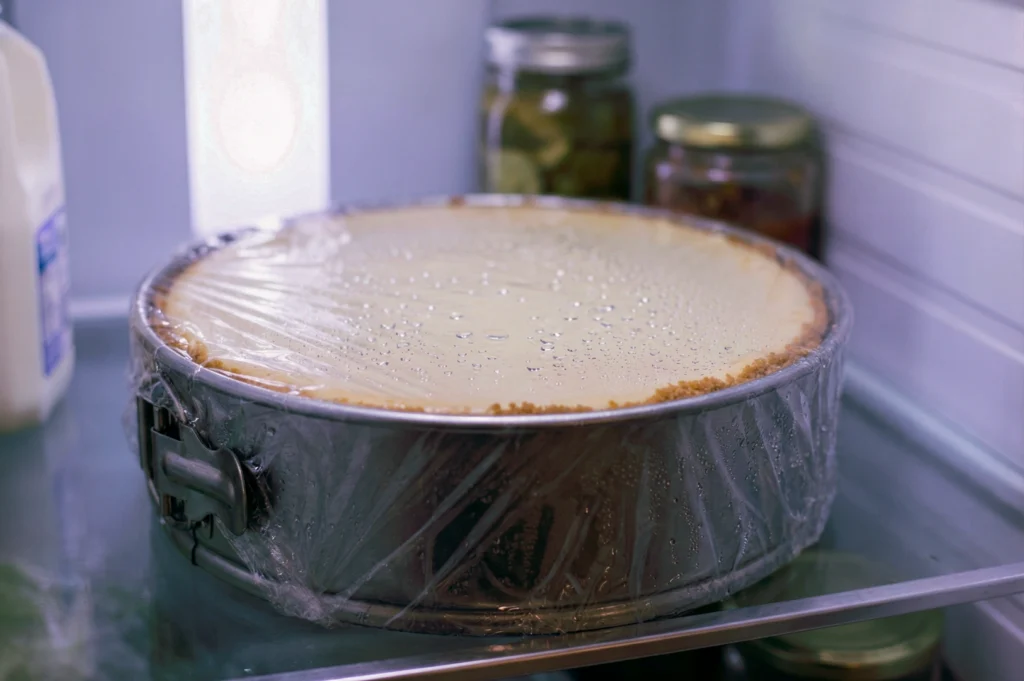
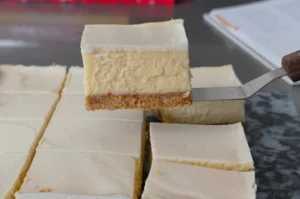
Time is a quiet ingredient in cheesecake construction. A New York cheesecake is not finished when it leaves the oven. It requires an extensive cooling period, often followed by twelve to twenty-four hours of refrigeration. This resting phase allows the fats to solidify and the protein structure to fully set. This cold-setting process is what gives the New York style its iconic, clean-cut edge.
The Basque cheesecake is more volatile. While it is also cooled, it is often served at room temperature or only lightly chilled. This preserves the fluidity of the fats. If a Basque cheesecake is over-chilled, it loses its defining characteristic. It becomes firm and heavy, mimicking a New York style but without the intentional balance of a slow-baked recipe.
Moisture Content and Palate Weight
The New York style is characterized by a “short” texture. This means it breaks cleanly on the tongue. This is achieved by balancing the moisture of the cream cheese with the drying effect of the starch and a high egg-to-liquid ratio. It is a dry-textured cake that relies on the richness of the cheese for its finish.
The Basque style is significantly more hydrated. The inclusion of more liquid cream ensures that even after the moisture loss from high-heat baking, the center remains saturated. This results in a lighter palate weight but a more coating mouthfeel. It does not break; it dissolves.
A Refined Alternative in the Soy Cheesecake
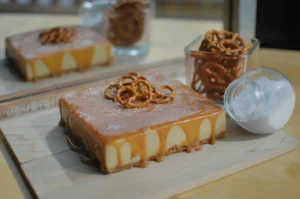
At Daizu by Ki-setsu, we observe these traditional structures to create something distinct. We do not aim for the heavy density of the New York style or the molten collapse of the Basque. Instead, we focus on a balanced finish through the use of high-quality soy milk and premium cream cheese.
Our approach prioritizes textural consistency. By incorporating soy, we achieve a composed texture that remains light on the palate while maintaining its structural integrity. It is a lighter cheesecake Singapore residents find refreshing. We use a precise baking curve to ensure the cake is well-structured without being heavy.
Daizu by Ki-setsu represents a different structural approach. We analyze the science of the melt and the strength of the stand to deliver a refined alternative. We focus on a clean finish and a subtle, balanced profile that respects the heritage of soy in Japanese confectionery.
If you are interested in experiencing a different textural profile, we invite you to explore our range of soy-based cheesecakes.