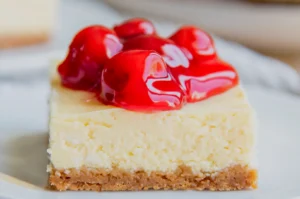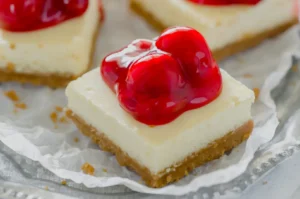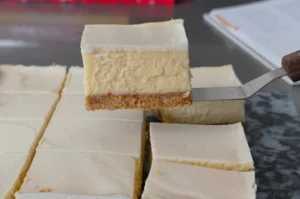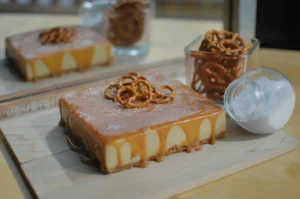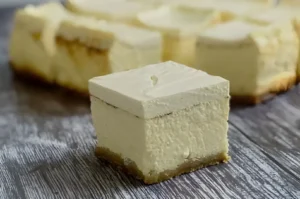
A common misconception in modern patisserie is that plant-based proteins are mere substitutes for dairy. This perspective suggests that one ingredient is attempting to impersonate the other. In reality, the molecular composition of soy offers a distinct set of structural possibilities. When we examine the technical reality of soy-based fillings, the focus shifts from mimicry to a unique form of textural integrity.
The Molecular Differences Between Soy and Dairy Proteins
To understand if soy can replicate the mouthfeel of dairy, one must first look at protein behavior. Dairy relies on casein and whey. These proteins form a flexible, elastic matrix when exposed to heat or acid. This is what gives traditional cheesecake its characteristic pull and density.
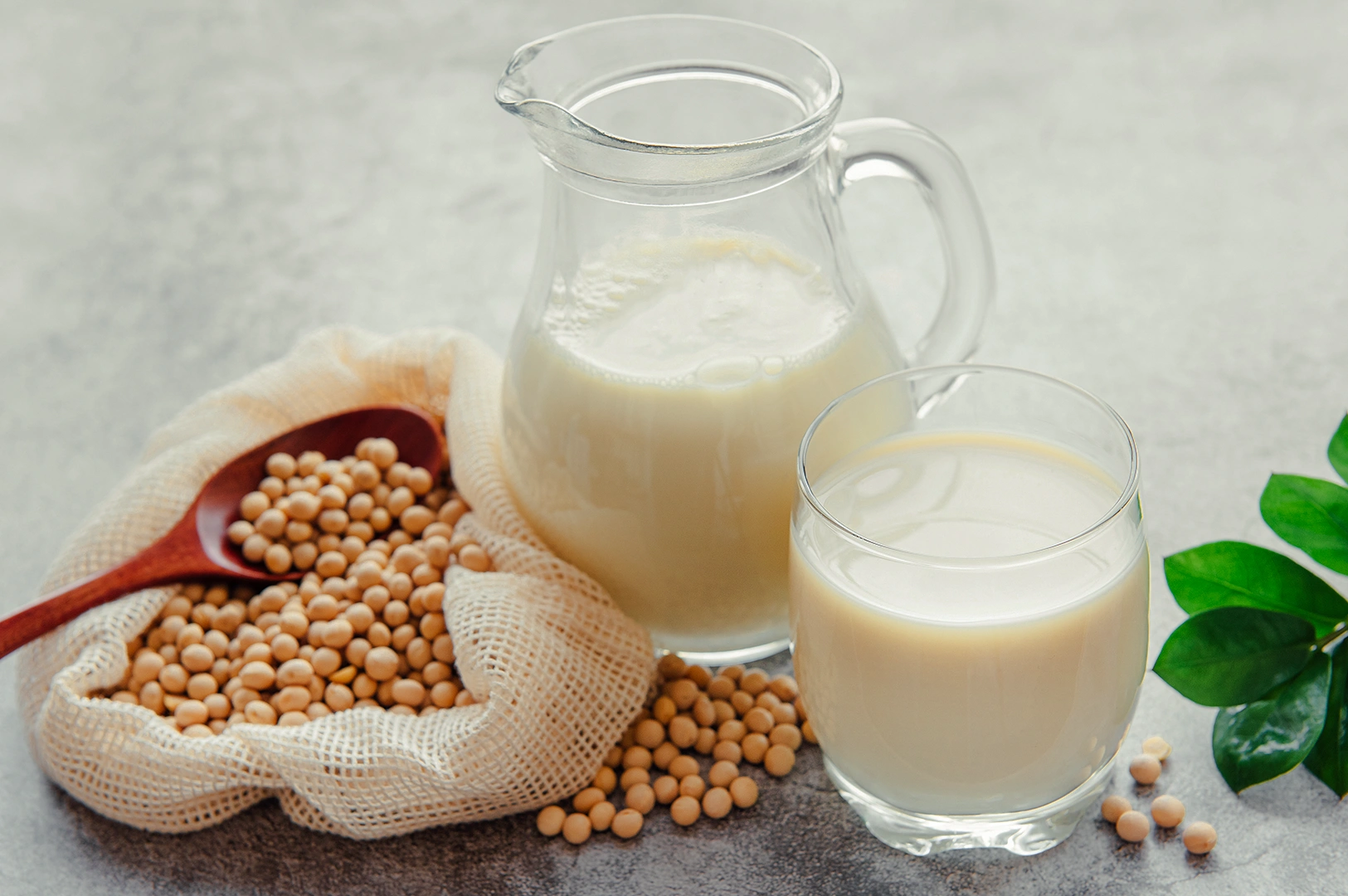
Soy proteins, specifically glycinin and conglycinin, behave differently. They are larger and more globular than dairy proteins. When these proteins are coagulated, they create a finer, more delicate network. This results in a different density profile. While dairy is often described as elastic, soy leans toward a clean, structured break on the palate.
Comparing the Density Profile of Soy and Cream Cheese
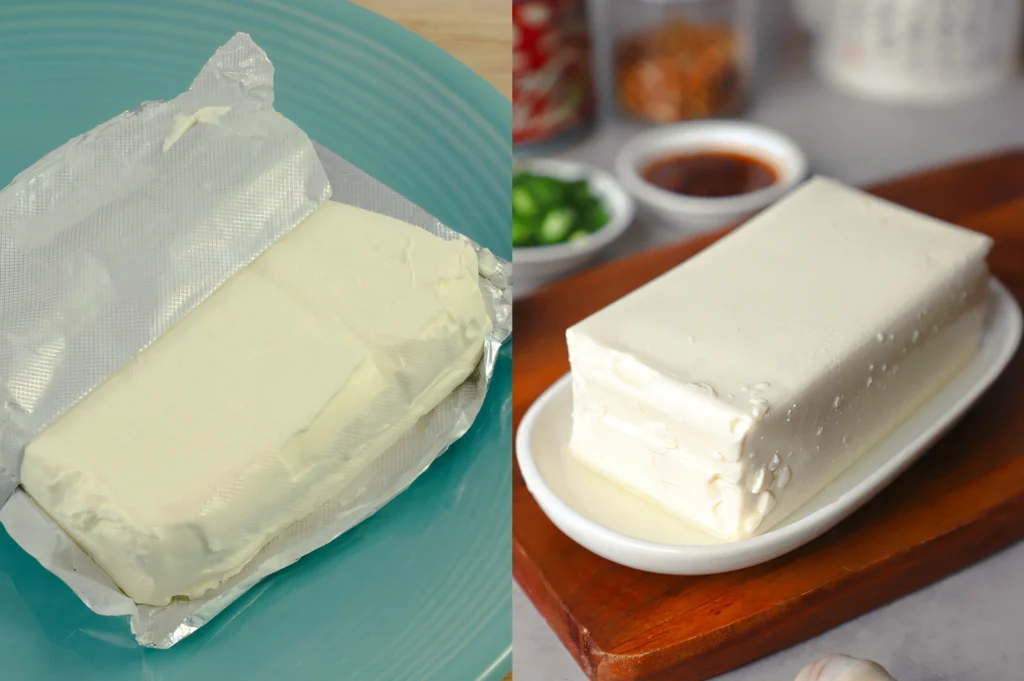
The technical challenge in creating a soy-based filling is achieving the correct palate weight. Cream cheese is naturally high in milk fat, which contributes to a coating sensation in the mouth. Soy milk and silken tofu are naturally lower in fat. This means a direct substitution often leads to a filling that feels thin or watery.
To achieve a composed texture, the water content in soy must be meticulously managed. Technical pastry chefs often use filtration or controlled reduction to increase the solids in the soy base. This creates a more substantial mouthfeel that can rival the richness of dairy without the heavy aftertaste.
Achieving Structural Integrity Without Animal Fats
Dairy fats are solid at room temperature and semi-solid at refrigeration temperatures. This physical state provides the structural integrity found in a baked cheesecake. Soy oil, however, remains liquid.
The technical reality is that soy-based fillings require a different approach to stabilization. Instead of relying on saturated animal fats to hold the shape, these fillings utilize the coagulation of soy proteins. When handled with precision, this creates a well-structured filling that maintains its shape while offering a lighter finish on the palate.
The Impact of Particle Size on Textural Consistency
Mouthfeel is largely determined by the size of the particles within a mixture. Dairy is naturally homogenized. Soy, particularly when processed from the whole bean, can have a grainier texture if the fiber is not properly managed.
For a soy filling to provide a smooth experience, the soy must be refined to a microscopic level. This ensures textural consistency. When the particle size is sufficiently small, the tongue perceives the filling as a continuous, creamy substance. This allows soy to achieve a level of refinement that was previously only associated with high-end dairy products.
The Nuances of Flavor Retention and the Balanced Finish
Dairy has a neutral to sweet profile that carries other flavors easily. Soy has a distinct profile, often described as nutty or earthy. The goal in professional applications is not to mask this flavor, but to integrate it into a balanced finish.
Soy-based fillings excel at carrying subtle, aromatic flavors. Because soy lacks the aggressive lactic acid found in some cheeses, it allows more delicate notes to come forward. The result is a dessert that feels less like a sugar-driven confection and more like a considered, culinary composition.
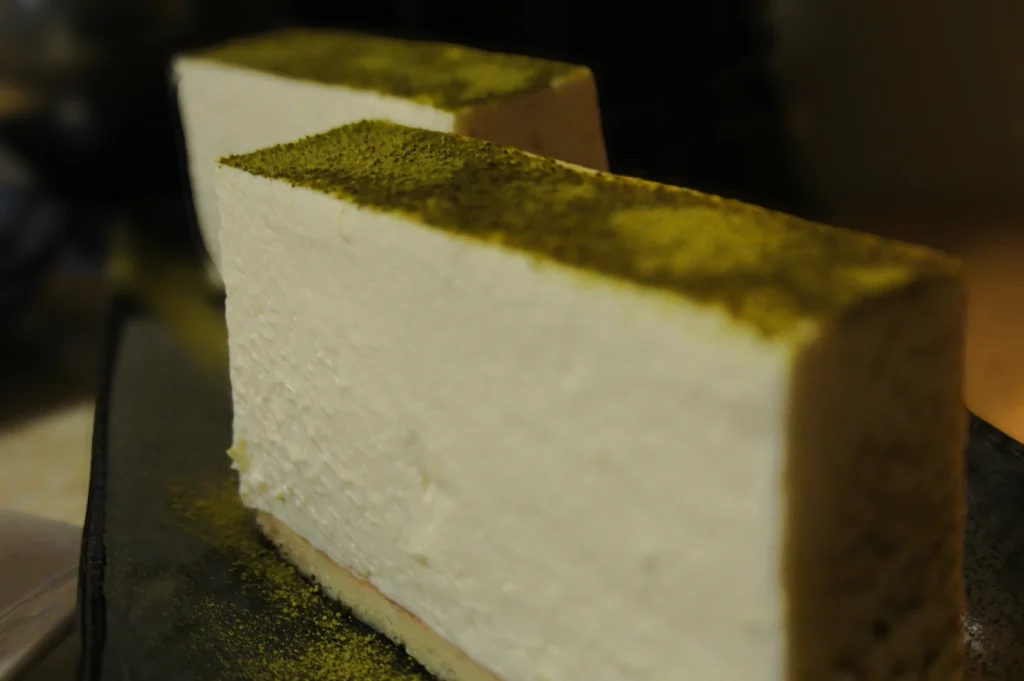
The question is not whether soy can mimic dairy, but whether it can provide a superior experience for specific applications. Soy-based fillings offer a cleanliness that dairy often lacks. They do not leave a heavy film on the palate. This allows the consumer to appreciate the textural nuances of the dessert from the first bite to the last.
A soy-based filling should be viewed as a technical evolution. It requires a deeper understanding of protein denaturation and moisture control. When these elements are mastered, the result is a filling that stands on its own merits. It provides a specific density and a clean break that dairy cannot easily replicate.
At Daizu by Ki-setsu, we recognize that soy is not a substitute, but a primary medium. Our approach focuses on the inherent strengths of the bean to create a refined alternative to traditional dairy desserts. By emphasizing the clean mouthfeel and the subtle earthy notes of premium soy, we offer a different structural approach. This results in a soy cheesecake that provides a lighter interpretation of a classic, ensuring a well-structured experience that remains balanced on the palate.