Heavy, coating textures were once the standard for a celebratory dessert. A slice of cheesecake was often viewed as a singular event, designed to overwhelm the palate with high fat content and intense sugar levels. Today, a shift in preference is occurring. Discerning diners are increasingly seeking a light cheesecake Singapore can offer as a refined conclusion to a meal rather than a heavy interruption.
This movement toward lightness is not merely a trend. It is a recalibration of how we perceive quality and craftsmanship. The appetite of the modern diner has matured. There is a growing appreciation for desserts that respect the physical sensation of satiety and the delicate balance of flavors.
The Shift From Heavy Cream Bases to Structural Refinement
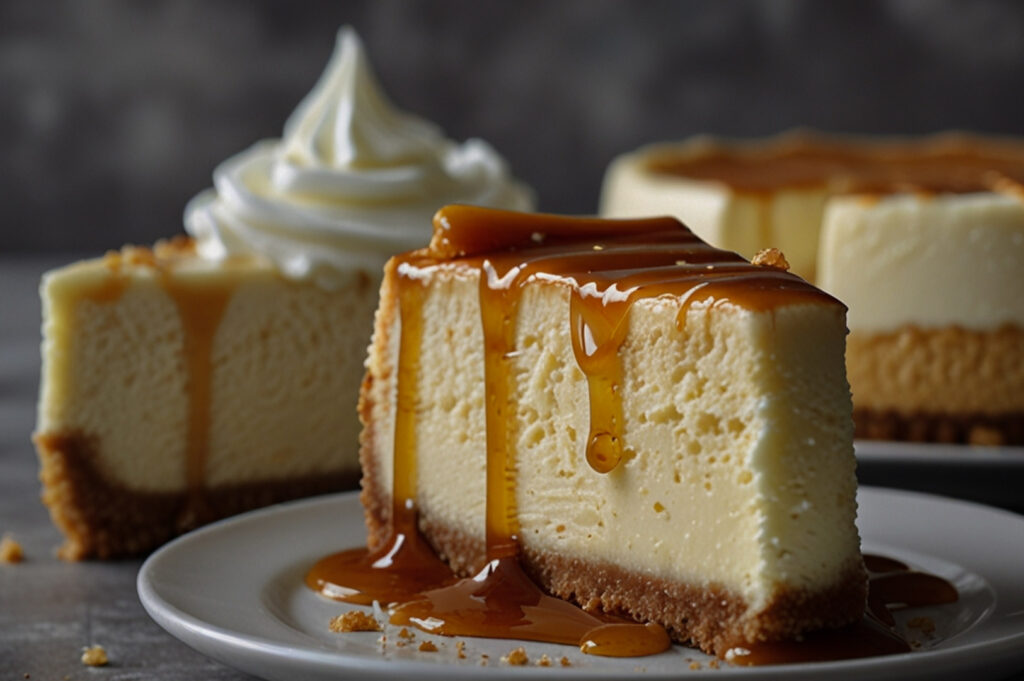
The traditional notion of dessert has often been associated with indulgence and excess. Desserts such as rich cakes, creamy mousses, and decadent chocolates have long been seen as the ultimate reward after a meal. However, modern diners are now seeking more than just a sugar rush from their desserts.
There has been a shift towards lighter, more refined desserts that prioritize structural elegance over heavy cream bases. This movement reflects a changing mindset towards quality and craftsmanship in the culinary world.
Instead of relying on excessive amounts of sugar and cream to create an enticing dessert, pastry chefs are now focusing on creating masterpieces through intricate layers and delicate balance of flavors. This shift is not only driven by consumer demand
For many years, the best cheesecake in Singapore was defined by its weight. Traditional New York style cheesecakes rely on a high density of cream cheese and heavy cream to create a rich, dense profile. While this provides a sense of indulgence, it often leads to a cloying sensation after only a few bites.
Modern preferences are moving away from this heavy caloric load. Diners are looking for a well-structured alternative that maintains the essence of cheese without the lingering film on the tongue. This requires a different approach to the density profile of the cake. By reducing the reliance on animal fats and incorporating structural softeners, a more breathable texture is achieved.
How Tropical Climates Influence Textural Preferences
Geography plays a significant role in culinary evolution. In a climate as humid as Singapore, heavy and oily foods can feel particularly taxing on the digestive system. A dessert that is too rich often feels out of place after a multi-course dinner.
Lightness has become a form of climate-appropriate refinement. A Japanese soy cheesecake offers a cooler, cleaner mouthfeel that complements the local environment. It provides the necessary satisfaction of a sweet finish without the physical discomfort often associated with high-fat baked goods. This regional demand for comfort has driven the rise of the light cheesecake Singapore market.
Soy as a Structural Softener for a Composed Texture
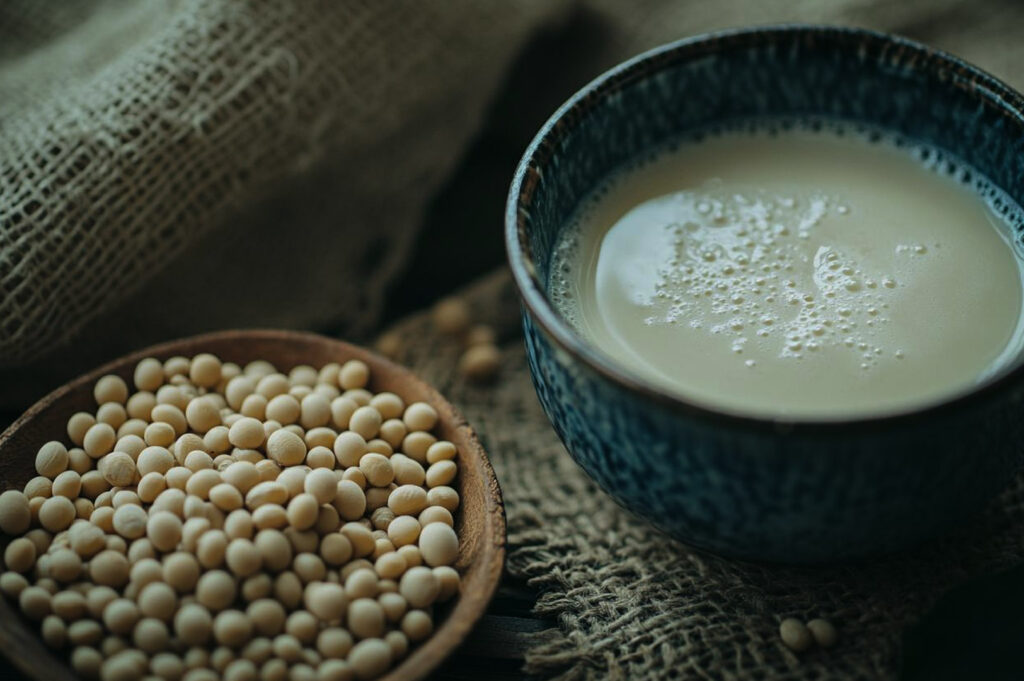
The integration of soy is a technical response to the demand for lightness. Soy milk and soy-based components act as a structural softener when blended with traditional cream cheese. This is a deliberate culinary choice that alters the palate weight of the dessert.
Unlike heavy cream, which adds volume through fat, soy provides a unique protein structure. This allows the cake to remain firm and sliceable while feeling significantly lighter on the tongue. The result is a composed texture that bridges the gap between the richness of a baked cake and the airy quality of a mousse. It represents a move toward a more disciplined form of pastry.
The Decline of Oversweetened Profiles in High-End Confectionery
As the palate of the average consumer becomes more sophisticated, the reliance on sugar as a primary flavor begins to fade. Excessive sweetness is often used to mask a lack of textural consistency or inferior ingredients. The movement toward lighter cheesecakes is also a movement toward more honest flavors.
Lowering the sugar content allows the subtle tang of the cheese and the earthy notes of the soy to emerge. This creates a more complex flavor profile. It is a shift from “loud” desserts to those that speak with quiet authority. This restraint in sweetness is essential for achieving a light cheesecake Singapore residents can enjoy frequently.
The Structural Distinction of No-Bake and Soufflé Alternatives
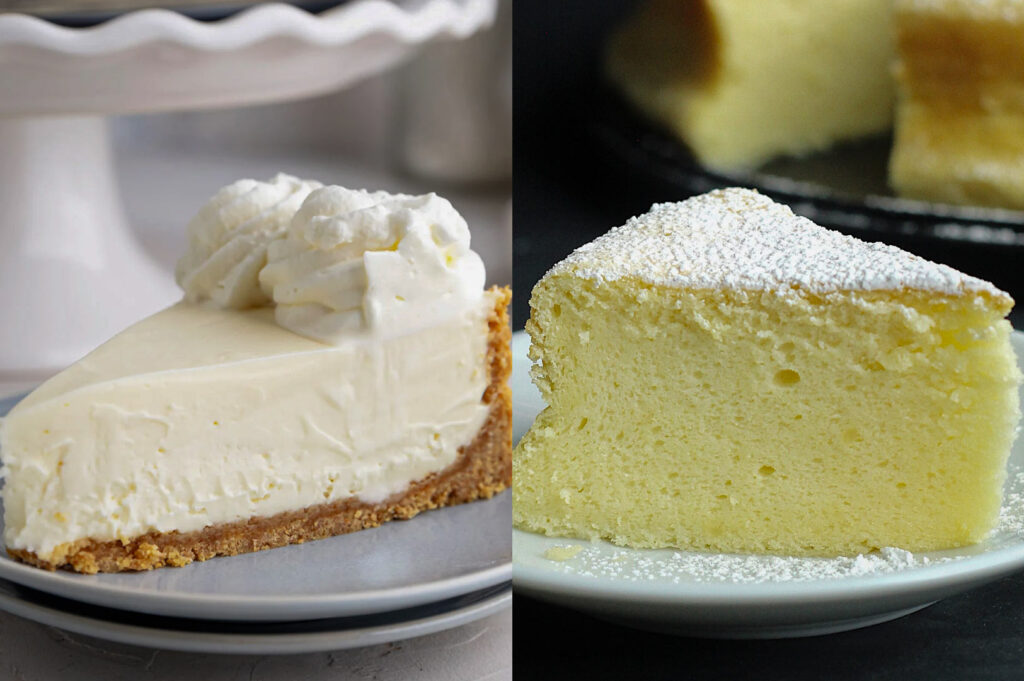
While the caramelized surface of a burnt style offers a specific textural contrast, it is often the weight of the dairy that dictates the experience. To explore the landscape of cheesecake Singapore beyond the Basque tradition is to enter a study of aeration and setting agents. Two primary alternatives exist for the palate seeking a balanced finish: the Japanese soufflé style and the no-bake interpretation.
Each style utilizes a different method of achieving structural integrity. One relies on the thermal expansion of air, while the other utilizes stabilization to maintain a composed texture without the application of heat.
The Aerated Complexity of Japanese Soufflé Cheesecake
Often referred to as “cotton cheesecake,” the Japanese soufflé style is defined by its impressive rise and cloud-like mouthfeel. This is achieved through a technical process where egg whites are whipped into a meringue and folded into a base of cream cheese, butter, and milk.
- Density Profile: Unlike the dense New York style, the soufflé version has a microscopic crumb structure that collapses gently upon contact.
- Textural Consistency: It is baked in a water bath (bain-marie) at a low, consistent temperature. This ensures the cake remains moist and prevents the exterior from toughening.
- Finish on the Palate: Because it uses less sugar and fat than traditional baked styles, the flavor release is immediate and clean, disappearing quickly rather than coating the tongue.
This style serves as a bridge for those looking for a light cheesecake that still retains the depth of a baked dessert. It is a testament to cheesecake as craftsmanship, requiring precise timing to prevent the structure from deflating as it cools.
The Stabilized Precision of No-Bake Cheesecake
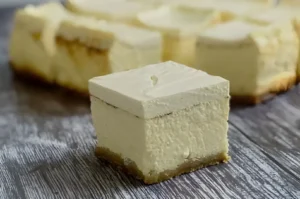
The no-bake cheesecake or “rare cheesecake” removes the oven from the equation entirely. Its structure is dictated by cooling rather than coagulation. This style is often favored in tropical climates for its refreshing, chilled quality and its vibrant, acidic notes.
- Setting Mechanism: Instead of eggs, no-bake versions often use gelatin or chilled aeration (whipped cream) to set. This results in a texture that is closer to a mousse than a custard.
- Palate Weight: The absence of baked flour or egg proteins creates a very low palate weight. It feels exceptionally smooth and lacks the “squeaky” or dense bite of a traditional baked cake.
- Flavor Profile: Without the caramelization of the oven, the focus shifts to the purity of the cheese. It is an ideal canvas for a Japanese soy cheesecake approach, where the subtle, nutty notes of soy are not masked by baked flavors.
A Considered Alternative: Daizu by Ki-setsu
At Daizu by Ki-setsu, we view these styles as distinct disciplines. While the market often fluctuates between the heavy and the molten, we focus on a refined alternative that prioritizes structural balance. Our Japanese soy cheesecake is a lighter interpretation that draws from the best of these technical traditions.
By utilizing soy as a structural softener, we achieve a well-structured cake that offers the stability of a baked dessert with the ethereal quality of an aerated one. It is a dessert designed for the completion of a meal, respecting the appetite while providing a balanced finish.