The resistance of a blade as it passes through a chilled cake provides the first indication of what the palate will soon experience. Before a fork is lifted or a crumb is tasted, the physical density of the dessert communicates the intention of the maker. In the world of high-end confectionery, density is not a byproduct of chance. It is a deliberate choice that dictates how flavor is released and how the appetite responds.
Density determines whether a dessert feels like a heavy conclusion to a meal or a refined transition. When evaluating the best cheesecake in Singapore, one must look beyond the surface aesthetics. The structural weight of the cake serves as a silent preface to the entire dining experience.
Density as a Predictor of Palate Weight
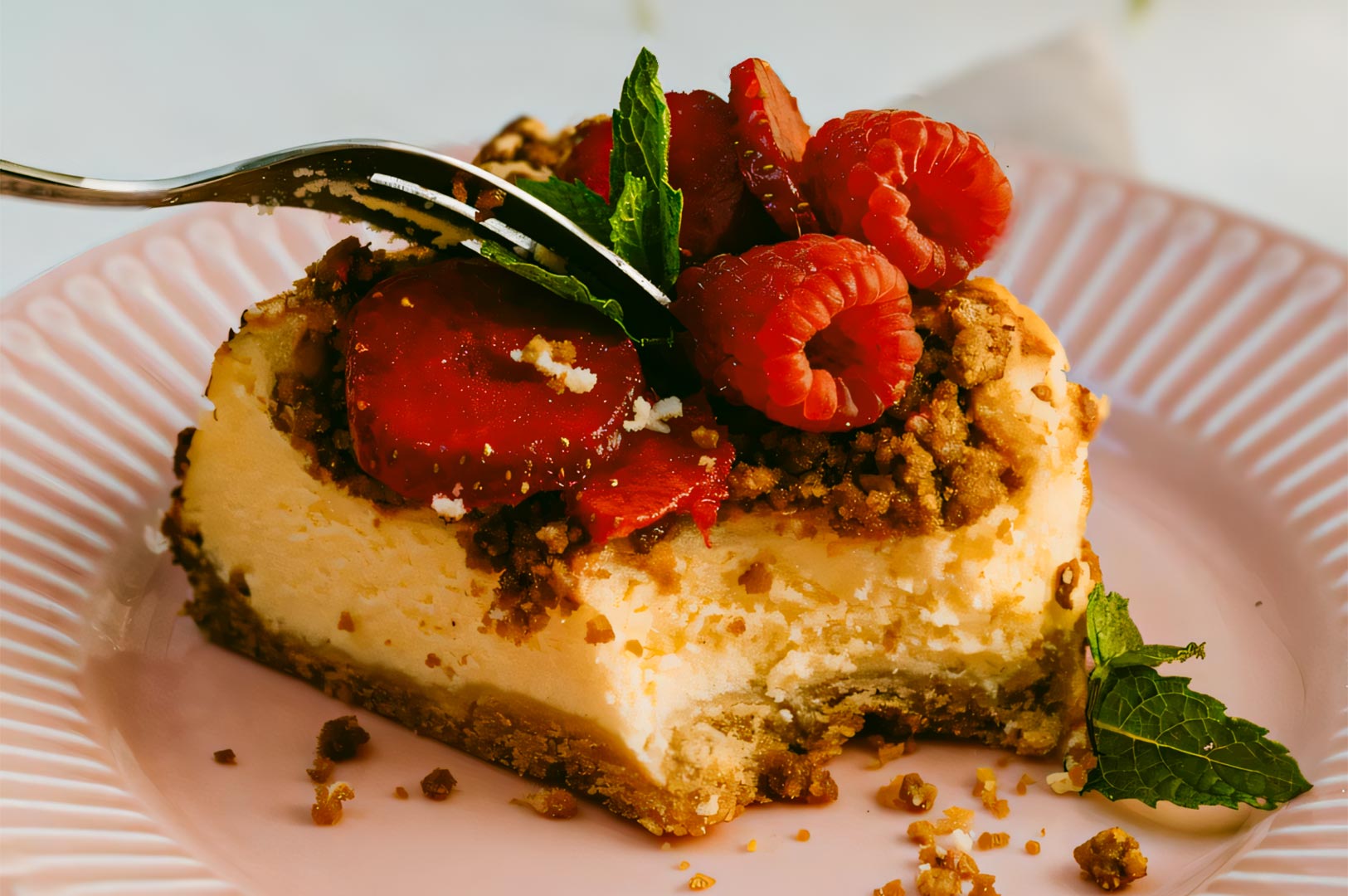
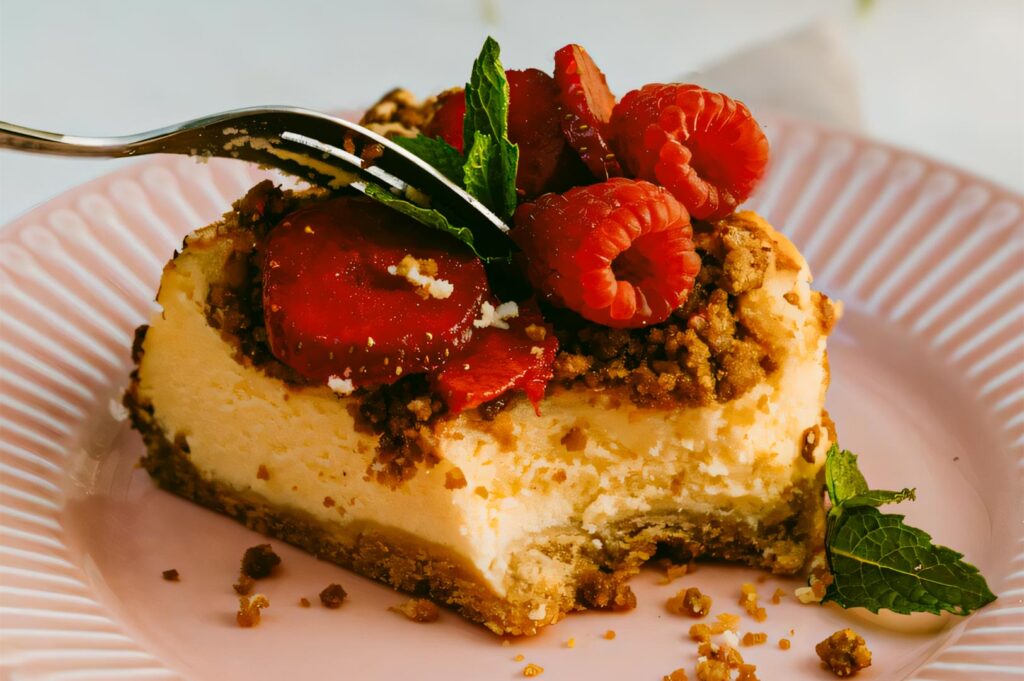
Palate weight refers to the physical sensation of food as it rests on the tongue. A high-density cheesecake, such as a traditional New York style, utilizes a high ratio of cream cheese and eggs with minimal aeration. This creates a substantial palate weight that lingers. The fats coat the tongue, slowing down the perception of sweetness and tang.
Conversely, a lower density profile suggests a different structural approach. When density is reduced, the dessert feels more agile on the palate. This is often achieved through the incorporation of air or the use of lighter structural softeners. A lower density allows the flavor notes to arrive and dissipate quickly, leaving the palate clean rather than coated.
How Structural Components Define the Density Profile
The ratio of proteins to fats is the primary architect of cheesecake density. In a standard baked cheesecake, the coagulation of egg proteins creates a firm matrix that traps fat and moisture. The more compact this matrix, the denser the result.
- Heavy Cream Bases: These contribute to a high-fat, high-density profile that prioritizes a coating mouthfeel.
- Meringue-Based Structures: Found in Japanese soufflé styles, these use whipped egg whites to create a literal lightness, though they often sacrifice structural integrity when cooled.
- Soy-Based Alternatives: Using soy as a structural softener provides a unique middle ground. It maintains a composed texture while reducing the heavy caloric load of traditional dairy fats.
By manipulating these components, a baker determines whether the cheesecake will be a dense, singular event or a light, multifaceted experience. This is a key consideration for those seeking a light cheesecake Singapore locals can enjoy as a frequent habit rather than a rare indulgence.
The Relationship Between Density and Flavor Release
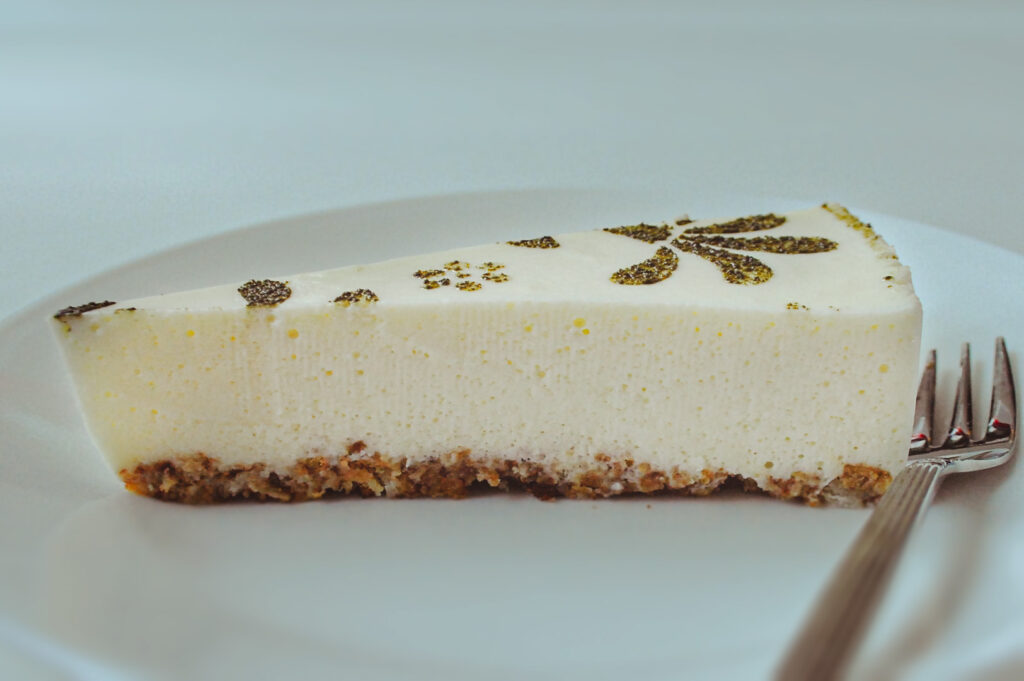
Density acts as a regulator for how we perceive taste. In a very dense cake, the molecules are tightly packed. It takes longer for the warmth of the mouth to break down the structure and release the encapsulated flavors. This results in a slow, mounting taste profile.
In a less dense Japanese soy cheesecake, the breakdown is more immediate. Because the structure is less resistant, the subtle notes of the soy and the brightness of the cheese are accessible from the moment of contact. There is no need for the palate to work to find the flavor. This immediacy is a hallmark of textural consistency and craftsmanship.
Why Density Dictates the Completion of a Meal
A dessert should respect the appetite that preceded it. A dense, high-fat cheesecake often demands the full attention of the digestive system. It is a heavy finish that can leave a diner feeling overextended. This is particularly true in the humid climate of Southeast Asia, where heavy, coating textures can feel burdensome.
A refined alternative focuses on a balanced finish. When the density is calibrated to be lighter, the cheesecake serves as a completion of the meal rather than an interruption. It satisfies the desire for a sweet conclusion without the physical weight associated with traditional baked styles.
Comparing the Structural Integrity of Different Styles
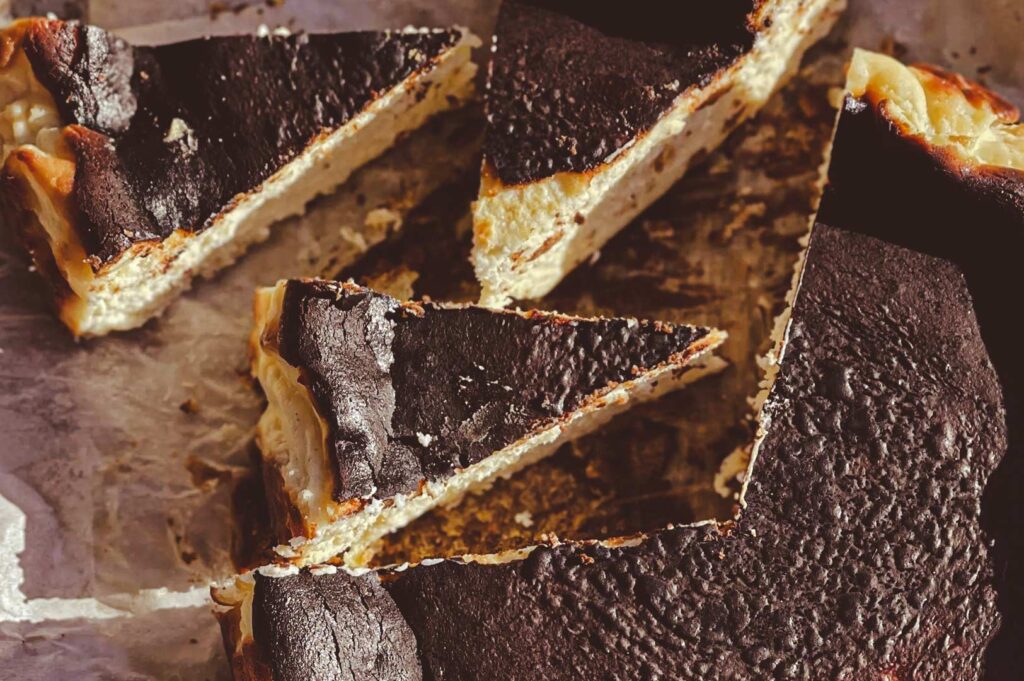
When searching for cheesecake Singapore enthusiasts often compare the Basque burnt style with more traditional options. The Basque style relies on high heat to create a caramelized exterior and a nearly fluid center. Its density is inconsistent by design, moving from firm to molten.
While the molten center is popular, it lacks the structural integrity of a well-composed, uniform cake. A consistent density from the edge to the center demonstrates a mastery of temperature and timing. It ensures that the first bite and the last bite offer the same refined experience. This level of control is what defines a Japanese soy cheesecake as a disciplined choice.
Soy as a Structural Softener in Modern Pastry
The introduction of soy into the cheesecake matrix is a significant technical evolution. Soy proteins do not behave the same way as dairy proteins. When integrated correctly, soy acts as a softener that interrupts the dense protein chains of cream cheese.
This results in a composed texture that is firm enough to hold its shape but soft enough to provide a gentle mouthfeel. It is a functional ingredient that allows for a reduction in heavy cream without losing the essential creaminess that defines the category. For those seeking an alternative to Basque cheesecake, this soy-influenced density offers a more sophisticated, stable profile.
The Visual Cues of Aeration and Moisture
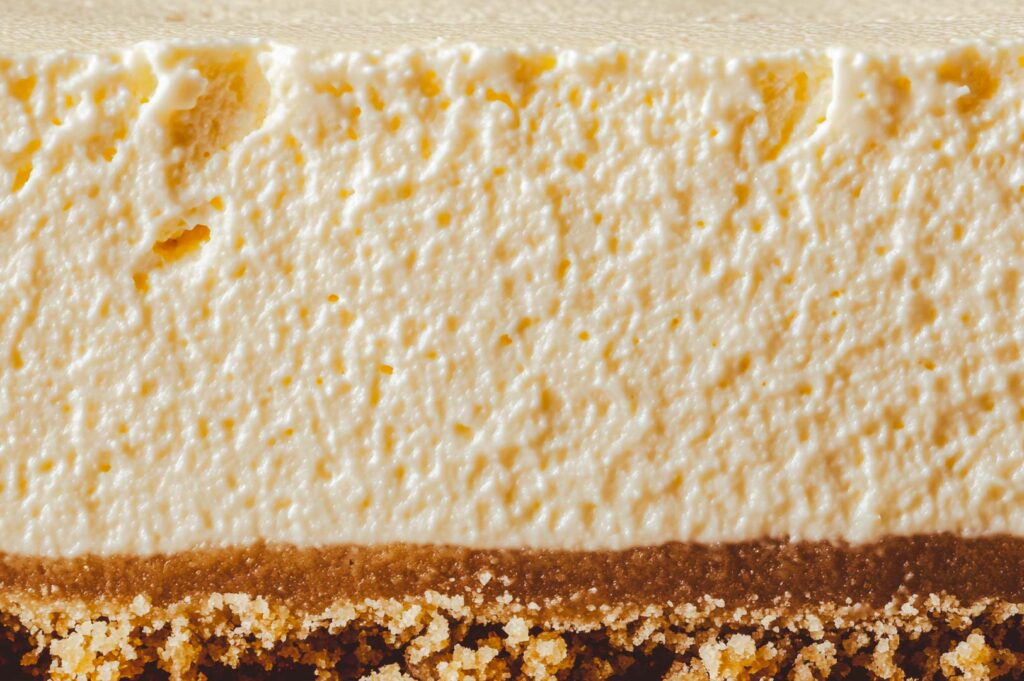
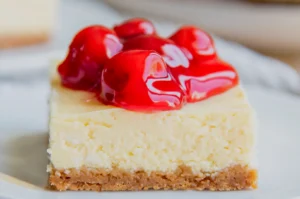
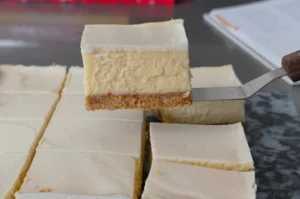
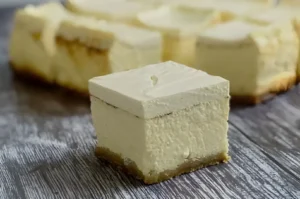
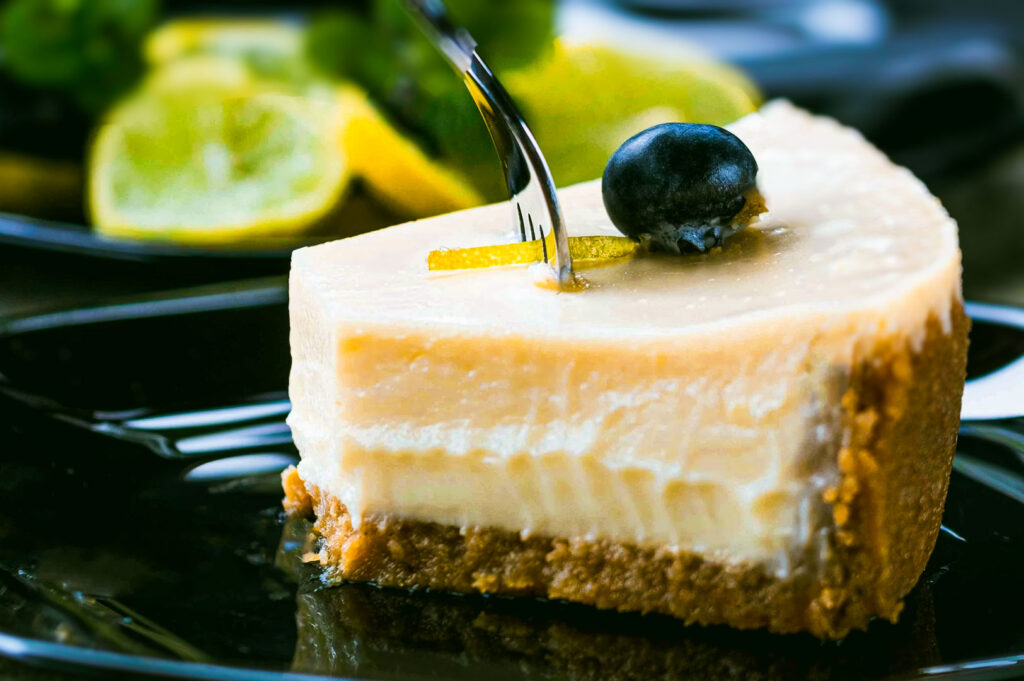
One can often judge the density of a cheesecake by its grain. A dense cake has a smooth, almost wax-like appearance on the cut surface. There are no visible air pockets. This suggests a rich, lingering finish.
A cake with a lighter density profile will show a fine, tight crumb that appears almost velvety. This visual texture indicates that the cake will have a clean finish on the palate. It suggests a balance between moisture and air. Achieving this specific grain requires precise mixing speeds to ensure that aeration is microscopic and evenly distributed rather than large and uneven.
Density and the Science of Satiety
The physical weight of what we eat sends signals to the brain regarding fullness. High-density desserts trigger these signals rapidly due to their high fat content. While this is efficient for satiety, it often leads to a cloying sensation.
By refining the density, Daizu by Ki-setsu creates a dessert that respects the palate. The goal is to provide a sense of satisfaction through flavor and texture rather than sheer volume or weight. This approach allows the diner to appreciate the nuances of the soy and cheese blend without being overwhelmed by the structural heaviness.
Maintaining Textural Consistency Across Temperatures
The density of a cheesecake changes as its temperature fluctuates. A cake that is perfect at room temperature may become unpleasantly hard when chilled. Conversely, a cake designed to be eaten cold may lose its structural integrity if left out.
True craftsmanship is found in a recipe that maintains its textural consistency across a narrow range of serving temperatures. It should remain yielding and smooth whether it is freshly taken from the fridge or has sat on the table for ten minutes. This stability is a sign of a well-formulated density profile.
A Considered Approach to Japanese Soy Cheesecake
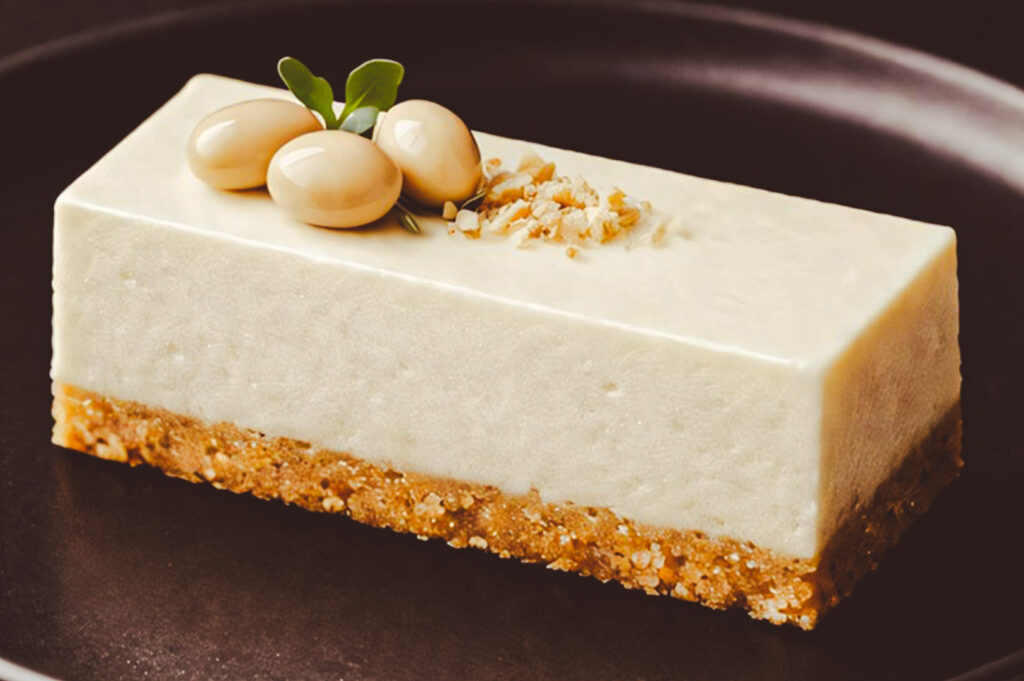
At Daizu by Ki-setsu, the focus remains on the intersection of technical precision and sensory balance. We view the Japanese soy cheesecake not merely as a trend, but as a structural study in how to achieve lightness without sacrificing the soul of the dessert.
Our process involves a careful calibration of soy and dairy to ensure the density is precisely managed. It is a lighter interpretation of a classic, designed for those who value subtlety over excess. By focusing on the density profile, we provide a dessert that is well-structured and offers a clean, balanced finish.
We believe that a cheesecake should be a reflection of craftsmanship. It is an invitation to experience a composed texture that honors both the ingredients and the individual. For those searching for the best cheesecake in Singapore, our refined approach to lightness and density sets us apart, offering a clear and deliberate path in the world of desserts.