The menu arrives. The appetite is sated, yet the meal feels incomplete. This is the precise moment where the structural integrity of a dessert matters most. Choosing the wrong finish, a dessert too heavy for the hour or too light to satisfy, can disrupt the balance of an entire evening.
In the realm of confections, few categories offer as wide a textural spectrum as cheesecake. From the aerated fleetingness of a soufflé to the formidable density of a New York slice, the category is defined not by flavour alone, but by weight.
For those navigating the landscape of cheesecake Singapore has to offer, the choices can be dense and confusing. Is the goal a molten centre that coats the tongue, or a structured bite that offers resistance? By applying a technical lens to ingredients and baking methods, we can filter these cravings into distinct categories of density, mouthfeel, and finish.
The Axis of Density: Understanding Structural Weight
Texture in cheesecake is largely a result of the ratio between fat, protein, and air. The density of the final product dictates how it interacts with the palate. A higher fat content typically results in a lingering mouthfeel, while the introduction of air creates a cleaner, faster finish.
The Heavyweight: New York Style
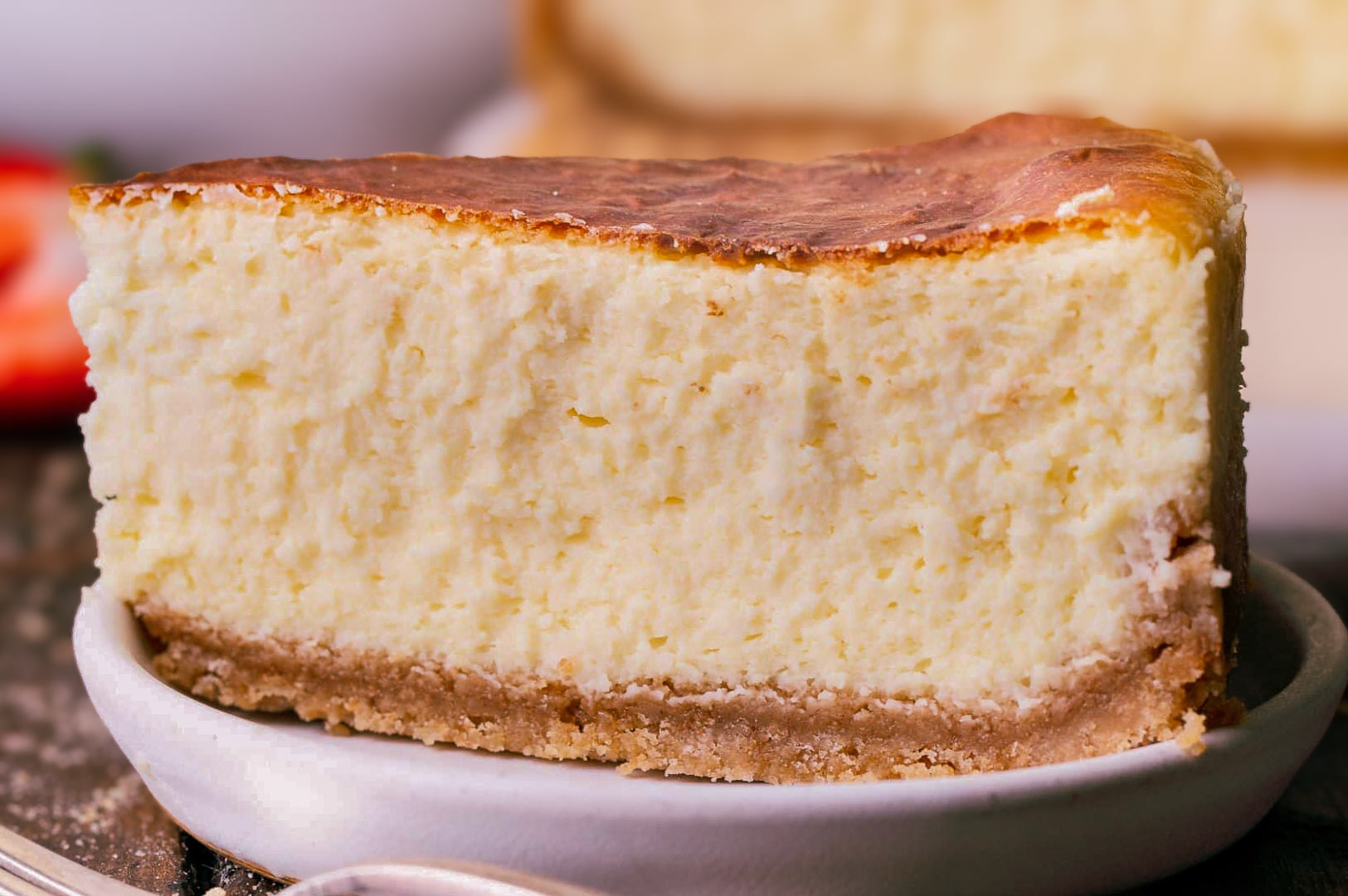
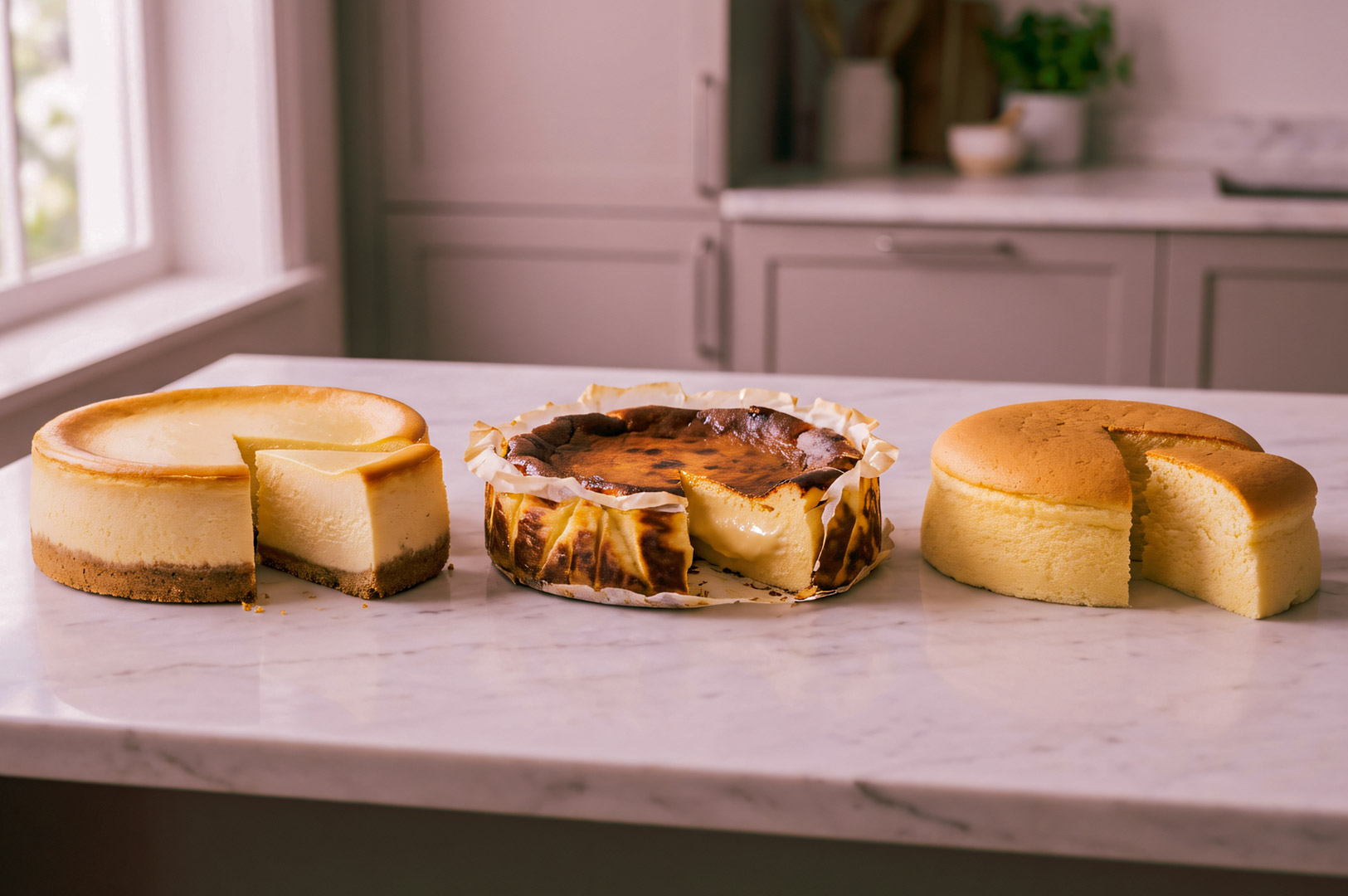
The New York style serves as the benchmark for high density. It relies heavily on cream cheese and often includes heavy cream or sour cream to tighten the crumb. The structure is compact. There is very little aeration during the mixing process; in fact, incorporating air is often discouraged to prevent surface cracking during the bake.
The result is a cake with significant palate weight. It does not dissolve; it must be worked by the tongue. The high fat content coats the mouth, leaving a lasting impression long after the bite is swallowed. This style is substantial. It is often too heavy to follow a multi-course dinner, serving better as a standalone indulgence or a pairing with strong, bitter coffee to cut through the richness.
The Aerated Alternative: Japanese Soufflé
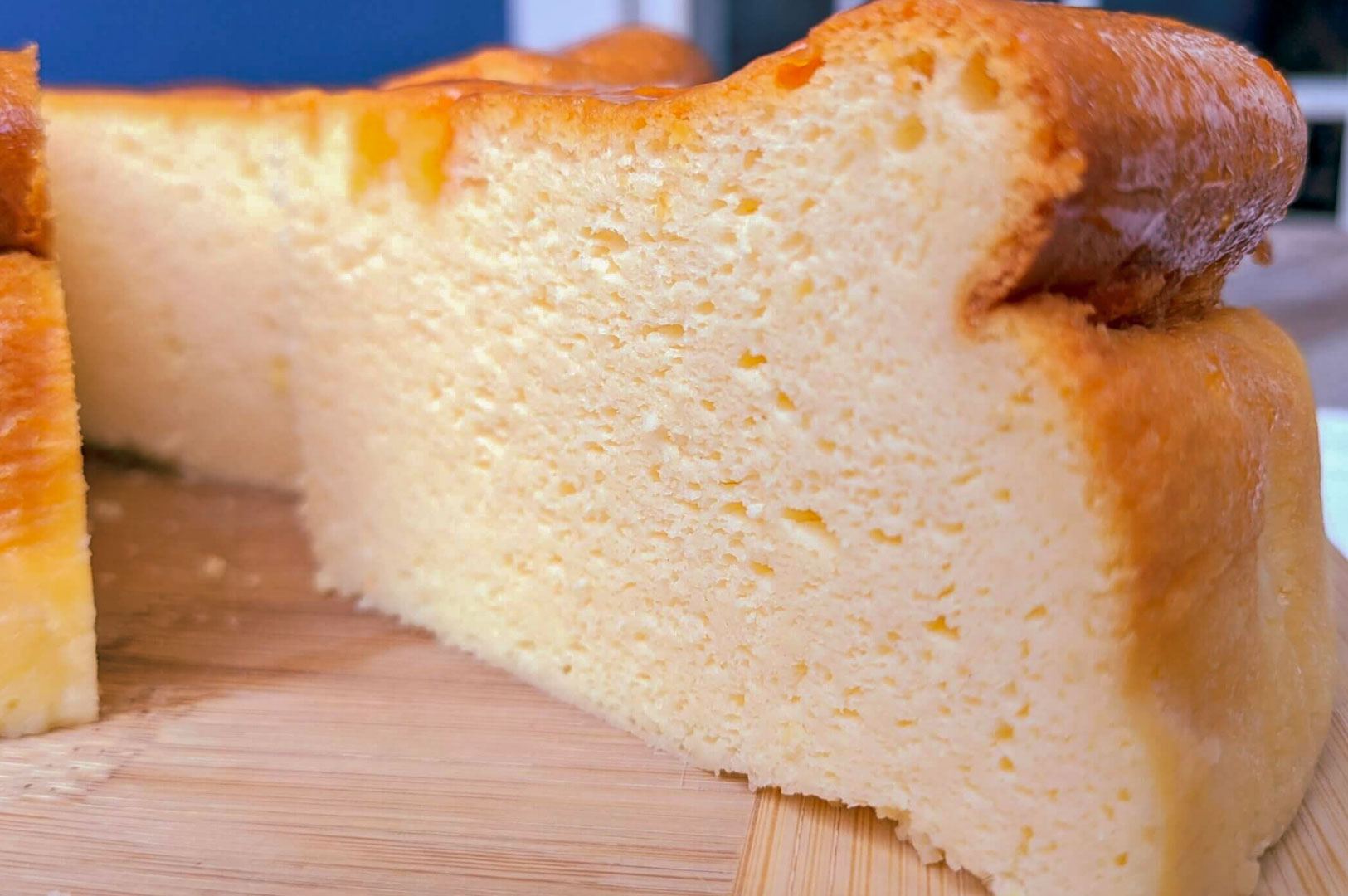
On the opposite end of the spectrum lies the Japanese soufflé cheesecake. Here, the primary structural agent is not cheese, but egg whites whipped to a meringue. The cheese content is diluted, folded gently into the aerated whites to preserve volume.
This creates a texture that is barely there. It relies on the trapped air bubbles for height. When eaten, the heat of the mouth causes these bubbles to collapse, creating a sensation of dissolving rather than chewing. While technically impressive, this style can sometimes lack the satisfaction of a “dessert”: it offers flavour without the tactile confirmation of eating. It is fleeting, often vanishing before the palate can fully register the profile.
The Role of Heat: Baked vs. Molten Profiles
Temperature plays a critical role in defining the center of a cheesecake. The way heat penetrates the batter determines whether the proteins coagulate fully into a set structure or remain loose and fluid.
High Heat and the Basque Phenomenon
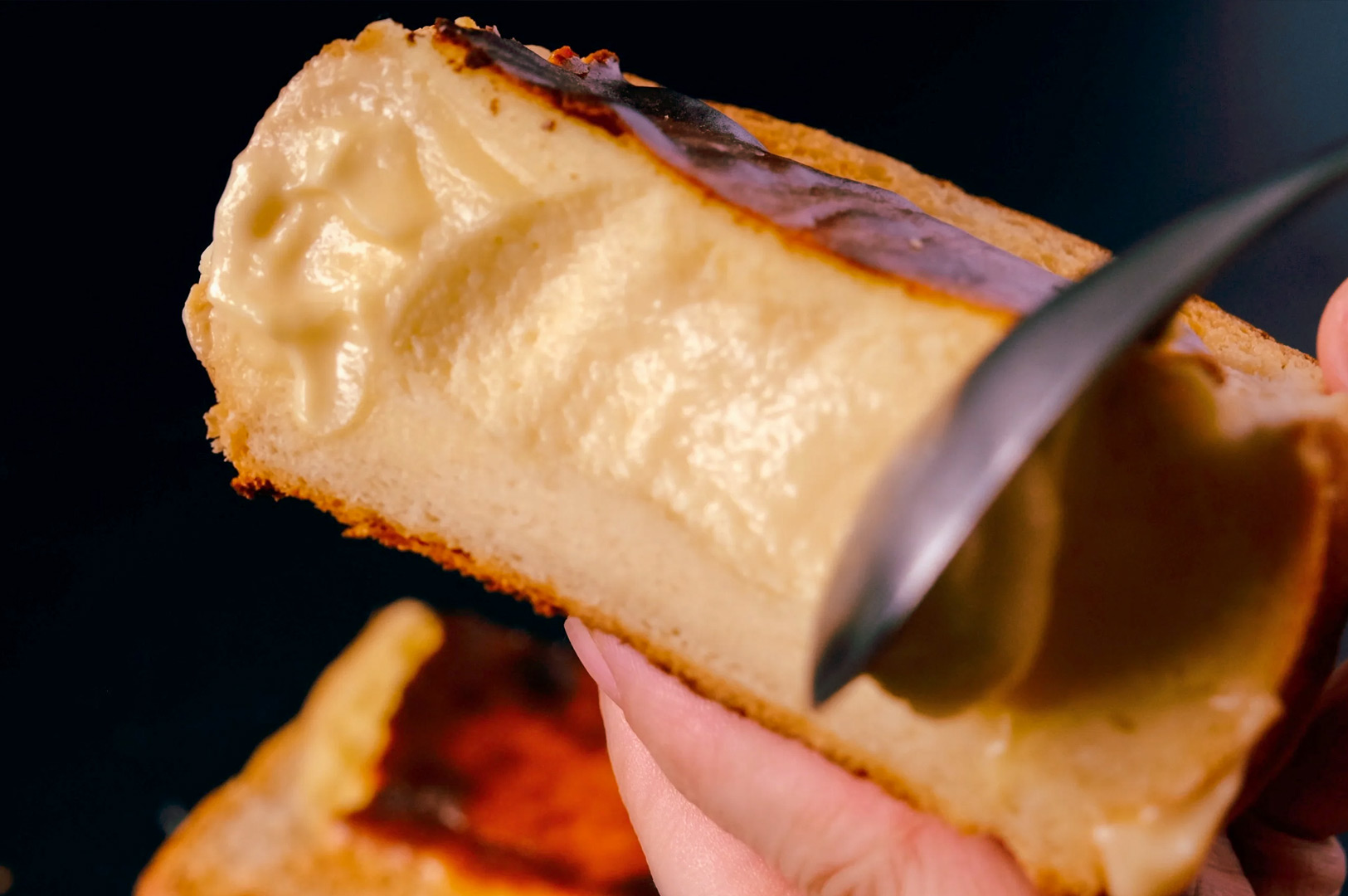
The Basque burnt cheesecake disrupts standard baking rules. It is baked at a very high temperature for a short duration. This aggressive heat creates a Maillard reaction on the exterior, the dark, caramelized “burnt” crust, while leaving the interior under-baked.
Structurally, this results in a textural gradient. The edges are firm and set, while the center remains molten. This is a dessert of contrast. The molten center offers a rich, creamy lava texture that appeals to those seeking intensity. However, the lack of structural integrity in the middle means it is often unstructured and messy to eat. It is less about refinement and more about raw, caramelized impact. It sits heavily on the stomach due to the density of the under-cooked batter.
The Cold Set: No-Bake Varieties
Removing heat entirely shifts the reliance to setting agents like gelatin or simply the chill of a refrigerator. No-bake cheesecakes lack the custardy texture of baked eggs; instead, they offer a smooth, mousse-like consistency.
Without the coagulation of eggs, the texture is uniform from edge to center. It is generally lighter than a baked New York style but lacks the complex mouthfeel that baking provides. The finish is cooler, often refreshing, but can sometimes feel synthetic if gelatin is overused to ensure stability.
Palate Fatigue and the Finish
One must consider “palate fatigue.” This occurs when a flavour or texture becomes overwhelming before the portion is finished.
Highly dense, heavy cream-based cheesecakes often induce palate fatigue quickly. The first bite is enjoyable; the third feels like work. The fat coats the tongue, dulling the taste buds’ ability to perceive nuance.
Conversely, a cake that is too light, like the soufflé, may not trigger the satiety signals associated with dessert. The diner is left searching for more, not because the flavour was insufficient, but because the physical sensation of eating was absent.
The ideal lies in the middle ground: a texture that offers resistance and creaminess but releases the palate cleanly. This is where the composition of fats becomes crucial. Animal fats (dairy cream) have a higher melting point and linger longer. Plant-based components often provide a cleaner exit, washing away without the heavy, greasy residue.
The Soy Variable: A Study in Texture
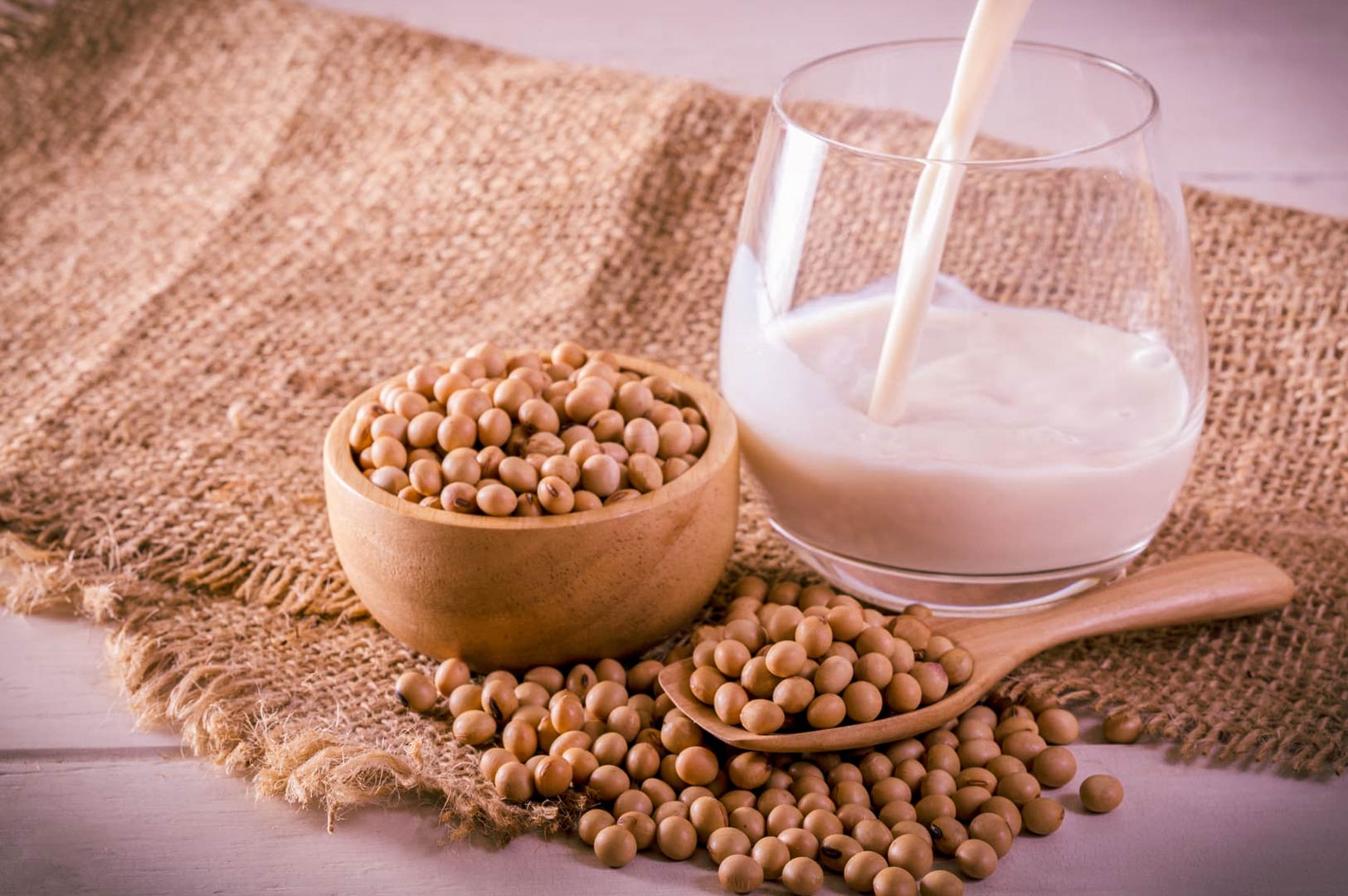
In the search for the best cheesecake in Singapore, one ingredient offers a unique solution to the density problem: soy.
Soy acts as a structural softener. Unlike heavy cream, which adds weight and density, soy milk and tofu contribute moisture and structure without the heavy fat load. When integrated into a cheesecake batter, soy proteins interrupt the dense network of dairy proteins.
Soy as a Structural Softener
This creates a hybrid texture. It possesses the creaminess expected of a cheesecake but lacks the cloying weight. The crumb is tighter than a soufflé but lighter than a New York slice.
The mouthfeel is distinct. It is smooth, yet it finishes quickly. There is no heavy film left on the roof of the mouth. This allows the flavour of the cheese and the soy to be perceived clearly, without being masked by excessive fat. It is a texture that respects the appetite, providing closure to a meal rather than an overload.
Defining Your Cravings: A Decision Matrix
How does one choose? It requires an honest assessment of the current appetite and the context of the meal.
Choose Dense (New York) When:
- You are eating dessert as a meal replacement.
- You require a high-impact sugar and fat delivery.
- You are pairing the dessert with a very strong, black coffee or tannic tea.
Choose Molten (Basque) When:
- You prefer caramelized, toasted notes over pure dairy flavours.
- You enjoy the textural variance of firm edges and a liquid center.
- You are willing to accept a heavier, unstructured finish.
Choose Aerated (Soufflé) When:
- You want something with zero resistance.
- You prefer a texture that mimics a sponge cake more than a custard.
- You are not looking for a lingering finish.
Choose Balanced (Soy/Refined) When:
- You have finished a full meal and require a composed endnote.
- You value a clean finish on the palate.
- You appreciate structural integrity without heaviness.
- You seek a light cheesecake Singapore style that prioritizes mouthfeel over mass.
Finding the Sweet Spot Between Rich and Light
Ultimately, the perfect cheesecake is a matter of architectural preference. It is about matching the structural properties of the cake to the physical requirements of the body at that moment. There is a time for the overwhelming density of heavy cream, and a time for the barely-there whisper of meringue.
However, for the discerning palate, balance is often the most difficult texture to achieve. It requires restraint. It requires an understanding that true luxury is not about excess, but about the precise calibration of ingredients.
At Daizu by Ki-setsu, we view cheesecake through this lens of balance. Our approach utilizes soy not just as a flavour note, but as a tool for textural refinement. We aim to create a dessert that sits comfortably between the extremes, substantial enough to satisfy, yet light enough to respect the meal that came before it. It is a study in composition, designed for those who understand that the finest finish is one that leaves you satisfied, not weighed down.