There is a specific, quiet frustration that comes halfway through a heavy dessert. The first few bites are usually wonderful, but somewhere around the middle of the plate, the richness catches up. The palate grows tired, the sweetness feels overwhelming, and the initial excitement vanishes, even in a cheesecake Singapore experience.
Finding a balance that keeps the palate awake requires a bit of culinary physics. Creating truly satisfying light desserts is not about making sacrifices or settled choices. It is about understanding how fat, sugar, and structural elements interact to deliver delicious flavor efficiently without overtaxing the body. When a dessert leaves someone feeling refreshed rather than sluggish, it is usually because the kitchen treated chemistry as an ally. By swapping dense elements for components that release flavor quickly, a light dessert can feel just as rewarding as a traditional bake.
The Physical Balance Behind Satisfying Light Desserts in an Easy Recipe
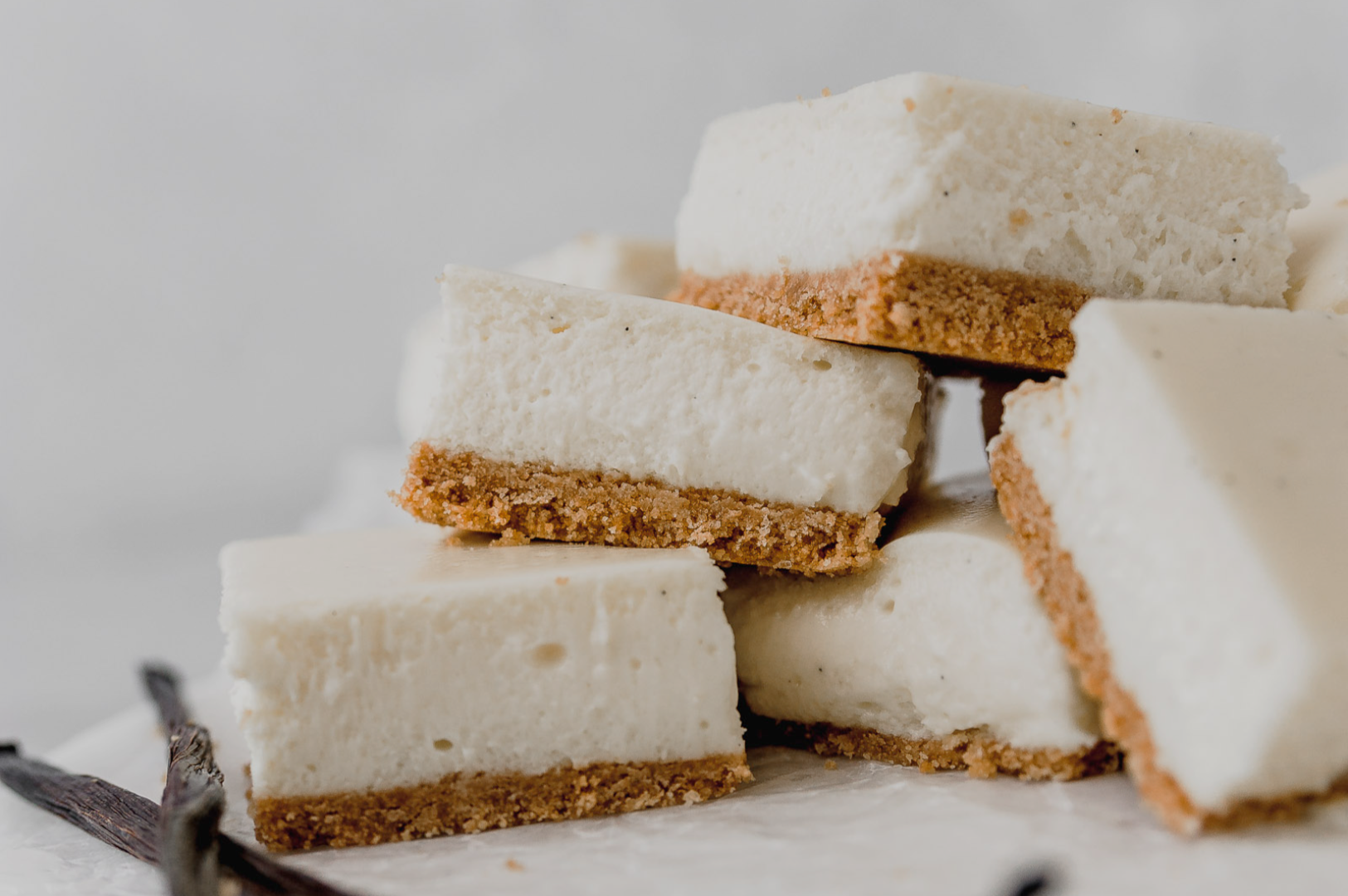
The way human taste buds perceive flavor depends heavily on temperature and fat content. Heavy fats coat the tongue, creating a barrier that slows down how quickly sweetness and aroma reach the brain. A lighter base allows tasty flavors like vanilla or fresh fruit to register almost instantly, requiring less table sugar overall to achieve the same satisfying impact.
Water content also plays a massive role in how satisfying a dish feels. High-moisture ingredients like yogurt or whipped cream give a sense of volume and creaminess without adding dense animal fats. When a recipe balances these elements correctly, the dessert finishes clean, leaving the palate ready for another bite instead of feeling saturated.
Structuring these tasty treats involves a delicate dance between moisture and stability. Traditional dessert recipes rely heavily on wheat flour and butter for shape, but shifting toward alternative stabilizers can completely change the experience. It turns out that a dessert can be both structurally sound and remarkably gentle on the stomach.
Crafting a Flawless, Velvet Texture Without the Wheat in Vegan Desserts
Achieving a smooth, cohesive bite without relying on traditional wheat starch is a common goal for modern bakers. Moving away from gluten changes how a batter handles liquid, as wheat proteins normally build an elastic network that traps air and moisture. Without that network, alternative starches must be chosen carefully to avoid a crumbly or dry texture.
Nut meals provide a brilliant workaround for this structural puzzle. Using almond flour or ground oats introduces natural fats and proteins that mimic the tender crumb of a classic cake. These ingredients absorb moisture gradually, ensuring the final dish stays moist throughout the baking process.
The result is a gluten-free treat that holds its shape beautifully on the dessert table while remaining incredibly gentle on the digestive system. Because these elements break down differently than refined wheat flour, they offer a steady release of flavor without the heavy, sleepy feeling that often follows a conventional pastry. Additionally, incorporating soy or soy bean-based ingredients can further enhance the dessert’s texture and nutritional profile, adding plant-based protein and a subtle creaminess that complements the natural flavors. These soy components contribute valuable health benefits, making the dessert not only satisfying but also nourishing.
Rethinking Classic Pastry Foundations with Better Cooked Dessert Recipes
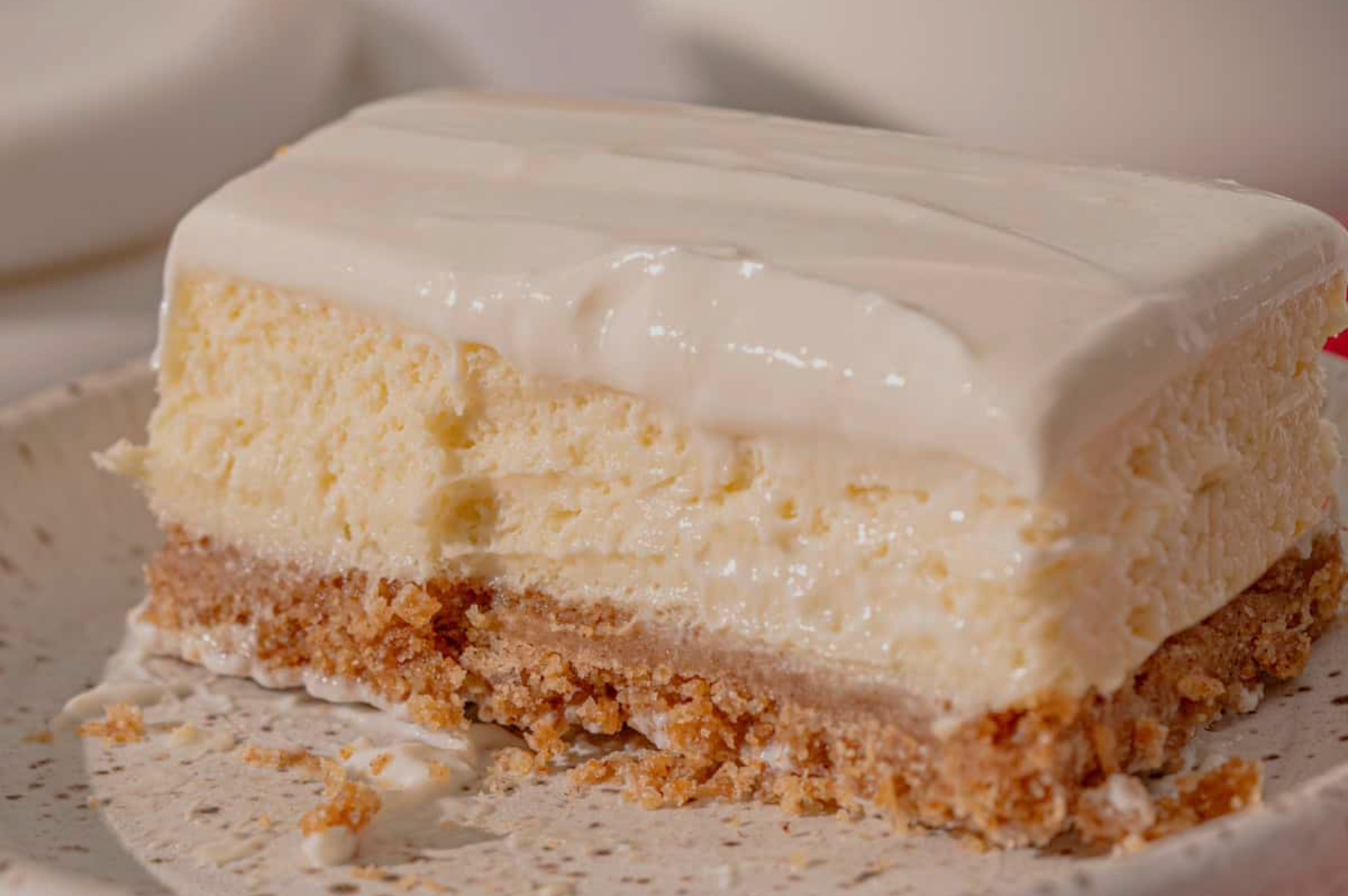
Most traditional dessert recipes depend on a heavy foundation of cream and sugar to carry flavor. While this approach is effective, it often results in a dish that feels like a full stop to a meal rather than a pleasant punctuation mark. Shifting the balance toward a lighter side opens up a completely new realm of texture and clarity.
Using wholesome ingredients as the base allows individual flavor profiles to shine through clearly. When a kitchen stops relying on sheer volume of fat to create a luxurious mouthfeel, the subtle notes of fruit, spices, and cultured dairy become much more distinct. It changes the entire perspective on what makes a sweet dish successful.
This structural shift requires a fresh look at how everyday ingredients behave under different conditions. Whether a recipe is baked, chilled, or frozen, the goal remains the same: maximizing flavor delivery while minimizing physical heaviness.
Balancing the Tang of Cream Cheese in Lighter Bakes Filled with Flavor
Working with cream cheese in a lighter framework requires a careful hand. Its dense, high-fat nature gives classic cakes their signature weight, but it can easily dominate a dish if it is not balanced by something more fluid. To keep things light, the kitchen needs to introduce components that interrupt that dense structure.
Blending the cheese with air-whipped components or high-moisture proteins creates a much more breathable texture. This allows the signature tanginess to come through clearly without the heavy, pasty mouthfeel. The sweet taste becomes sharper and more vibrant because it does not have to fight through layers of dense dairy fat to reach the palate.
How Fresh Fruit Shapes the Chemistry of No Bake Desserts and Yummy Treats
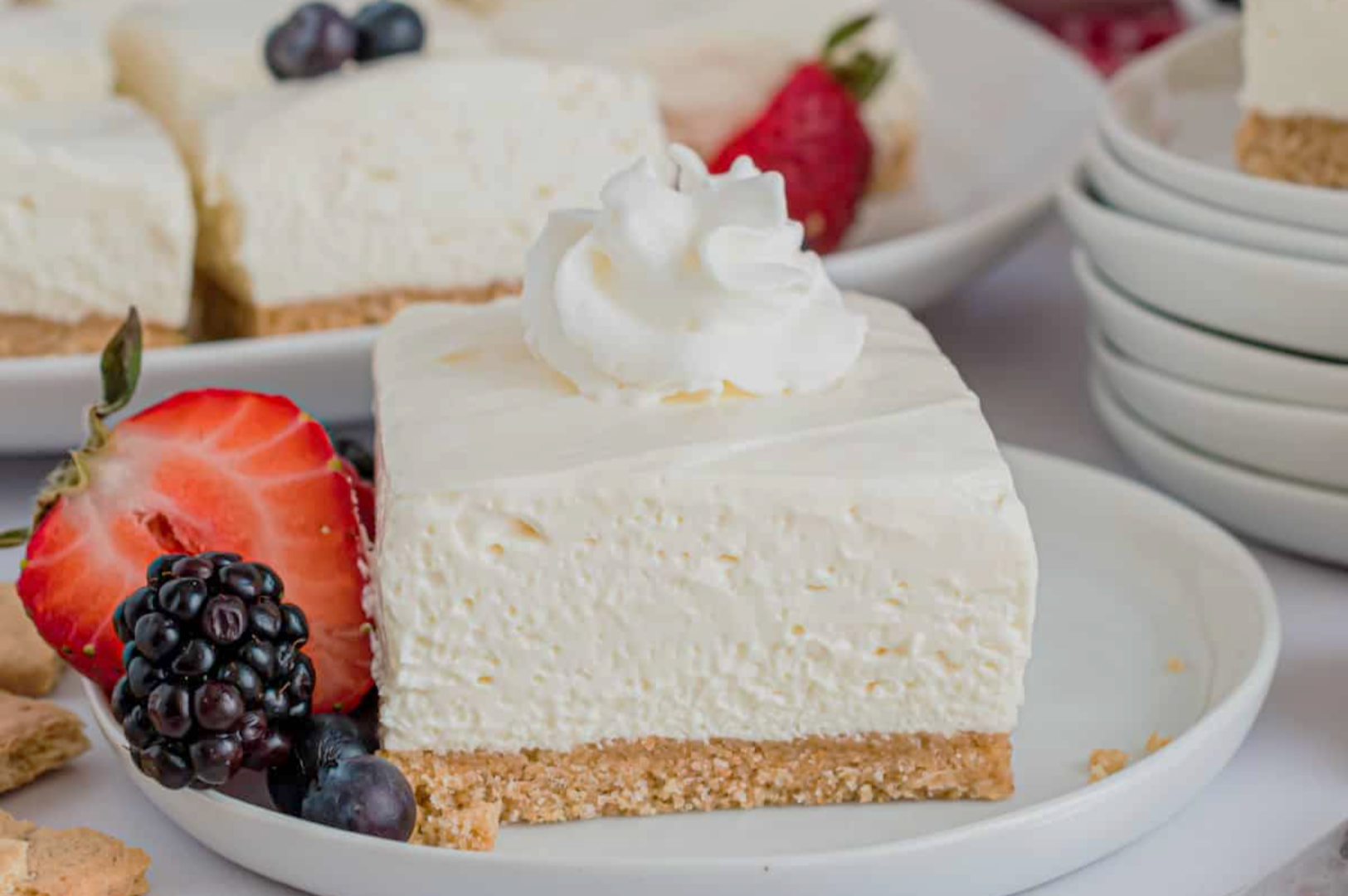
Cold presentation changes how sweetness registers, meaning no bake desserts have to find clever ways to keep flavors bright. When a dish is served chilled, the taste buds are naturally less sensitive to sugar. Instead of simply adding more sugar, smart kitchens use the natural acidity of fruit to wake up the palate.
Incorporating fresh fruit like sliced apples, ripe peaches, or tart raspberries provides a natural contrast to creamy bases. The organic acids in the fruit cut through the richness of the dairy, making every bite feel clean and lively. This interaction satisfies a sweet tooth without relying on a mountain of powdered sugar or heavy syrups.
Furthermore, fruit brings its own structural benefits to a quick recipe. The pectin and fiber present in fresh strawberries or crushed walnuts help bind a raw dough or crust together naturally. This allows a simple mixture of nuts and dates to form a sturdy, chewy base that requires absolutely no time in a hot oven to set.
Redefining the Frozen Treat Beyond Vanilla Ice Cream with Light Desserts
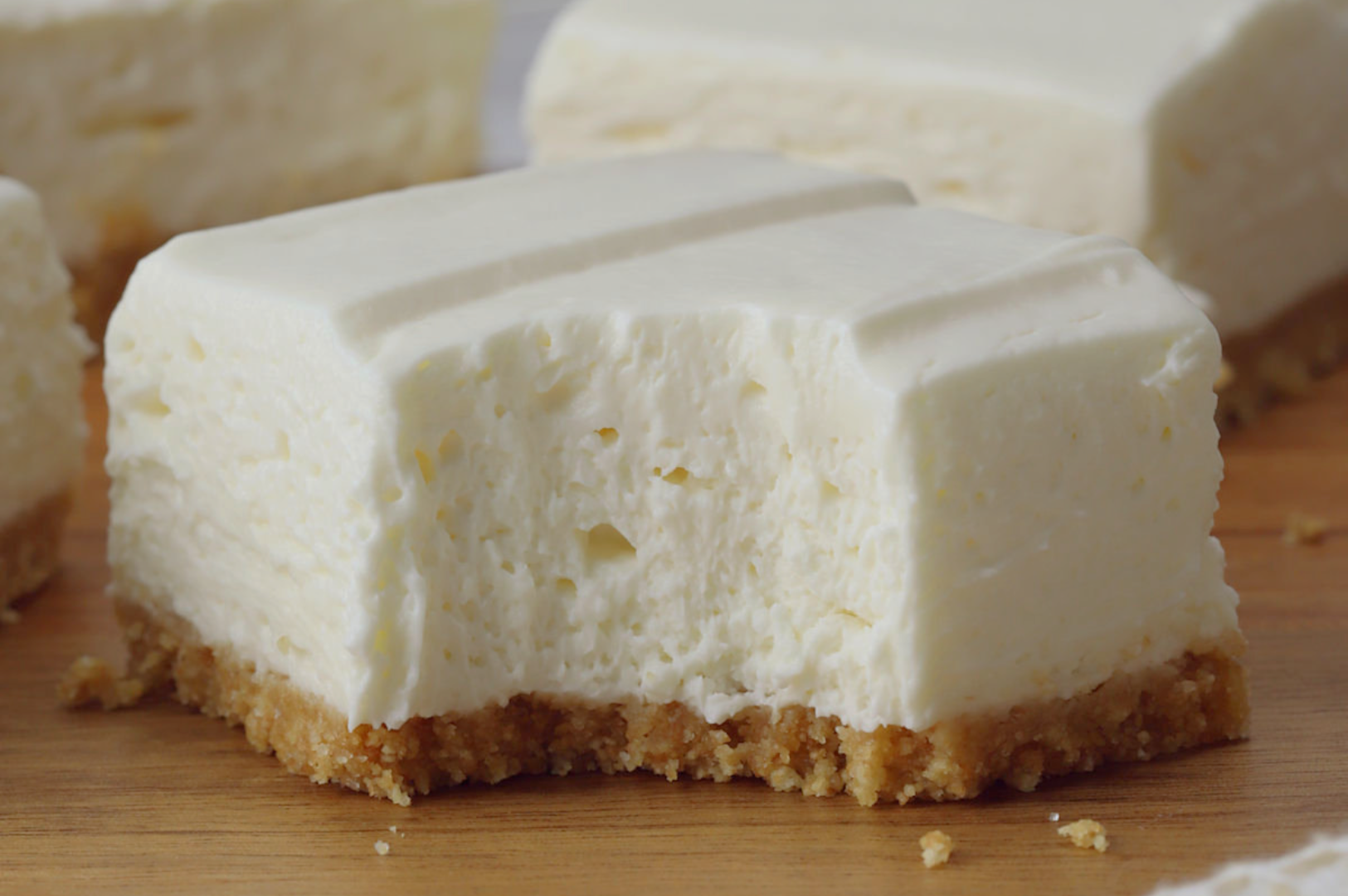
On hot summer days, the instinct is usually to reach for something frozen to cool down. A standard scoop of vanilla ice cream or rich chocolate gelato certainly does the trick, but the high cream content can leave a heavy coating on the tongue. This slow-melting fat can actually make a person feel warmer and more sluggish a short while after eating it.
An elegant alternative is a vibrant fruit sorbet or an avocado-based frozen mousse. These options leverage natural fats or simple water-based structures to deliver a freezing temperature directly to the palate. Without a heavy blanket of dairy cream, a touch of honey, mint, and fresh fruit can create a deeply refreshing experience that cools the body instantly.
This approach transforms the role of frozen desserts during the warm summer months. When a frozen dish melts quickly and cleanly, it provides an immediate burst of refreshment. It turns a simple afternoon snack into a rejuvenating moment that prepares the body for the rest of the day.
Achieving Moisture and Lightness in Modern Cakes Like Brownies, Cupcakes and Cheesecakes
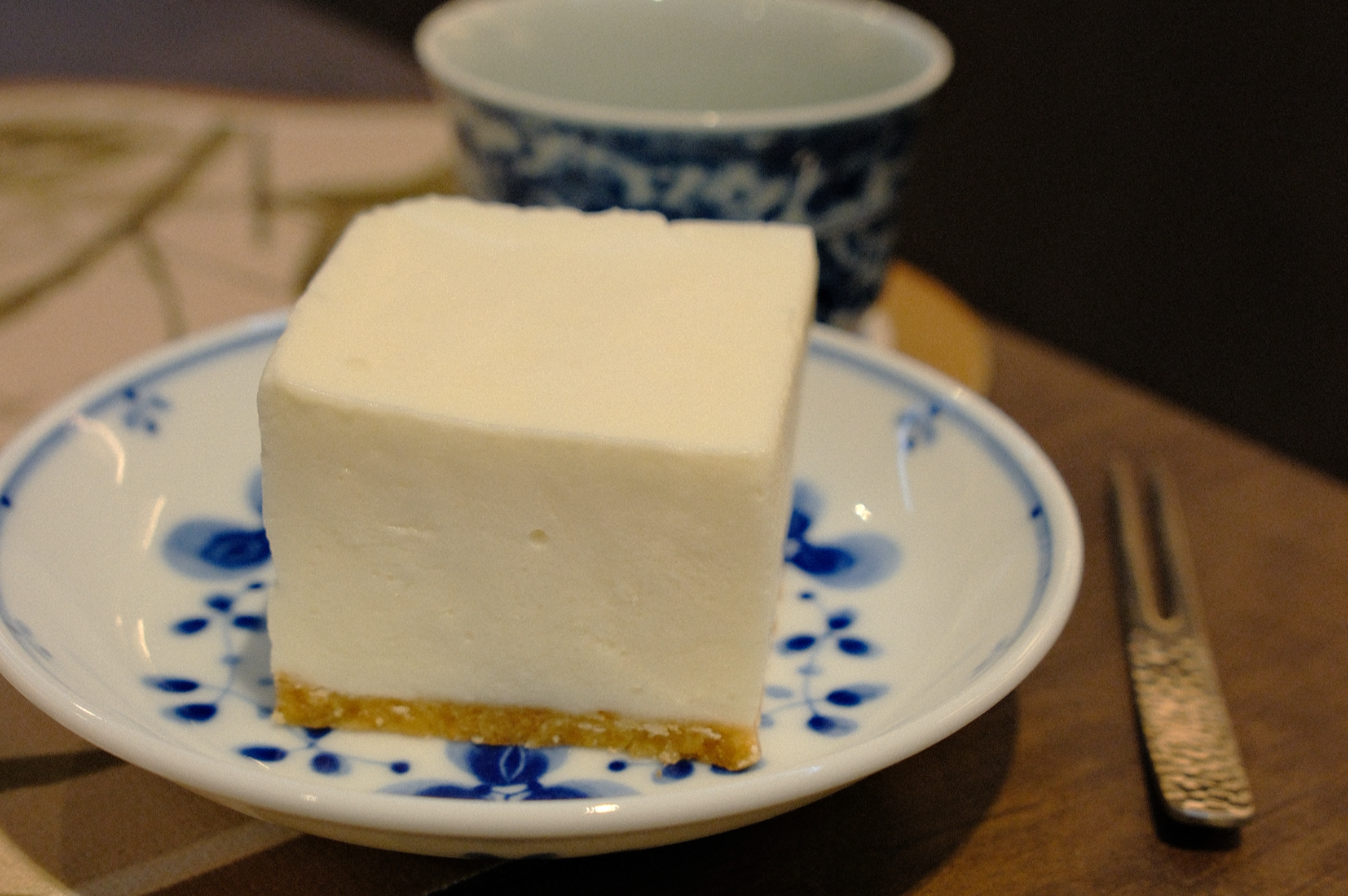
The central challenge of creating a modern cake is ensuring that a lighter profile does not result in a dry or boring slice. Traditional cakes rely on a standard cream and sugar mixture to create a tender crumb, but this often results in a dense, calorie-heavy dessert. Achieving a velvety texture requires looking at alternative ways to retain moisture inside the baking pan.
Modern pastry development is finding brilliant ways to solve this by looking toward functional plant proteins. Introducing smooth, moisture-dense components into a batter allows a cake to retain its structure cleanly while significantly lowering the reliance on heavy animal fats. Every single slice delivers a clean, delicate finish that satisfies a craving without any subsequent physical burden.
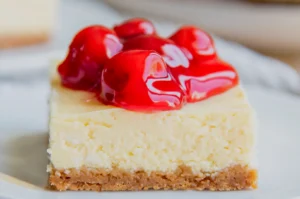
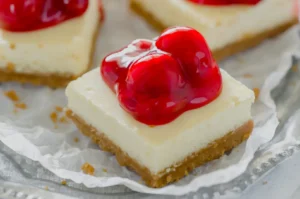
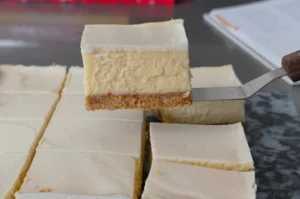
At Daizu by Ki-setsu, this exact philosophy of balance dictates the creation of our Japanese soy cheesecakes. By mindfully blending premium soy milk and smooth silken tofu into a traditional cream cheese base, the kitchen creates a stable, velvety texture that remains perfectly consistent. It offers an elegant, thoughtful alternative for the modern palate in Singapore, ensuring that sharing a sweet treat with family and friends leaves everyone feeling energized, light, and thoroughly satisfied. This homemade dessert is a delicious example of how tasty treats can enrich life without weighing it down, whether enjoyed after breakfast, dinner, or as a post-meal delight.