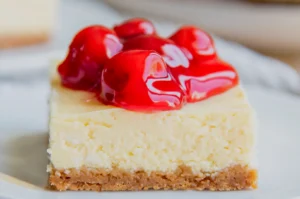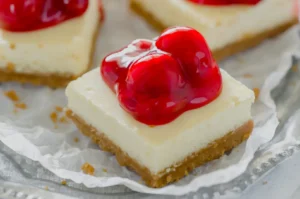
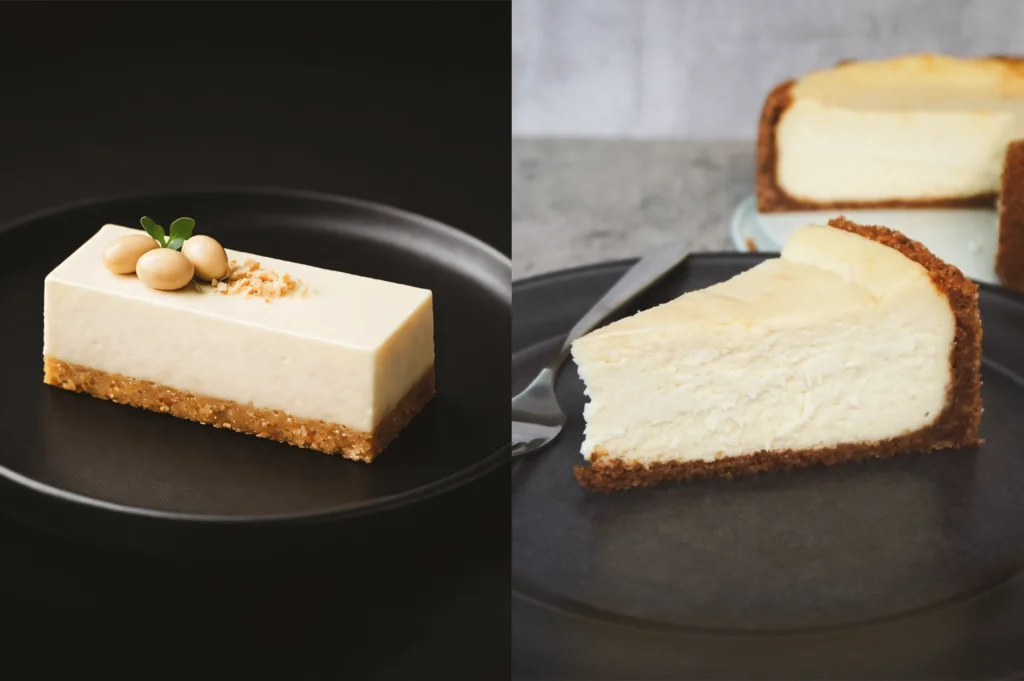
Most people reach for a slice of cheesecake expecting a particular weight on the fork. That density. That richness. What happens when you remove the dairy and build the same structure from something entirely different? That is the question at the centre of the soy cheesecake vs regular cheesecake conversation.
The answer is more nuanced than most dessert comparisons allow. At Daizu by Ki-setsu, we embrace this nuance by crafting soy cheesecakes that stand on their own as refined, delicious desserts rather than mere substitutes for traditional cheesecakes.
What Goes Into a Regular Cheesecake
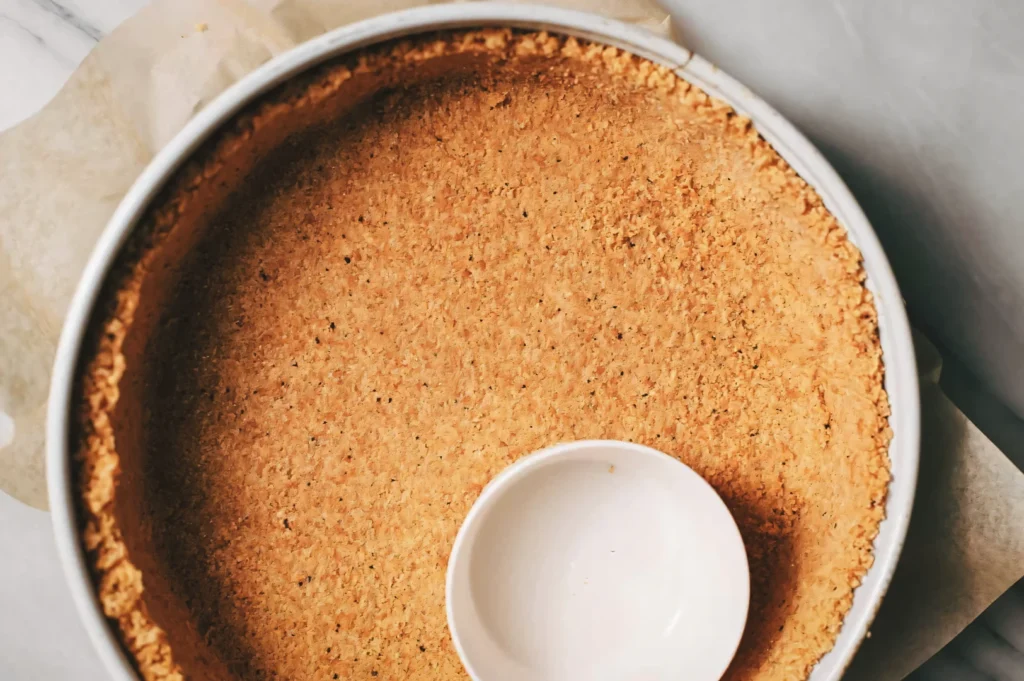
A traditional cheesecake is built on a handful of load-bearing ingredients. The filling relies on cream cheese as its primary structural element. Eggs provide set. Sugar controls sweetness. A small amount of lemon juice or lemon zest lifts the flavour profile.
The crust is almost always a graham cracker crust. Graham crackers are pressed with butter and sugar, then compacted into a cake pan or springform pan. The result is a base with slight crunch and a caramelised finish.
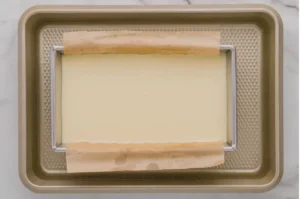
The baked cheesecake version is set in the oven, sometimes using a water bath to regulate temperature and prevent cracking. It cools slowly, then refrigerates overnight before slicing.
Traditional cheesecake carries significant palate weight. The density profile is high. The finish on the palate is long, with a fatty richness that lingers. This is not a criticism. It is a structural characteristic.
What Goes Into a Soy Cheesecake
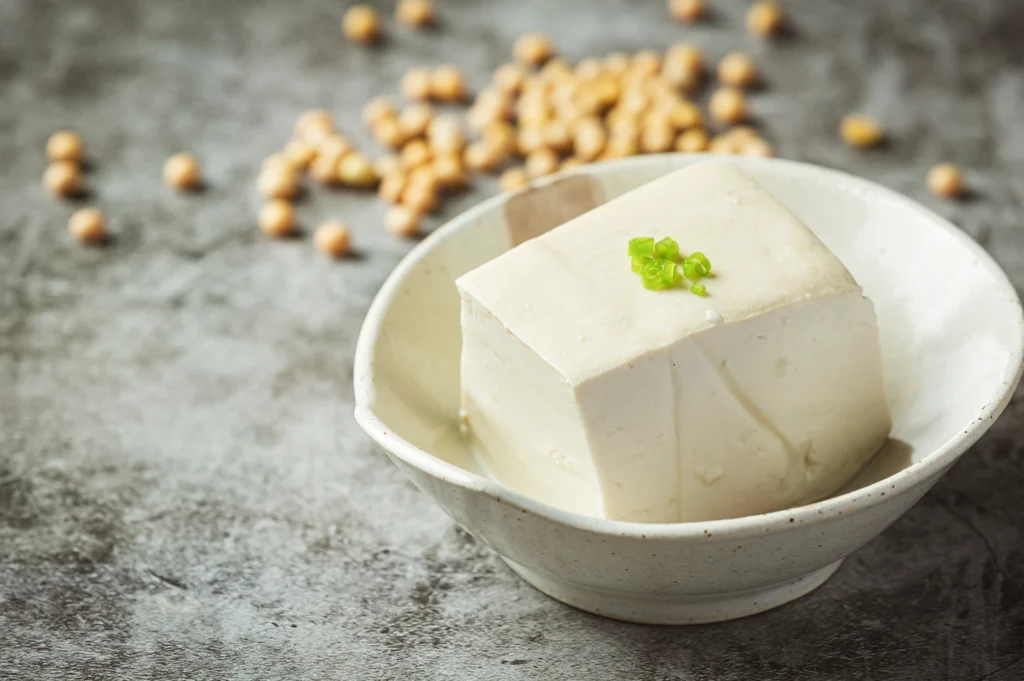
A soy cheesecake replaces the dairy-based filling ingredients with plant-derived alternatives. The most common substitutes are silken tofu, vegan cream cheese, and coconut cream. Some recipes also incorporate raw cashews, blended until completely smooth, to add body and fat content.
The crust construction often mirrors a traditional graham cracker crust. Graham crackers, vegan butter, and coconut sugar are the typical components. Some recipes adjust for a gluten free version by substituting gluten free graham crackers or a nut-based base.
Silken tofu is the structural backbone in many soy cheesecake recipes. When blended in a food processor with coconut oil, maple syrup, lemon juice, and vanilla extract, silken tofu produces a cheesecake filling that sets with a smooth, even consistency. Firm tofu is occasionally used when a denser texture is preferred.
Coconut milk or coconut cream adds fat and richness. Lemon zest and more lemon juice replicate the tang that cream cheese naturally delivers in a traditional cheesecake.
Vegan Cream Cheese vs Traditional Cream Cheese: How They Behave in a Filling
This is one of the more consequential differences between the two styles.
Traditional cream cheese has a stable protein and fat structure that behaves predictably during baking. The cheesecake filling sets firmly, holds its shape after slicing, and produces a textural consistency that is difficult to replicate without dairy.
Vegan cream cheese varies depending on brand and formulation. Most are built on a base of cashews, coconut oil, or a blend of plant proteins. The fat content is typically sufficient for a structured cheesecake filling, but the mouthfeel differs. It is often lighter, occasionally grainier, and may carry a faint coconut or nut undertone.
When silken tofu is added alongside vegan cream cheese, the filling becomes denser and more stable. The combination tends to produce a smoother blend than either ingredient alone.
Taste Test: How Each Style Reads on the Palate
A traditional cheesecake has a very specific flavour signature. Tangy. Rich. Sweet without being sharp. The cream cheese provides a dairy depth that reads as both savoury and sweet simultaneously.
A well-made soy cheesecake can taste good in its own right, but it does not replicate that dairy depth exactly. Instead, it offers a different flavour architecture. The coconut notes from coconut cream or coconut milk add a quiet sweetness. The cashews, when blended with maple syrup and lemon juice, produce a balanced finish that reads as subtly tangy and mildly sweet.
The soy component itself adds an earthy undertone. Depending on the recipe, this can be a stronger flavor or barely perceptible. Vanilla extract moderates the soy note. Lemon juice and lemon zest sharpen the overall flavour profile.
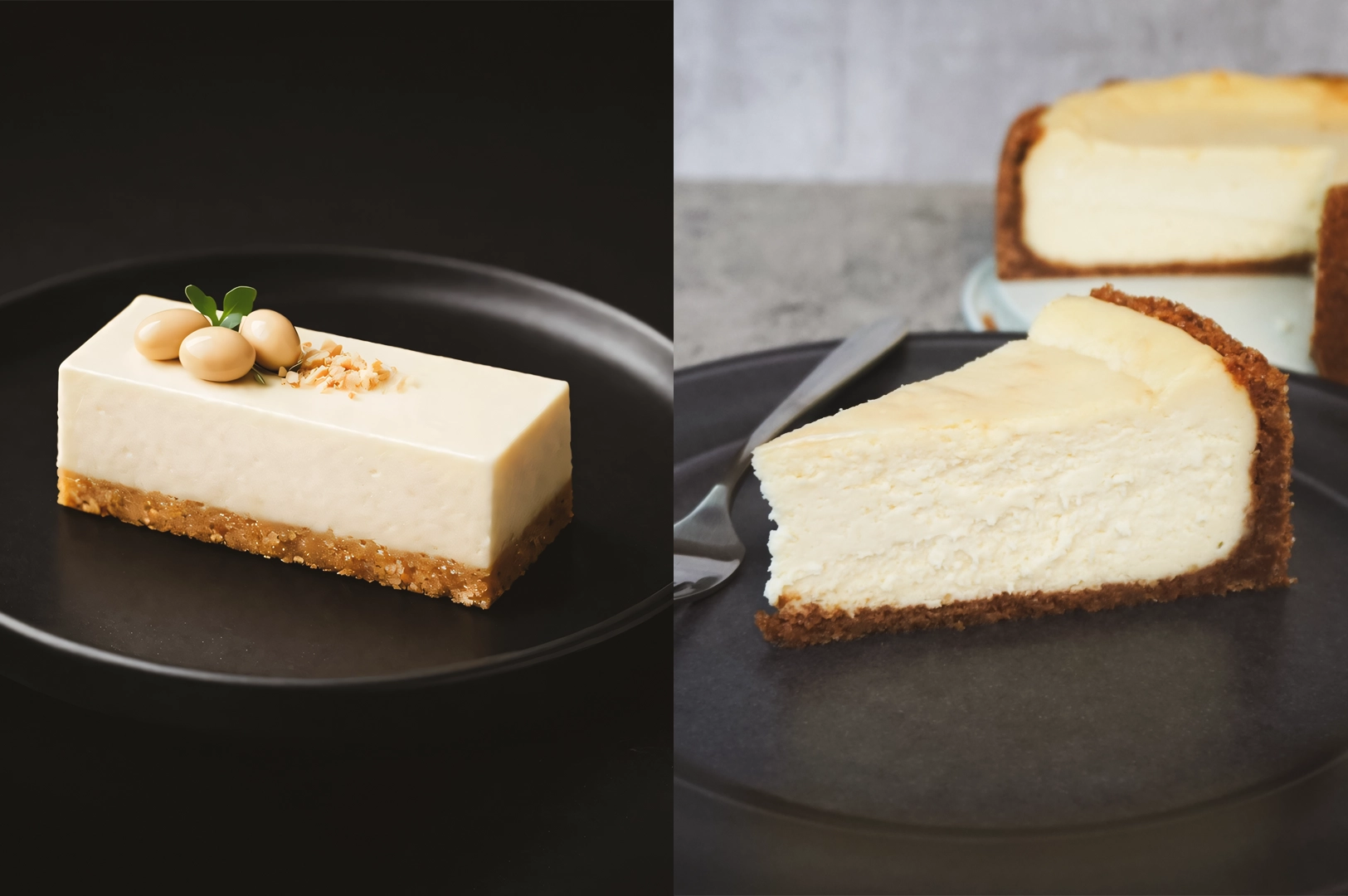
In a direct taste test, the two styles are distinguishable. A traditional cheesecake carries more palate weight and a richer, longer finish. A soy cheesecake tends toward a cleaner, lighter finish that dissipates more quickly.
Neither is superior. They serve different structural and dietary purposes.
Texture Comparison: Density, Mouthfeel, and Structural Integrity
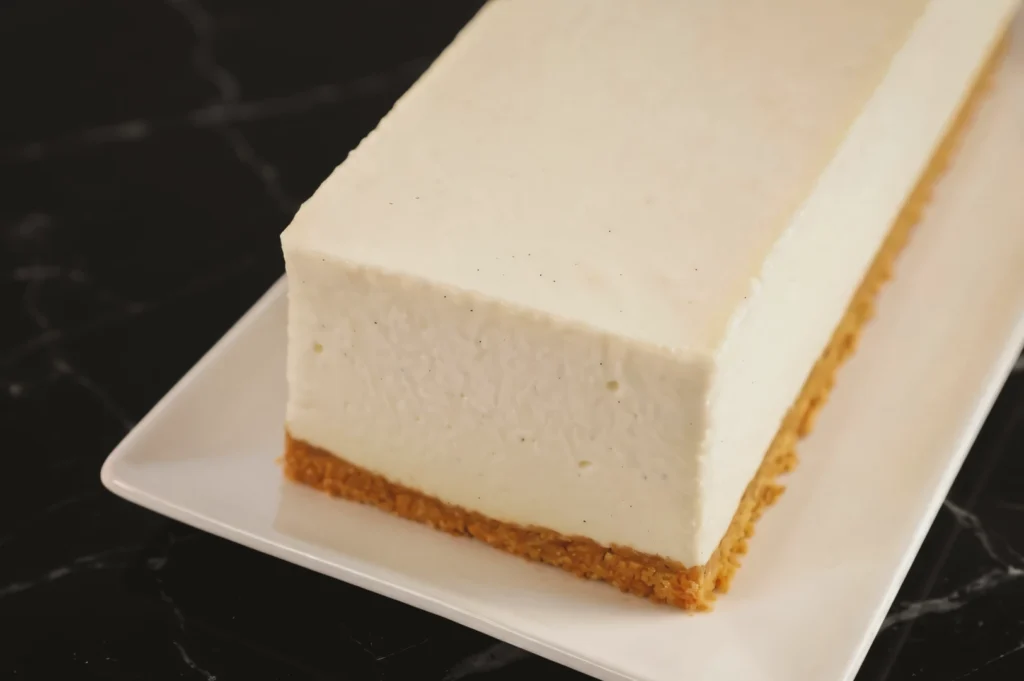
Texture is where soy cheesecake vs regular cheesecake diverges most visibly.
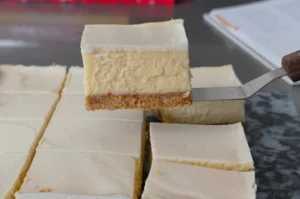
A traditional baked cheesecake, when properly executed, has a dense, uniform texture. The interior is compact but yields cleanly under a fork. The mouthfeel is smooth and sustained.
A soy cheesecake, particularly one made with silken tofu or a cashew base, tends to be lighter in density. The interior is creamy but not as firm. The mouthfeel is shorter. It dissolves more quickly on the palate.
This is not a flaw. It is a different density profile. For those who find traditional cheesecake too heavy, this lighter texture is the point.
When coconut cream is used in higher ratios, the texture becomes richer and closer to a traditional cheesecake. Raw cashews, when soaked and blended until completely smooth, add a fat content that increases structural integrity and extends the mouthfeel.
Health Profile: Saturated Fat, Sugar, and Ingredient Quality
A traditional cheesecake is high in saturated fat, primarily from cream cheese and butter. It contains regular sugar in meaningful quantities. For those monitoring dairy intake or fat consumption, the numbers are significant.
A soy cheesecake is not automatically lower in calories. Coconut oil, coconut cream, and cashews all carry substantial fat content. However, the fat sources are different. Plant-based fats behave differently in the body than dairy-derived saturated fat, though research on the distinction continues to develop.
The sugar profile also varies depending on the recipe. Coconut sugar and maple syrup are common substitutes for regular sugar in vegan recipes. Both still contribute to total sugar intake, though they carry a lower glycemic index than refined white sugar.
From a dietary inclusion standpoint, a soy cheesecake is vegan, often gluten free with minor crust adjustments, and free from dairy and eggs. This makes it accessible to a broader range of dietary needs without requiring significant compromise on texture or flavour.
Vegan Cheesecake Recipes and Crust Variations
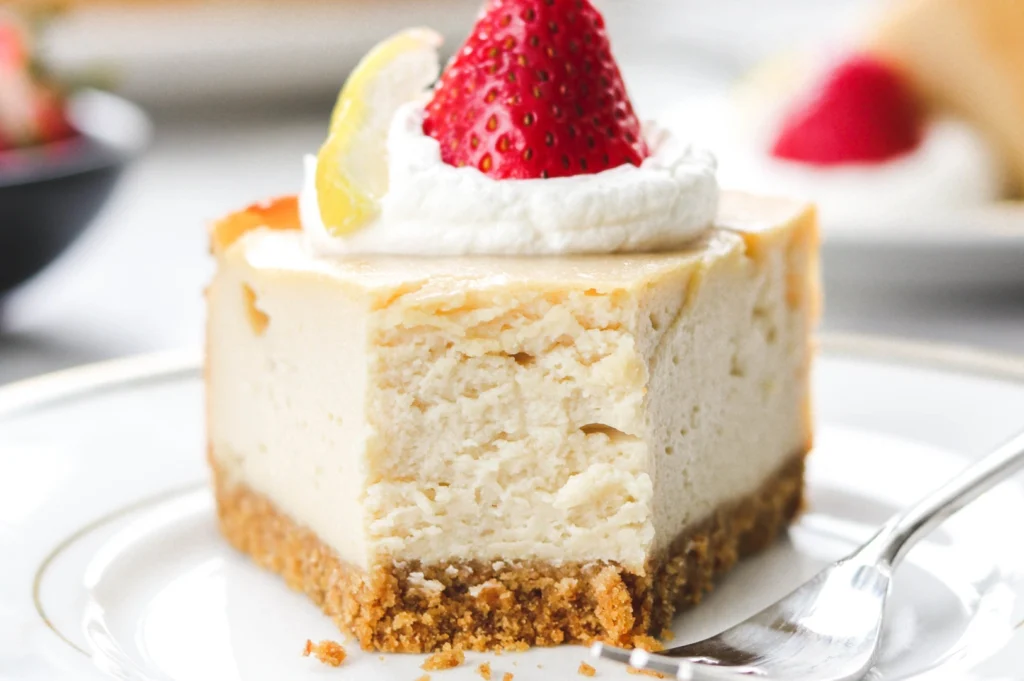
The graham cracker crust is the most common base in both traditional and vegan cheesecake recipes. Graham crackers are combined with melted vegan butter and pressed into a springform pan lined with parchment paper, then pre-baked before the filling is added.
Some vegan cheesecake recipes skip the bake entirely. A no-bake version sets in the refrigerator, relying on the fat content of coconut cream and cashews to hold the filling’s structure. This produces a slightly softer texture than a baked cheesecake but requires no oven time.
Cocoa powder is occasionally incorporated into the crust or filling for a chocolate variation. Berry compote or fresh berries are common finishing elements. A berry compote adds acidity that contrasts the richness of the filling and provides visual contrast when cheesecake is topped before serving.
York cheesecake and New York style cheesecake are baked variations characterised by a denser filling and a flat, firm top. Vegan versions of the york cheesecake attempt to replicate this by increasing silken tofu or vegan cream cheese ratios and baking at a lower temperature with a water bath.
What the Comparison Actually Resolves
The soy cheesecake vs regular cheesecake comparison does not produce a clear winner. It produces a clearer understanding of what each style is built to do.
A traditional cheesecake is built for density, richness, and a long finish. It is a composed texture that performs at its best when served at room temperature after a full refrigeration period. The ingredients are simple. The method is forgiving when the fundamentals are respected.
A soy cheesecake is built for accessibility, lighter palate weight, and broader dietary inclusion. When the filling ingredients are balanced correctly, and the crust is properly compacted, it holds its structure and delivers a dessert that is distinct but well-considered.
At Daizu by Ki-setsu, this comparison is the foundation of our work. We approach the soy cheesecake as a serious dessert format, not a substitute. The recipes are developed around silken tofu, coconut milk, and a carefully balanced cheesecake filling that prioritises textural consistency above all. For those exploring a lighter interpretation of a classic dessert, or looking for the best cheesecake Singapore has to offer in a vegan format, the category is more developed than most expect.