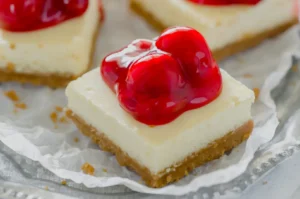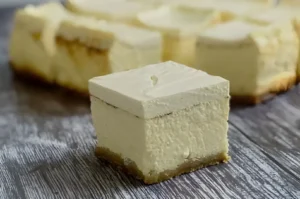


A single bite of a well-composed dessert often initiates a physiological cycle that demands a second. This is not a lack of discipline. It is a biological response to the way specific ingredients interact with the brain and the palate. When we analyze why certain sweets are more addictive than others, we must look at the structural and chemical triggers that define the modern dessert experience.
The initial taste of a light Japanese-style cheesecake delivers a balanced sweetness, not an overwhelming hit of sugar. This sensory experience, blending delicate creaminess with a melt-in-your-mouth lightness, makes it incredibly moreish. It’s this careful balance of taste and a cloud-like texture that transforms a simple dessert into a deeply craved experience, encouraging you to take another bite without the heaviness of a traditional cheesecake.
The Neural Response to High Glucose Concentration
The primary reason a single bite often leads to another is the immediate activation of the reward system. When sugar touches the tongue, it sends a signal to the brain to release dopamine. This neurotransmitter is associated with pleasure and reinforcement. It creates a feedback loop that encourages the continuation of the activity.
The speed of this delivery matters. Refined sugars are absorbed quickly, leading to a sharp spike in blood glucose levels. This rapid elevation provides an immediate sensory reward. However, it also sets the stage for a subsequent decline. As the body releases insulin to manage the sugar, levels drop, and the brain signals for more to maintain the initial state of pleasure.
Structural Density and the Rate of Consumption
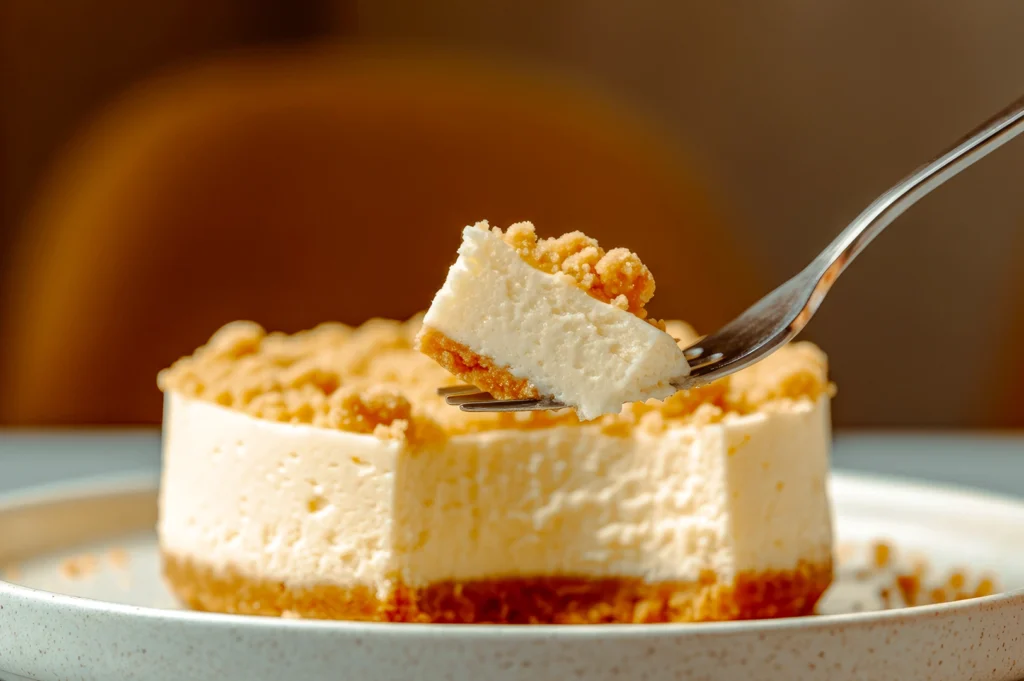
The physical structure of a dessert dictates how quickly these sugars are processed. In many traditional confections, the texture is designed for immediate dissolution. A high air-to-solid ratio or a low structural density allows the palate to process the flavor almost instantly.
When a dessert lacks resistance, the chewing process is shortened. This bypasses the natural signals of satiety that usually occur during mastication. If the mouthfeel is too light or the density profile is inconsistent, the brain does not register the intake of calories effectively. This results in the “moreish” quality often found in highly processed sweets.
The Role of Palate Weight in Satiety
Palate weight refers to the perceived heaviness or lingering presence of a food item in the mouth. A dessert with significant palate weight requires more time to break down. This slower interaction allows the taste buds to fully register the flavor profile.
When a dessert has a weak structural integrity, it disappears from the palate too quickly. This creates a sensory void that the consumer naturally wants to fill. By contrast, a dessert with a composed texture provides a more sustained sensory experience, which can actually help in moderating the urge to consume more.
How Mouthfeel Influences the Craving Cycle
Texture and mouthfeel are as critical as taste in the science of sugar cravings. The term “vanishing caloric density” describes foods that melt away so quickly that the brain is tricked into thinking there are fewer calories than there actually are.
If a dessert is overly aerated or relies on high-moisture fats that liquefy at room temperature, it offers little textural feedback. The absence of a balanced finish means the palate is never truly satisfied. It remains in a state of seeking, which manifests as the desire for “just one more bite.”
The Contrast Between Flavor Complexity and Monolithic Sweetness
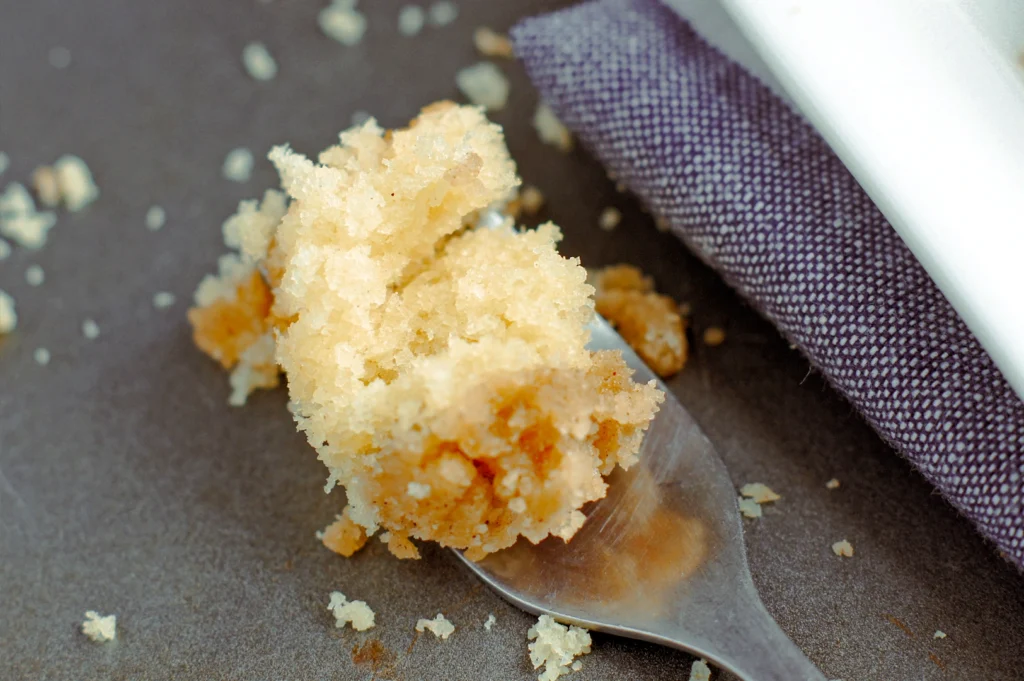
Cravings are often driven by a lack of flavor depth. When a dessert relies solely on sugar for its identity, it provides a monolithic sensory experience. The palate quickly becomes accustomed to the high level of sweetness, a process known as sensory-specific satiety.
However, instead of stopping, the brain often seeks a higher “dose” of that sweetness to achieve the same initial reward. This is why many commercial desserts become progressively sweeter as you eat them. There is no counterpoint to the sugar, so the intensity must increase to remain noticeable.
Achieving a Balanced Finish Through Ingredient Choice
A balanced finish is the mark of technical precision in pastry. It requires a harmony between sweetness, acidity, and bitterness. When these elements are present, the palate is engaged on multiple levels.
Umami and salt can also play a role in moderating sugar cravings. They provide a structural floor for the sweetness to sit upon. Without this foundation, the sugar feels detached and fleeting, leading to a faster consumption rate.
Textural Consistency and Sensory Satisfaction
Consistency in texture ensures that every bite provides the same level of information to the brain. Inconsistencies, such as large sugar crystals or uneven fat distribution, can cause “flavor spikes.” These spikes reinforce the craving cycle by providing unpredictable bursts of dopamine. A well-structured dessert maintains a steady delivery of flavor, which allows for a more controlled and thoughtful eating experience.
Why Refined Textures Lead to a More Composed Experience
The solution to the cycle of sugar cravings lies in the transition from high-intensity sweetness to refined, texturally intelligent compositions. When a dessert is built with a focus on density and balance, the “one bite” phenomenon changes. Instead of a frantic drive for more, the consumer is invited to analyze the nuances of the finish.
This shift requires a move away from traditional high-sugar formulas toward ingredients that offer inherent flavor. Legumes, high-quality dairy, and fermented elements provide a complexity that sugar cannot replicate. They offer a different structural approach that prioritizes satiety over a simple glucose spike.
Satisfaction Without the Weight
At Daizu by Ki-setsu, we believe that dessert should be a study in restraint. Our soy cheesecake is a refined alternative to conventional styles, focusing on a composed texture and a balanced finish.
By utilizing the natural density of premium soy and reducing the reliance on refined sugars, we provide a different structural profile. This approach ensures that the palate weight is significant enough to be satisfying, allowing for a dessert experience that feels complete without the need for excess.
Explore our offerings at https://daizu.com.sg/ and experience the difference for yourself.