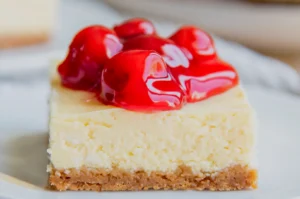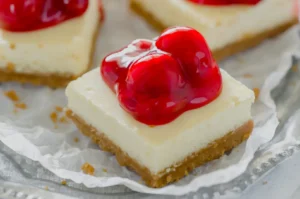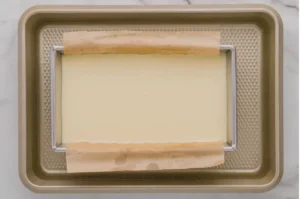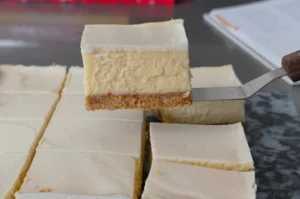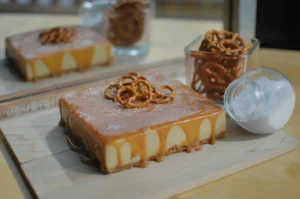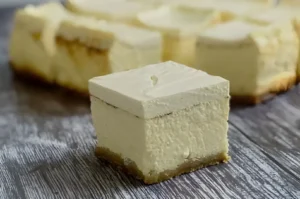
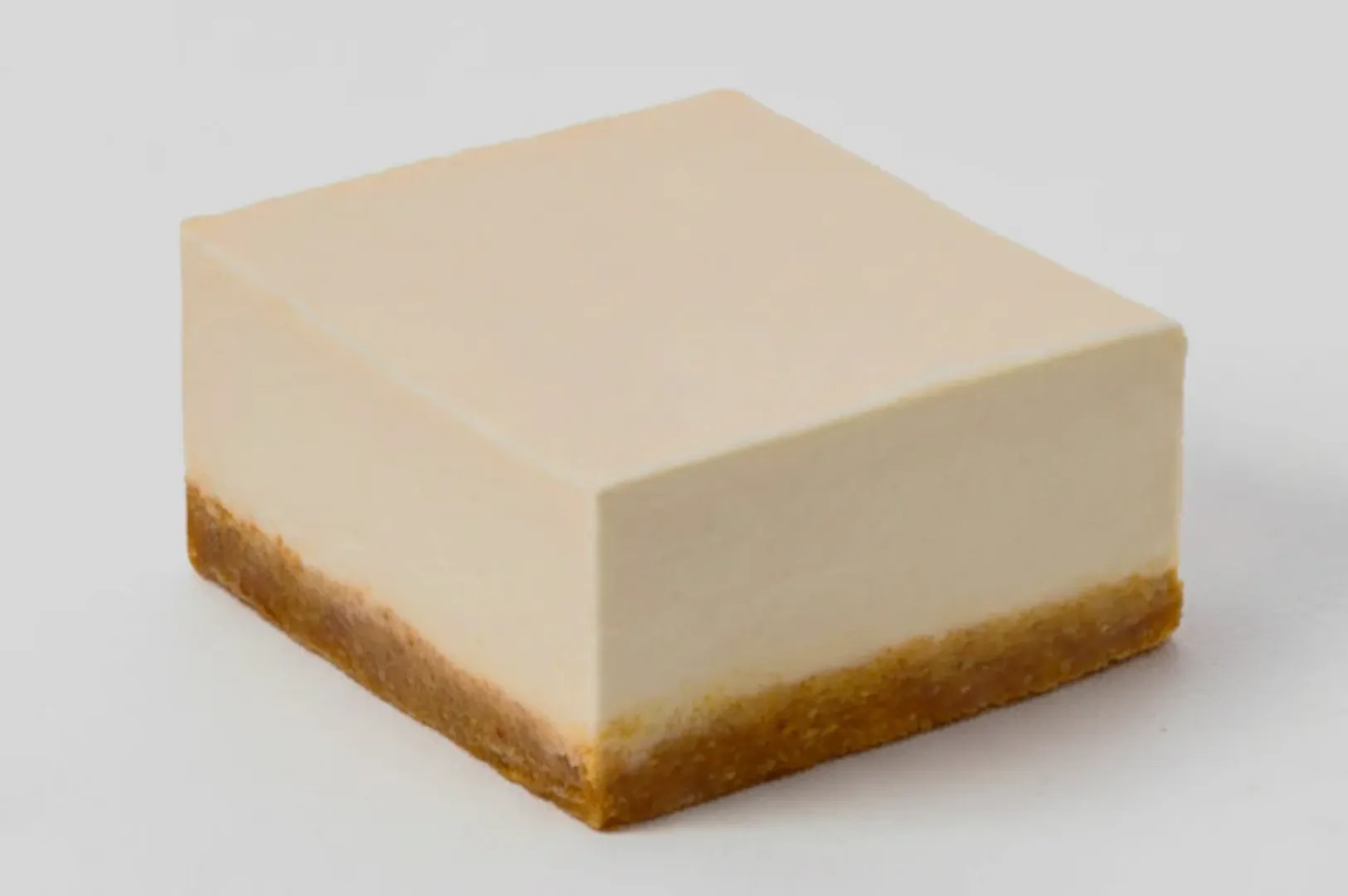
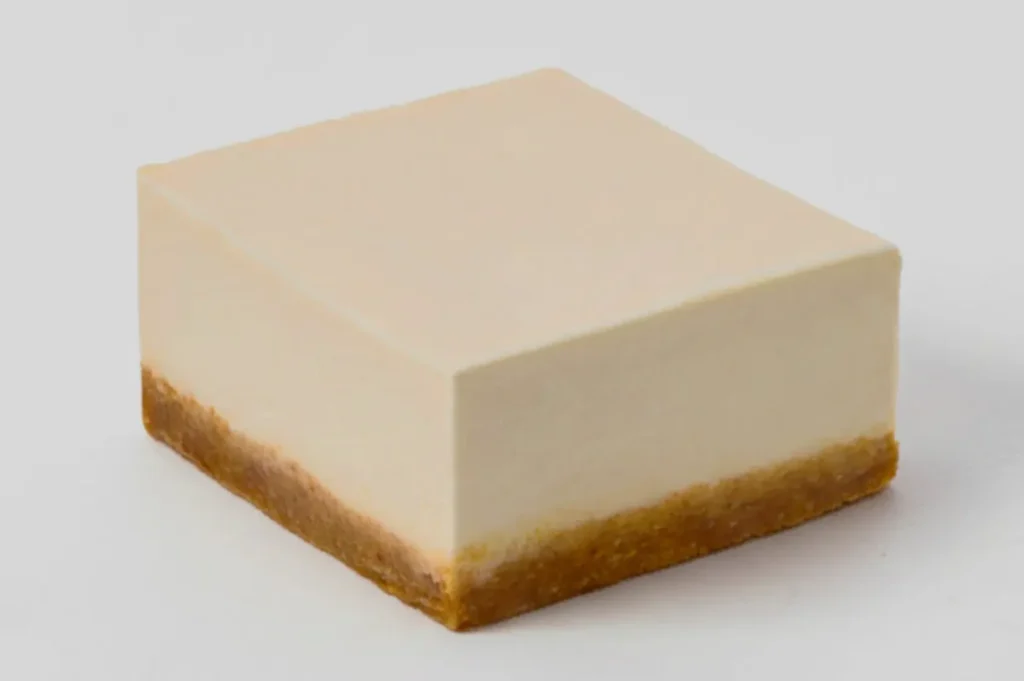
A pastry display often presents a fundamental division in the architecture of cold desserts: the choice between a baked foundation and a cold-set structure. While both styles share a similar flavor nomenclature, their behavior on the tongue and their physical stability are governed by entirely different chemical principles. A common misconception is that the choice between a baked and a no-bake cheesecake is merely a matter of convenience or kitchen hardware. In reality, the two styles represent a stark contrast in density profile, moisture management, and protein arrangement.
Choosing between a thermal set and a hydrocolloid set dictates the entire sensory trajectory of the cheesecake. A baked cake relies on heat to transform its liquid phase into a delicate, permanent solid. A no-bake version utilizes refrigeration to stabilize an emulsion, often with the assistance of a gelling agent. This technical breakdown examines how these two preparation methods alter the structural integrity, palate weight, and finish on the palate.
The Chemistry of Thermal Setting vs Cold Gelation
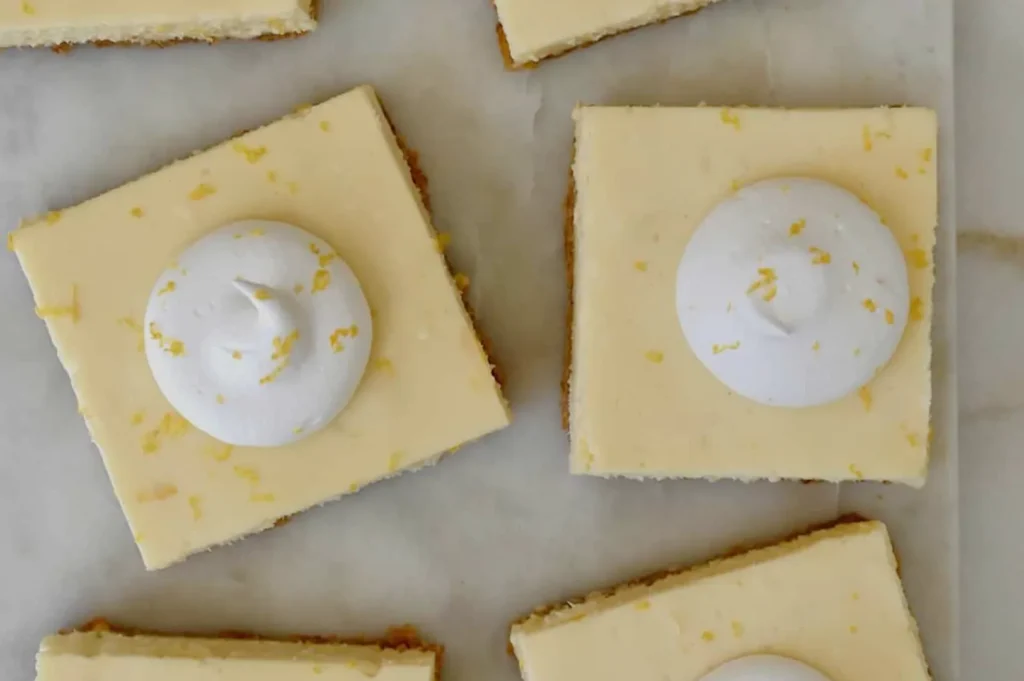
The defining difference between a baked and a no-bake cheesecake lies in how the structural network is formed. A baked cheesecake is a custard variant. When exposed to heat, the proteins in the eggs and dairy unfold and cross-link, trapping water and fat within a tight, cohesive matrix. This thermal process requires precise control over temperature and humidity to ensure that the protein network does not over-coagulate, which would cause the cake to curdle or split.
A no-bake cheesecake bypasses thermal denaturation entirely. Instead, its structural integrity is achieved through cold gelation and fat crystallization. The mixture relies on the natural firmness of chilled dairy fats or the addition of hydrocolloids like gelatin or agar-agar. These agents form a loose, three-dimensional grid as they cool, binding the liquid components without altering the molecular state of the primary dairy or plant proteins.
How Protein Networks Influence the Density Profile
The nature of the structural network directly influences the density profile of the slice. In a baked version, the heat-activated protein bonds create a firm, fine-grained structure. This results in a substantial palate weight, where the cake offers a distinct resistance to the fork and requires intentional effort to break down during consumption.
In a no-bake configuration, the density profile is typically much lighter. Because there is no rigid protein lattice, the structure relies heavily on aeration. Whipped cream or whipped alternative proteins are often folded into the base to introduce air pockets. This mechanical aeration creates a porous matrix that yields effortlessly to pressure, resulting in a cloud-like, delicate mouthfeel.
The Impact of Baking on Moisture Retention
Moisture management operates differently under thermal conditions. During a slow bake, usually conducted within a protective water bath, moisture evaporates gradually from the surface of the cake while the center remains hydrated. This controlled loss of water concentrates the fats and solids, giving the baked style its characteristic velvety body and long, complex flavor release.
A no-bake version retains 100% of its initial water content because it never encounters heat. To prevent this moisture from weeping or causing structural collapse, the liquid must be locked in place chemically by stabilizers or through solid-state fat suspension. If the balance of stabilizers is miscalculated, a no-bake cake can quickly transition from a smooth cream to a wet, unstable mass when exposed to room temperature.
Comparing the Mouthfeel and Dissolution Rates of Both Styles
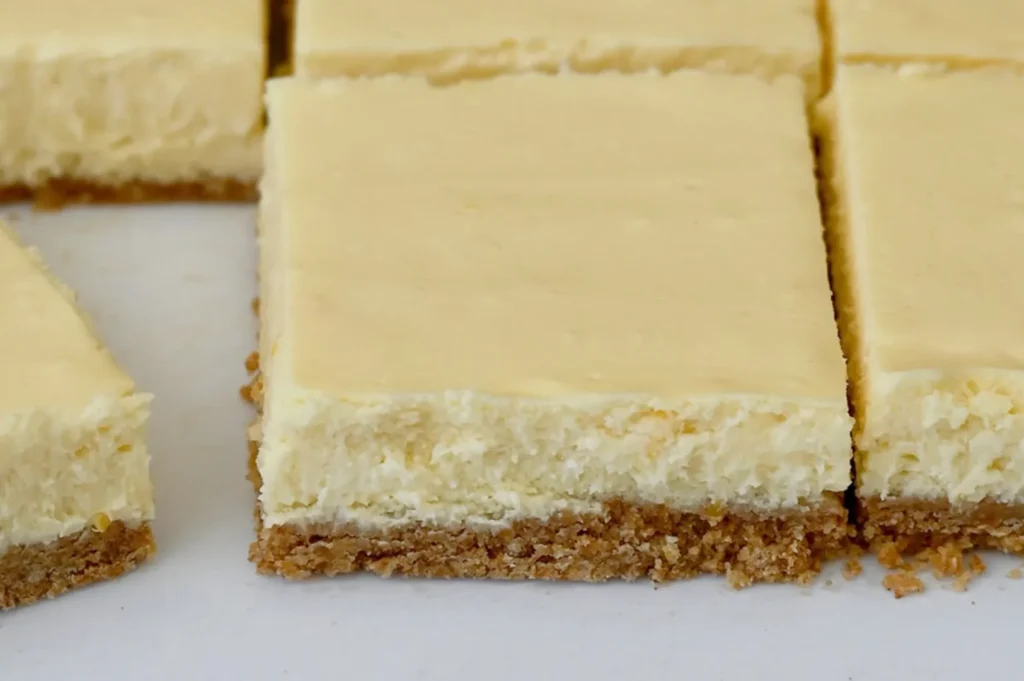
Mouthfeel is determined by how a substance behaves mechanically in the oral cavity. A baked cheesecake delivers a progressive melt. As the slice warms on the tongue, the tightly bound protein matrix gently releases its fat and moisture phase, creating a smooth transition from a solid cake to a rich fluid. This slow dissolution rate provides a protracted sensory experience.
A no-bake cheesecake dissolves almost instantaneously upon contact with body heat. Because the structure is maintained by chilled fats and delicate gelling agents, the ambient heat of the mouth causes the network to collapse rapidly. This fast dissolution rate creates an immediate burst of flavor and a feeling of weightlessness, making it an excellent vehicle for light, refreshing profiles.
Evaluating the Finish on the Palate
The finish on the palate is heavily dependent on the type and state of the fats used in the batter. Baked cheesecakes often feature a protracted finish due to the concentrated nature of the baked dairy solids. If the recipe is poorly balanced, this can manifest as a heavy, waxy film that coats the taste buds and accelerates richness fatigue.
A no-bake cheesecake, when properly executed without an excess of gelatin, offers a much briefer finish. The aerated structure dissipates cleanly, leaving very little residue behind. However, if a maker relies too heavily on gelatin to compensate for a low-fat base, the finish can become rubbery or chewy, which detracts from the premium nature of the dessert.
Managing Textural Consistency at Varying Temperatures
Textural consistency is a critical benchmark for any professional dessert institution. A baked cheesecake exhibits superior stability across a wider temperature range. Once the protein network is set through heat, it remains stable even as the cake approaches room temperature, maintaining its sharp edges and smooth bite.
A no-bake cheesecake is highly sensitive to thermal fluctuations. Because its structure is bound by temperature-dependent fat crystals or gelatin, it softens rapidly when removed from refrigeration. A no-bake cake that is perfectly composed at 4°C can lose its structural integrity within minutes in a warm environment, making it a more volatile choice for service and transport.
Structuring the Base: The Crust Interface
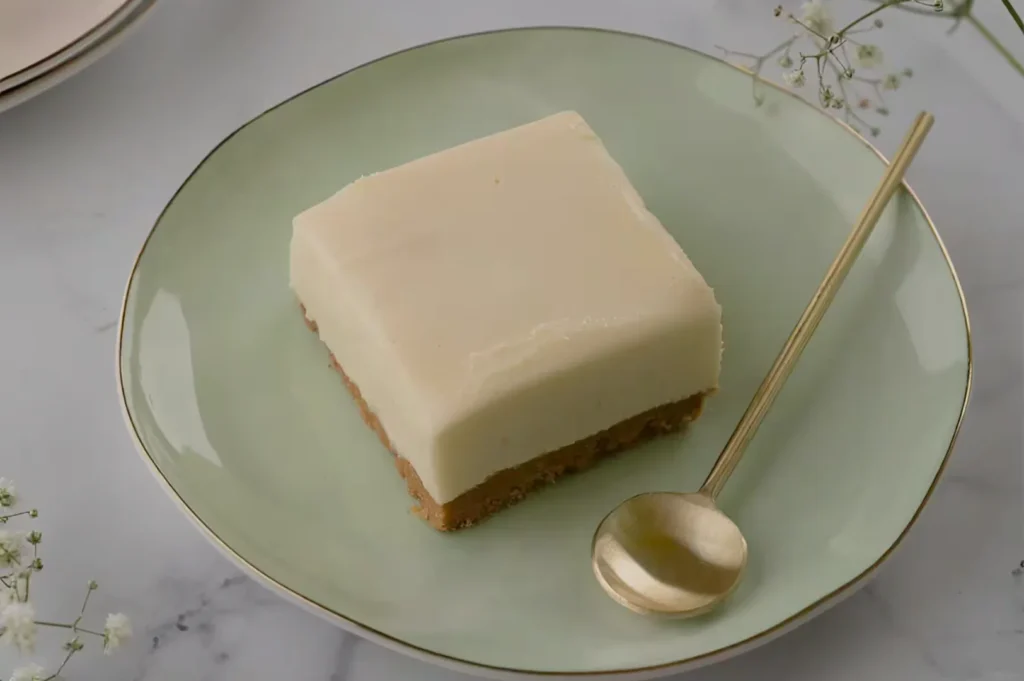
The physical relationship between the cheesecake filling and its base layer is essential for overall balance. In a baked cheesecake, the crust undergoes a secondary baking phase alongside the batter. This process allows the fats from the crust to fuse slightly with the lower layer of the cake, creating a unified structure that cuts cleanly without separating.
In a no-bake dessert, the crust must be pre-baked or set completely through chilling before the cold filling is applied. Because there is no thermal bonding between the two layers, the interface relies entirely on moisture adhesion. If the filling is too wet, it can migrate into the crust, turning a crisp base soggy and disrupting the vital contrast between a crunchy foundation and a smooth core.
Navigating Flavor Release Profiles
The rate of flavor release is closely tied to the density and temperature of the dessert. The baked method alters the chemical state of the sugars and proteins, developing subtle caramelized and nutty undertones that are absent in raw mixtures. The flavor release is steady and deep, unfolding over several seconds as the protein lattice breaks down.
The no-bake method preserves the bright, unheated characteristics of its raw ingredients. Acidity from citrus or ferment cultures remains sharp and direct because it has not been softened by heat. The flavor release is immediate and intense, matching the rapid dissolution of the aerated emulsion on the tongue.
The Choice Between Thermal Discipline and Cold Restraint
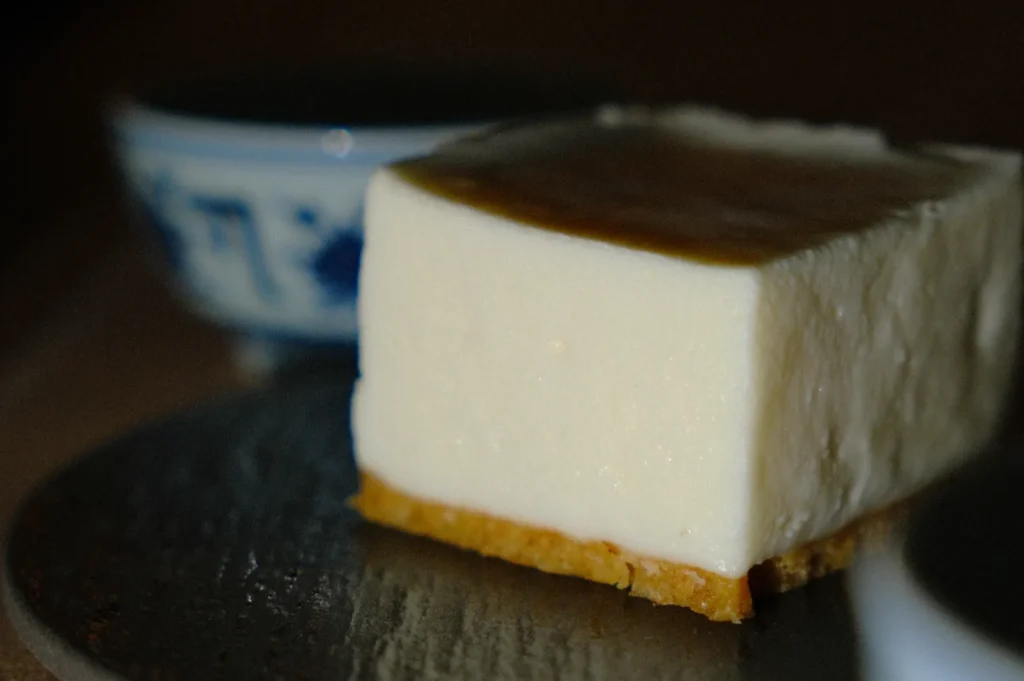
Ultimately, the choice between a baked and a no-bake structure is a choice between thermal discipline and cold restraint. The baked method demands a mastery of heat, moisture, and time to cultivate a dense, resilient, and deeply complex texture. The no-bake method requires a precise understanding of gelation, aeration, and fat stability to achieve a weightless, pristine form that cleanses itself naturally from the tongue.
Both styles have a rightful place in modern pastry, provided their structural limitations and material behaviors are fully understood. A dessert institution does not view one as superior to the other; rather, they are treated as two distinct architectural systems designed to satisfy different sensory objectives.
At Daizu by Ki-setsu, we favor the baked method for our soy-integrated creations. We recognize that to achieve a truly composed texture and excellent structural integrity with alternative plant proteins, the discipline of a slow thermal bake is required. We provide a refined alternative to traditional heavy options by using heat to lock our unique soy-and-cheese emulsion into a uniform density profile.