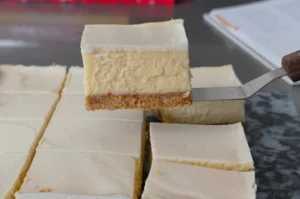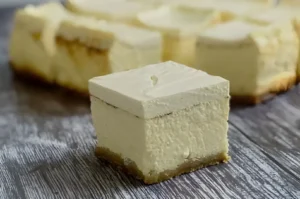
The surface of a cheesecake provides the first indication of its internal structural integrity. When a cake exhibits a deep brown, cracked, or uneven top, it often signals that the proteins inside have been subjected to aggressive, dry heat. Conversely, a pale, level surface suggests a more disciplined baking environment. This environmental control is almost always achieved through the use of a water bath.
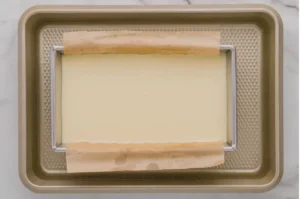
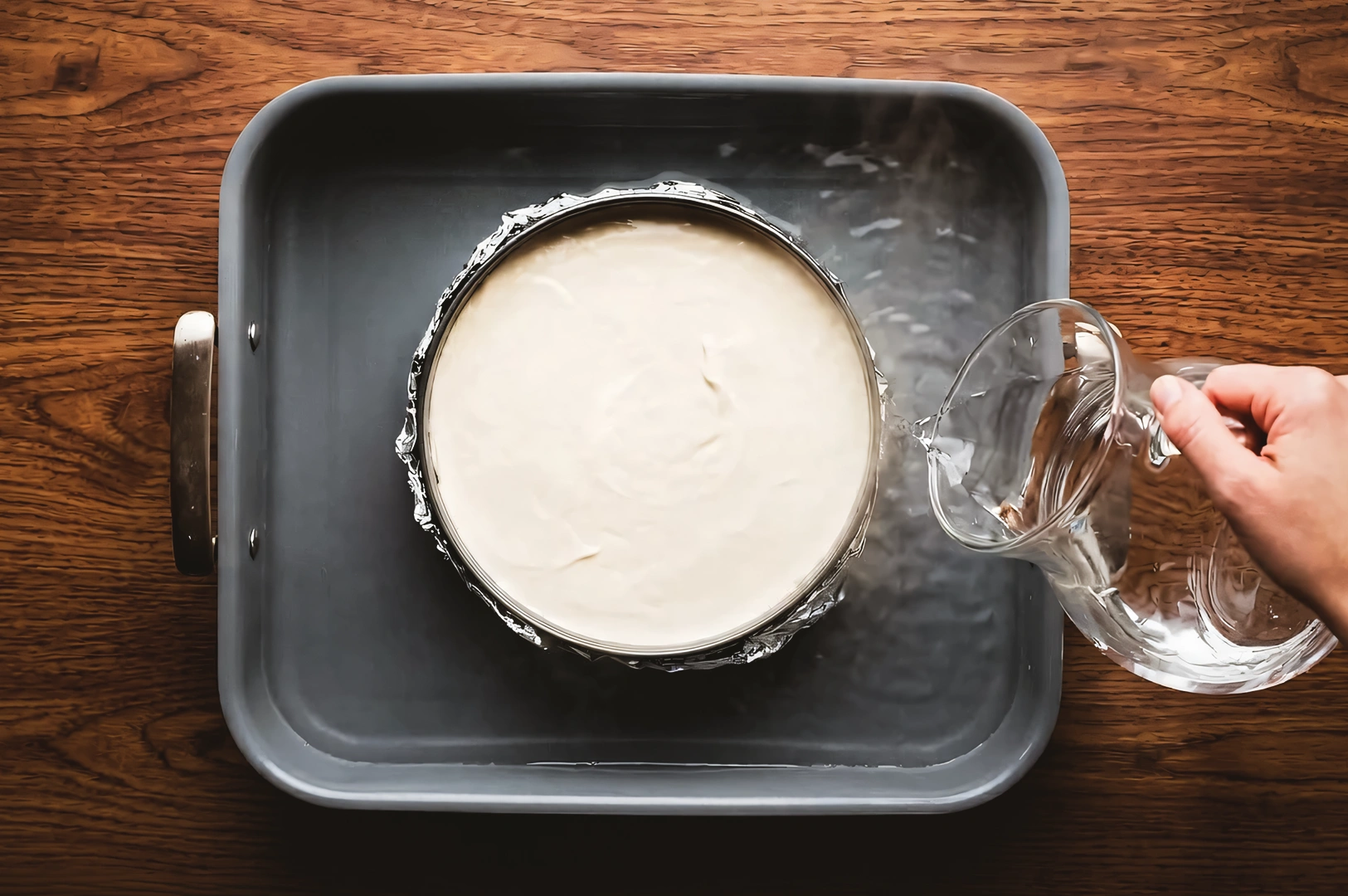
A water bath, or bain-marie, involves placing the cake tin inside a larger vessel filled with hot water during the baking process. While it may seem like a cumbersome step, it is a fundamental technique for those who prioritize a composed texture. In an ingredient-conscious market, the water bath method is the primary tool used to manage how dairy and proteins transition from a liquid state to a delicate solid.
The Role of Evaporative Cooling in Creating Structural Integrity
The most significant way the water bath method changes cheesecake texture is by regulating the temperature of the batter. Water evaporates at 100°C. As long as there is liquid water in the outer pan, the temperature surrounding the cake tin will not exceed this boiling point. This creates a buffer against the much higher ambient heat of the oven.
Without this buffer, the outer edges of the cheesecake cook significantly faster than the center. This temperature gradient causes the proteins near the tin to tighten and toughen before the middle has even set. The result is a rubbery exterior and a potentially undercooked interior. A water bath ensures the entire cake reaches its set point simultaneously, leading to a consistent density profile from the edge to the core.
Managing Protein Coagulation for a Refined Mouthfeel
Cheesecake is essentially a baked custard. The texture is defined by how eggs and dairy proteins bond together. High heat causes these proteins to bond too tightly and too quickly. This results in a grainy or curdled mouthfeel as the proteins squeeze out moisture.
The gentle heat of a water bath allows for slow coagulation. This produces a well-structured network that traps moisture effectively. When you press a fork into a cheesecake baked this way, it yields with a smooth resistance rather than a crumbly break.
Preventing Structural Failure and Surface Fissures
Cracks on the surface of a cheesecake are more than just a visual flaw. They are a sign of internal stress. As the batter heats up, it expands. If the heat is too intense, the expansion is violent and uneven.
When the cake cools, it contracts. If the proteins have become too rigid due to high heat, they cannot withstand this contraction and the surface pulls apart. The water bath method keeps the proteins supple. This flexibility allows the cake to expand and contract gradually, maintaining its structural integrity throughout the cooling process.
The Impact of Humidity on Textural Consistency
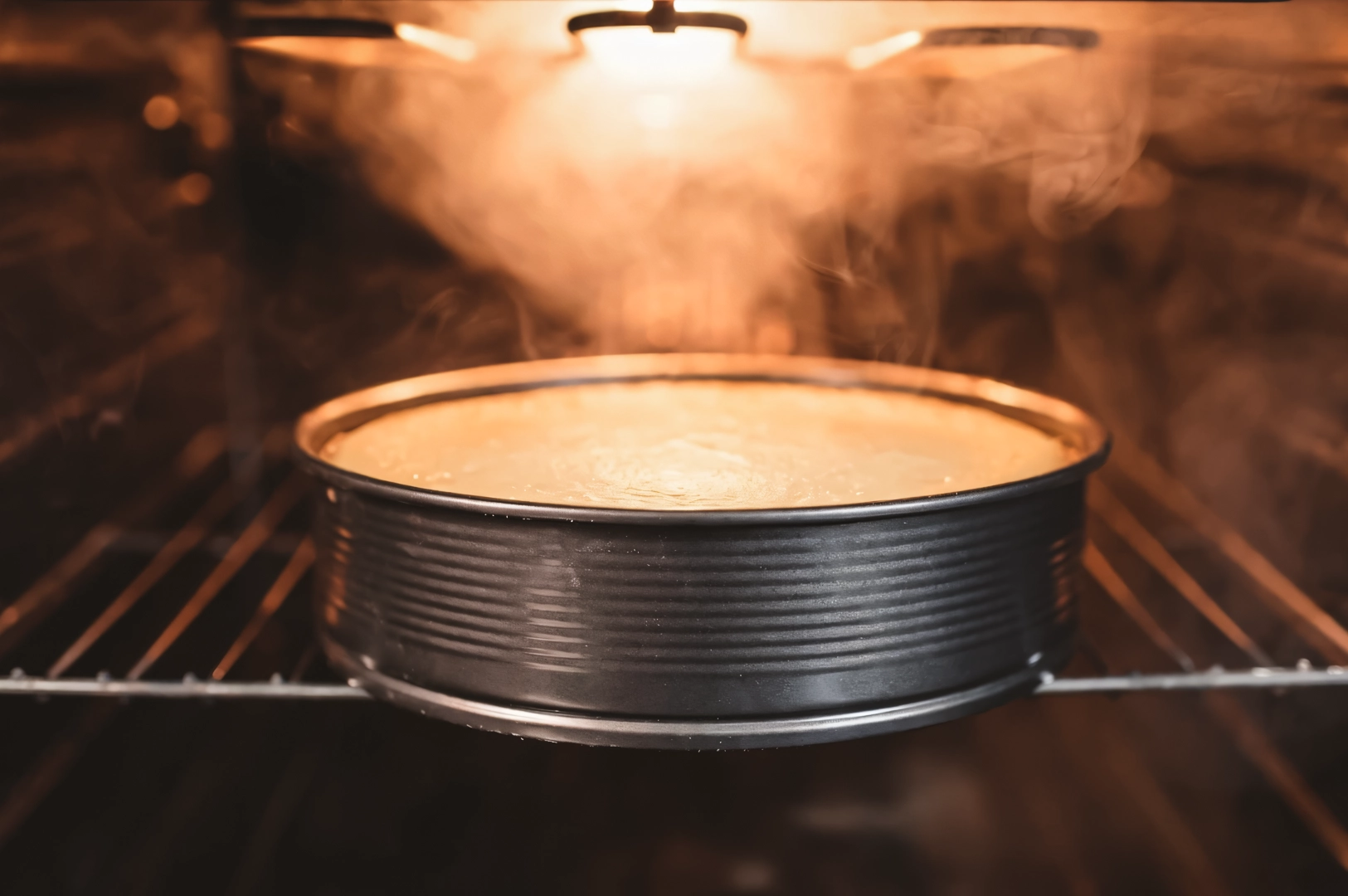
Beyond temperature regulation, the water bath method introduces significant moisture into the oven chamber. This humidity is vital for the finish on the palate. A dry oven environment wicks moisture away from the surface of the cake, creating a thick skin or a browned crust.
While some dessert styles celebrate a caramelized exterior, a refined cheesecake often seeks a more uniform experience. Humidity prevents the surface from drying out. This ensures that the first contact with the palate is as soft and creamy as the center of the cake.
Eliminating the Need for Heavy Stabilizers
When a maker masters the water bath method, they can rely less on starches and thickeners to hold the cake together. Many commercial cheesecakes use flour or cornstarch to prevent the batter from breaking under high heat. While effective for stability, these additives can leave a chalky residue.
A water bath allows the maker to use a more delicate ratio of ingredients. Because the heat is controlled, the natural proteins can do the work of providing structure. This leads to a cleaner finish on the palate and a more honest expression of the dairy and soy components.
Defining the Difference in Palate Weight
The moisture content of a cheesecake heavily influences its weight on the tongue. Dry-baked cakes lose a high percentage of their water, resulting in a dense, heavy dessert that can feel sticky or cloying.
A water bath, on the other hand, helps the cake retain its internal hydration. The result is a lighter, more refreshing interpretation of the traditional dessert. This allows the taster to appreciate the nuances of flavor without the interference of a heavy, dry texture. It’s this precise method that leads some to ask: Did Daizu by Ki-Setsu Quietly Release the Best Cheesecake in Singapore?
How Thermal Stability Produces a Composed Texture
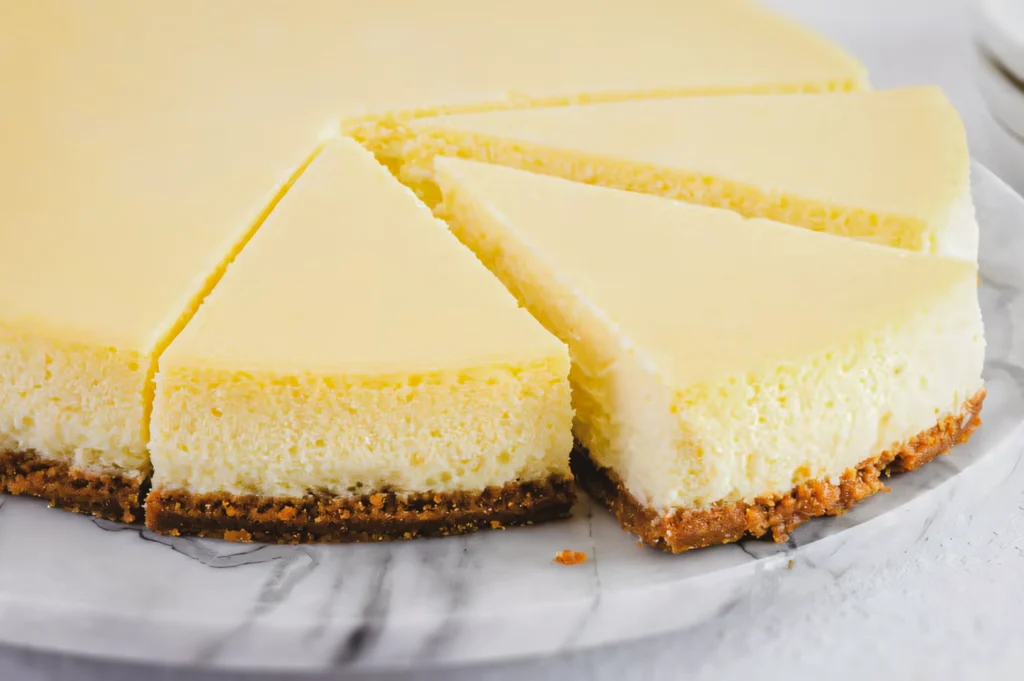
Consistency is the hallmark of a professional dessert institution. The water bath method provides a level of thermal stability that is impossible to achieve with dry heat alone. It minimizes the fluctuations caused by oven heating elements cycling on and off.
This stability is what creates a composed texture. Every slice of the cake should offer the same experience. There should be no variations in firmness or moisture levels. By controlling the thermal environment, the maker ensures that the textural consistency is maintained across every batch.
The Technical Transition from Liquid to Solid
The transition that occurs during baking is a delicate one. The goal is to reach the point where the proteins have formed a stable lattice, but have not yet become tough. This window of perfection is very narrow.
The water bath method widens this window. It slows down the cooking process, giving the maker more control over the final result. This precision is what separates a standard bakery product from a refined culinary creation.
Evaluating the Finish on the Palate
The final test of any baking method is the finish on the palate. A cheesecake baked without a water bath often leaves the mouth feeling dry, requiring a drink to clear the palate. A cake baked with a water bath should melt away cleanly.
This clean finish is a direct result of the gentle heat and high humidity. It ensures that the fats and proteins are perfectly emulsified. There is no separation, no grit, and no heaviness.
Achieving a Refined Alternative Through Controlled Baking
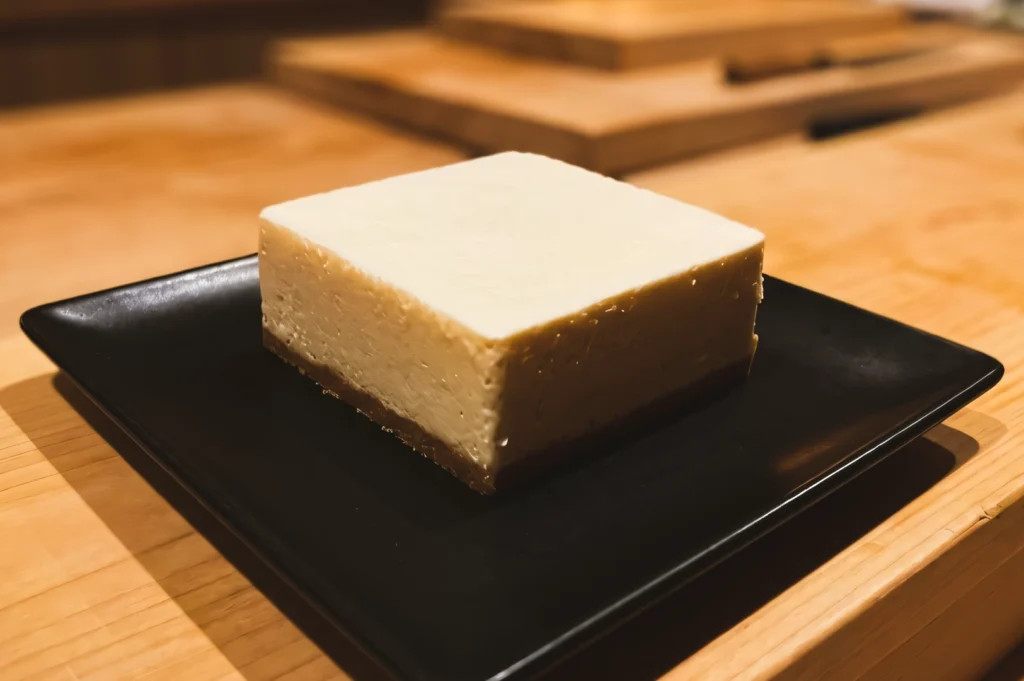
The water bath method is not merely a preference; it is a commitment to a specific standard of quality. It demands patience and a deep understanding of how materials react to heat. For a market that values material honesty and technical precision, this method is indispensable.
By choosing to bake slowly and gently, a maker respects the integrity of their ingredients. They allow the natural flavors of the soy and dairy to emerge without being masked by the flavors of over-baking or the texture of stabilizers. It is an exercise in restraint that yields a superior structural result.
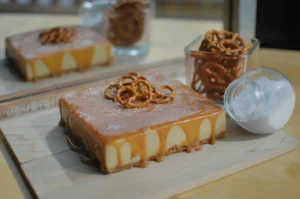
At Daizu by Ki-setsu, we use the water bath method to create our soy cheesecake’s uniquely light, yet structurally sound, texture. By carefully controlling the baking temperature and humidity, we achieve a profile that is both firm and delicate. This focus on technical detail ensures a balanced, refined finish.