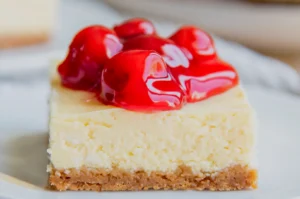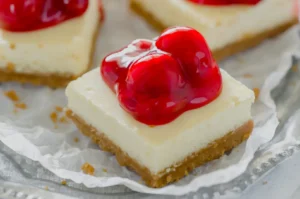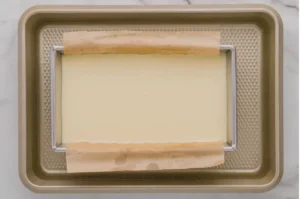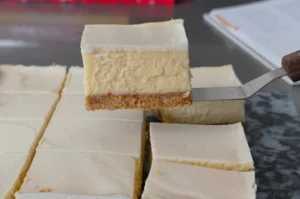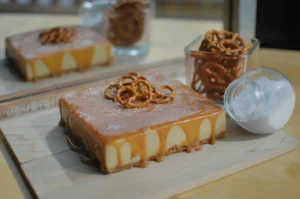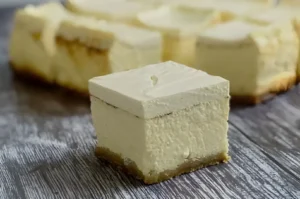
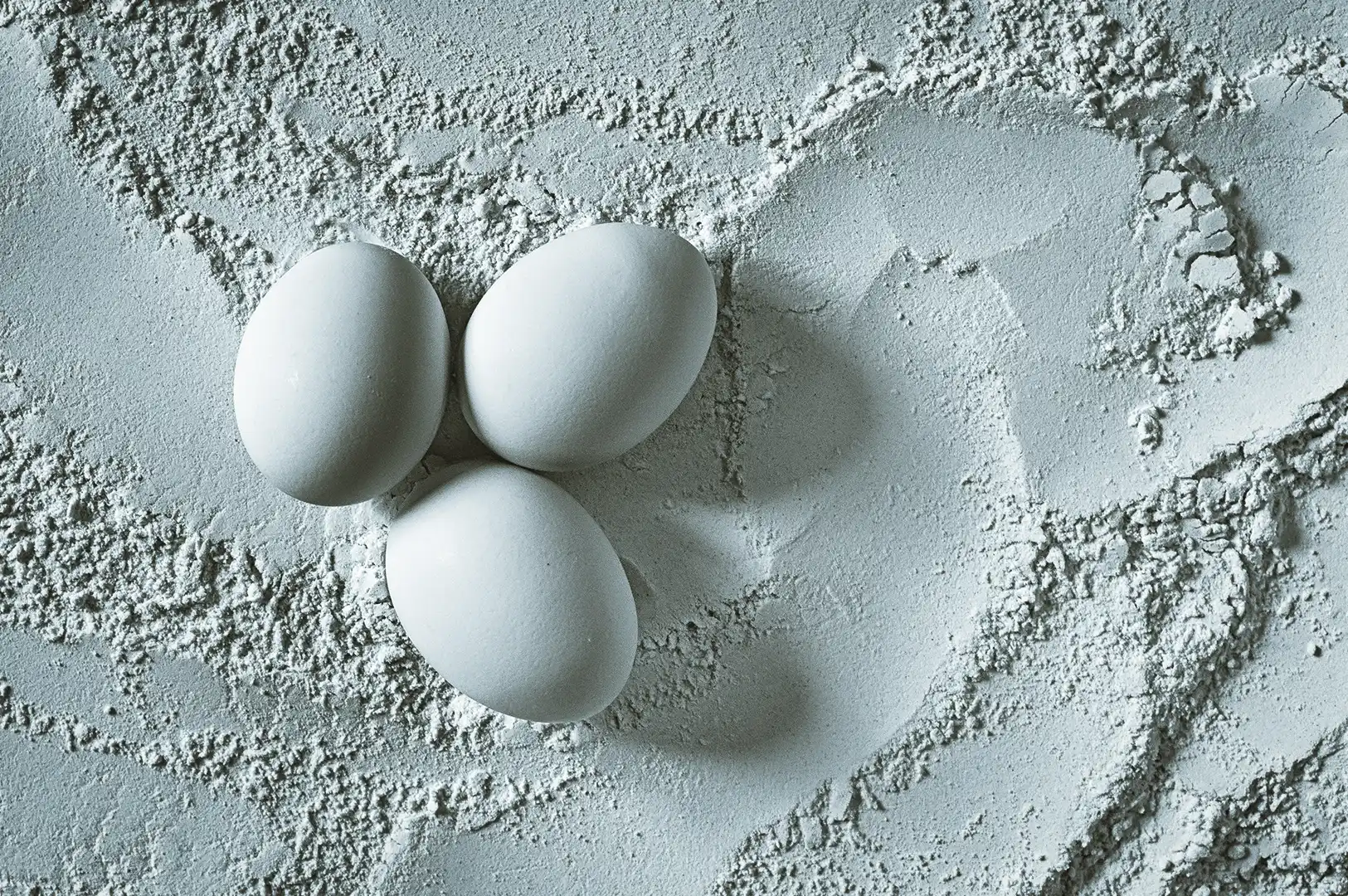
A precise cut through a dessert immediately exposes its internal architecture. A crumbly texture indicates an imbalance of dry ingredients. A smooth, solid resistance points to a highly specific protein network. At the center of this structural network are the eggs.
Understanding the exact function of eggs in cheesecake is crucial for analyzing dessert composition. They are not merely an addition to the dairy base. They are the primary architectural component that dictates the final form. This article will examine how these complex proteins govern binding, control aeration, and dictate moisture retention to finalize the dessert’s mouthfeel.
How Egg Proteins Create Structural Integrity Through Binding
The foundation of any baked custard relies on protein coagulation. When a batter enters the oven, the application of heat alters the physical state of the raw egg proteins. They unfold and bond together in a predictable pattern. This creates a microscopic, three-dimensional web that traps the other base components.
This internal web provides the necessary structural integrity. Without it, the dense combination of cream cheese, sugar, and liquids would simply melt into a loose state upon heating. The specific ratio of eggs to dairy determines how tightly this web forms. A higher ratio yields a firmer, more resistant slice that holds sharp edges. A lower ratio creates a softer, more yielding composed texture.
The Influence of Yolks on Emulsification and Mouthfeel
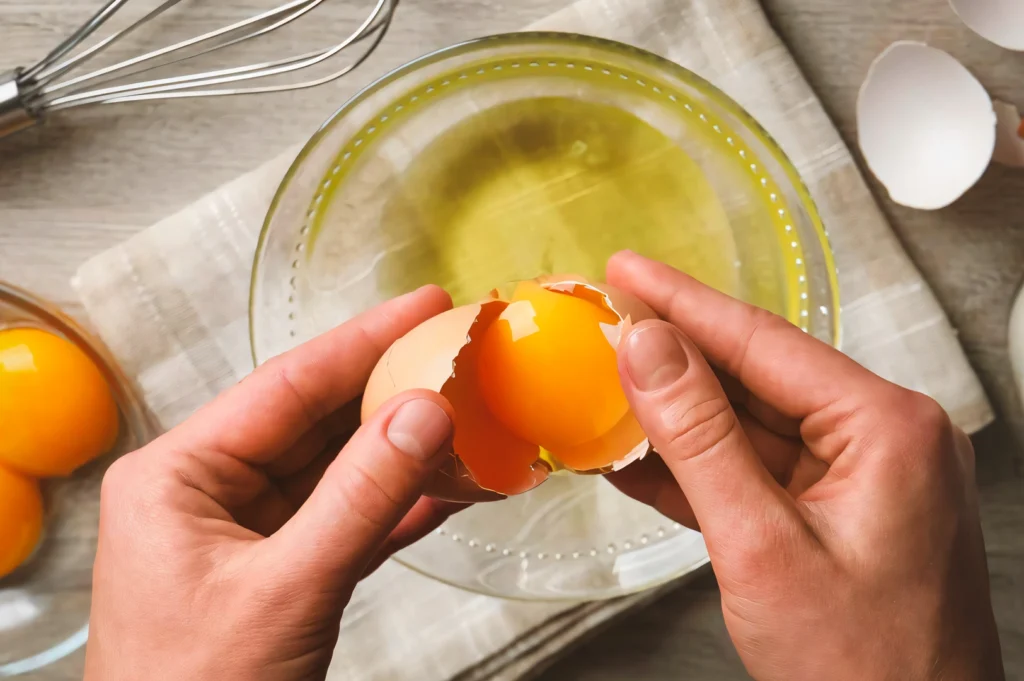
An egg is not a single, uniform ingredient. It is composed of two distinct parts with entirely different functional properties. The yolk is primarily responsible for emulsification. It contains lecithin, a powerful natural compound that forces water and fat to mix seamlessly.
In a high-fat dairy environment, this emulsifying property is strictly necessary. The lecithin binds the water content of the cheese with the heavy lipid molecules. This prevents the fats from separating or pooling on the surface during the baking process. A proper emulsion results in a perfectly uniform mouthfeel. It ensures the palate registers a smooth, continuous flavor rather than a broken, greasy consistency.
The Mechanics of Aeration and Density Profile Control
The physical treatment of the egg before baking fundamentally alters the final palate weight. Introducing whole, gently mixed eggs into a heavy dairy base creates a dense, rich profile. The egg simply acts as a binder, offering no significant leavening power. This technique is typical of heavy, traditional formulations that prioritize a substantial density profile.
Conversely, separating the eggs introduces strict control over aeration. Beating the egg whites creates a stable foam consisting of thousands of tiny, trapped air pockets. When this delicate foam is folded into the base batter, the trapped air expands under the oven’s heat. The proteins then set firmly around these microscopic air pockets. This deliberate technique dramatically lowers the overall density, resulting in a significantly lighter finish on the palate.
Managing Moisture Retention for Textural Consistency
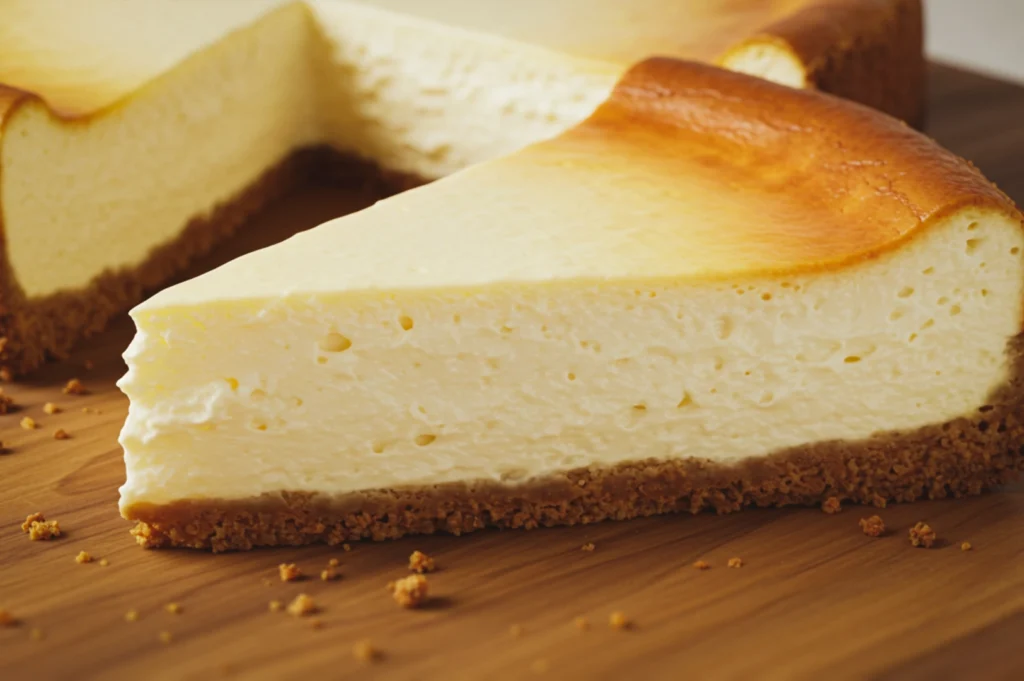
A balanced finish requires precise moisture management throughout the entire baking cycle. A dessert that loses too much water in the oven becomes dry, chalky, and unpleasant to consume. Eggs play a critical role in preventing this specific textural failure. The coagulated protein web physically locks ambient moisture inside the cake’s structure.
This ensures the dessert retains a smooth, composed texture from the outer baked edge all the way to the center core. If the egg ratio is too low, the cake lacks the framework to hold its own moisture. This often leads to a weeping or collapsing structure upon cooling. Precise measurement guarantees optimal textural consistency over time.
Re-evaluating the Role of Eggs in Cheesecake for a Lighter Alternative
Understanding these strict mechanical properties allows for intentional adjustments to the traditional formula. It is not always necessary to rely on a massive volume of whole eggs to achieve a stable set. By carefully moderating the binding agents alongside alternative bases, a kitchen can achieve a completely different structural approach. The exact volume of eggs can be recalibrated to support a cheesecake with cleaner, less heavy profile.
At Daizu by Ki-setsu, our formulation utilizes Japanese soy as a foundational element. This requires a highly disciplined approach to how we incorporate structural proteins. By balancing the exact binding requirements of the eggs with our lighter soy base, we achieve a refined alternative to traditionally dense desserts. It delivers the expected structural integrity but finishes with a uniquely clean, balanced mouthfeel.