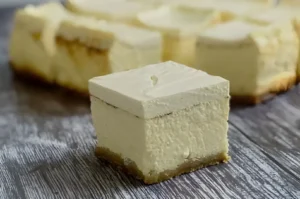


A diner reading a modern menu is no longer just looking for flavor combinations. They are actively searching for origins. The origin of a dairy base or the specific type of flour used fundamentally alters expectations. In the premium dessert market Singapore, this shift in consumer behavior is reshaping how kitchens operate. The focus has moved from visual presentation to structural composition.
Diners expect to know exactly what they are consuming. They want to understand how a specific component influences the final finish on the palate. This level of scrutiny elevates the dining experience from simple consumption to culinary appreciation. This article examines why clear ingredient disclosure is now a baseline requirement for high-end desserts. It will explore how transparency impacts trust, quality perception, and the overall understanding of composed textures.
How Sourcing Practices Dictate Structural Integrity
The quality of a dessert is established long before it reaches the plate. It begins with the precise selection of base components. When a kitchen is transparent about its sourcing, it signals a commitment to structural integrity. A specific cream or a carefully selected starch will dictate the final density profile of a cake.
The Relationship Between Origin and Palate Weight
Different regions produce ingredients with vastly different chemical makeups. Dairy from a specific climate will have a distinct fat ratio. This directly influences the palate weight of the final product. A heavy cream will create a dense, coating sensation on the tongue. A lighter milk formulation will yield a much cleaner finish.
When a kitchen discloses the exact type of dairy used, they set a precise textural expectation. Hiding these foundational elements often suggests a reliance on stabilizers or lower-grade substitutes. Conversely, declaring the origin of a primary ingredient allows the consumer to understand the intended mouthfeel before the first bite.
Verifying Quality Through Component Disclosure
A well-structured dessert relies on the natural properties of high-quality components to maintain textural consistency. Flour, sugar, and fat must interact perfectly to create a stable emulsion. Transparency in this area builds an immediate perception of quality. It proves that the kitchen is relying on technique and premium raw materials rather than artificial binding agents.
If a dessert boasts a remarkably composed texture, the ingredients list should reflect the craftsmanship required to achieve it. Providing this information validates the premium positioning of the dessert. It demonstrates that the kitchen has nothing to hide regarding its formulations.
The Impact of Clear Labeling on Consumer Trust

Trust is built on absolute clarity. Ambiguous terms on a dessert menu create a barrier between the chef and the diner. Phrases like “rich dairy blend” or “house-made cream” offer no real educational value. They obscure the true composition of the dish and leave the diner guessing.
Removing Ambiguity in Dessert Formulation
Clear labeling removes this unnecessary ambiguity entirely. When a kitchen specifies the exact percentage of fat in their cream, they invite informed scrutiny. Naming the precise origin of a cheese demonstrates confidence in the recipe. This level of detail allows diners to make educated decisions about palate weight and dietary preferences.
Trust is established when a dessert delivers the exact textural experience promised by its listed ingredients. If a menu claims a light and airy structure, the disclosed ingredients must mathematically support that claim. There is no room for disconnect between the description and the physical reality of the dessert.
The Shift from Marketing to Education
Modern dining is a highly educational experience. Diners do not want to be sold to with clever copywriting. They want to be informed with precise facts. Stripping away hyperbolic marketing language in favor of straightforward ingredient lists respects the consumer’s intelligence.
It shifts the conversation from subjective praise to objective culinary science. A straightforward list of premium components speaks volumes more than a paragraph of empty adjectives. It shows a discipline and restraint that aligns with true culinary authority.
Balancing Culinary Innovation with Traditional Foundations
The pursuit of new textures often requires deviating from classic recipes. Innovation in the pastry kitchen is necessary for progression and refinement. However, this should not come at the expense of clarity. Introducing novel components requires an even higher level of transparency to maintain consumer confidence.
Explaining Unconventional Substitutions
When an unconventional starch or a plant-based lipid is used to alter a density profile, it must be clearly communicated. The diner needs to understand the functional purpose of this substitution. Was it introduced to achieve a cleaner finish on the palate? Was it utilized to create a lighter, more yielding mouthfeel?
Balancing innovation with tradition means respecting the consumer enough to explain the mechanics behind the dessert. If a traditional heavy dairy fat is replaced, the menu should briefly articulate the structural benefit of the new ingredient. This ensures the innovation is understood as a deliberate enhancement rather than a cost-saving measure.
Elevating Ingredient Transparency in the Premium Dessert Market Singapore
The standard for high-end desserts is continuously evolving, and diners are actively seeking out establishments that prioritize clear and honest formulations. A composed texture is only fully appreciated when its mechanical components are known and understood. But is this level of transparency truly being met in Singapore’s premium dessert market?
Read more in our piece: Did Daizu by Ki-Setsu Quietly Release the Best Cheesecake in Singapore?
Heavy, cloying components are increasingly being replaced by ingredients that offer specific, targeted structural benefits. This evolution requires a commitment to education alongside precise execution. Providing a refined alternative means being entirely open about the exact formulation that creates a balanced finish. It requires setting a strict standard where nothing is hidden behind generic culinary terms.
As the premium dessert market Singapore continues to mature, absolute clarity will separate true culinary institutions from standard bakeries. At Daizu by Ki-setsu, our formulation relies on Japanese soy to create a specific density profile and a meticulously clean finish on the palate. By detailing our core components, we aim to provide a lighter interpretation of a classic structure. We view ingredient transparency not as a passing trend, but as an essential standard for a considered, highly structured dessert experience.