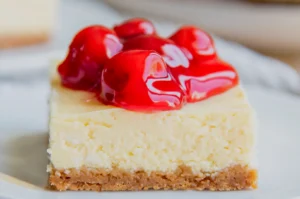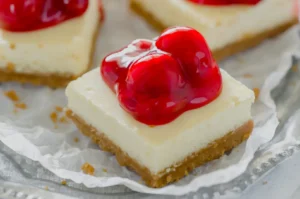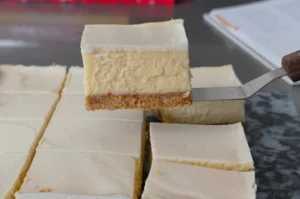
A fork gliding through a dessert reveals its entire structural history before the first bite is even taken. If it meets firm, dense resistance, the formulation leans heavily on solid fats and whole egg coagulation. If it yields with a soft, audible sound, the internal architecture relies on carefully trapped air. This fundamental divergence in texture is not a matter of baking time alone. It is a direct result of how base ingredients are selected, measured, and manipulated.
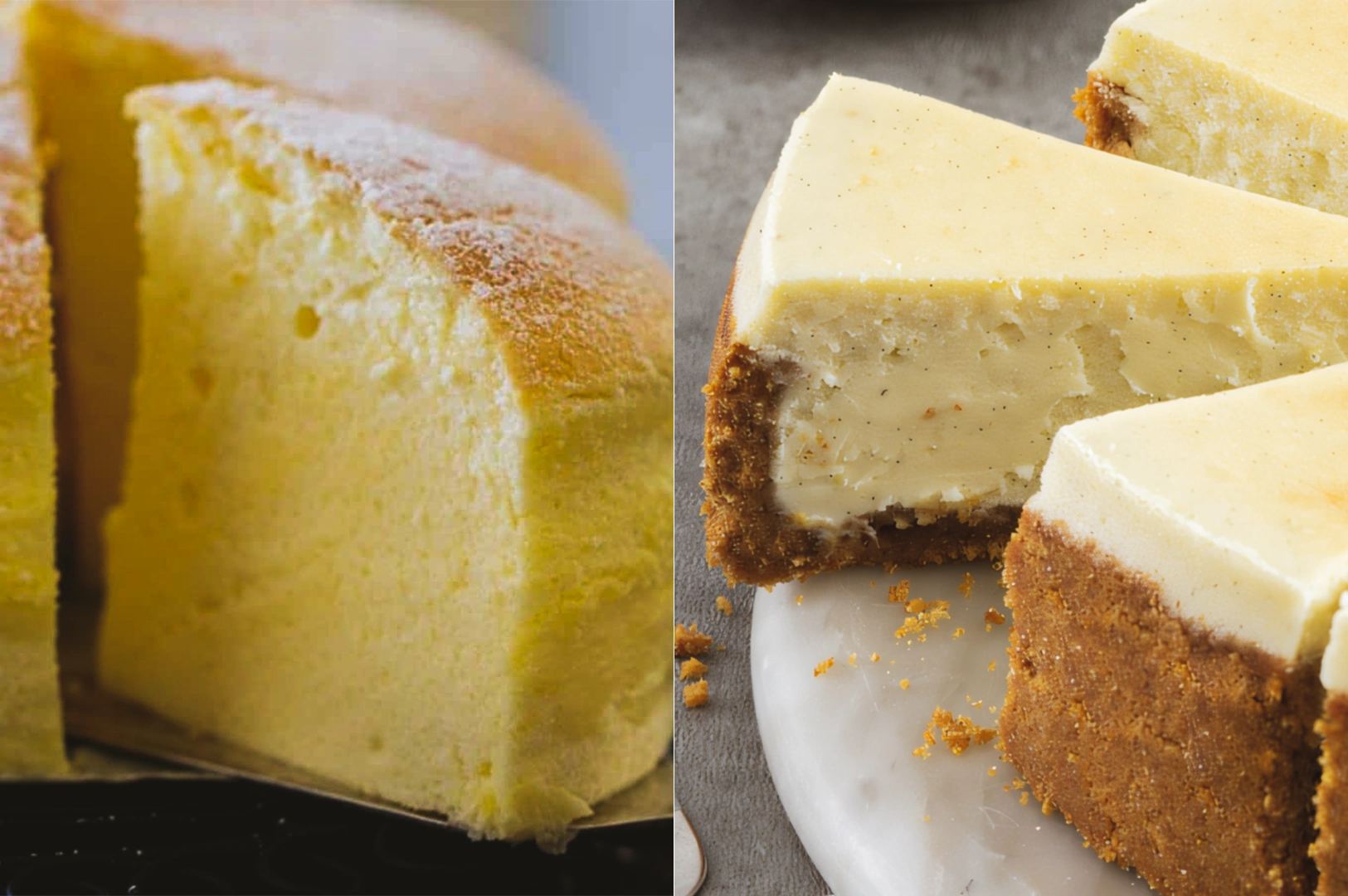
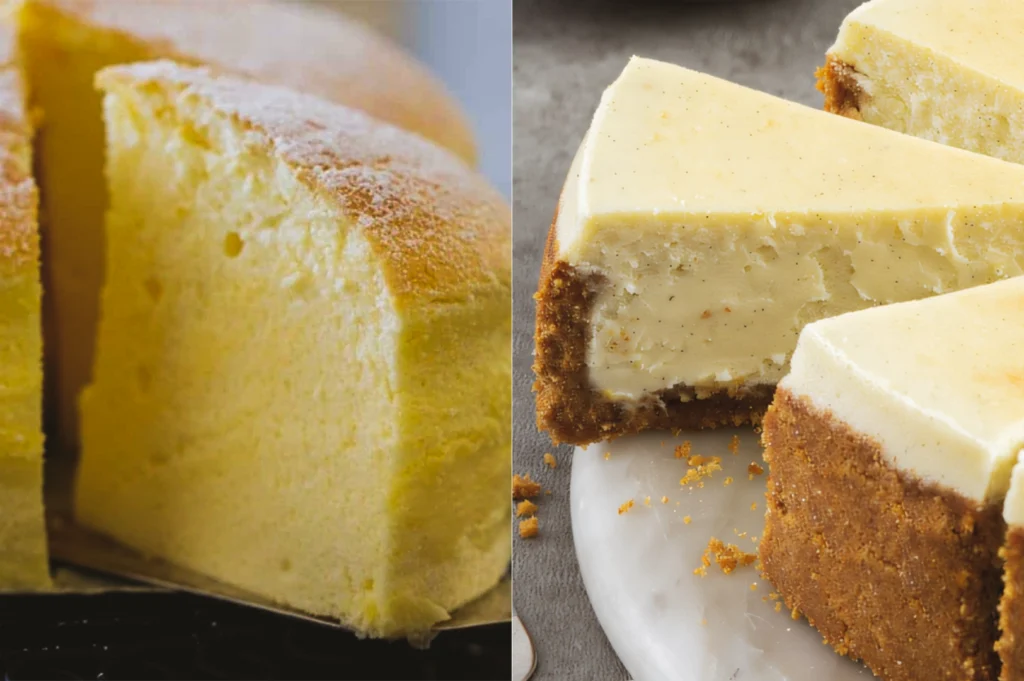
When examining the Japanese soufflé cheesecake alongside the traditional American cheesecake, the contrast is stark. The American style prioritizes a heavy density profile and substantial palate weight. Conversely, the Japanese iteration focuses on maximum aeration and a lighter mouthfeel. Understanding these opposing philosophies requires a close analysis of their respective ingredient lists. The specific choices in dairy, eggs, and starches dictate the final composition of each dessert.
The Role of Eggs in Aeration versus Binding
Eggs serve entirely different functions in these two distinct desserts. In an American formulation, whole eggs are simply blended into the heavy cream cheese mixture. The proteins in both the yolks and the whites act as a primary binding agent. As the cake bakes, these proteins coagulate slowly. This creates a dense, firm set that gives the slice its solid structural integrity.
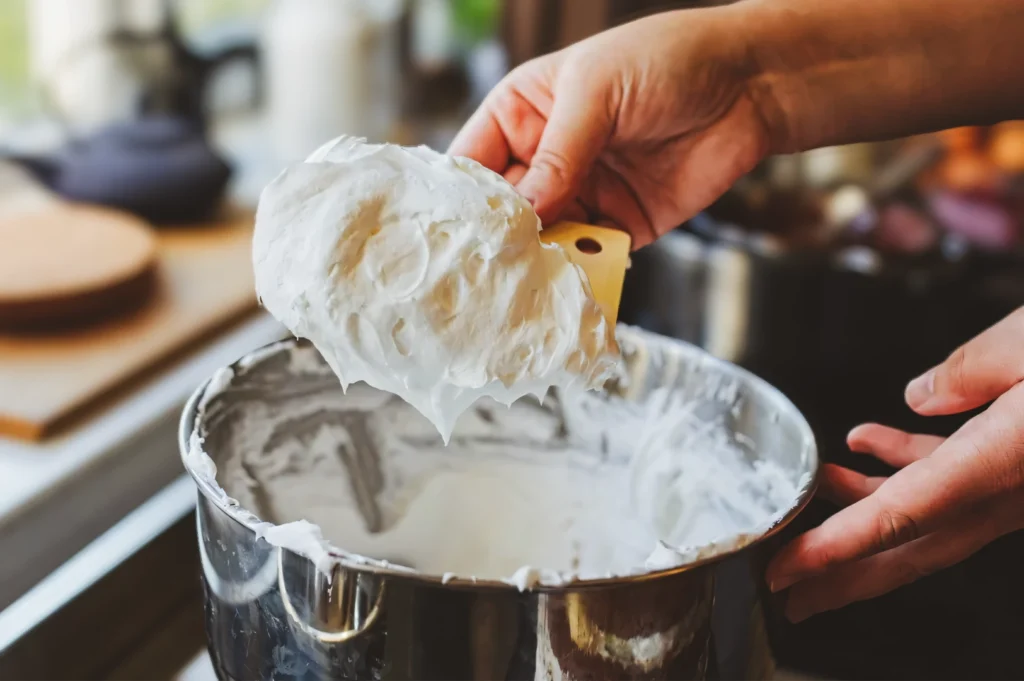
The Japanese approach treats the egg as a critical leavening tool rather than just a binder. The yolks are mixed into the dairy base to provide richness and color. The whites, however, are separated and treated with extreme precision. They are meticulously whipped with sugar to create a stiff, glossy meringue.
This meringue is then gently folded into the base batter. The resulting network of trapped air bubbles is what gives the cake its signature lift, height, and composed texture. The stability of this foam relies entirely on proper technique and careful temperature control.
Dairy Ratios and Their Impact on Palate Weight
The selection of dairy dictates the final finish on the palate. American cheesecakes often incorporate heavy cream or sour cream in addition to a massive volume of cream cheese. This exceptionally high fat content creates a heavy, coating mouthfeel. The lipids coat the tongue, ensuring the flavor lingers for a significant amount of time. It is a formulation designed to be rich, dense, and uncompromising.
A lighter approach requires different liquids to achieve a balanced finish. Milk is standard in the Japanese formulation. It thins the dense cream cheese base, making it pliable enough to fold smoothly with the delicate meringue.
This deliberate reduction in heavy dairy drastically lowers the overall fat ratio. Consequently, the dessert leaves a clean, precise finish on the palate rather than a lingering, heavy sensation. The palate weight is significantly reduced, allowing for a more subtle tasting experience.
Flour Content and Structural Integrity in Japanese Soufflé Cheesecake
Most dense baked cheesecakes do not require any flour in the filling. The sheer volume of fat and coagulated egg protein provides all the necessary structural integrity. The adding of flour to a traditional American style often results in a pasty, undesirable texture. The heavy ingredients hold their own shape once cooled.
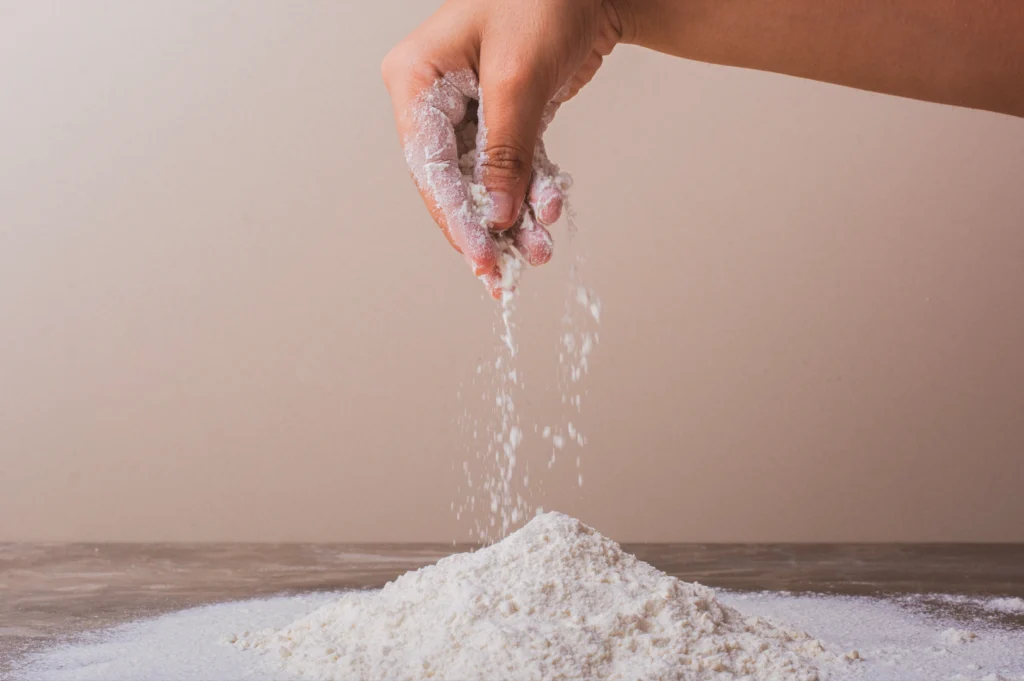
However, the architecture of a Japanese soufflé cheesecake demands the inclusion of starch. A small, carefully measured amount of cake flour or cornstarch is absolutely essential. This starch absorbs excess moisture from the dairy components.
More importantly, it gelatinizes during baking to stabilize the delicate egg white foam. Without this precise starch addition, the highly aerated structure would lack the strength to maintain its height. It would simply collapse under its own weight as it cools, ruining the textural consistency.
Sugar Proportions and the Final Flavor Profile
Sugar does far more than provide basic sweetness in dessert formulations. It is a highly functional structural ingredient that affects moisture retention and overall texture. The American style requires a high sugar ratio to balance its substantial fat content and the acidic notes of the cream cheese. This results in a bold, highly concentrated flavor profile. The sugar also tenderizes the dense network of egg proteins, preventing the cake from becoming rubbery.
In contrast, highly aerated cakes use sugar more sparingly and strategically. Much of the sugar is dedicated solely to stabilizing the egg white foam during the whipping process. Because there is less heavy dairy fat to cut through, a lower overall sugar content is sufficient for the palate.
This careful moderation ensures the final product is balanced rather than cloying. It allows the subtle, natural flavors of the dairy and eggs to be recognized without overwhelming the senses.
Re-evaluating Ingredient Structures for a Refined Alternative
Analyzing these established recipes reveals that texture is entirely mutable. By adjusting the foundational components, entirely new density profiles can emerge. It is not necessary to choose strictly between extreme heaviness or extreme aeration. A precise middle ground exists when ingredients are selected with intention.
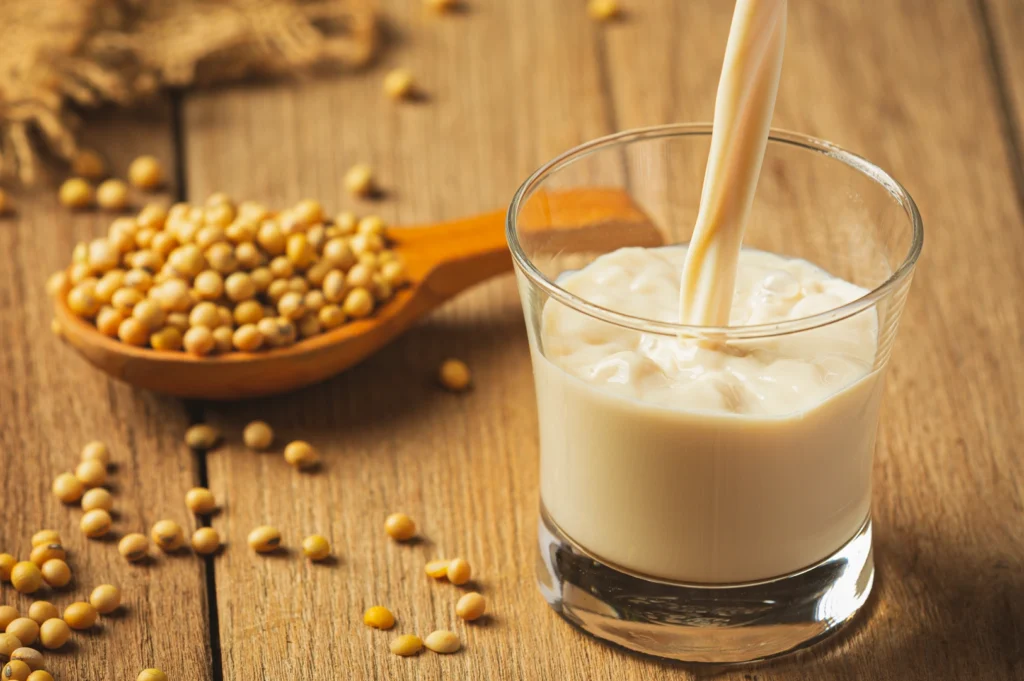
Replacing traditional heavy dairy with carefully sourced alternatives changes the structural equation entirely. At Daizu by Ki-setsu, our formulation utilizes Japanese soy as a core ingredient. This shift in the base composition results in a well-structured dessert with a unique textural consistency, altering traditional fat ratios while maintaining a smooth, satisfying mouthfeel.
It offers a refined alternative to conventional styles, which is how we created what many consider the best cheesecake in Singapore. By prioritizing ingredient intelligence, we achieve a composed texture and a balanced finish on the palate. This approach respects the intricate principles of dessert craftsmanship. It proves that a memorable Japanese soufflé cheesecake experience can be evolved through thoughtful, disciplined ingredient curation.