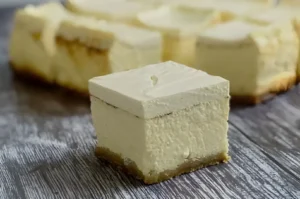
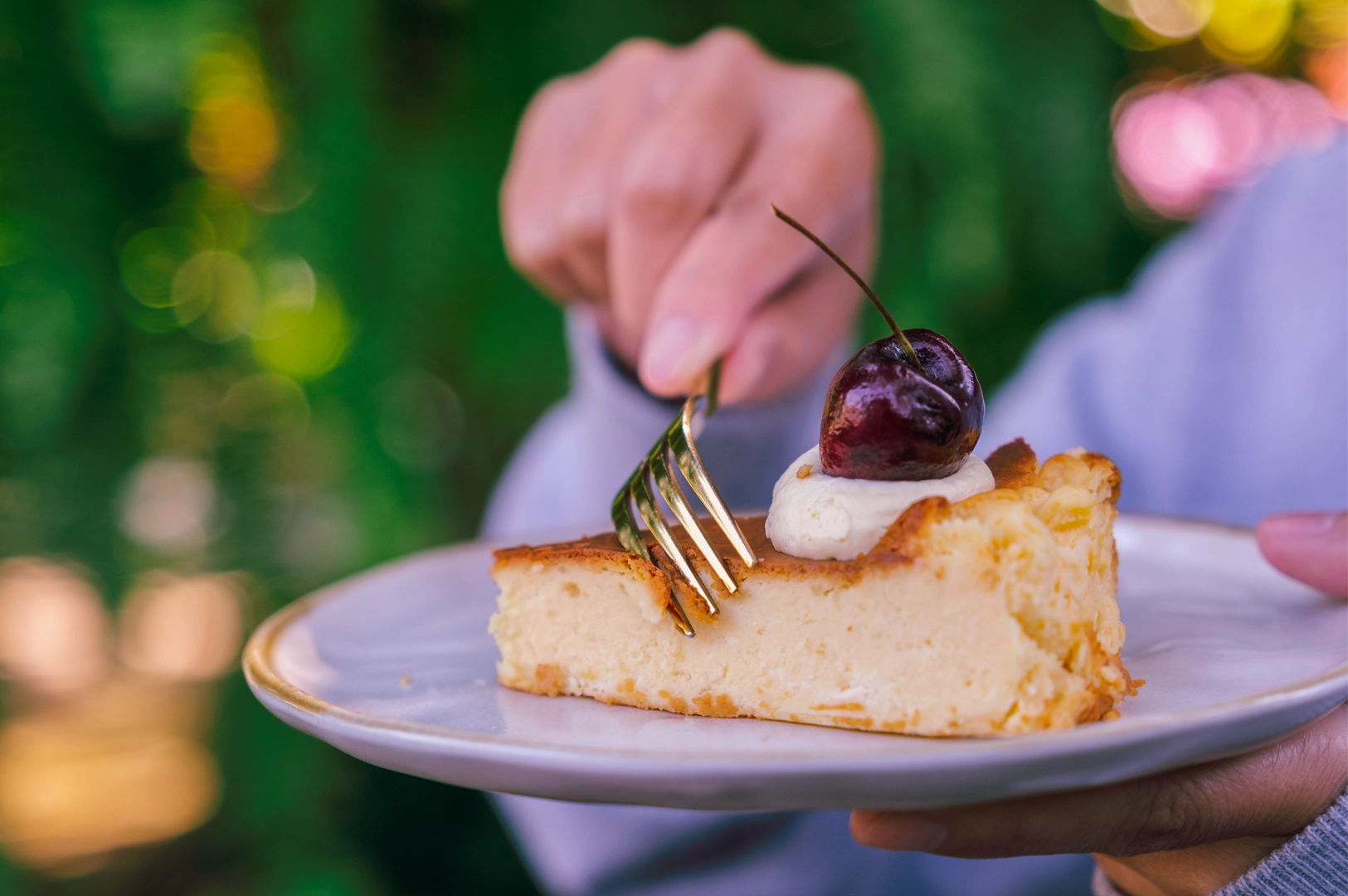

A buyer often identifies a high-quality cheesecake the moment the fork meets the surface. If the weight of the utensil causes the cake to collapse or stick aggressively to the metal, the structural integrity is compromised. This physical interaction is the first metric in a sophisticated evaluation framework.
In a market as saturated as Singapore, the standard for excellence has shifted away from mere sweetness. Discerning consumers now apply a more rigorous set of criteria when selecting a dessert. They look for specific indicators of craft, ranging from the density profile to the complexity of the finish on the palate.
Structural Integrity and Resistance to the Fork
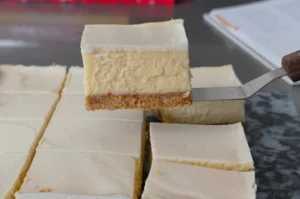
The first point of assessment is how the cake holds its shape under pressure. A well-structured cheesecake should offer a slight, clean resistance when sliced. It should not crumble into dry fragments, nor should it behave like a liquid or a heavy paste.
Structural integrity is a direct result of the emulsification process. When fats and proteins are correctly bonded, the cake maintains a composed texture at room temperature. This stability indicates that the baker has managed the temperature of the ingredients with precision.
If a cake sags or loses its form within minutes of being served, it often suggests an imbalance in the stabilizing agents. A quality cake retains its architectural intent from the first bite to the last.
The Gradient of the Density Profile
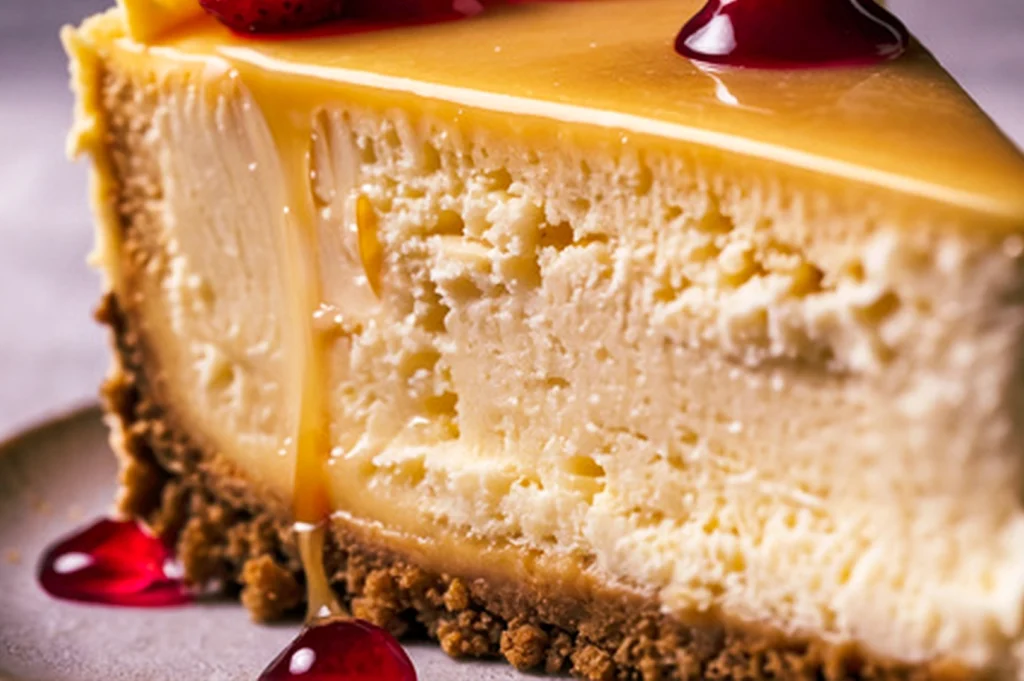
Density is often confused with heaviness, but the two are distinct. A sophisticated cheesecake possesses a specific density profile that feels substantial without being cloying. This is achieved through controlled aeration during the mixing stage.
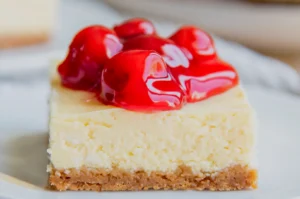
Buyers assess this by looking at the cross-section of the slice. The interior should be uniform. Large air pockets suggest inconsistent mixing, while a gummy, translucent appearance may indicate underbaking or an excess of moisture.
A refined density allows the flavor to bloom slowly. When a cake is too light, the flavor vanishes too quickly. When it is too dense, the palate becomes fatigued. The ideal profile sits in the center of this spectrum, offering a satisfying weight that remains clean.
Evaluating Mouthfeel and Palate Weight
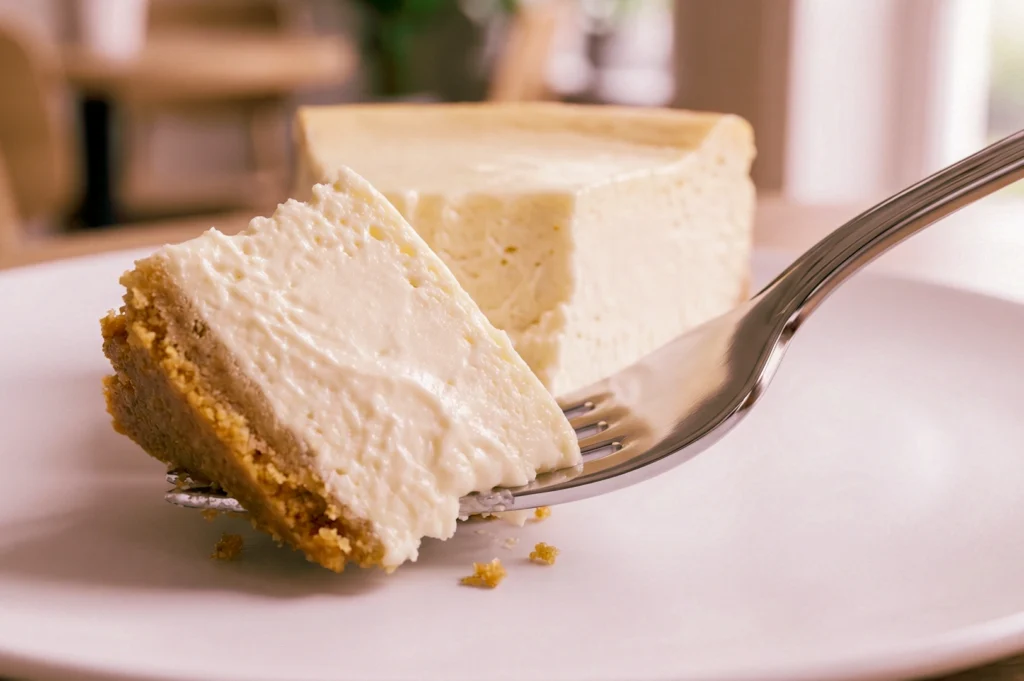
Mouthfeel is perhaps the most technical aspect of the evaluation. It refers to the physical sensation of the cake as it dissolves. A high-quality cheesecake should have a smooth, micro-fine grain.
Discerning buyers look for a lack of graininess. Any sandy or powdery texture is usually a sign of poorly incorporated dry ingredients or overcooked proteins. The transition from solid to liquid on the tongue should be seamless.
Palate weight describes how the fats in the cheese interact with the taste buds. A balanced cake leaves the mouth feeling clean. If a thick, waxy film remains on the roof of the mouth, it often indicates the use of lower-quality fats or stabilizers that do not melt at body temperature.
The Balanced Finish and Flavor Evolution
The flavor of a premium cheesecake is never singular. It is a progression. The initial note is usually the tang of the lactic acid, followed by the richness of the cream, and ending with a balanced finish that is neither too salty nor too sweet.
Sugar should act as a flavor enhancer rather than the primary focus. If sweetness is the dominant note, it often masks the nuances of the cheese itself. High-quality dairy has a natural sweetness that requires very little supplementation.
The finish should be brief and refreshing. A lingering, syrupy aftertaste is often a sign of artificial flavorings or high-fructose components. A clean finish prepares the palate for the next bite, maintaining interest throughout the experience.
Surface Consistency and Visual Indicators of Craft
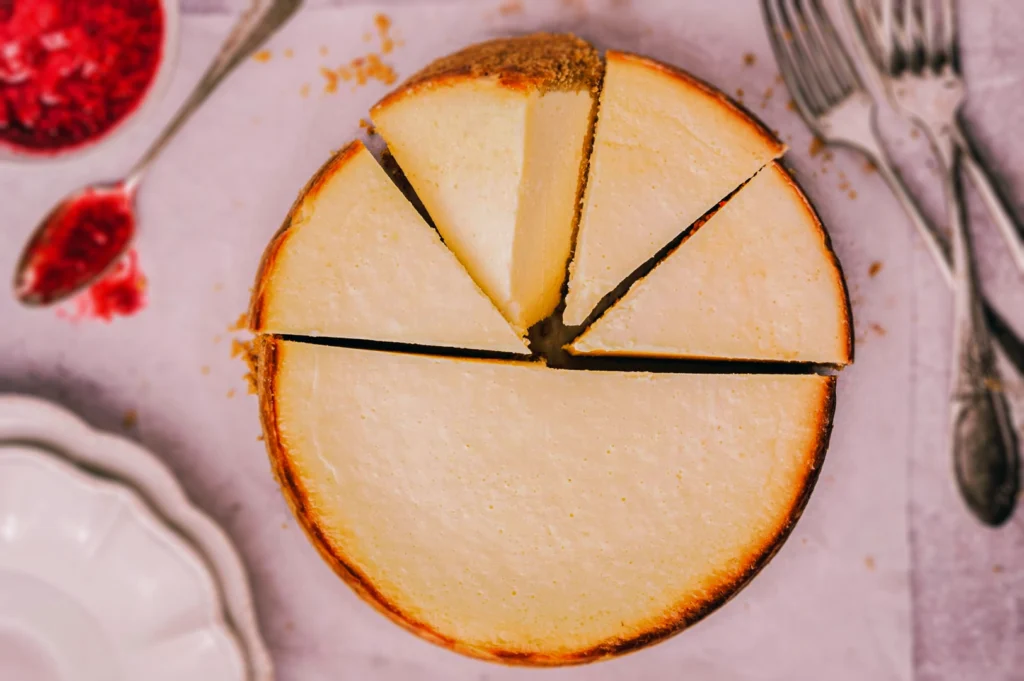
Visual assessment provides immediate data on the baking environment. The surface of the cake should be free of deep cracks, which are usually caused by drastic temperature fluctuations or over-beating.
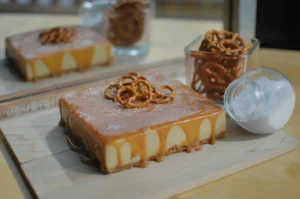
A uniform color across the top indicates even heat distribution within the oven. While some styles prioritize a charred exterior, the texture underneath must remain consistent. Any sign of a “wet” or “weeping” surface suggests that the cake was not cooled correctly, leading to condensation issues.
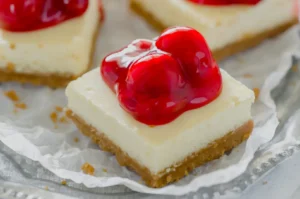
The edges where the cake meets the crust or the mold should be sharp and defined. This level of detail shows a disciplined approach to the cooling and unmolding process. It is a sign of a dessert institution that prioritizes technical accuracy.
Identifying the Refined Alternative in Soy-Based Bases
Time is a quiet ingredient in cheesecake construction. A New York cheesecake is not finished when it leaves the oven. It requires an extensive cooling period, often followed by twelve to twenty-four hours of refrigeration. This resting phase allows the fats to solidify and the protein structure to fully set. This cold-setting process is what gives the New York style its iconic, clean-cut edge.
The Basque cheesecake is more volatile. While it is also cooled, it is often served at room temperature or only lightly chilled. This preserves the fluidity of the fats. If a Basque cheesecake is over-chilled, it loses its defining characteristic. It becomes firm and heavy, mimicking a New York style but without the intentional balance of a slow-baked recipe.
Our Approach at Daizu by Ki-setsu
At Daizu by Ki-setsu, we view the cheesecake through this analytical lens. Our process is focused on achieving a specific textural consistency that balances traditional expectations with modern refinement. By utilizing high-quality soy components, we create a density profile that is substantial yet remains refreshing on the finish. We believe that a cheesecake should be an exercise in balance, where every element is measured for its contribution to the overall structural integrity.
To explore this further, click here.