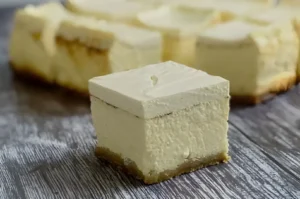
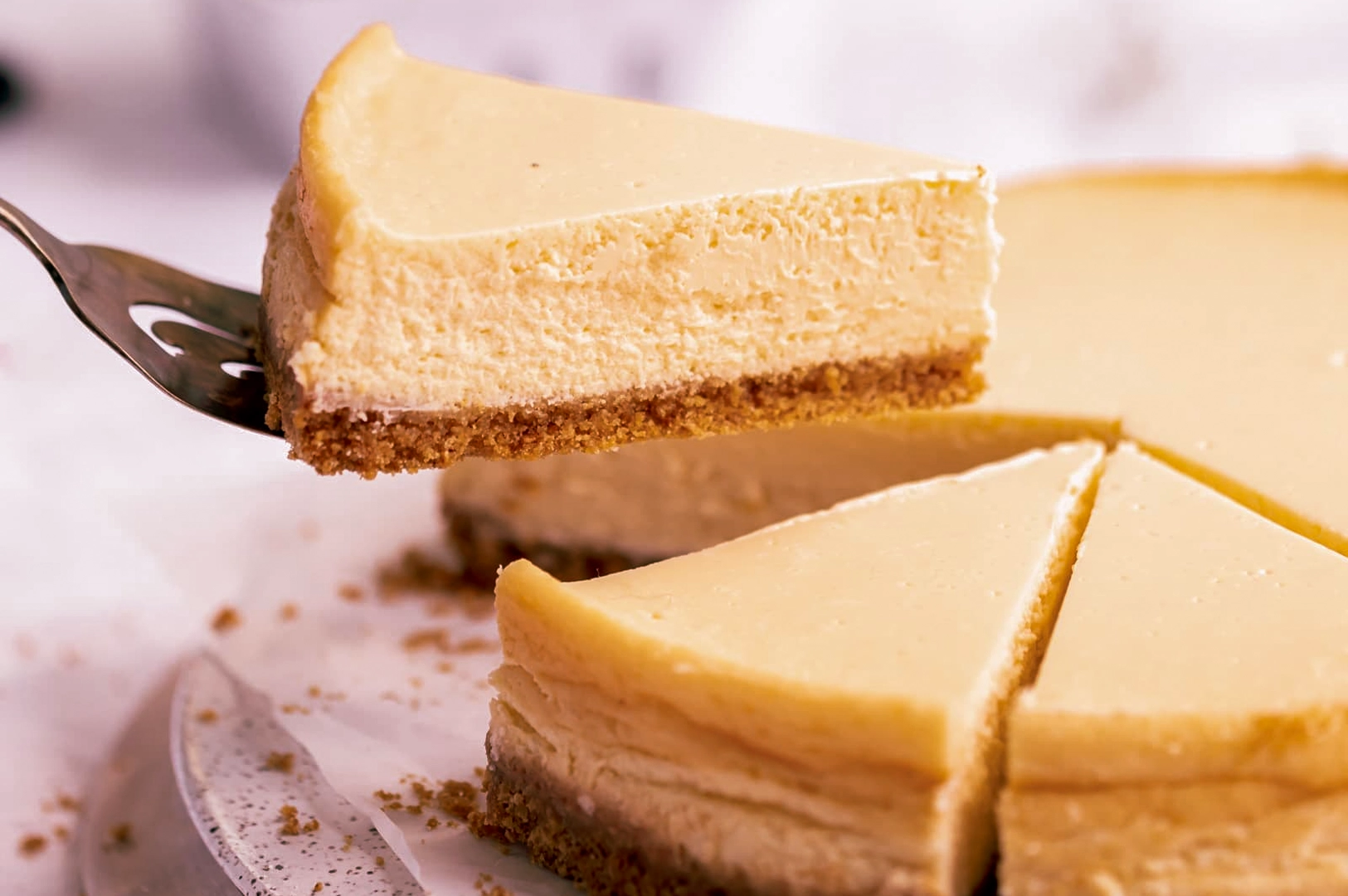
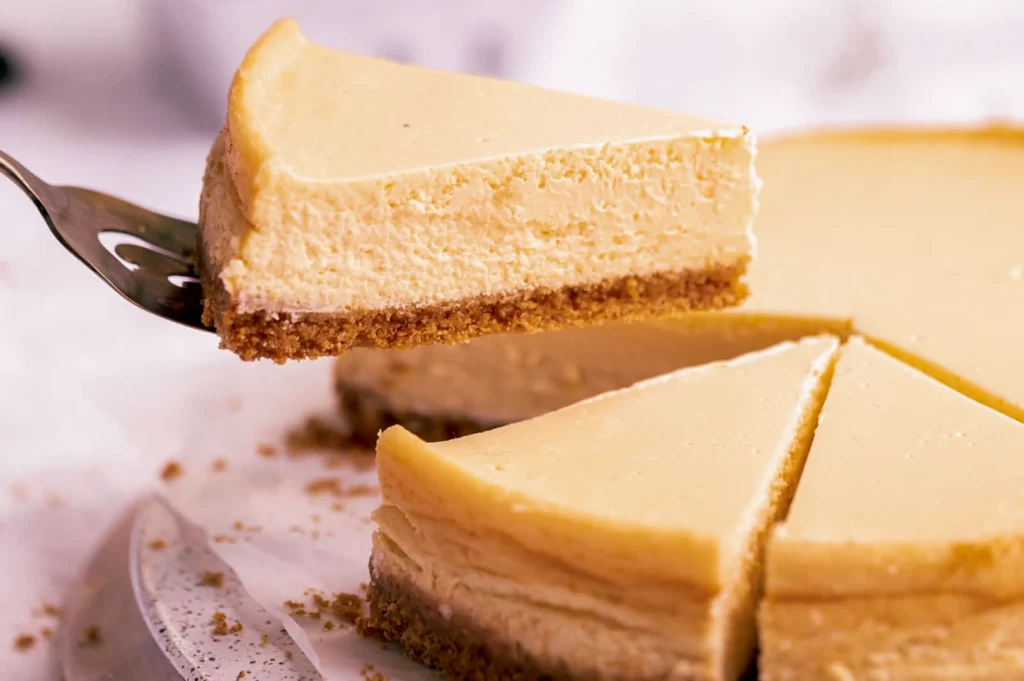
A clean cut is the final stage of technical precision in dessert service. It is the moment where the internal architecture of the cake is revealed. For a high quality cheesecake, the visual appeal of the slice should match the refinement of the recipe.
A jagged edge or a compressed crumb can alter the perceived mouthfeel of a dessert. When the structure is compromised by a dull or cold blade, the density profile appears uneven. Achieving the best cheesecake in Singapore dining experience at home requires understanding how temperature and friction interact with the cake.
Use Temperature to Stabilize the Internal Structure
Temperature is the most critical factor in structural integrity. A cheesecake that is too warm will adhere to the knife, causing the center to tear. This is particularly true for a Japanese cheesecake Singapore enthusiasts often prefer, which relies on a delicate balance of aeration and moisture.
The cake must be thoroughly chilled before any attempt is made to slice it. A minimum of six hours in refrigeration is standard, though twelve hours is preferred for optimal density. This cooling period allows the fats and proteins to set into a firm, cohesive matrix.
If the cake is served at room temperature, the blade will likely drag through the soft center. This creates a “smearing” effect on the face of the slice. By maintaining a cold internal temperature, the knife can pass through the proteins without meeting excessive resistance from softened fats.
Select a Blade Based on Density and Texture
The choice of tool depends entirely on the specific style of cheesecake being served. A heavy, dense New York cheesecake requires a different mechanical approach than a light, soy-based alternative.
Fine Edged Chef Knives
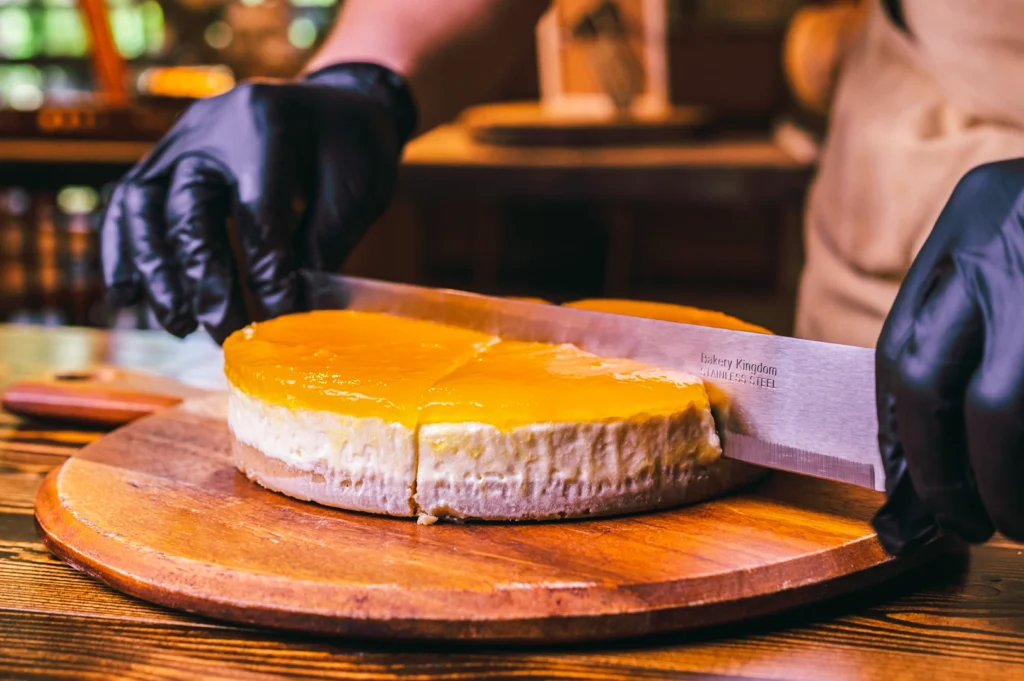
A long, thin-bladed chef knife is the most versatile tool for most cheesecakes. The length of the blade should be greater than the diameter of the cake. This allows for a single, smooth motion rather than a sawing action.
The blade must be sharp. A dull edge will exert downward pressure, compressing the air pockets and ruining the textural consistency. For a light cheesecake Singapore residents enjoy for its fluffiness, compression is the primary enemy of a clean slice.
The Utility of Unflavored Dental Floss
For cakes with a very soft or mousse-like consistency, dental floss is a highly effective alternative. It offers the thinnest possible surface area, which minimizes friction.
To use this method, hold a length of unflavored floss taut between both hands. Press it straight down through the cake to the base. Release one end of the floss and pull it through the bottom of the cake rather than lifting it back up.
Manage Friction with Controlled Heat
Friction causes the sugars and fats in a cheesecake to stick to the metal of the knife. To counter this, professional kitchens use heat to create a momentary barrier between the blade and the cake.
- Prepare a tall container filled with hot water.
- Dip the knife into the water for thirty seconds until the metal is warm to the touch.
- The heat from the blade slightly melts the fats at the point of contact, allowing the knife to glide through the slice.
It is essential to wipe the blade completely dry with a clean cloth after each dip. Any residual water droplets will mar the surface of the cake or create unappealing streaks. A dry, warm blade is the standard for a professional finish on the palate.
Execute the Cut with Single Motion Precision
The technique used to move the knife is as important as the tool itself. Many people make the mistake of using a horizontal sawing motion. This disrupts the crumb and creates an uneven surface.
- Position the knife over the center of the cake.
- Apply steady, downward pressure in one continuous movement.
- Once the blade reaches the base, do not pull it straight back up.
Pulling the knife upward often brings fragments of the cake with it, which then settle on the top surface. Instead, slide the knife out horizontally from the bottom of the slice. This preserves the clean lines of the top edge.
Clean the Blade After Every Individual Stroke
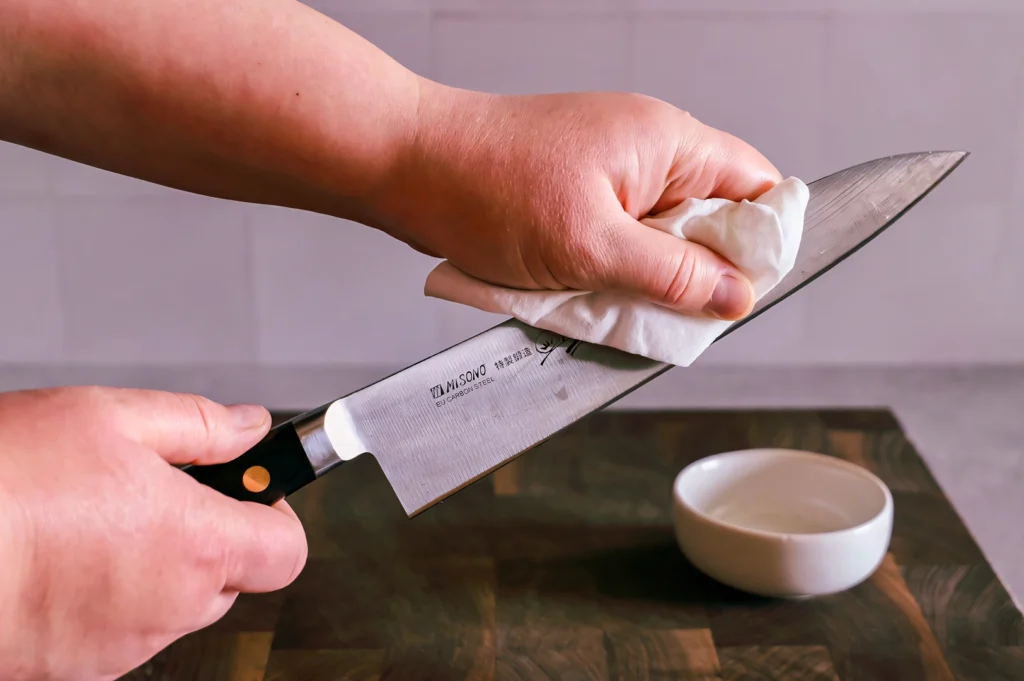
Consistency is only possible if the blade is wiped clean after every single cut. Even a small amount of residue left on the knife will create friction during the next slice. This residue acts as an adhesive, pulling at the delicate interior of the cake.
Keep a clean, damp cloth and a dry towel nearby. After each cut, wipe the blade to remove all traces of cheese and crust. Re-heat the blade in the hot water if it has cooled significantly.
This process may seem repetitive, but it is the only way to ensure that the eighth slice looks as precise as the first. In a high-end dessert institution, this attention to detail is what defines the service standard.
Accommodate the Resistance of the Base
The base of the cheesecake often provides the most resistance. Whether it is a traditional graham cracker crust or a more modern sponge base, the transition from the soft filling to the firm bottom can be jarring.
When the knife reaches the crust, apply a firm, vertical pressure to snap the base. If the crust is particularly thick, a slight rocking motion of the knife handle can help break through without shattering the edges.
If the base is a soft sponge, as seen in certain cheesecake Singapore varieties, the knife should pass through easily. However, if the sponge has absorbed moisture, it may become “gummy.” A warm blade is again the best solution for ensuring the sponge is sliced rather than compressed.
Analyze the Surface of the Slice
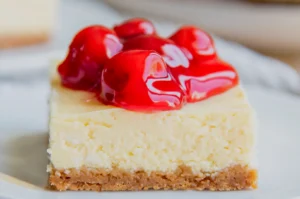
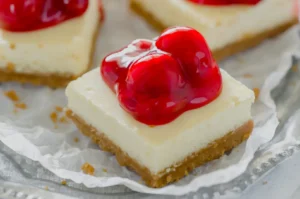
Once the slice is plated, examine the surface. A perfect slice should be flat and matte, with no visible streaks or clumps. The edges should be sharp and well-defined.
If the surface appears shiny or melted, the knife may have been too hot. If the surface is rough or “torn,” the knife was likely too cold or the blade was not wiped clean.
The goal is to present a cross-section that reveals the true nature of the cake. In a well-structured dessert, the visual density of the slice should be uniform from the top to the bottom.
Consider the Structural Differences in Composition
Different cheesecake compositions respond differently to the blade. A Basque burnt cheesecake, with its high fat content and intentional lack of structure at the center, requires a very fast, clean cut to prevent the “molten” center from flowing prematurely.
A New York style cake is dense and can withstand more pressure, but it is also more prone to sticking to the blade. The soy-based compositions found at Daizu by Ki-setsu offer a different structural profile.
These cakes are designed for a lighter mouthfeel and a cleaner finish. Because they do not rely on heavy cream or excessive egg yolks, the protein structure is more resilient. This makes them slightly more forgiving during the slicing process, provided the blade is sharp and clean. It’s this unique composition that has many wondering: Did Daizu by Ki-Setsu Quietly Release the Best Cheesecake in Singapore?
Prepare for Plating and Final Presentation
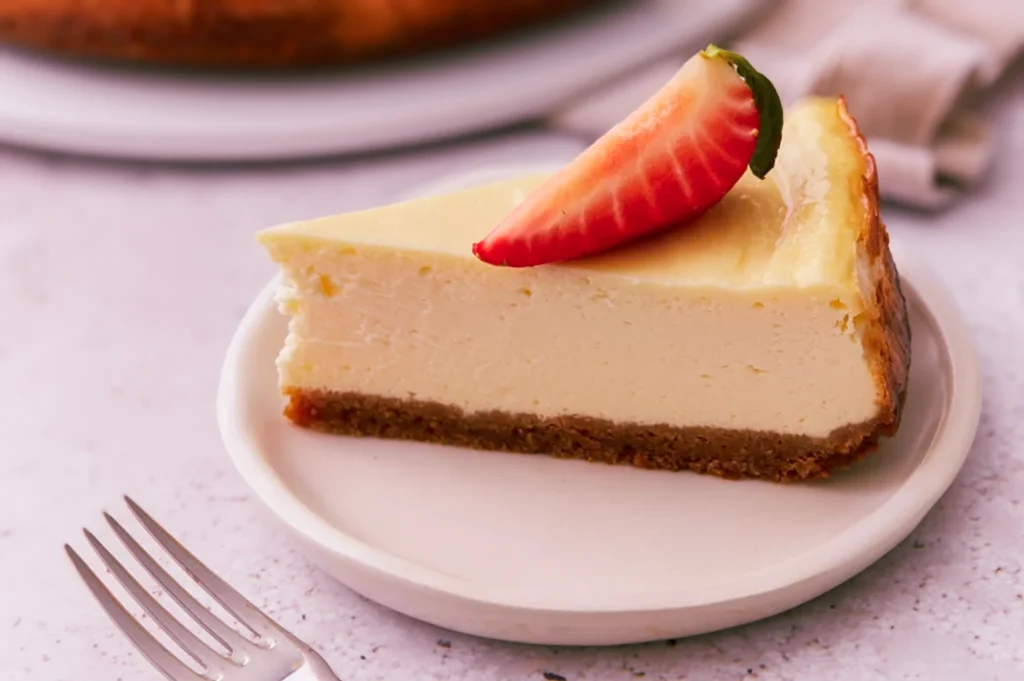
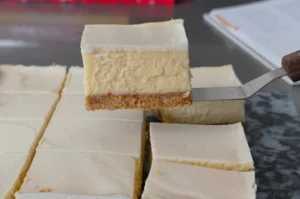
The act of moving the slice from the cake board to the plate is the final hurdle. Use a dedicated cake server with a thin, offset blade. Slide it firmly under the crust to ensure the entire slice is supported.
Avoid touching the sides of the slice with your fingers or other utensils. Any contact will leave a mark on the smooth surface. Place the slice in the center of the chilled plate, ensuring it stands upright.
If the cheesecake has a topping or a glaze, ensure the knife is cleaned particularly well. Glazes are often high in sugar and become very sticky when they interact with a warm blade.
Define Your Standards of Service
The pursuit of the perfect slice is an exercise in discipline. It reflects a respect for the ingredients and the labor that went into creating the dessert. While these steps require more time than a casual cut, the result is a superior sensory experience.
At Daizu by Ki-setsu, we view the presentation of our cakes as an extension of our culinary philosophy. We believe that a refined alternative to traditional heavy cheesecakes deserves a refined method of service. Our focus on textural intelligence means that every element, including how the cake is divided, contributes to the final palate weight and overall balance.
By following these professional standards, you ensure that the structural integrity of our soy-based creations is preserved from our kitchen to your table.