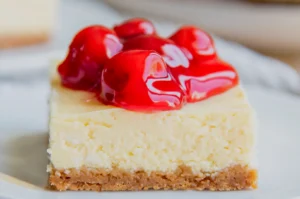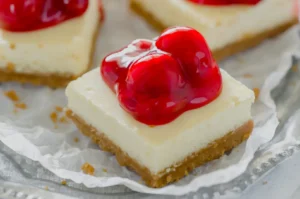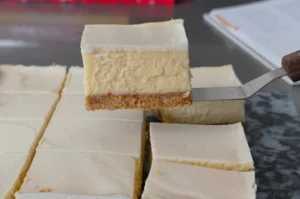
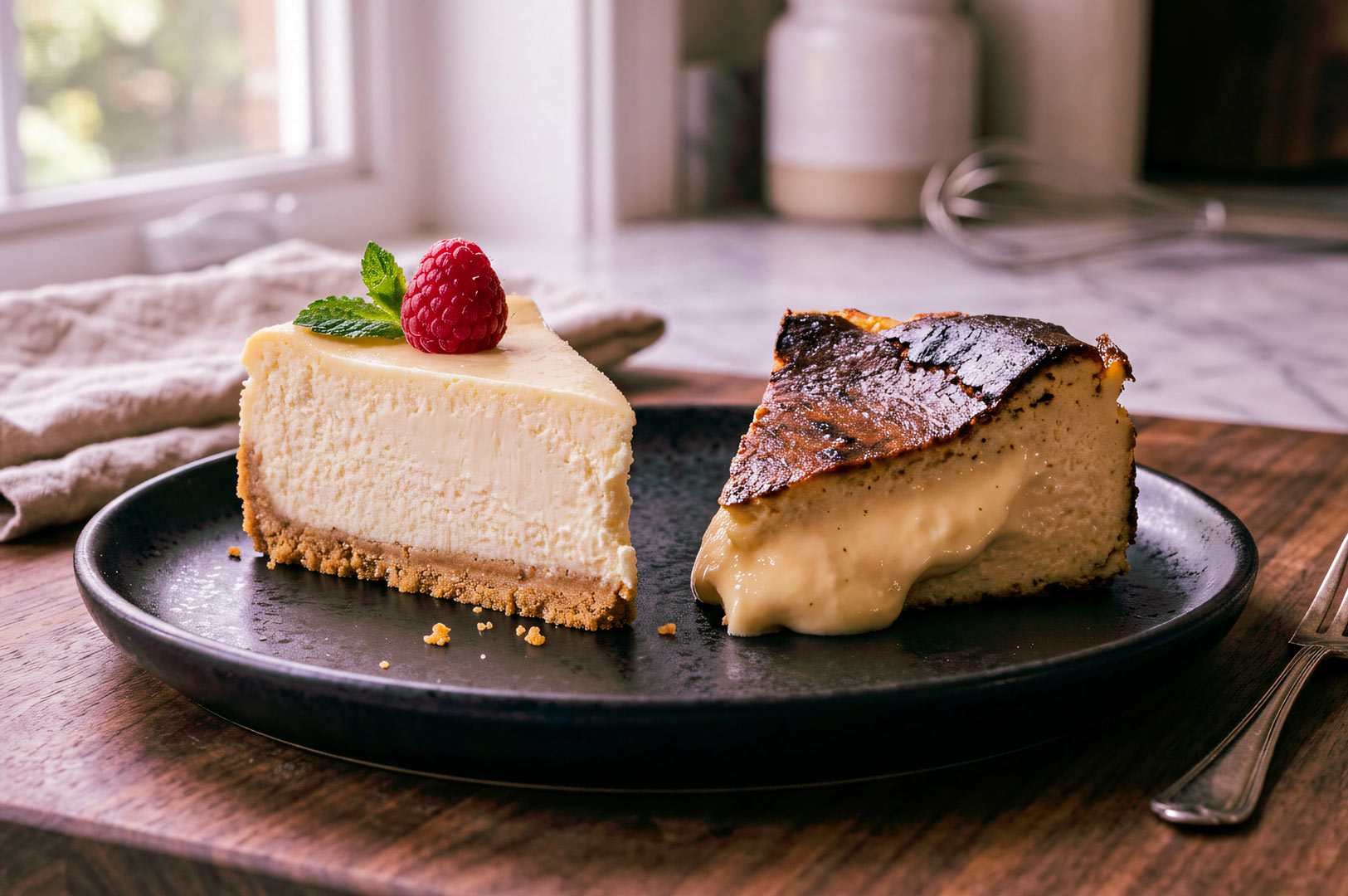
A New York cheesecake is defined by its structural integrity. It stands tall, supported by a dense composition and a rigid graham cracker crust. In contrast, the Basque cheesecake intentionally abandons this structure, opting for scorched edges and a center that yields to the fork. One is a study in precision and controlled cooling; the other is an exercise in high heat transformation.
Understanding these two archetypes requires looking beyond the sugar and dairy. It is an analysis of how heat, aeration, and stabilizers dictate the final mouthfeel. Whether one prefers the velvety weight of a New York slice or the caramelized fluidity of a burnt Basque cheesecake, the distinction lies in the technical execution of the cheesecake batter.
The Architectural Foundation of the New York Style Cheesecake
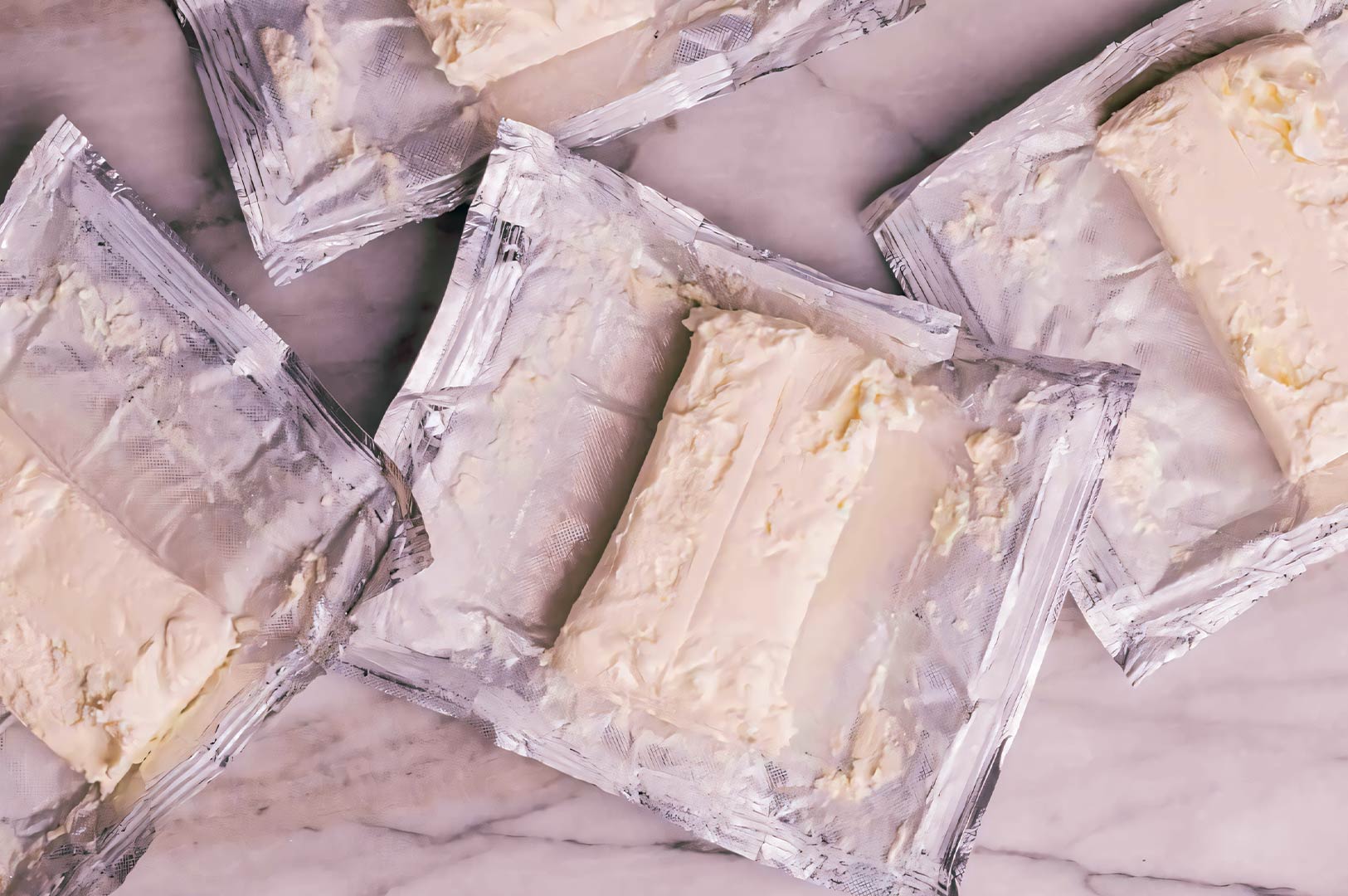
The New York style cheesecake is a product of the early 20th century, specifically attributed to the precise use of Philadelphia cream cheese. Its profile is heavy, smooth, and notably tall. To achieve this, a springform pan is essential. The height of the cake requires a vessel that can be removed without disturbing the delicate sides of the build.
A standard New York cheesecake recipe relies on a high ratio of full fat cream cheese to eggs. This creates a dense protein network. Unlike other desserts that seek lightness through whipped egg whites, this style demands that you beat cream cheese until smooth but not aerated. Excessive air bubbles are the enemy of a New York slice, as they cause the cake to rise and then collapse, leading to unsightly cracks.
The base is almost always a graham cracker crust. This layer is constructed from graham cracker crumbs and melted butter, pressed firmly into the bottom of the prepared pan. It provides a textural counterpoint, a dry, crunchy snap that balances the moisture of the cheese.
The High Heat Philosophy of the Burnt Basque Cheesecake
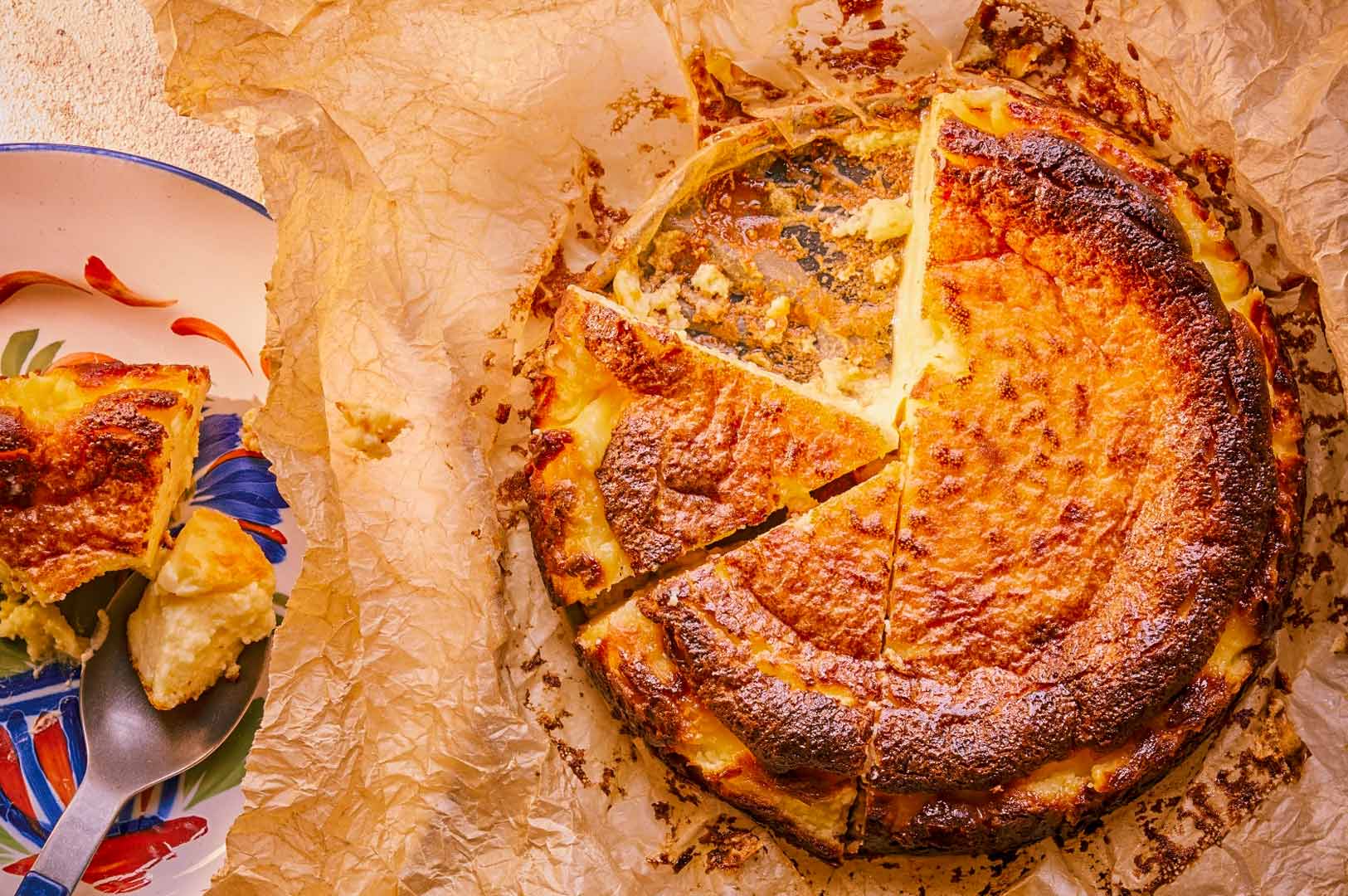
The Basque cheesecake, originating from San Sebastián, operates on a different set of physical rules. It does not use a water bath. It does not require a crust. Instead, it relies on a high oven temperature to achieve a deliberate Maillard reaction on the surface.
This burnt Basque cheesecake is often described by its “ugly delicious” aesthetic. It is baked in a larger cake pan lined with crumpled parchment paper. The paper must extend well above the rim, as the cheesecake batter rises dramatically like a souffle before settling into its characteristic sunken shape.
While a New York cake is baked slowly to maintain a pristine white interior, the Basque version is pushed to the limit of caramelization. The result is a profile that tastes of toasted sugar and browned butter, with a center that remains nearly molten. It is a cheesecake that prioritizes the “ooze” over the “slice.”
Analyzing the Cheesecake Batter: Density and Emulsification
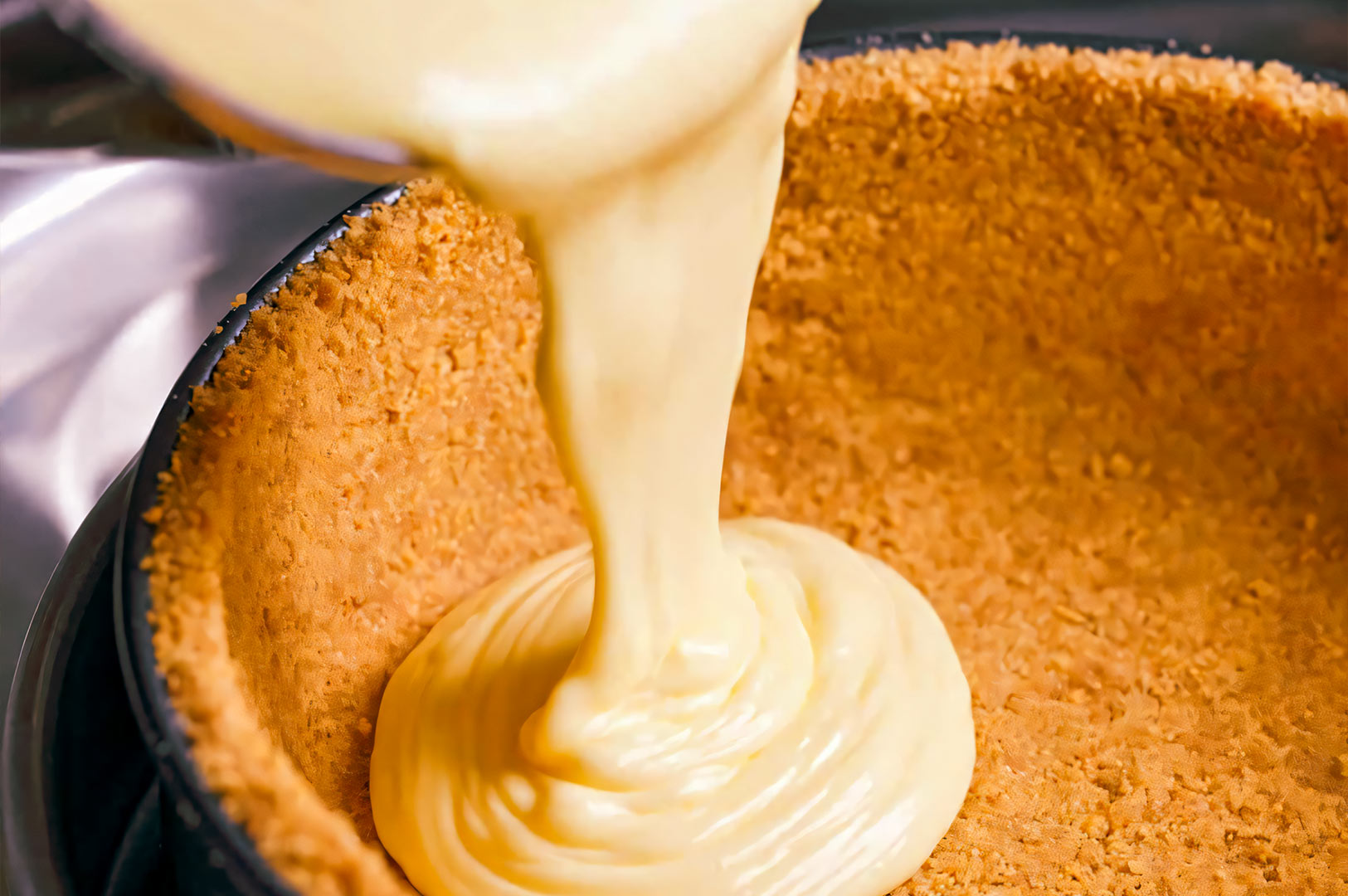
The internal physics of these two cakes start with the ingredients. Both use cream cheese, sugar, and eggs, but the supporting elements differ.
The Role of Stabilizers
In a New York cheesecake recipe, you will often find sour cream or heavy cream paired with a small amount of cake flour or cornstarch. These additions serve as stabilizers. They ensure the fat cream cheese does not break during the long bake time. The inclusion of lemon juice provides a slightly tangy finish that cuts through the saturated fat.
The Fluidity of the Basque Recipe
A Basque cheesecake recipe typically omits flour or uses a minimal amount. It favors a higher proportion of heavy cream. This results in a batter that is more fluid at room temperature. Because it is baked quickly at a high heat, the center never fully sets into a firm block. It remains a custard-like suspension.
Temperature Control and the Science of the Bake
The baking process is where these two traditions diverge most sharply.
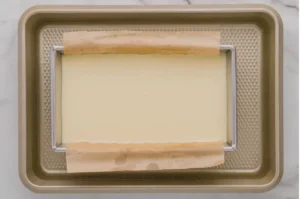
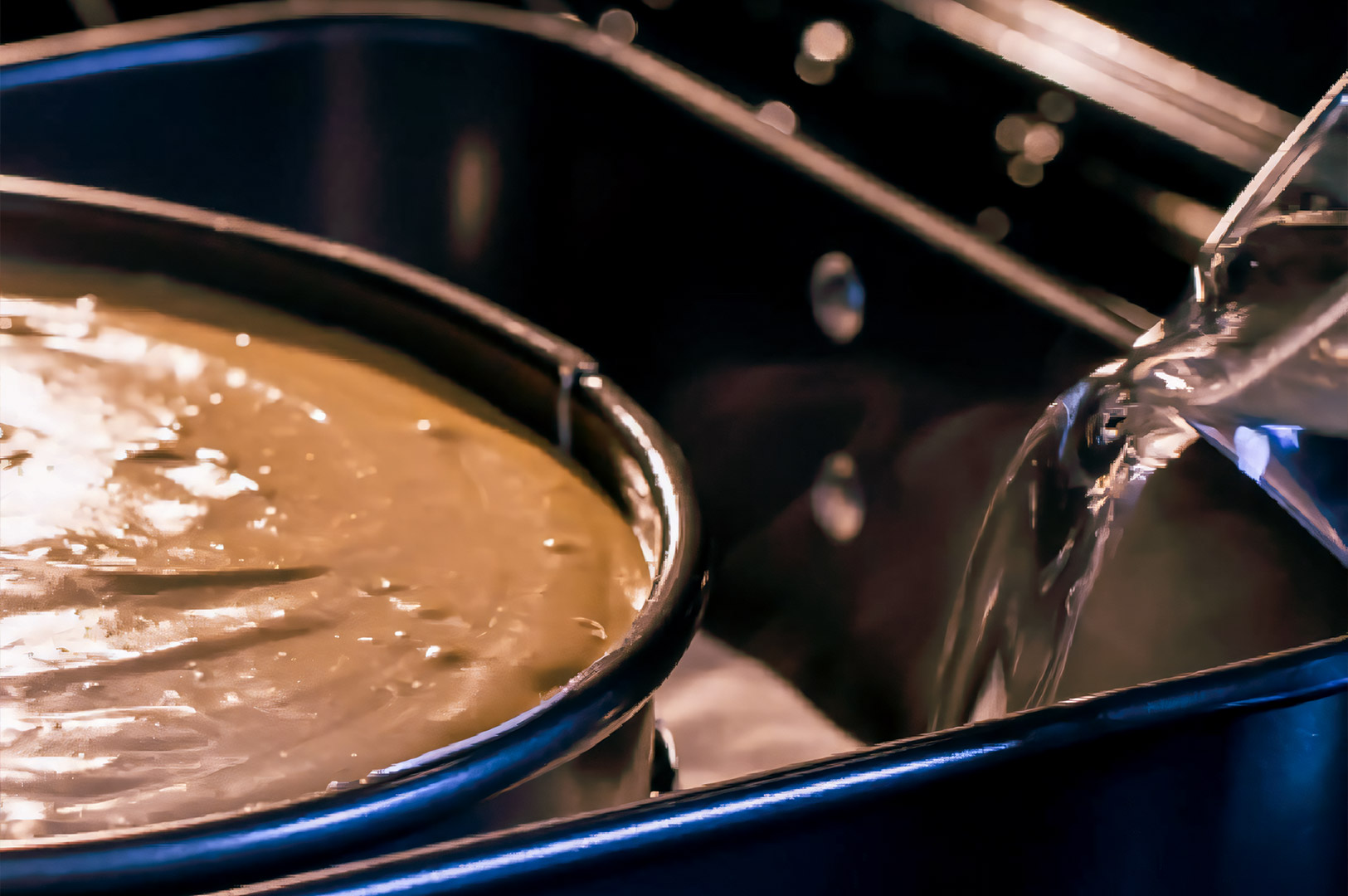
For a New York cheesecake, the goal is a slow, even cook. Most recipe notes suggest a low oven temperature and the use of a water bath (bain marie). This involves placing the springform pan inside a larger cake pan filled with boiling water. The water acts as a buffer, ensuring the oven rack heat does not exceed 100°C around the sides of the cake. This prevents the edges from overcooking before the center is set.
The Basque style ignores these precautions. It is placed in a high heat environment, often around 200°C to 220°C. There is no water bath. The goal is to scorch the exterior while the interior remains undercooked. This creates a gradient of textures, from the firm, caramelized “skin” to the creamy texture of the heart.
Structural Requirements: Pans and Preparation
The choice of equipment is not merely a suggestion; it is a requirement for structural success.
New York Style: Requires a springform pan to allow for easy removal. A roasting pan is needed for the water bath.
Basque Style: Can be baked in a standard cake pan. The parchment paper serves as the primary tool for removal, as the cake is too soft to be handled without it.
Before the batter ever hits the pan, the state of the ingredients is paramount. Using room temperature ingredients is the only way to ensure a smooth batter. Cold cream cheese will result in lumps that resemble scrambled eggs when baked. Whether using a stand mixer with a paddle attachment or an electric mixer, the goal is a homogenous emulsion.
Cooling and the Patience of the Finish
A common error in cheesecake preparation is rushing the cooling process. A New York cheesecake must cool completely in the oven with the oven door slightly ajar. This prevents a sudden drop in temperature that causes the cake to shrink too fast and crack. After it reaches room temp, it must chill overnight. This time allows the fat molecules to solidify, creating that iconic, clean slice.
The Basque cheesecake also requires a cooling period on a wire rack, though it is often enjoyed closer to room temperature than its New York counterpart. If served too cold, the “lava” center loses its characteristic fluidity. If served too warm, it lacks the structural integrity to stay on a plate.
Toppings and the Palate Weight
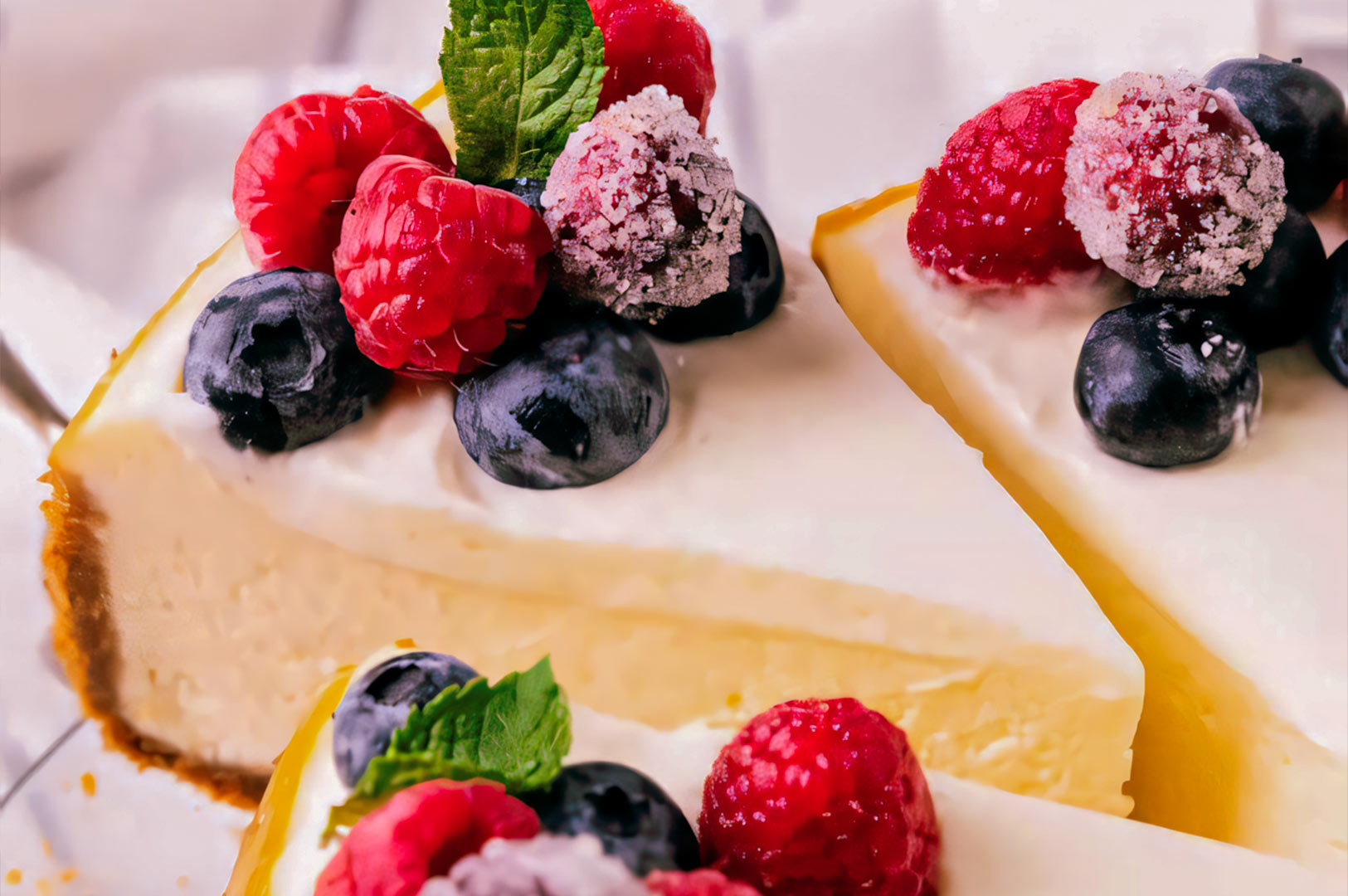
A well executed New York cheesecake is often finished with a thin layer of sour cream or served with a raspberry sauce or strawberry sauce. These acidic elements are necessary to balance the density. It is a dessert that occupies a significant amount of “palate weight.”
The Basque cheesecake is traditionally served plain. Its complexity comes from the burnt exterior. The bitterness of the charred top acts as the “sauce,” providing the necessary contrast to the sweet, creamy interior. It is a more minimalist approach to flavor, relying on the transformation of the cheese itself rather than external additions.
For an intriguing contrast, see the article titled Did Daizu by Ki-Setsu Quietly Release the Best Cheesecake in Singapore? It explores our soy-based cheesecake known for its lightness and refined texture, offering a delightful alternative to the heavier traditional styles.
A Refined Alternative: The Daizu Perspective
When we examine the landscape of the New York style and the Basque tradition, we see two extremes of density and caramelization. At Daizu by Ki Setsu, we look for a third path.
While we respect the craftsmanship of a dense New York cheesecake and the bold heat of the Basque version, we find that soy provides an opportunity for a different structural approach. By incorporating high quality soy, we can achieve a composed texture that avoids the heaviness of a traditional full fat cream cheese build.
Our focus is on lightness as a form of refinement. We utilize the natural proteins in soy to act as a structural softener. This allows the cheesecake to remain firm enough for a clean presentation while maintaining a delicate mouthfeel that respects the appetite at the end of a meal. We believe a cheesecake should be a balanced finish, not a heavy conclusion.