The distinction between a mediocre dessert and a masterpiece lies in the physics of its composition. While many view the creation of a cheesecake as a simple act of mixing and baking, it is actually a complex study of protein coagulation, fat emulsification, and moisture retention. The transition from a liquid cheesecake batter to a solid, elegant structure requires a precise understanding of ingredient behavior and thermal dynamics.
To achieve the signature creamy texture found in high-end pastry, one must look beyond the surface level of a recipe. We must analyze the structural integrity of the lipids and the delicate balance of the aeration process. Whether one is pursuing a dense New York style or a lighter, soy-inflected interpretation, the goal remains the same: a consistent, refined finish on the palate.
Why the Best Cream Cheese is the Foundation of Every Slice
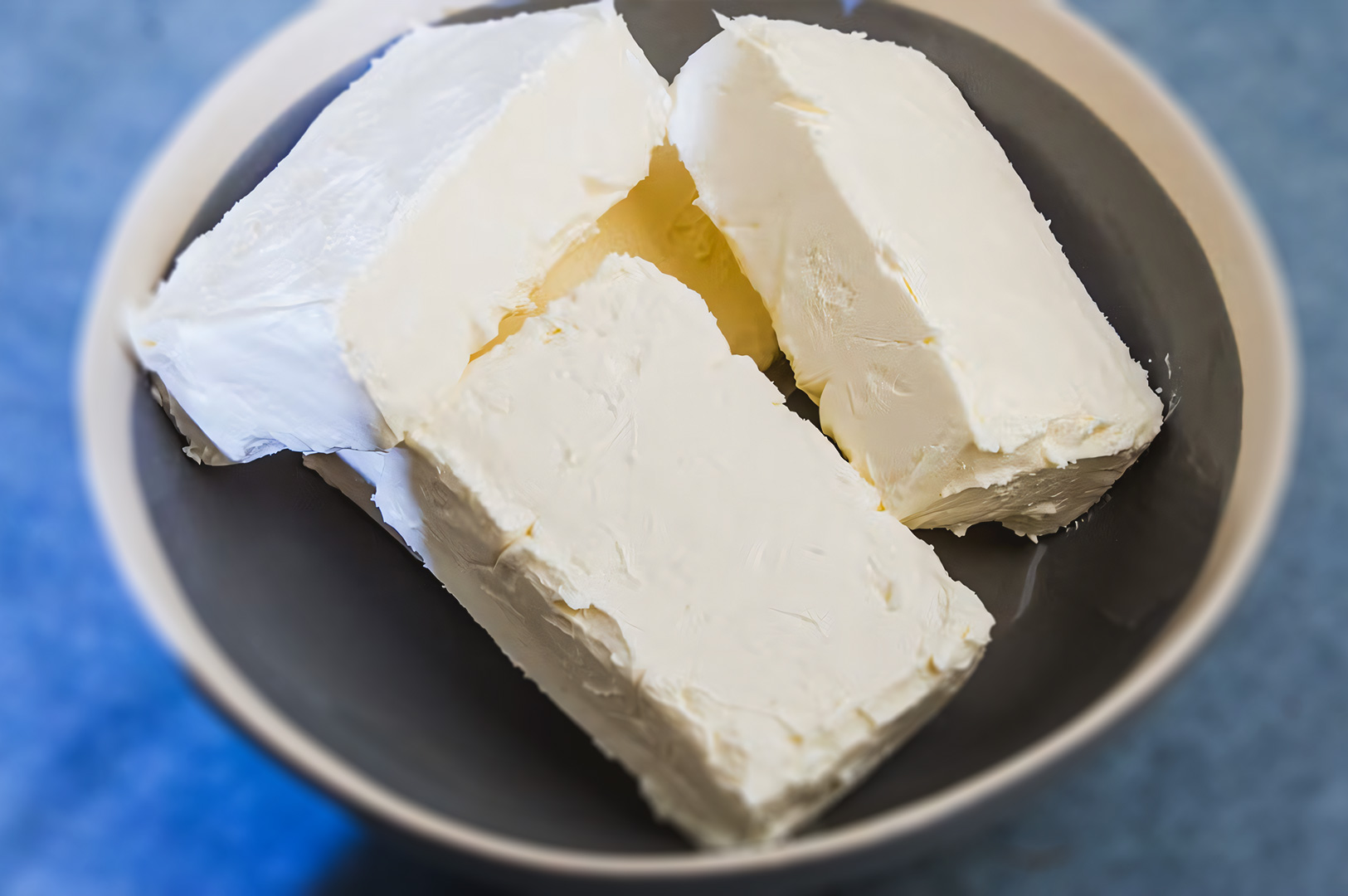
The foundation of any traditional baked cheesecake is the quality and state of its primary fat source. Most professional cheesecake recipes rely on brick style cream cheese rather than spreadable versions found in tubs. This is because the stabilizers and moisture content in tub varieties can disrupt the creamy texture during the baking process.
Using full fat cream cheese is a requirement for those seeking a completely smooth mouthfeel. The fat molecules act as barriers between the protein strands, preventing them from bonding too tightly. When proteins bond too aggressively, the result is a rubbery or grainy texture. For the best cheesecake, the cheese must be brought to room temperature before mixing. Cold fat does not emulsify. It clumps. These clumps lead to an uneven cheesecake filling that lacks professional polish.
The Secret to Handling Your Cream Cheese for Density
Not all fats are equal. The best cream cheese for a professional-grade dessert is one with a high protein-to-fat ratio and minimal additives.
When the cheese is at room temperature, it integrates seamlessly with granulated sugar and vanilla extract.
If the ingredients are cold, the stand mixer must work harder, which often introduces too much air into the mixture.
Air bubbles are the enemy of a dense, creamy cheesecake. They expand in the heat and collapse upon cooling, leading to unsightly cracks.
How Your Choice of Ingredients Creates a Creamy Cheesecake
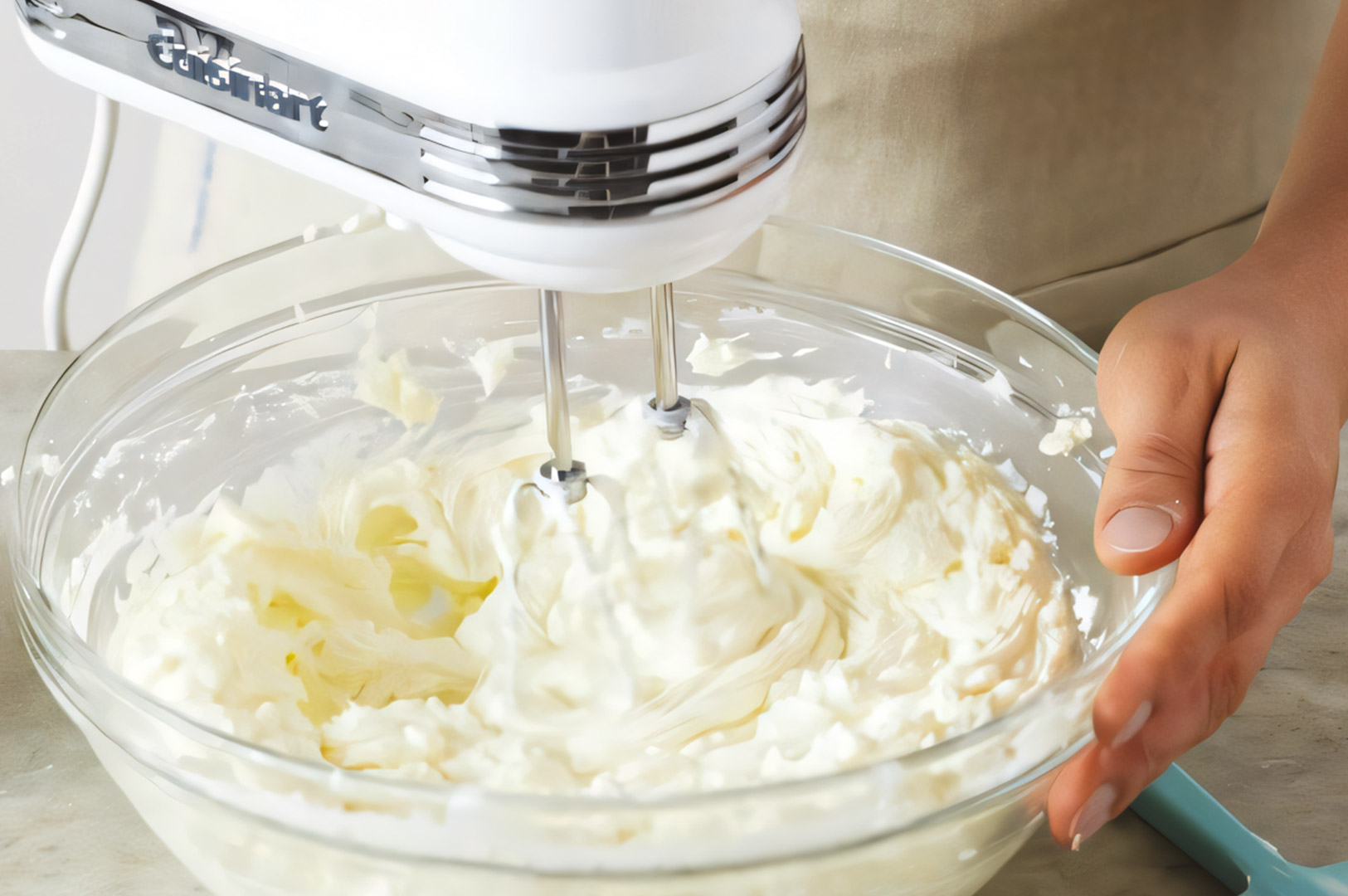
To move from a dense block to a refined dessert, structural softeners are introduced. Heavy cream and sour cream are the most common additions used to alter the cheesecake texture.
Heavy cream adds a liquid fat that thins the batter, resulting in a silkier finish.
Sour cream provides acidity, which breaks down the protein chains further, ensuring the exact texture is tender rather than chewy.
In a refined alternative like the soy-based approach, the introduction of soy milk or soy solids acts as a natural softener. The proteins in soy behave differently than those in dairy, offering a composed texture that feels lighter on the tongue while maintaining its structural integrity. This is a key consideration for those who prefer a balanced finish over an overwhelming weight.
Why Careful Mixing Keeps the Cheesecake Batter Light
Eggs provide the structure. The lecithin in the yolks acts as an emulsifier, binding the water and fat together into a cohesive cheesecake filling. However, over-mixing the eggs is a common failure. Once the eggs are added to the cheesecake batter, the speed of the stand mixer should be reduced. High speeds incorporate oxygen, which creates a sponge-like consistency rather than the sought-after creamy texture.
Following the Best Cheesecake Recipe for a Perfect Base
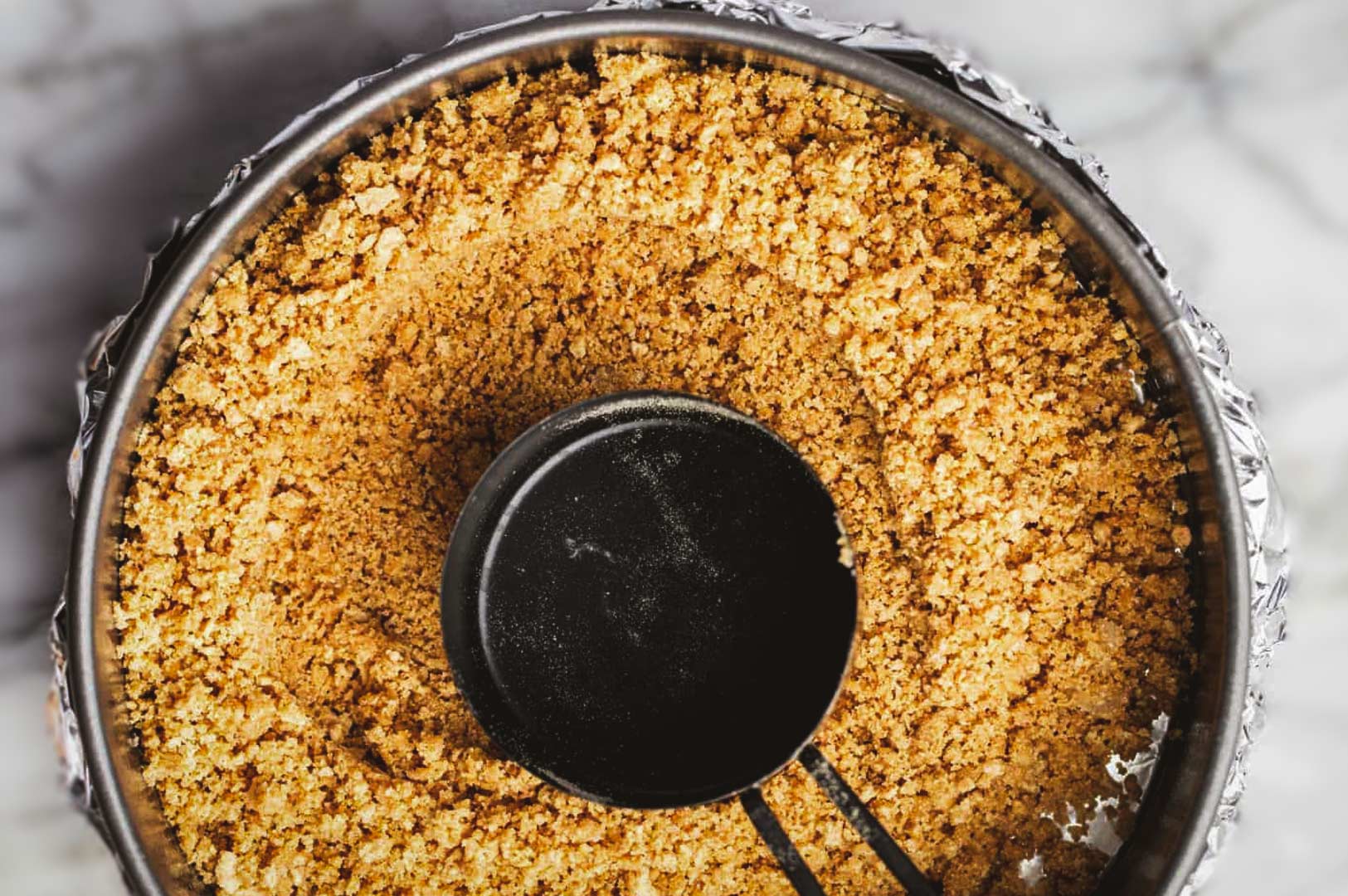
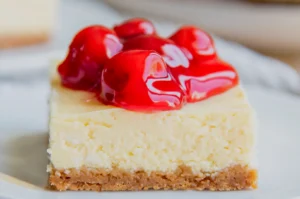
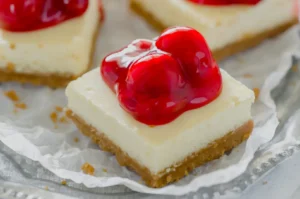
A perfect cheesecake requires a contrast in textures. The graham cracker crust provides the necessary structural base and a tactile counterpoint to the soft filling. To create a crunchy graham cracker crust, the graham cracker crumbs must be uniform. Using a food processor ensures the particles are fine enough to compress into a solid layer.
The ratio of melted butter to fine crumbs determines whether the base is sturdy or sandy. Once combined with brown sugar and unsalted butter, the mixture should be pressed firmly into the prepared pan. Many cheesecake recipes benefit from a pre-bake of the crust. Allowing the crust cool before adding the filling prevents the base from becoming soggy. A cooled crust creates a thermal barrier that helps the bottom of the cake cook evenly.
Protecting Your Pan with Aluminum Foil and Care
The choice of equipment is as vital as the ingredients. A springform pan is the standard for a baked cheesecake because it allows for easy removal without damaging the delicate sides. To ensure a clean release, the sides of the pan should be lightly greased or lined with parchment paper.
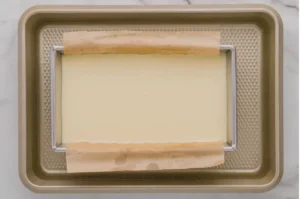
For those using a water bath, or bain-marie, the cheesecake pan must be protected. Wrapping the pan tightly with multiple layers of heavy duty aluminum foil prevents water from seeping into the graham crackers. If the seal is compromised, the crust will lose its crunch and the filling will become waterlogged.
Patience and Precision for the Best Cheesecake Possible
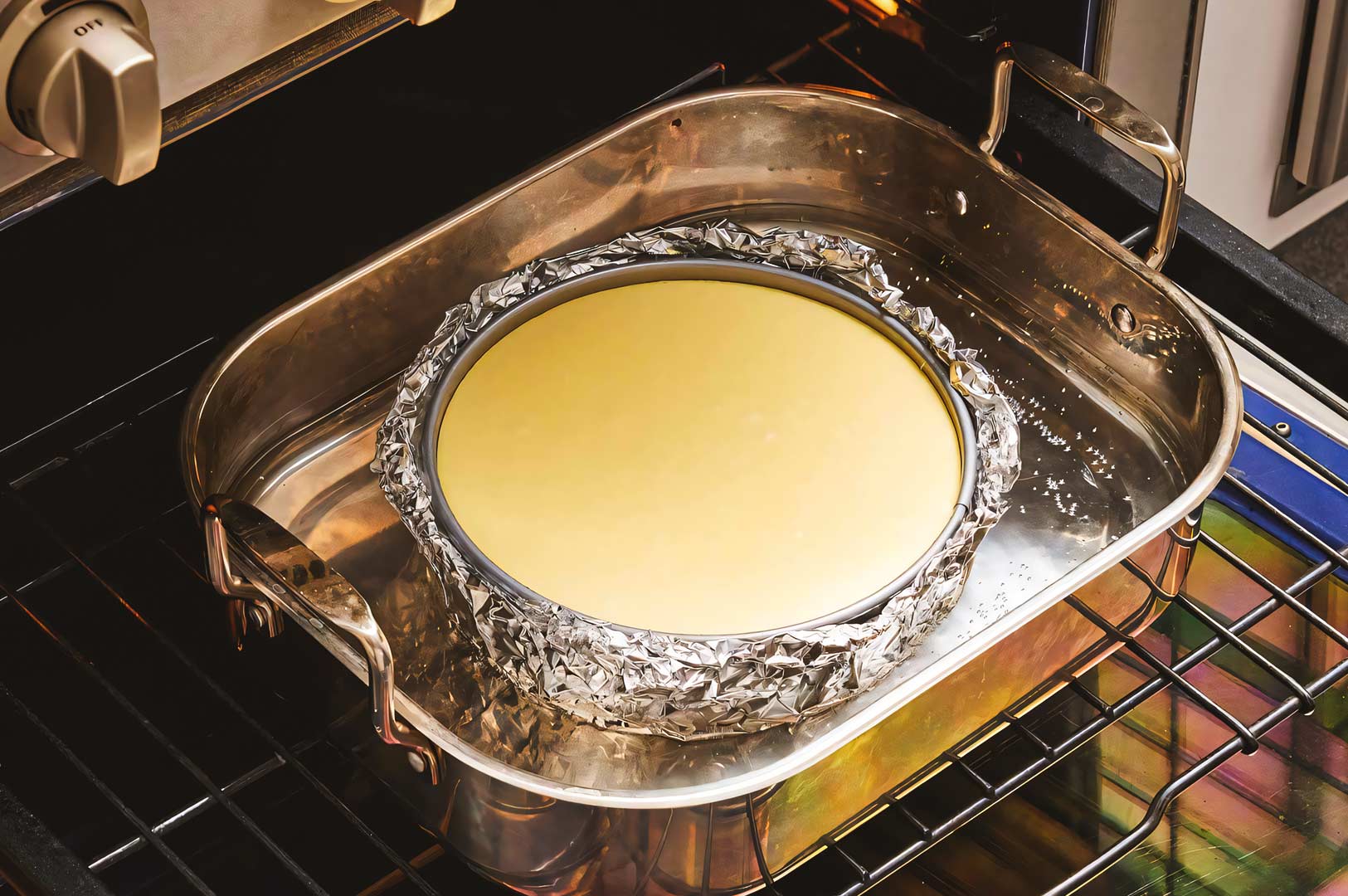
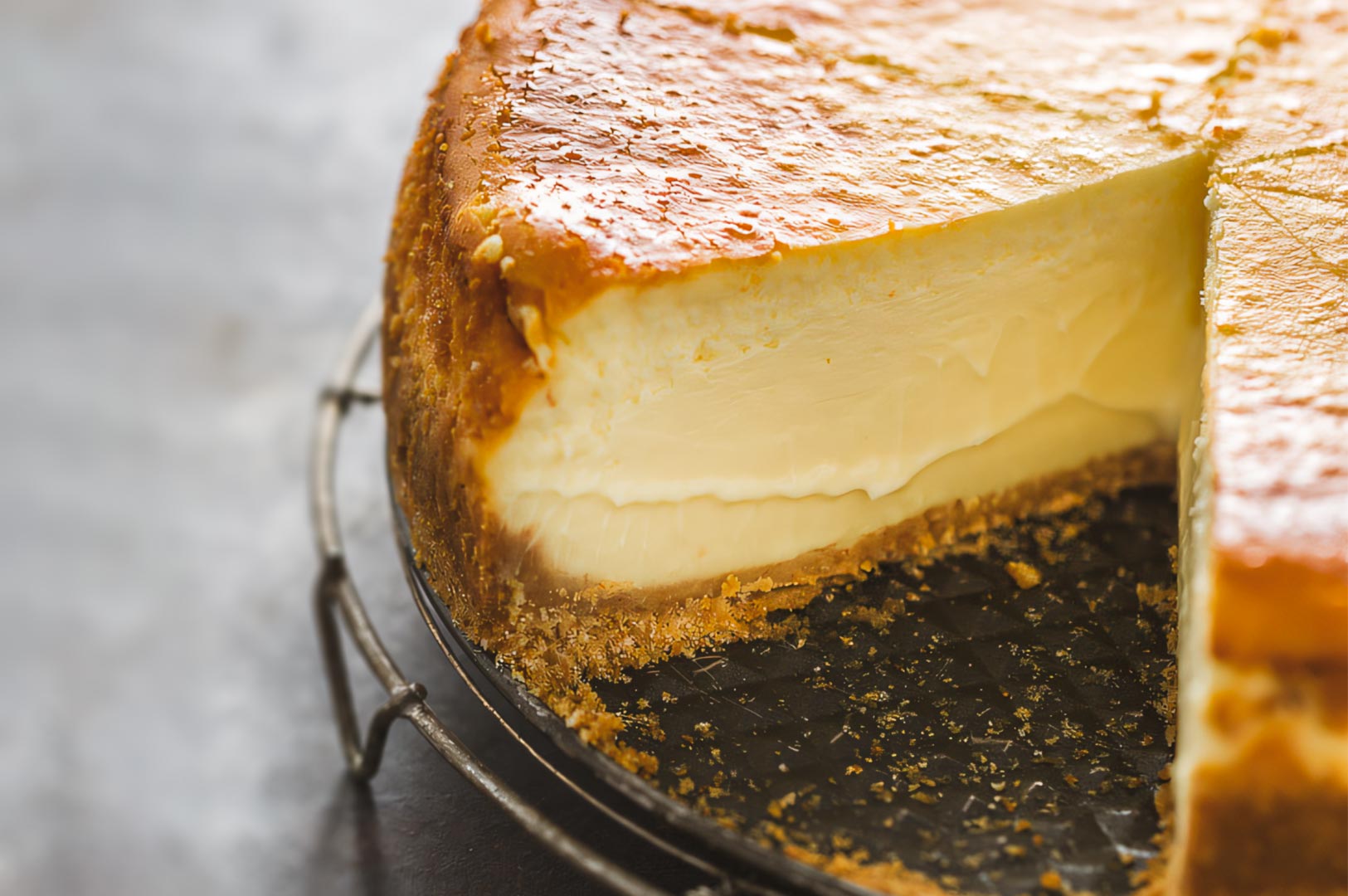
The best cheesecake is never rushed. High heat causes the outer edges to cook faster than the center, leading to an over baked exterior and a raw middle. This disparity in temperature is what causes the surface to crack. A roasting pan filled with hot water creates a humid environment in the conventional oven, ensuring the cheesecake texture remains uniform from the edge to the center.
The steam protects the delicate proteins from the direct, harsh heat of the oven. This method is essential for achieving the same texture across the entire diameter of the cake. It also helps the cheesecake stay moist, preventing the dry, crumbly edges often found in amateur bakes.
Why You Should Let Your Cheesecake Filling Set Slowly
Abrupt temperature changes are catastrophic for the structural stability of the dessert. Once the oven is turned off, propping the oven door open slightly allows the heat to dissipate gradually. This slow descent in temperature prevents the proteins from contracting too quickly, which is the primary cause of surface fissures.
The Final Step: Why We Let the Cheesecake Texture Mature
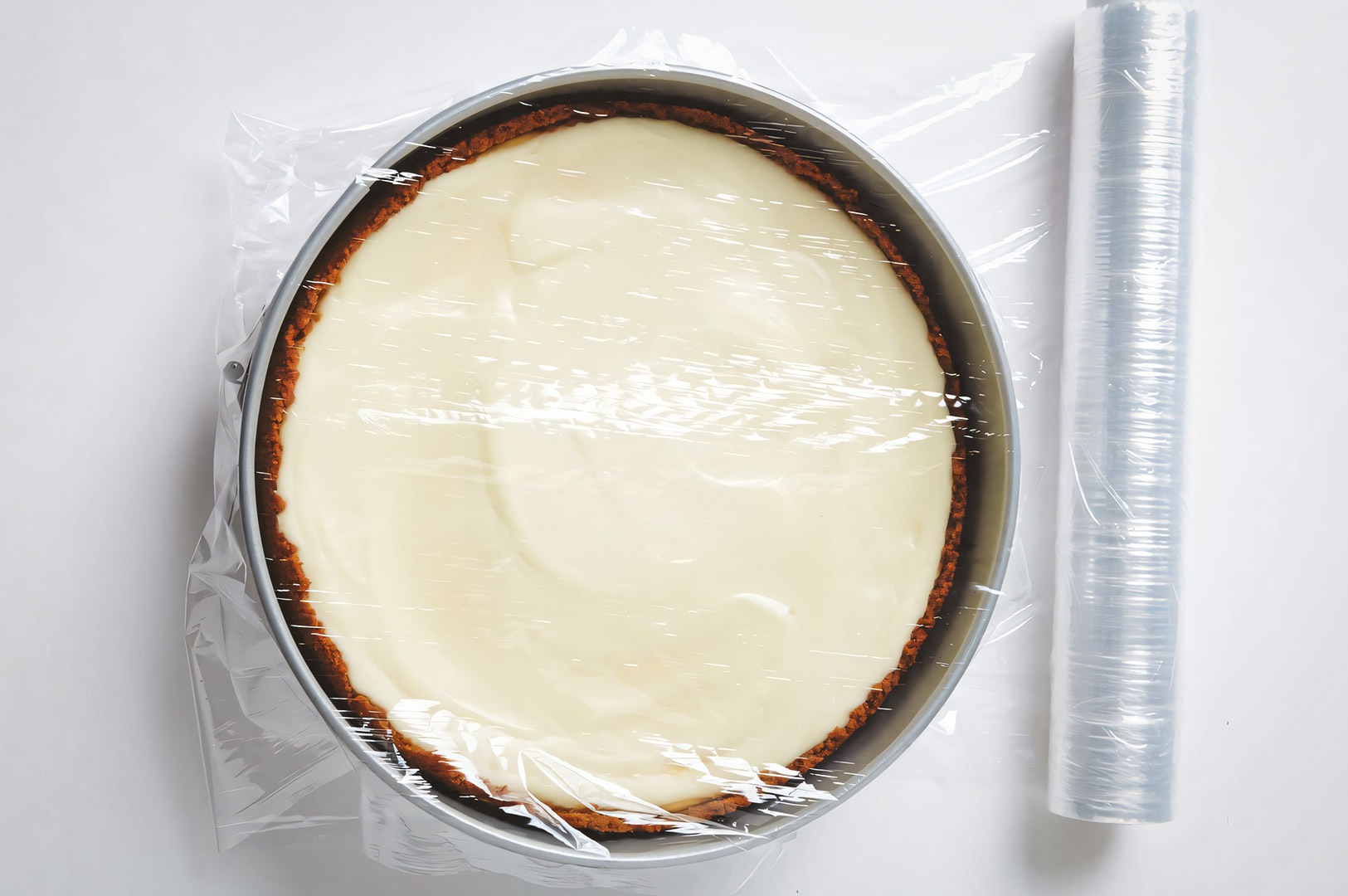
Patience is a technical requirement. A delicious cheesecake cannot be served warm. The lipids and proteins need time to reorganize and solidify. Once the cake reaches room temperature, it should be covered in plastic wrap and moved to the refrigerator overnight.
The refrigerate overnight stage is when the flavor profile matures. The vanilla bean or vanilla extract permeates the fat, and the acidity from lemon juice or sour cream balances the sweetness. If the cake does not refrigerate overnight, it will lack the necessary density to hold its shape when sliced.
How Different Global Styles Compare
The cheesecake texture landscape is broad. A New York cheesecake is known for its heavy, dense, and ultra-creamy profile. In contrast, a Japanese soufflé cheesecake utilizes whipped egg whites to achieve a cloud-like aeration.
Then there is the Basque burnt cheesecake, which eschews the water bath entirely. It relies on high heat to caramelize the exterior while leaving a molten centre. This is a stark contrast to a no-bake cheesecake, which relies on gelatin or refrigeration rather than oven heat for its structure.
Daizu by Ki-setsu offers a different structural approach. By integrating soy, we achieve a lightness as refinement that heavy cream-based cakes often lack. It is a lighter interpretation that respects the appetite while maintaining a balanced finish on the palate.
Solving Common Issues with Your Baked Cheesecake
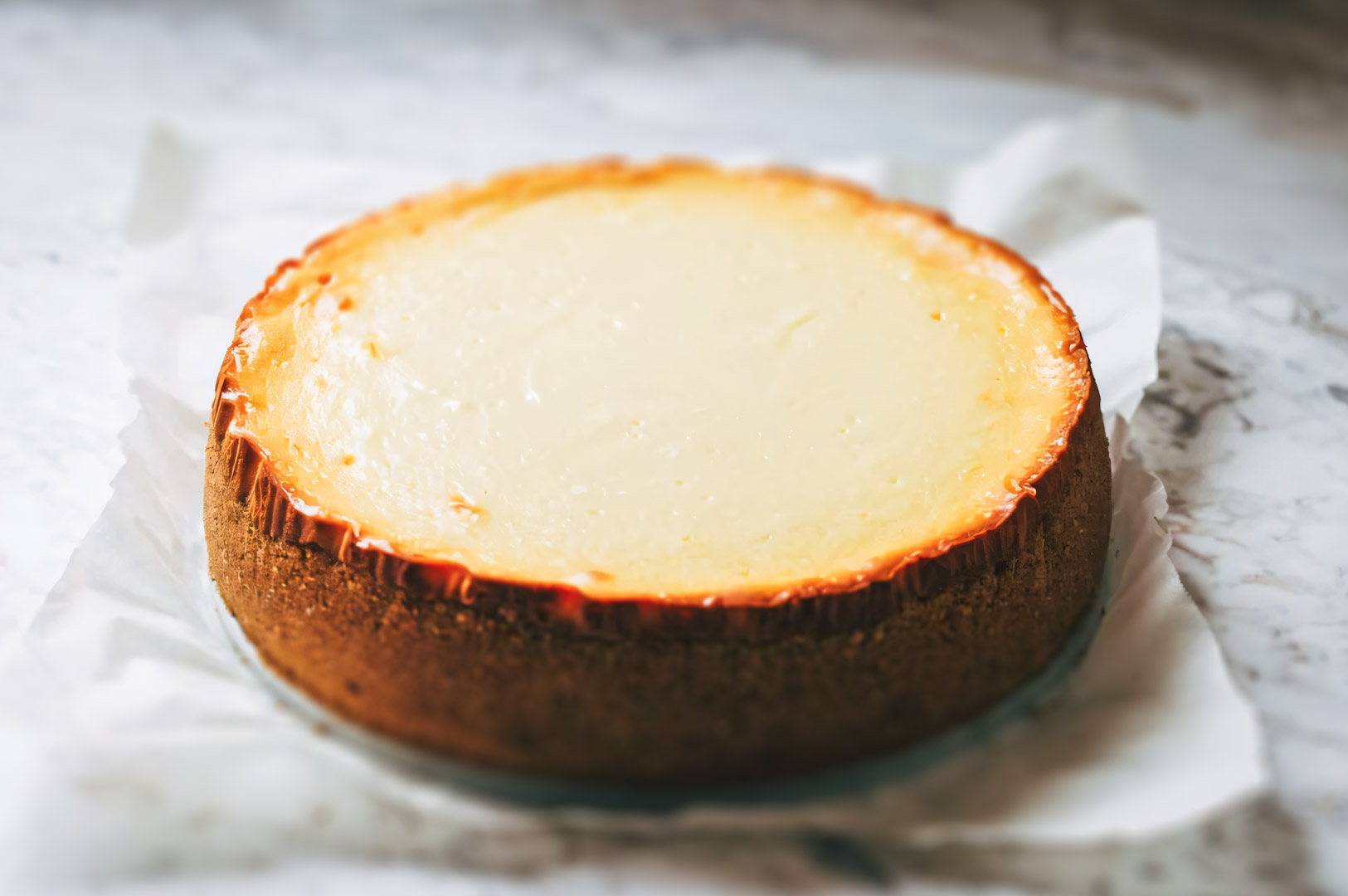
If a cheesecake is crumbly, it is often a sign of being over baked or a lack of sufficient fat. If it is too soft, the baking time was likely insufficient or the cheesecake filling had too much liquid. Achieving the perfect cheesecake texture requires a meticulous approach to measurements. Using a measuring cup for volume is common, but weighing ingredients in grams provides the precision needed for a wonderful recipe.
Air bubbles are often the result of over-beating the cheesecake batter. If you notice bubbles on the surface before baking, gently tapping the prepared pan on the counter can help them rise and pop. This small step ensures the final product is completely smooth and aesthetically professional.
Simple Tips for the Perfect Serving
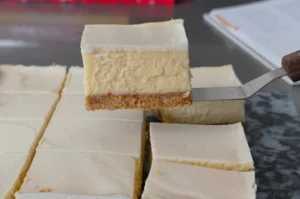
To achieve a clean slice, the knife should be dipped in hot water and wiped dry between every cut. This prevents the creamy cheesecake from sticking to the blade and tearing the delicate structure. Whether served plain or with a refined raspberry sauce, the presentation should reflect the craftsmanship involved in its creation.
For those who wish to store their work, a freezer bag or airtight container can preserve the cake. If frozen, it is best to thaw overnight in the fridge to maintain the exact texture. Rapid thawing can cause the moisture to separate, leading to a grainy mouthfeel.
A Balanced Conclusion for the Discerning Palate
The evolution of the cheesecake reflects a broader shift in culinary values. We are moving away from the “indulgent overload” of the past and toward a more texturally intelligent future. A dessert should be a completion of a meal, not a burden on the digestive system.
By understanding the science of cheesecake texture, from the brick style cream cheese selection to the final refrigerator overnight set, we elevate the dish from a simple sweet to a work of culinary architecture.
At Daizu by Ki-setsu, we view the creation of dessert as a disciplined craft. Our use of soy is not a trend, but a considered choice to provide a structural softener that results in a more balanced finish.