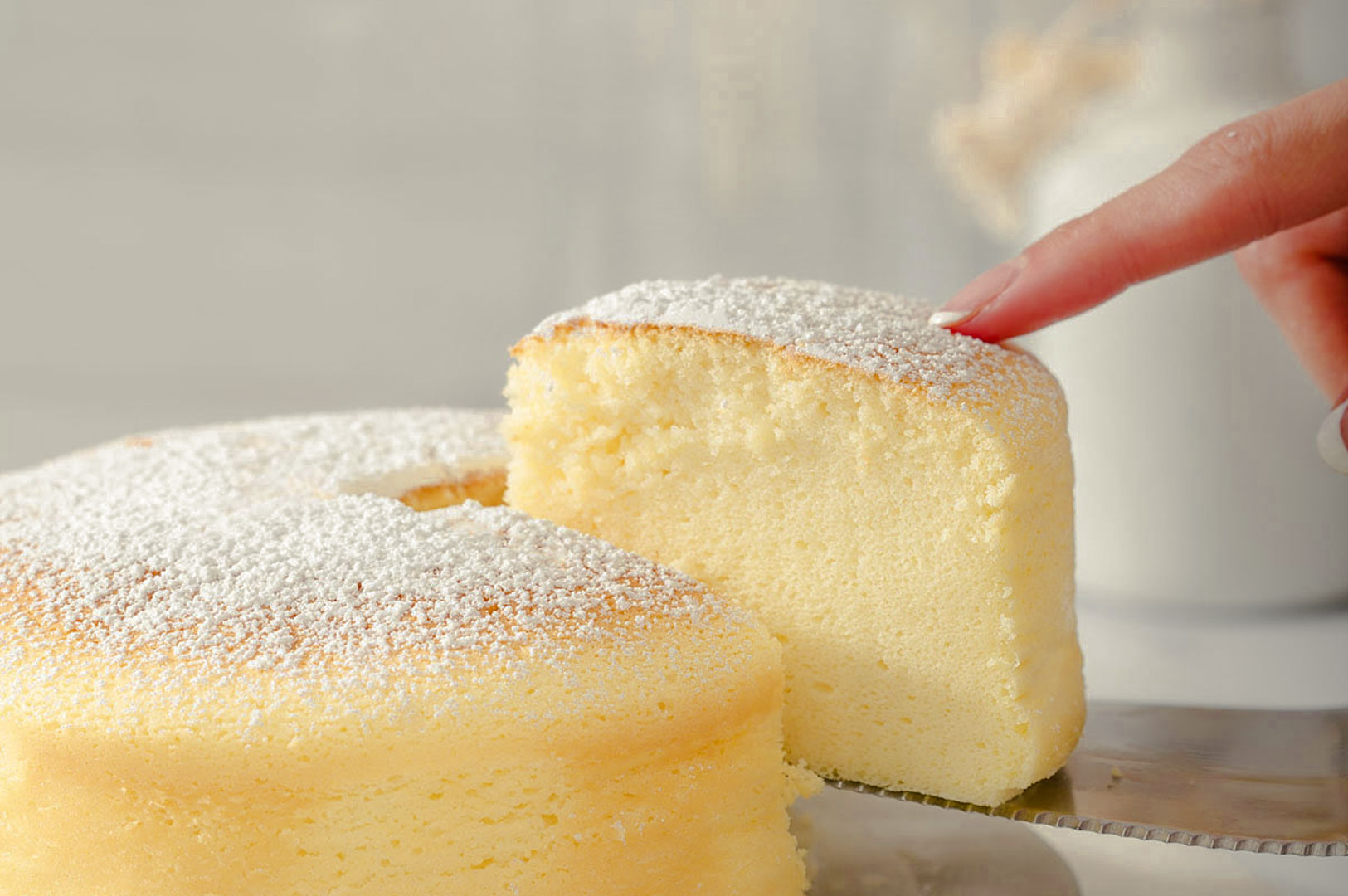
The global landscape of dessert cuisine offers a vast spectrum of textures, ranging from the heavy, unapologetic density of North American styles to the ethereal lift of East Asian varieties. Among these, Japanese cheesecakes stand out as a marvel of culinary finesse. Unlike their Western cousins, which often lean on rich fats and dense textures, the Japanese approach is all about achieving a delicate balance of airiness and lightness.
To truly appreciate how a fluffy Japanese cheesecake manages to hold its shape without collapsing, we need to look closely at how its ingredients interact on a molecular level. This method departs from the traditional cheesecake model that relies heavily on a thick graham cracker crust. Instead, it focuses on creating a light, cloud-like texture within the cheese mixture itself. This pursuit of softness and subtle lift is what defines the beloved Japanese soufflé cheesecake experience.
The Evolution of the Japanese Cheesecake Recipe
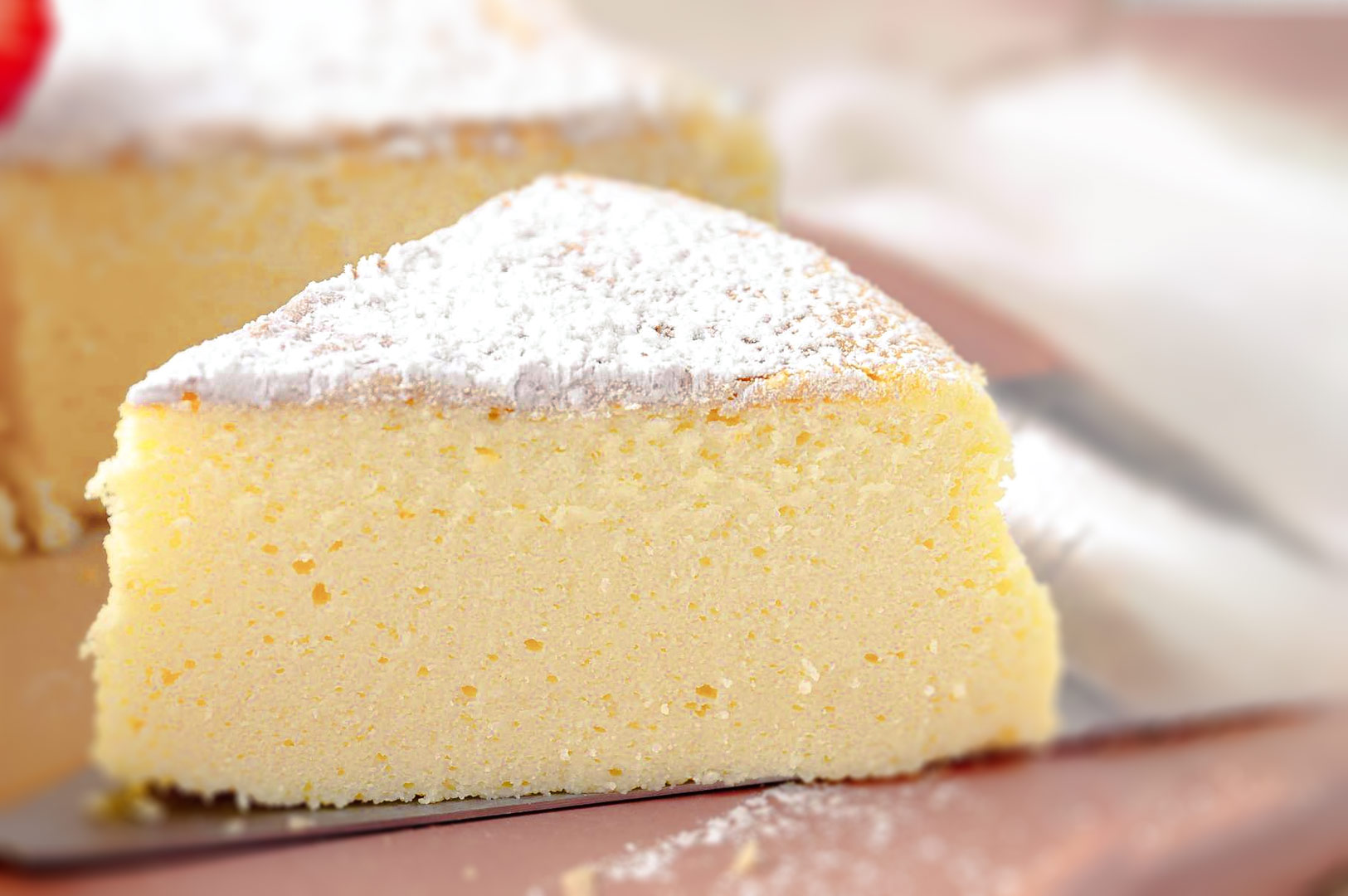
The architectural foundation of a Japanese cheesecake recipe is rooted in the emulsification of fats and the stability of egg proteins. While a standard New York style might utilize high amounts of full fat cream cheese and sour cream to create a thick dense cheesecake, the Japanese variant introduces a higher ratio of liquids and stabilizing starches.
This results in the Japanese jiggly cheesecake often seen in contemporary culinary reviews. The movement of the cake is not merely a visual trait. It is a physical indicator of high moisture retention and a delicate protein network. In a refined alternative like Daizu by Ki-setsu, this lightness is further explored through the inclusion of soy, which acts as a structural softener to achieve a more composed texture.
Selecting the Proper Cream Cheese and Fats
Quality begins with the lipid profile. A professional Japanese cotton cheesecake typically requires brick style cream cheese. This variety is preferred over spreadable versions because it lacks the additional air and stabilizers that can interfere with the cream cheese batter.
The cheese is gently melted with unsalted butter and milk in a large bowl over a bain marie. This indirect heat ensures the fat does not separate. The goal is to create a cream cheese mixture that is smooth and perfectly emulsified before any dry ingredients are introduced.
Master the Foundation of the Cream Cheese Batter
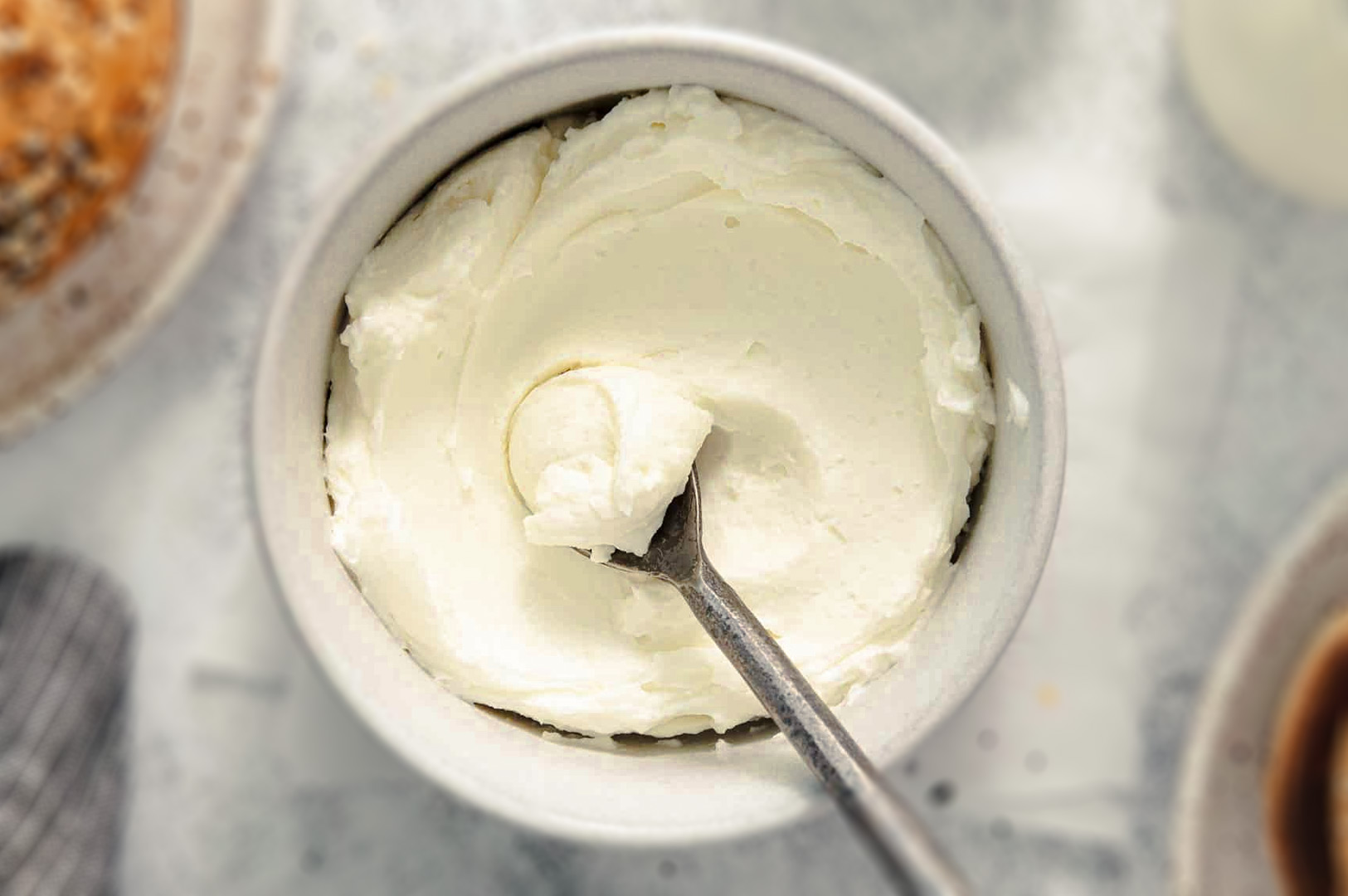
The structural integrity of the cream cheese batter depends on the temperature and order of operations. Ingredients such as egg yolks, vanilla extract, and lemon juice are whisked into the warm cheese. The acidity of the lemon juice serves two purposes: it brightens the flavor profile and slightly denatures the proteins, assisting in a smoother finish on the palate.
A critical divergence from Western recipes is the use of cake flour and corn starch. These low-protein flours reduce gluten development. This ensures the cheesecake filling remains tender rather than bread-like. Sifting these into the mixing bowl prevents clumps, ensuring the final crumb is uniform and refined.
The Role of Temperature and Timing
Using room temperature eggs is a technical requirement. Cold eggs can cause the fat in the cream cheese to seize, leading to a grainy mouthfeel. In some variations, such as a chocolate Japanese cheesecake, the addition of cocoa solids requires even more precise temperature management to maintain the fluidity of the cheesecake batter.
The Importance of Stabilizing Egg Whites for Lift
The defining characteristic of a soufflé cheesecake is the meringue. While the cheese base provides flavor and body, the egg whites provide the altitude. Achieving the correct peak is the most difficult stage of the process.
The egg whites are whipped in a clean large mixing bowl using a stand mixer. Granulated sugar is added gradually to create a stable structure. For a Japanese cheesecake, the meringue should reach soft-to-medium peaks. Stiff peaks are too brittle and will cause the cake to crack during the expansion phase in the oven.
Folding Techniques for Structural Integrity
Integrating the meringue into the cheese mixture requires a disciplined hand. Using a spatula, one must fold the two components together until they are just combined. Over-mixing deflates the air bubbles, resulting in a flat, rubbery cake. Proper execution ensures the best Japanese cheesecake has a consistent, aerated internal geometry.
Preparing the Cake Pan for Even Expansion
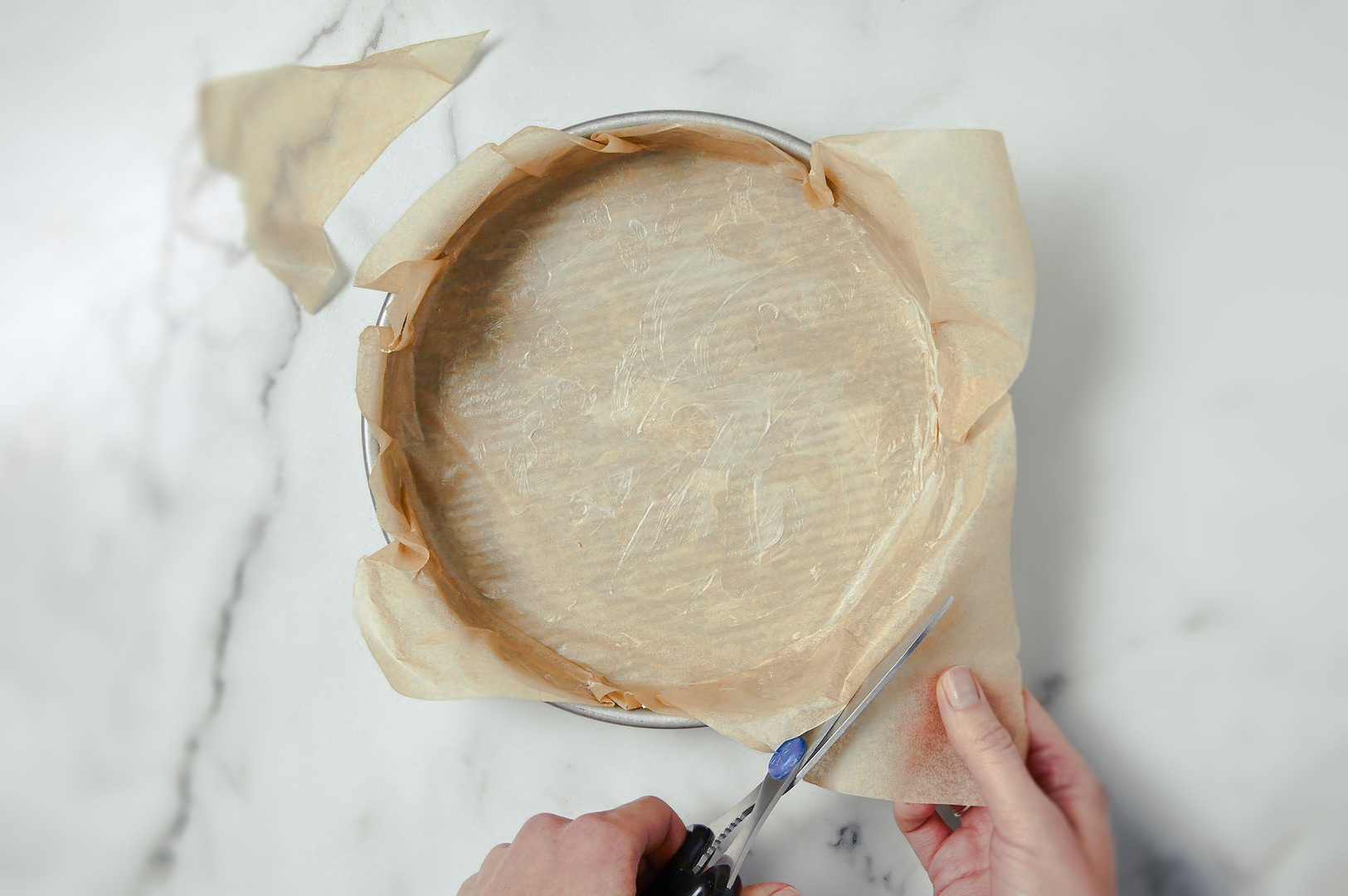
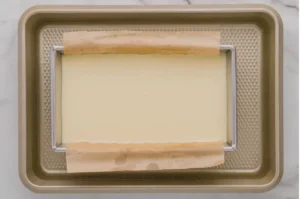
Unlike a traditional cake that might use a springform pan, a Japanese cheesecake is often baked in a solid round cake pan or cake tin. This prevents the risk of water seepage from the water bath. The prepared cake pan must be lined with parchment paper that extends above the rim of the cake pan.
This height allows the cake to rise vertically without spilling over the edges. Some chefs choose to lightly spray the paper or use a light coating of melted butter to ensure the cake can climb the sides of the pan effectively.
Managing the Water Bath and Heat
The use of a water bath is non-negotiable. The baking pan containing the batter is placed inside a larger baking sheet or roasting pan filled with hot water. This creates a humid environment and buffers the heat, ensuring the oven temperature does not rise too sharply.
Monitoring the Bake Until It Reaches Golden Brown
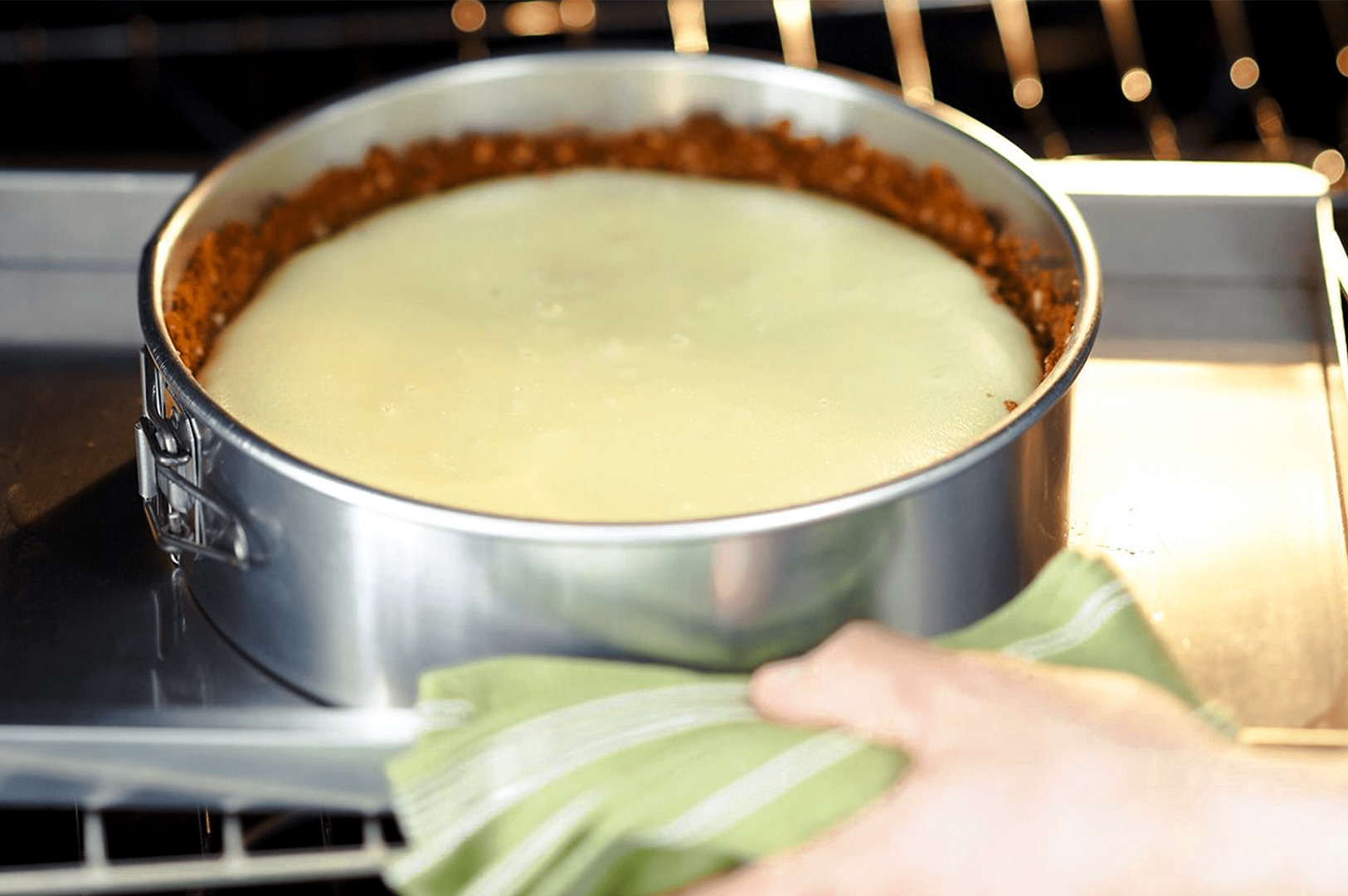
The baking process is a slow transition. The oven rack should be positioned in the lower third to prevent the top from browning too quickly. As the cake rises, the surface will eventually turn a soft golden brown.
Precision in oven temperature is vital. If the heat is too high, the surface will expand faster than the base, causing deep cracks. If the heat is too low, the cake will not achieve its signature height and the texture will remain overly damp.
The Role of the Oven Door in Texture Control
A common mistake is opening the oven door too early. The sudden influx of cool air can cause the delicate protein structure to collapse. Professional cheesecake recipes often suggest keeping the oven door slightly ajar at the end of the baking cycle.
Allowing the oven door slightly open lets the heat dissipate gradually. This prevents the “shock” of room temperature, which helps the perfect cheesecake retain its volume as it begins to cool.
Cooling and Setting for the Best Cheesecake Recipe
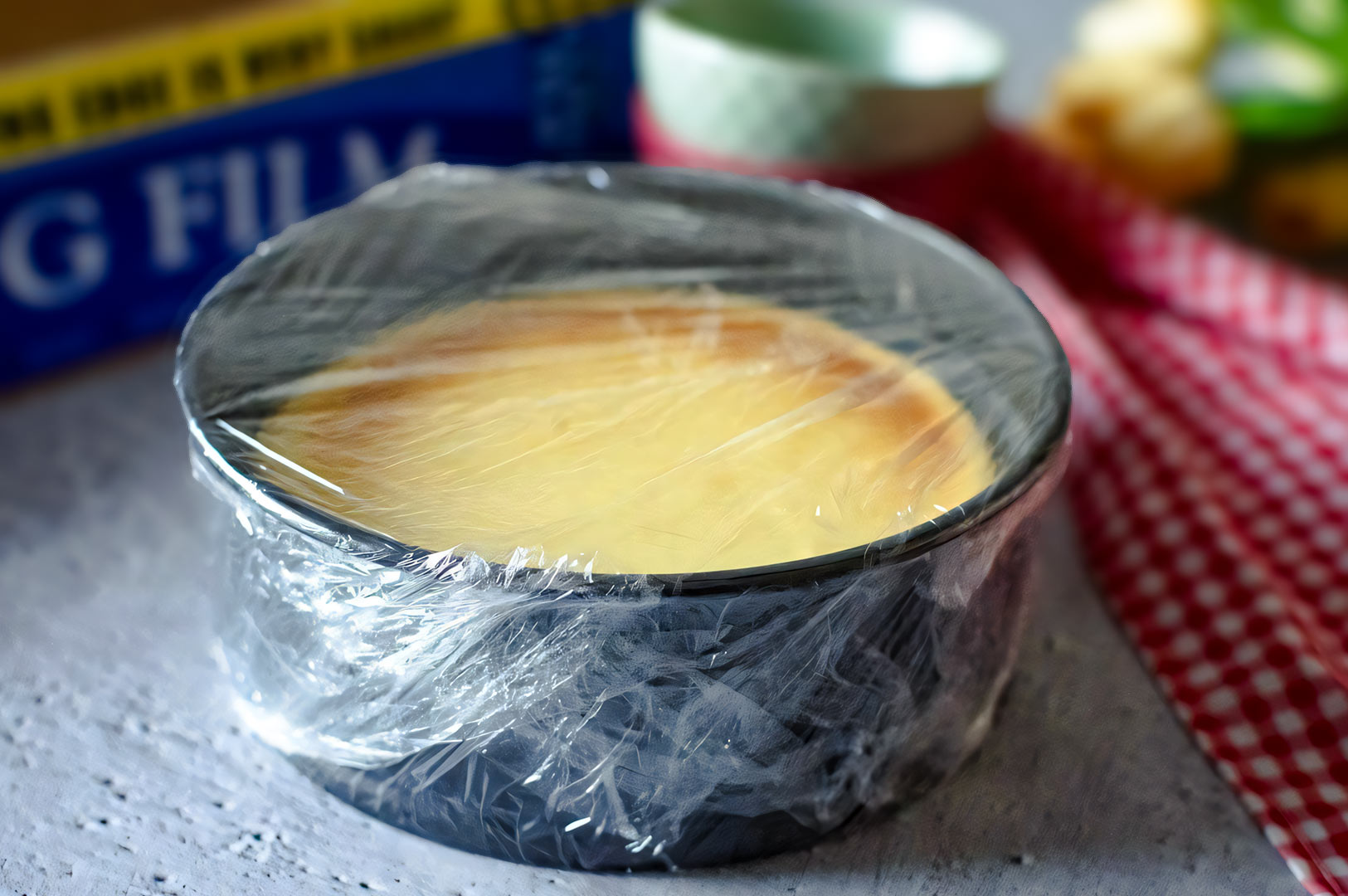
Once the cheesecake cools, it will naturally retract from the sides of the cake tin. It should not be removed immediately. The cake needs to reach room temperature slowly. This stage is where the textural consistency is finalized.
For the best cheesecake recipe, the cake should be moved to the refrigerator to set. Covering the pan with plastic wrap prevents the surface from drying out. A Japanese-style cheesecake is best enjoyed after it has rested for several hours, allowing the flavors of the cream cheese and vanilla bean to fully integrate.
Serving and Presentation Standards
When ready to serve, the cake is inverted onto a serving plate. The parchment paper is removed with care to avoid tearing the delicate skin. A dusting of powdered sugar is traditional, though some prefer a minimalist presentation to showcase the golden brown surface.
In some specialized cafes, fresh whipped cream or a light dusting of matcha powder is provided on the side. However, a well-structured cake should be able to stand on its own merit, providing a balanced finish that does not require excessive topping.
Comparative Analysis of Global Textures
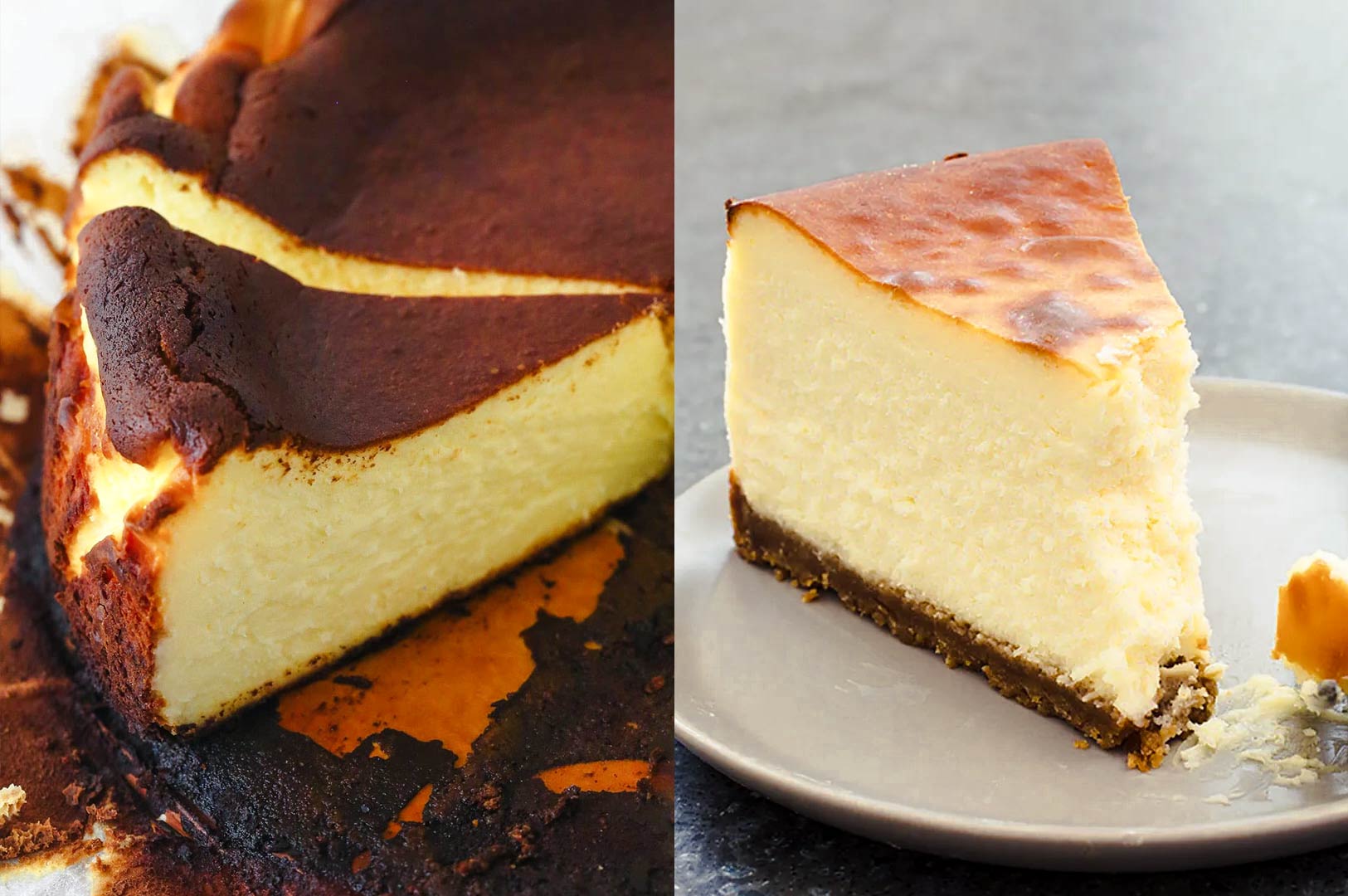
When we compare Japanese cheesecakes to other styles, the differences in palate weight are striking. The Basque burnt cheesecake, for instance, focuses on the caramelization of the exterior and a molten centre. It is a high-heat, high-fat creation that sits at the opposite end of the spectrum from the soufflé cheesecake.
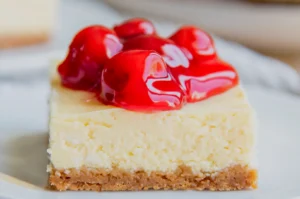
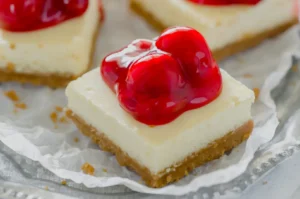
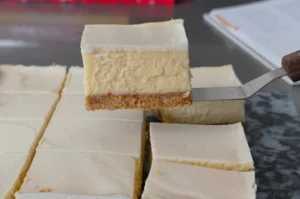
The New York style relies on a graham cracker crust made from graham cracker crumbs and melted butter. It is designed for maximum indulgence. Conversely, the Japanese style is designed for lightness as refinement. It is a dessert that respects appetite, serving as a graceful completion of a meal rather than a heavy finale.
Why Soy is a Considered Alternative
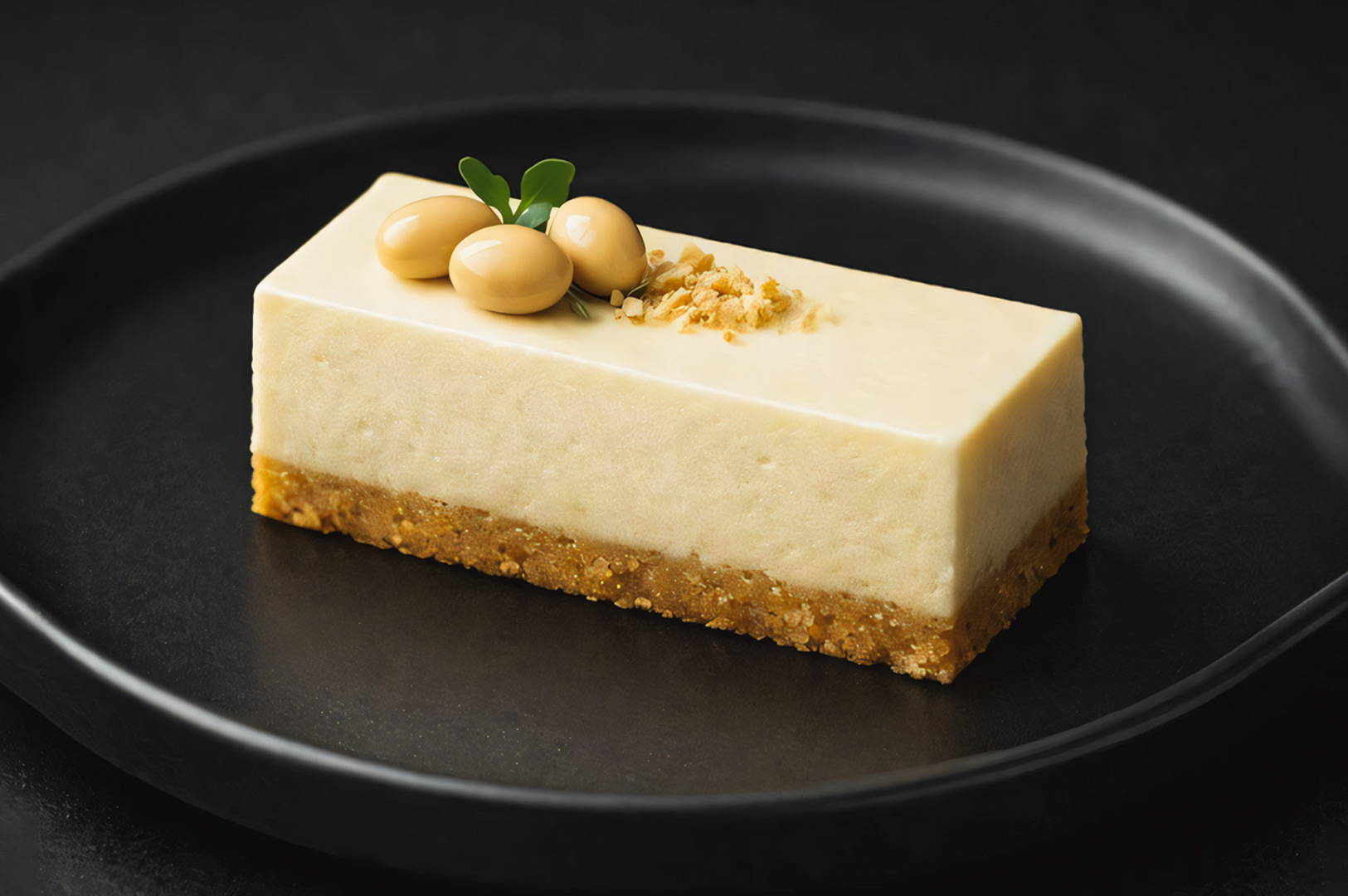
In the context of Japanese dessert craftsmanship, the introduction of soy provides a different structural approach. At Daizu by Ki-setsu, we recognize that while dairy provides a familiar richness, soy offers a structural softener that enhances the mouthfeel.
Troubleshooting Your Cheesecake Filling
If the cake collapses, it is often due to the egg whites being under-whipped or the oven door being opened prematurely. If the texture is too dense cheesecake, the fold was likely too aggressive, or the mixer speed was too high when preparing the cream cheese mixture.
Maintaining a perfect cheesecake requires a disciplined adherence to the recipe card. Small details, such as the quality of the aluminum foil used to wrap the pan or the exactness of the corn starch measurement, can significantly alter the final nutrition serving and texture.
Longevity and Storage
While best enjoyed fresh, you can freeze cheesecake if it is wrapped tightly in aluminum foil and stored in an airtight container. To serve, it should be allowed to thaw slowly in the refrigerator to maintain its exact texture. However, the delicate nature of the soufflé cheesecake means that its peak mouthfeel is most evident within the first 24 hours of baking.
The Future of the Japanese Soy Cheesecake
The popularity of Japanese cheesecakes signals a shift toward subtle, technical desserts. As diners become more sophisticated, the demand for textural intelligence grows. We no longer seek just sweetness; we seek a well-structured experience that values the quality of the cream cheese batter and the precision of the bake.
At Daizu by Ki-setsu, we see our role as more than makers of cake. We are architects of texture. Our best cheesecake in Singapore is a testament to this belief. By blending the tradition of the Japanese cheesecake with our own refined soy-based methods, we offer a refined alternative to the standard dairy-heavy model.
We believe that lightness as refinement is the ultimate goal of pastry. Our process is quiet, disciplined, and informed by a deep respect for ingredients.