There is a particular kind of morning where someone stands between the kettle and the espresso machine, genuinely unsure which one to reach for. Not because either choice is wrong. Just because the mood hasn’t decided yet.
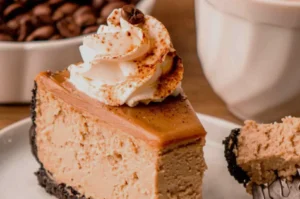
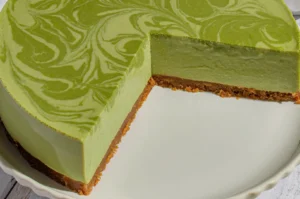
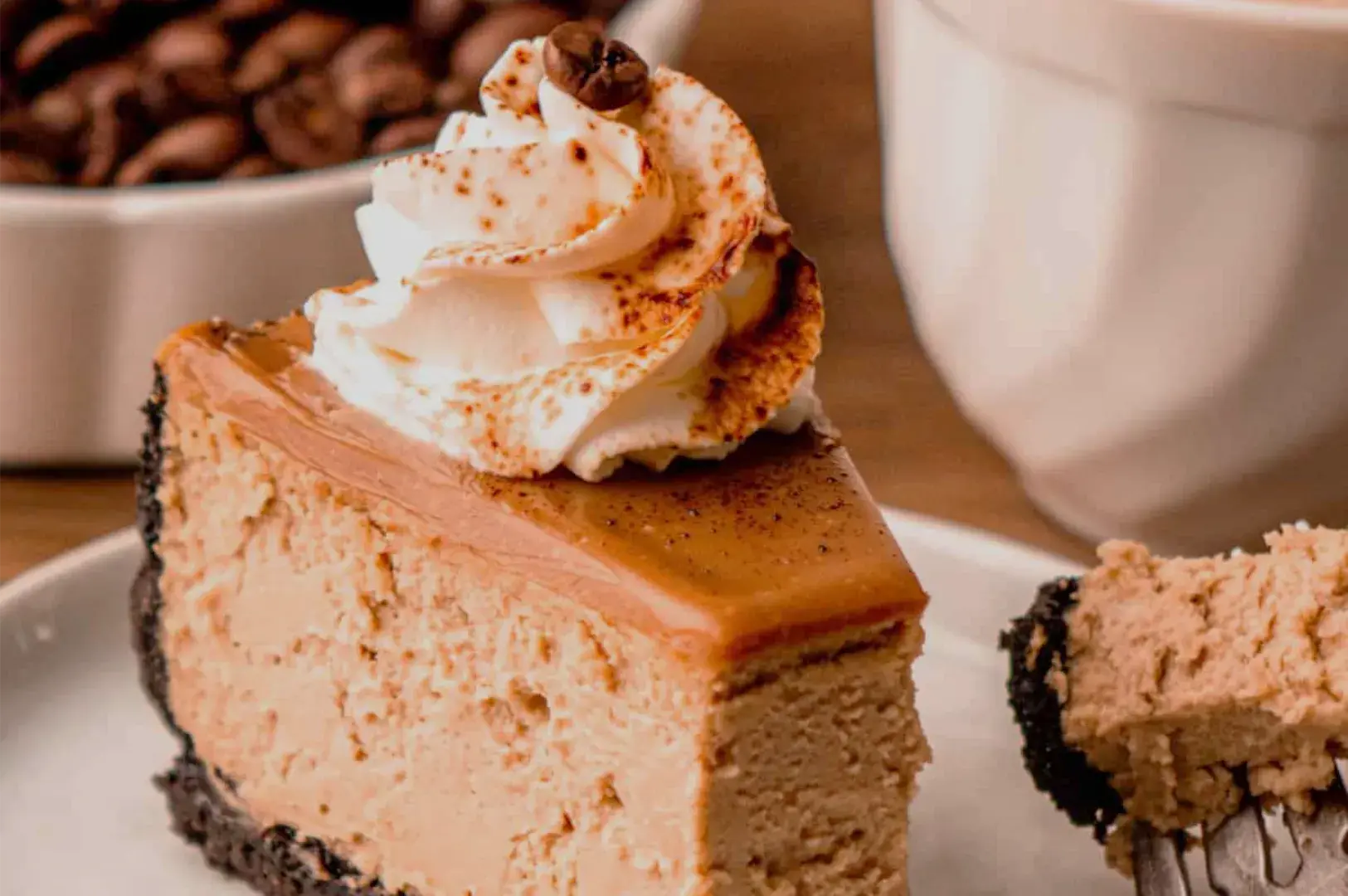
That hesitation is basically the whole matcha vs coffee pairing conversation in miniature. Two drinks, both loved, both capable of starting a day properly, and neither one actually needs to win. Most people treat it like a rivalry when it’s closer to a rotation, the same way a slice of cheesecake in Singapore rarely gets ordered without someone debating what to drink alongside it.
A Cup of Coffee and a Bowl of Matcha Green Tea Are Not the Same Ritual
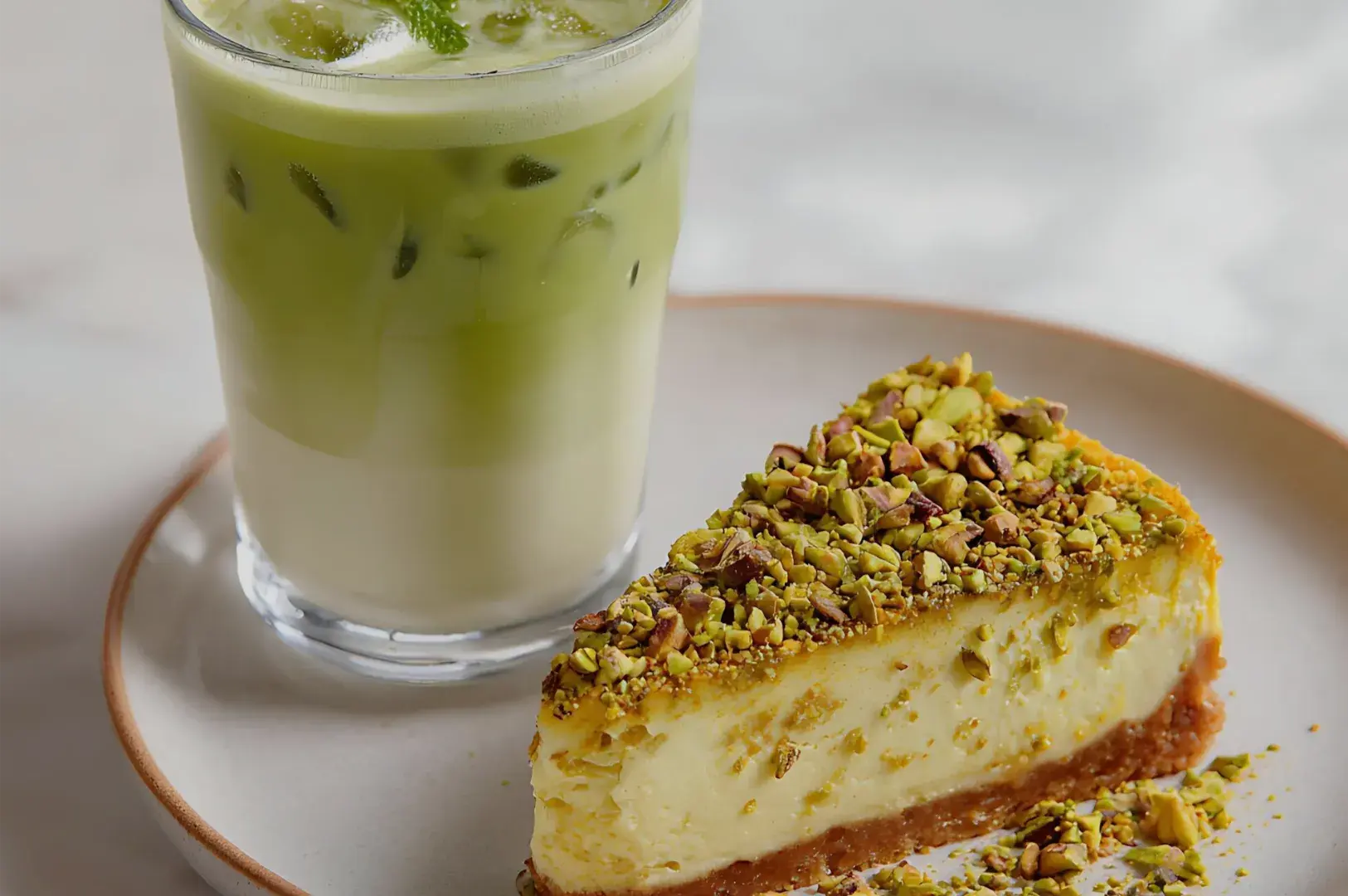
A cup of coffee starts with beans that have been roasted, ground, and forced through hot water under pressure or gravity. Something gets extracted, and what’s left behind in the filter or the puck is not meant to be consumed.
Matcha green tea works differently. The tea leaves are shade grown, stemmed, deveined, and stone ground into a fine matcha powder. When that powder goes into the bowl, the whole leaf goes with it. Nothing gets left behind and discarded.
That single difference explains a lot of what follows, from the nutritional profile to the way each drink sits in the body.
Caffeine Content, L Theanine, and the Difference in the Buzz
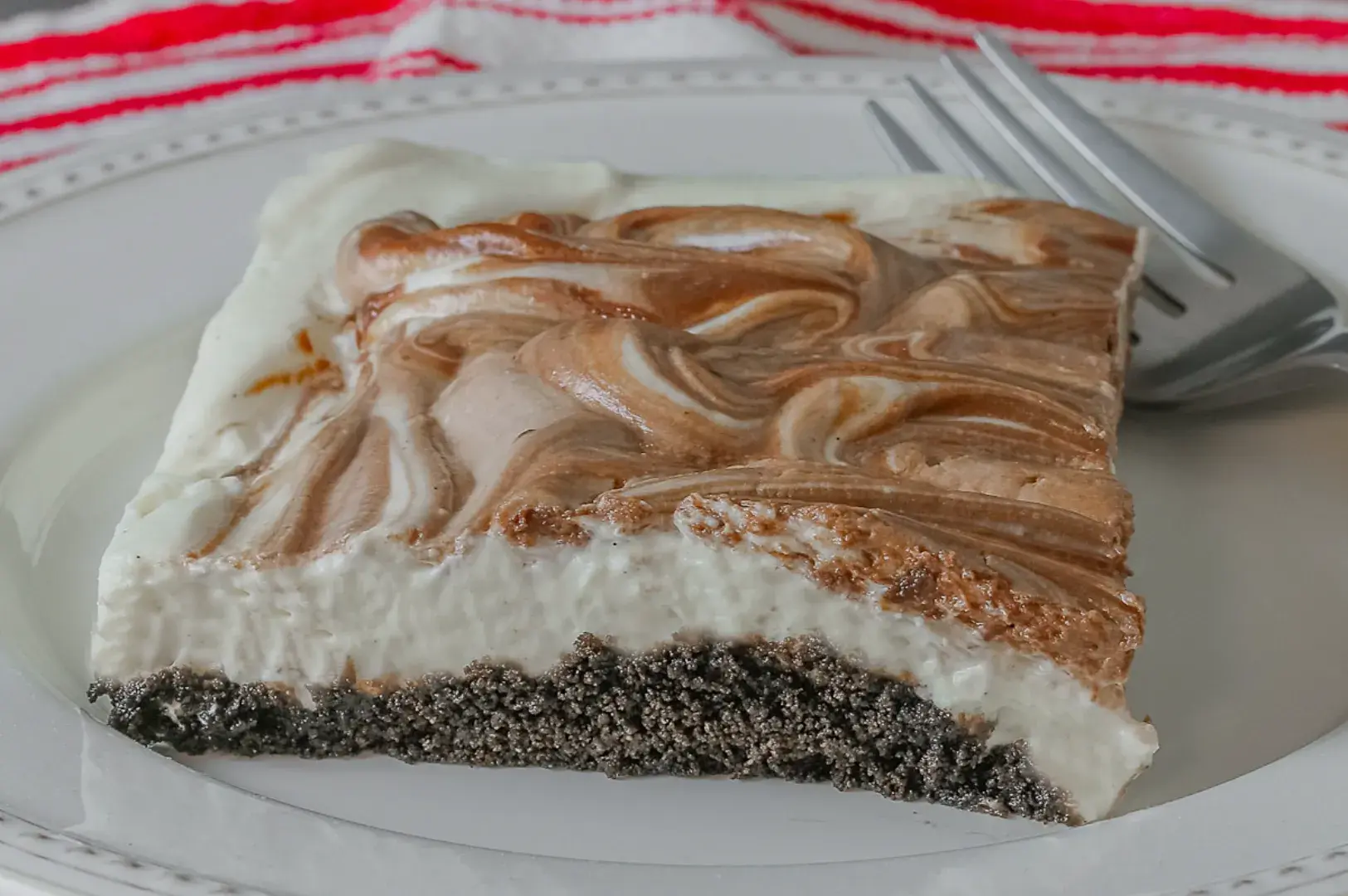
On paper, the caffeine content in a typical cup of coffee is higher than what’s in a bowl of matcha. Brewed coffee generally lands somewhere between 80 and 100 milligrams per cup, while matcha sits lower, closer to 40 to 70 milligrams depending on how it’s prepared.
The gap in how each one feels is bigger than the numbers suggest, though. Matcha carries a naturally occurring amino acid called amino acid l theanine, and this is where things get interesting. L theanine slows the rate at which caffeine hits the system, which is why matcha energy tends to arrive gradually instead of all at once.
What Drinking Coffee Actually Feels Like
Drinking coffee tends to be immediate. The first cup often comes with a noticeable lift within twenty to thirty minutes, a kind of alertness that announces itself. For a lot of coffee drinkers, that’s exactly the appeal.
The trade-off is the crash that can follow a few hours later, plus the caffeine high that sometimes tips into jitteriness and anxiety if the cup was strong or the stomach was empty.
What Drinking Matcha Actually Feels Like
Drinking matcha is a slower unfold. The l theanine and caffeine arrive together, which produces something closer to calm alertness than a sudden spike. There’s less of a crash on the back end, and less of the edge that sometimes comes with a strong espresso.
It doesn’t mean matcha is weaker. It means the same amount of energy gets released over a longer stretch, providing a more caffeine balanced energy boost.
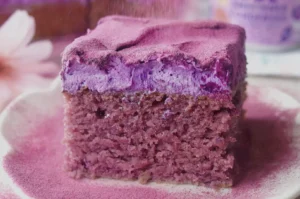
Read: Matcha, Soy, Ube, Yuzu: The Flavour Wars for Best Cheesecake in Singapore
The Health Benefits Worth Knowing Before Picking a Camp
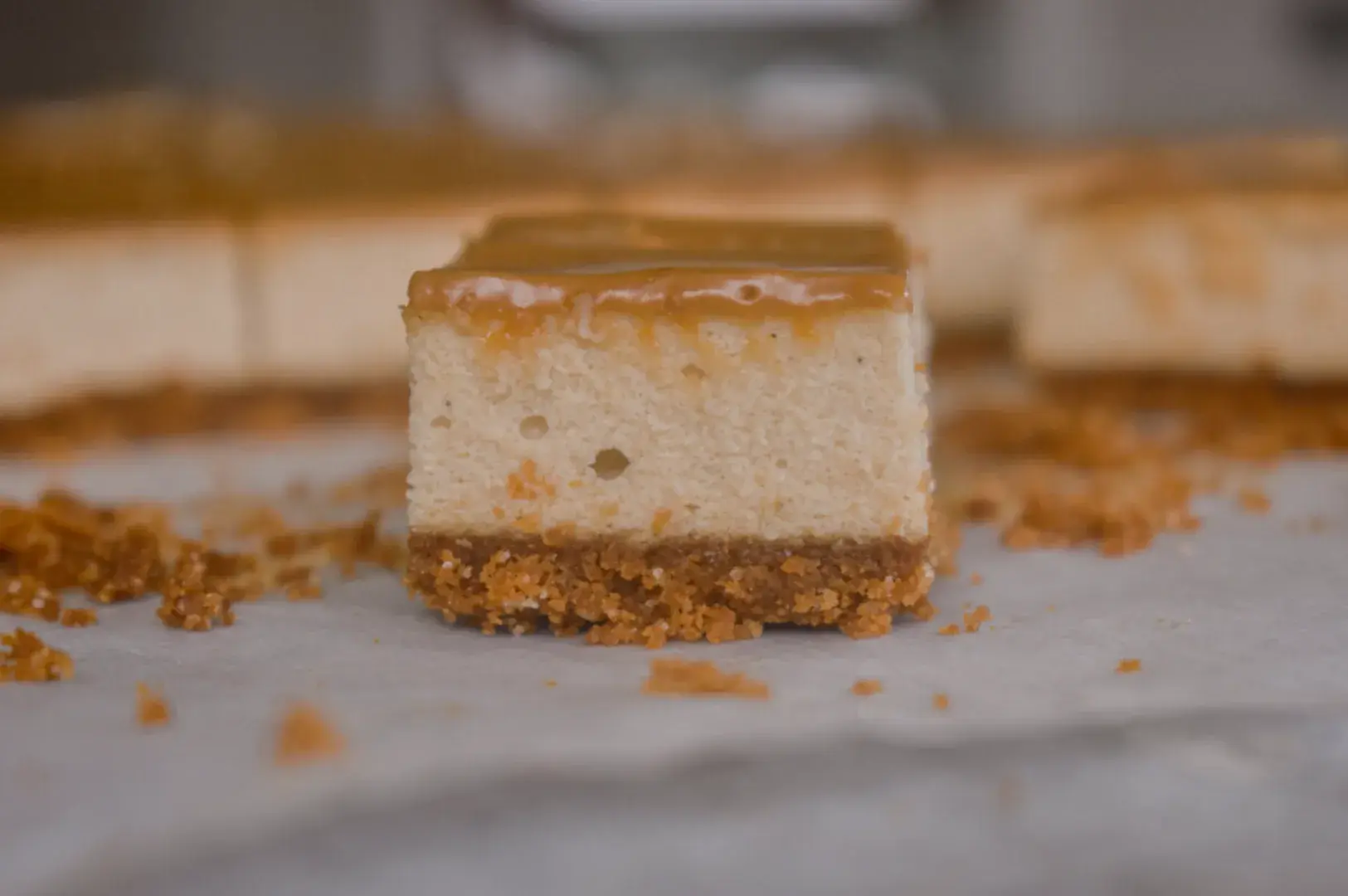
Both beverages have genuine matcha benefits, and neither needs the other’s reputation to stand on. Traditional green tea, matcha included, is rich in polyphenols and antioxidants that have been linked to lower inflammation and better metabolic markers over time. Some studies point to modest support for weight loss when matcha replaces sugary drinks in a daily routine, though it’s not a shortcut on its own.
Coffee has its own file of research behind it. Regular, moderate coffee habit has been associated with a lower risk of certain conditions, along with cognitive benefits tied to its caffeine content. The antioxidants in brewed coffee are also more significant than most people assume.
Neither drink needs to be a healthier alternative to the other. They’re just different tools doing different jobs.
Cold Brew, Lattes, and What Happens When Coffee and Matcha End Up on the Same Menu
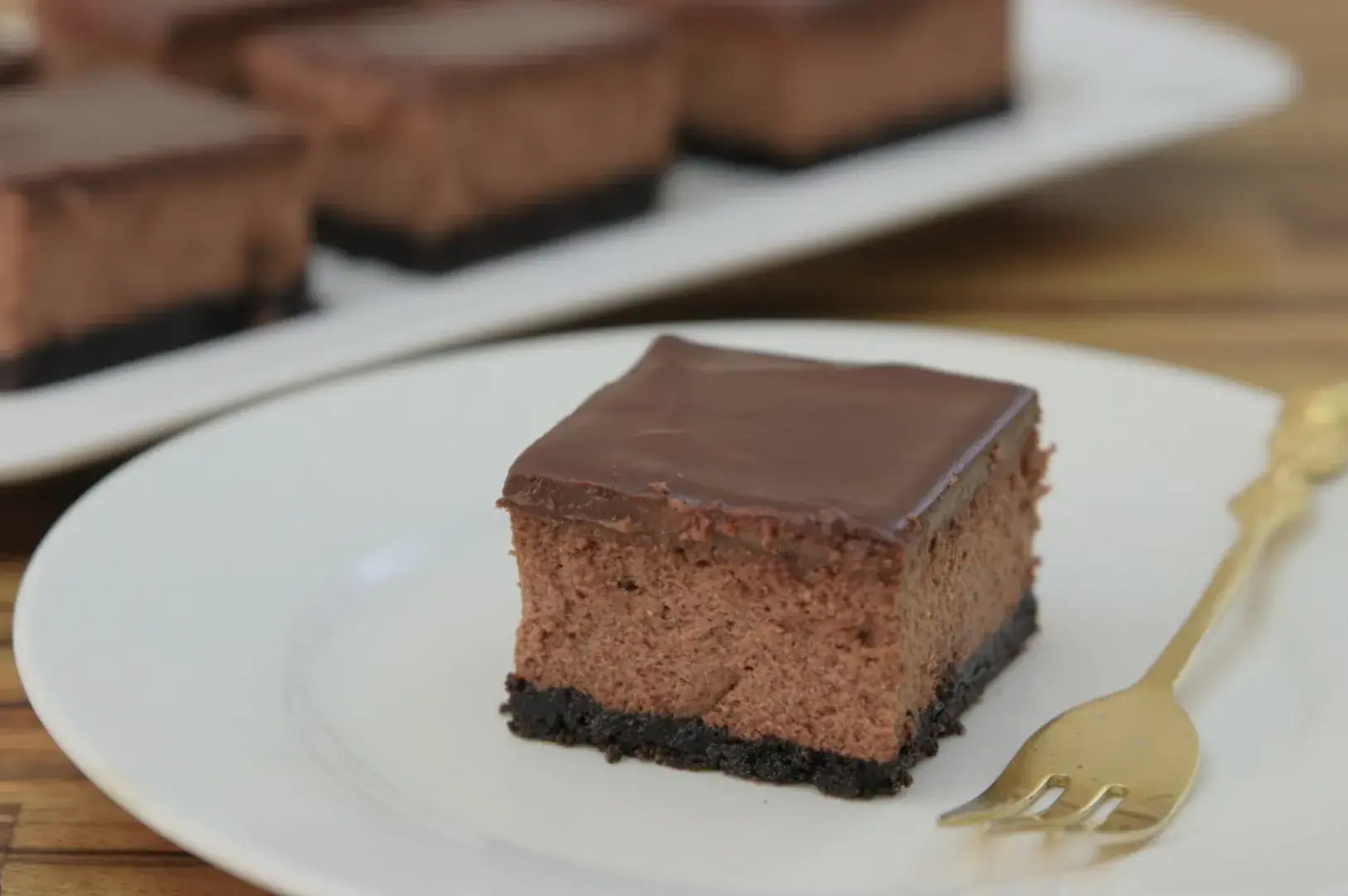
Specialty coffee shops have quietly settled this debate by refusing to pick a side. Walk into most of them now and matcha lattes sit right next to the cold brew on the menu, both finished with the same splash of oat milk.
This is coffee and matcha sharing space rather than competing for it. A matcha latte in the afternoon, a black tea or black coffee in the morning, cold brew on a hot day. The two beverages have found a rhythm together that the “versus” framing never really accounted for.
There’s also something to be said for how each one shows up outside the cup. Matcha has roots in a meditation practice, a slower ceremony built around presence. Coffee has its own ritual, more brisk, more habitual, but no less considered.
What Actually Tastes Good Next to a Cup of Matcha or Coffee
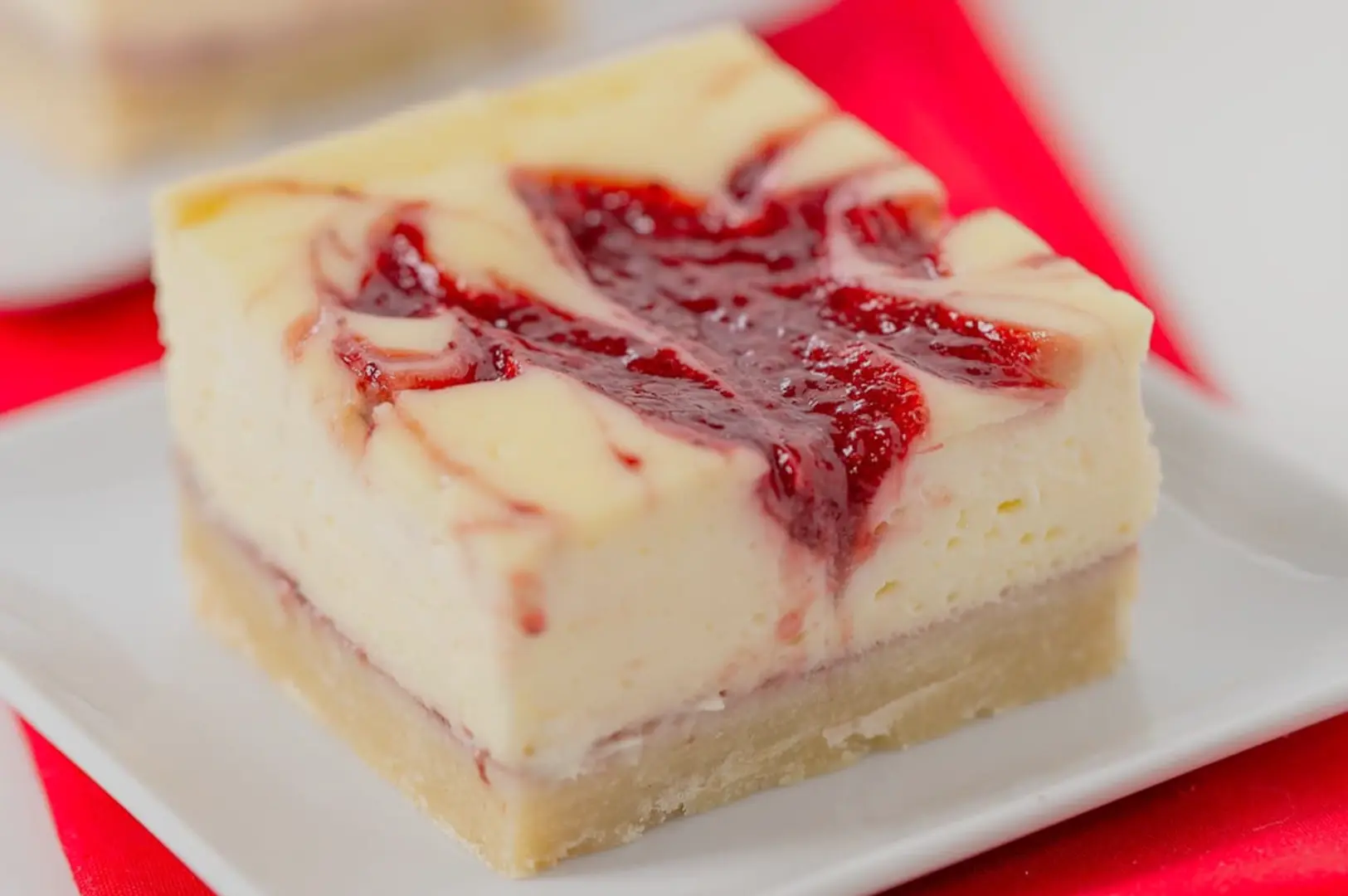
Matcha taste and coffee taste don’t behave the same way on a plate, which is half the fun of pairing either one with dessert. Matcha carries a grassy, slightly vegetal bitterness that plays well against anything sweet and creamy, since the drink cuts through richness instead of adding to it. Coffee does something closer to the opposite, deepening flavours like chocolate, caramel, or toasted nuts rather than contrasting them.
That’s why a bakery case usually has an answer for both camps. A dense, buttery dessert tends to lean toward coffee, something that can stand up to its bitterness and roast. A lighter, more delicate dessert usually does better next to matcha, which won’t compete with subtle flavour the way a strong espresso can.
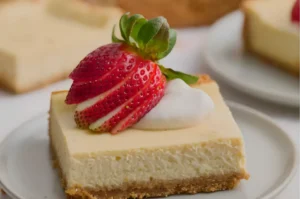
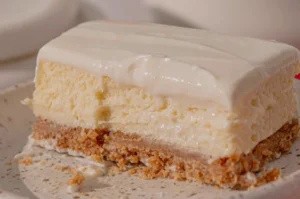
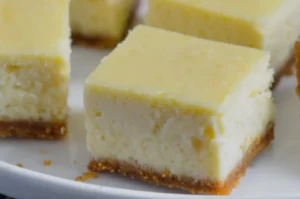
Cheesecake happens to sit right in the middle of that split, mild enough to flatter matcha, rich enough to hold its own against coffee. Not every dessert gets to play both sides of the table.
Choose Coffee, Choose Matcha, or Just Stop Choosing
The honest answer to the matcha vs coffee pairing question is that it was never really a competition to begin with. Choose coffee on the mornings that call for urgency. Reach for matcha on the ones that don’t. The body, and the mood, usually already know which one is needed.
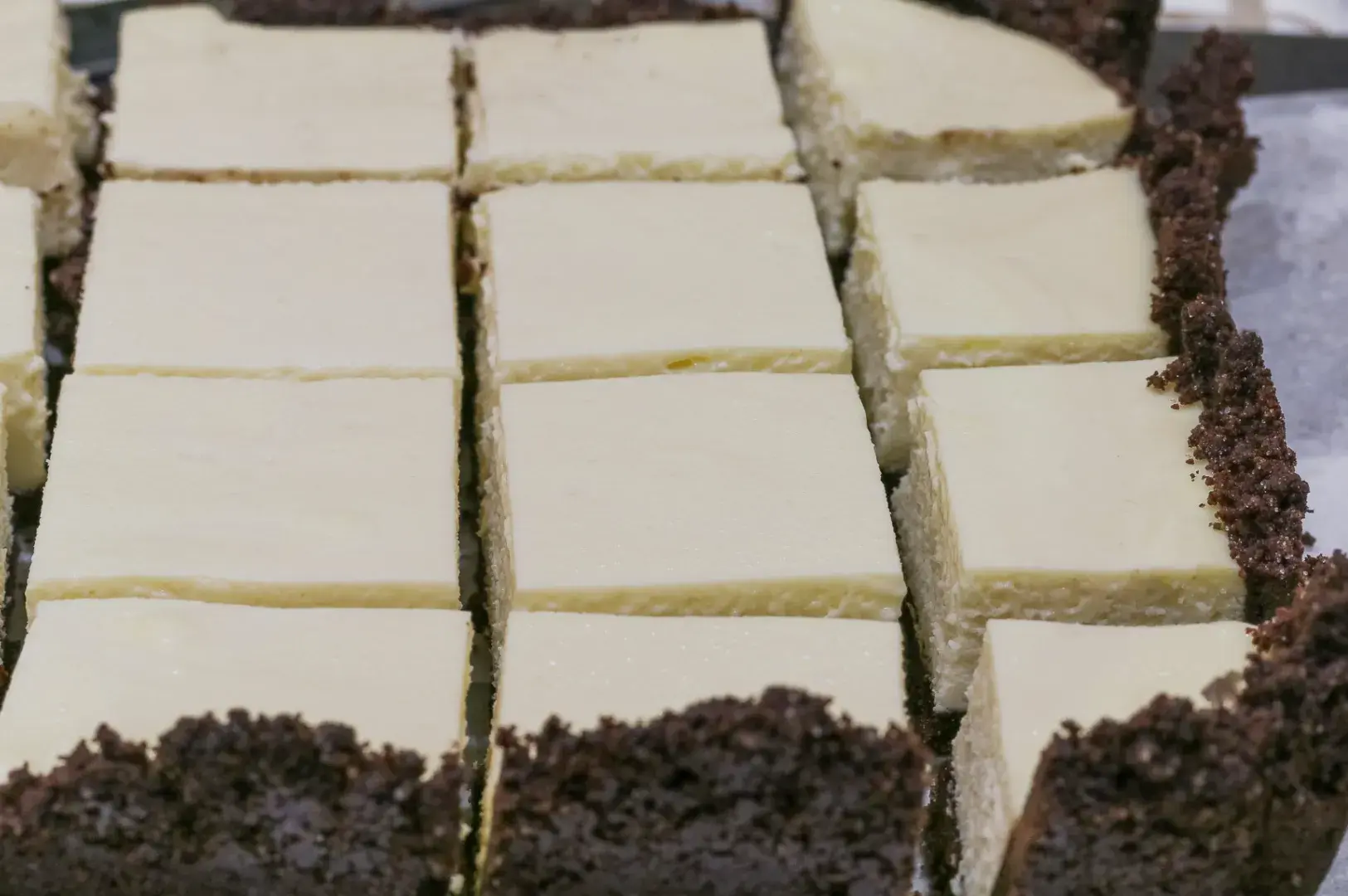
For those who’d rather taste the difference than read about it, the soy cheesecakes from Daizu by Ki-setsu make an easy pairing partner for either drink, the mellow, slightly nutty flavour of the soy base holding its own against both a sharp espresso and a whisked bowl of matcha without either one overpowering the other.
This game changer pairing lets people enjoy matcha and coffee the same way, each sip a reminder that staying alert can come in many forms. That balance carries over to the plate too, where either drink tends to taste even better alongside a slice of soy cheesecake.