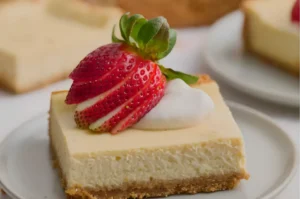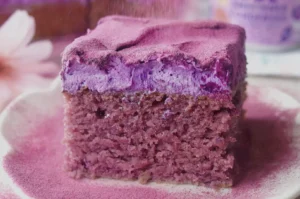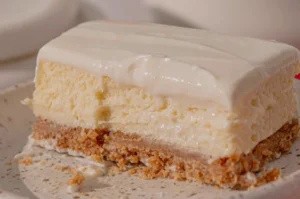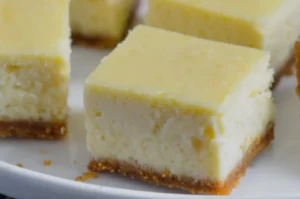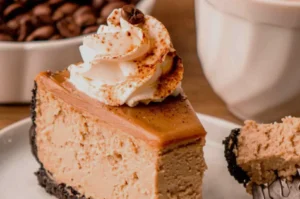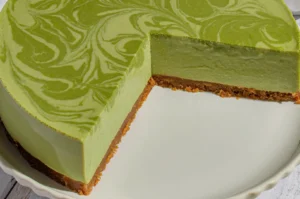
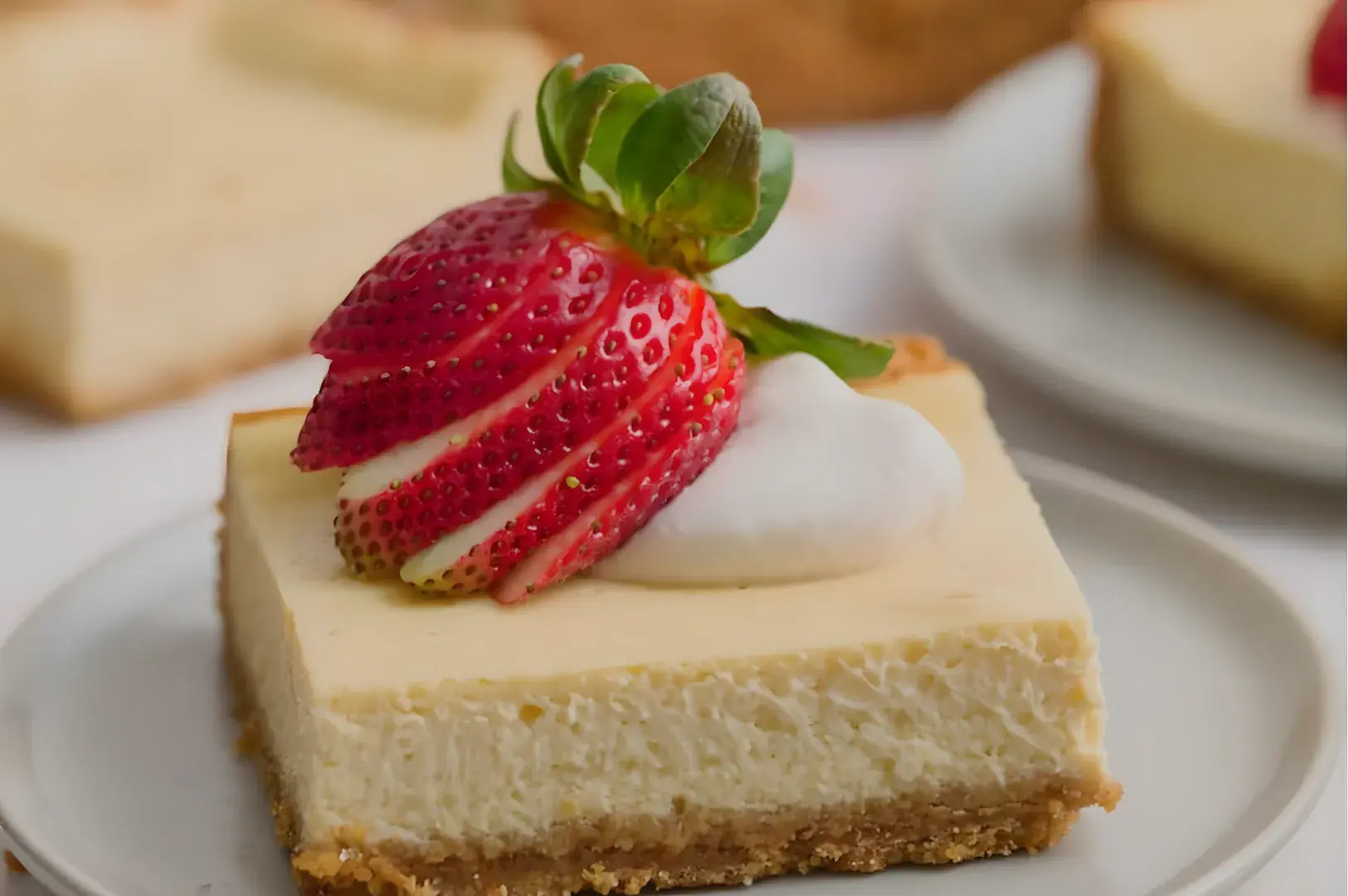
There’s always a table at a dessert spread where the pistachio tart gets photographed first, the burnt basque slice gets the most comments, and the matcha version disappears fastest because everyone wants to seem adventurous. And then, quietly, the strawberry cheesecake gets finished before anything else does. Nobody announces it. It just happens, and that quiet track record is exactly what people are looking for when they go searching for the best cheesecake in Singapore.
That pattern repeats often enough to be worth asking about. Why does a strawberry cheesecake recipe keep winning, even in a dessert culture obsessed with novelty, and what do the strawberry cheesecake ingredients have to do with it?
What Makes a Strawberry Cheesecake Different From the Rest
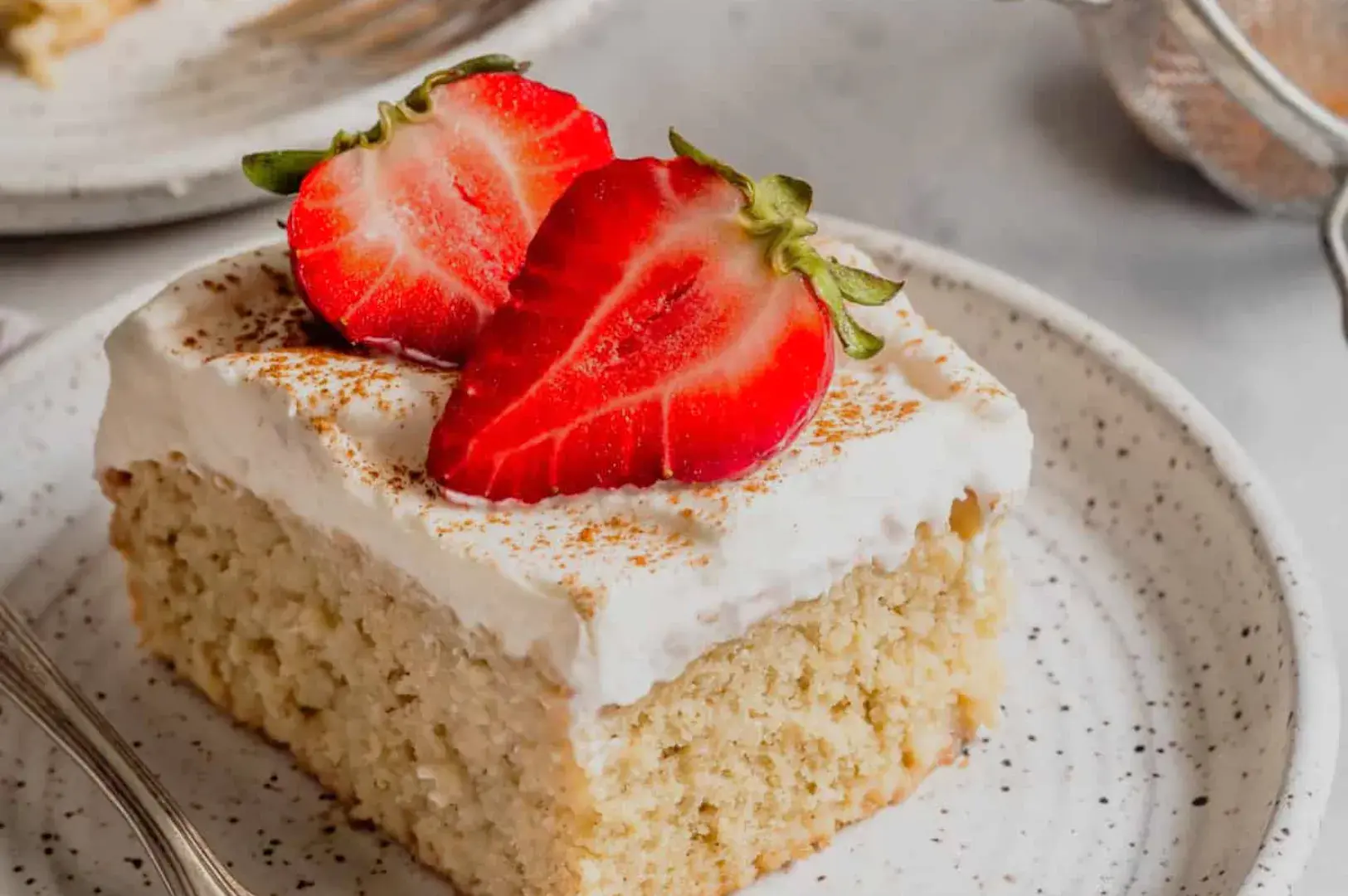
A strawberry cheesecake isn’t complicated. That’s actually its advantage. The tang of the filling, the sweetness of the fruit, the crunch underneath. Three ideas, no explaining required.
Compare that to a dessert that needs a menu description to make sense. Strawberry cheesecake doesn’t need translation. Everyone already knows what they’re getting into, and that familiarity is doing more work than people give it credit for. It also explains why a slice of strawberry cheesecake tends to outlast every other option on a dessert table, even the ones that photograph better.
The Cream Cheese Question Nobody Talks About
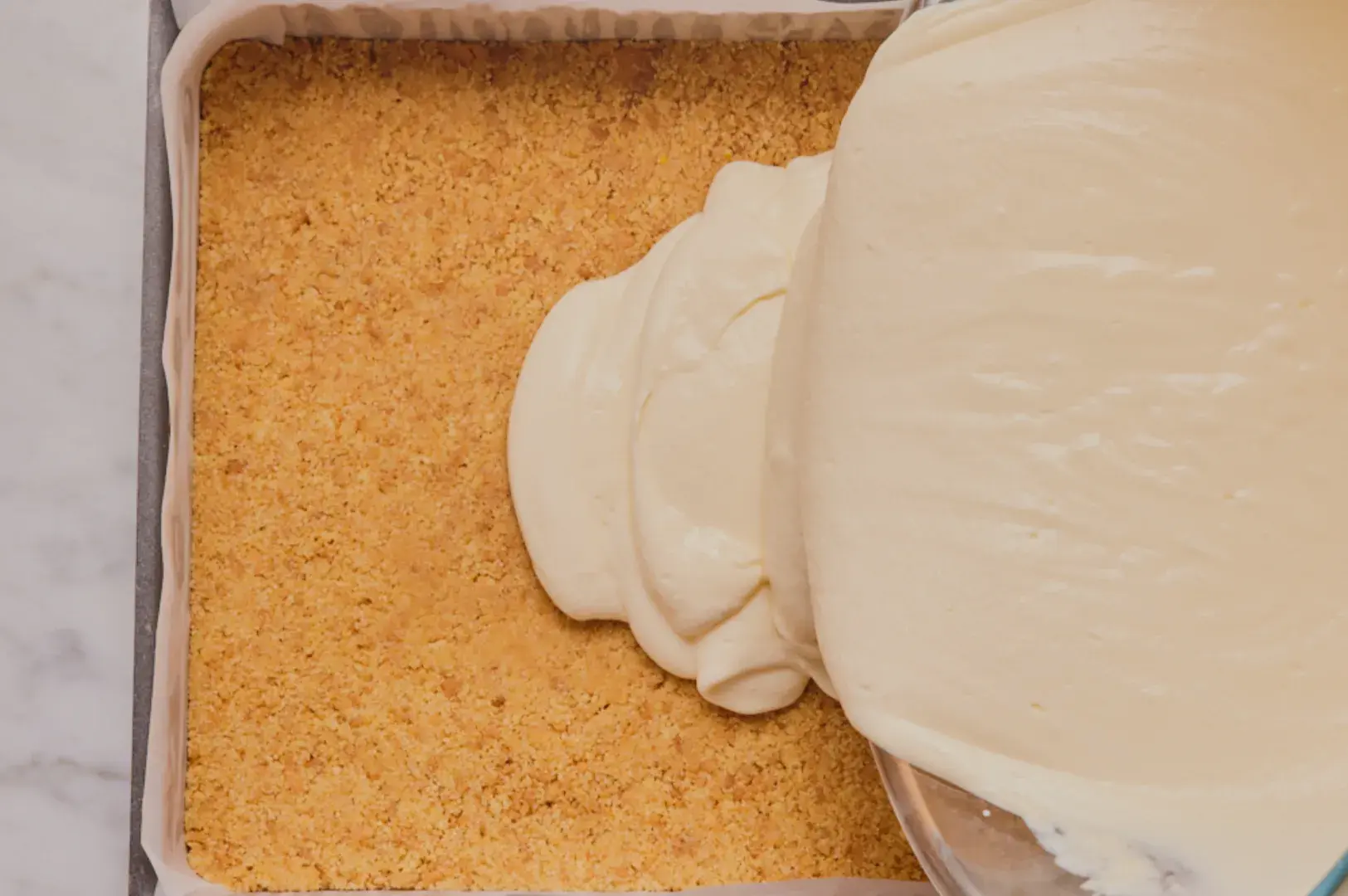
Most people assume cream cheese is just cream cheese. It isn’t. The fat content, the moisture level, even the brand, all of it shifts how the final texture turns out.
Low fat versions tend to split under heat. Whipped versions can leave the filling looser than intended. For a cheesecake that needs to hold its shape when sliced, full fat, block style cream cheese at the right texture matters more than most recipes let on.
Softened cream cheese blends into a smoother cream cheese mixture with far less effort than cold cream cheese does, which is really the whole point of bringing it to room temperature in the first place. A creamy filling starts here, not in the oven.
Sorting Through Cheesecake Recipes Before Picking One
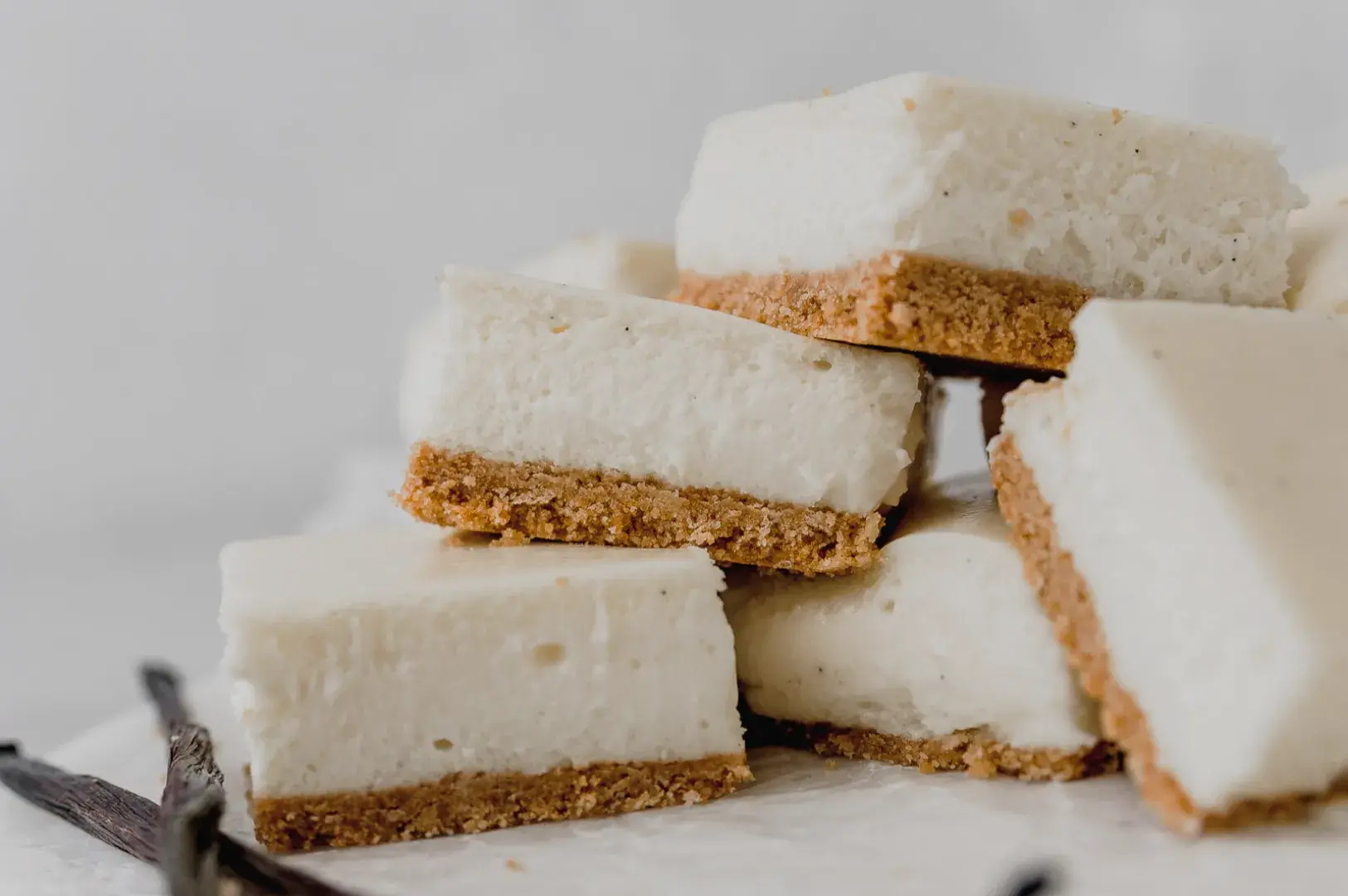
Search for cheesecake recipes and the sheer number of versions is a little overwhelming. Baked, no bake, Basque style, New York style, Japanese cotton style. Each one solving a slightly different problem.
The useful move isn’t finding the one “correct” recipe. It’s figuring out what result is actually wanted. Dense and rich calls for one method. Light and airy calls for another. Strawberry cheesecake happens to work well across almost all of them, which is part of why it shows up so often as the go to cheesecake recipe people return to once they’ve worked through more cheesecake recipes than they meant to.
Read: Plain Is Dead: The Cheesecake Flavours Singapore Actually Wants
Getting the Cheesecake Filling Right the First Time
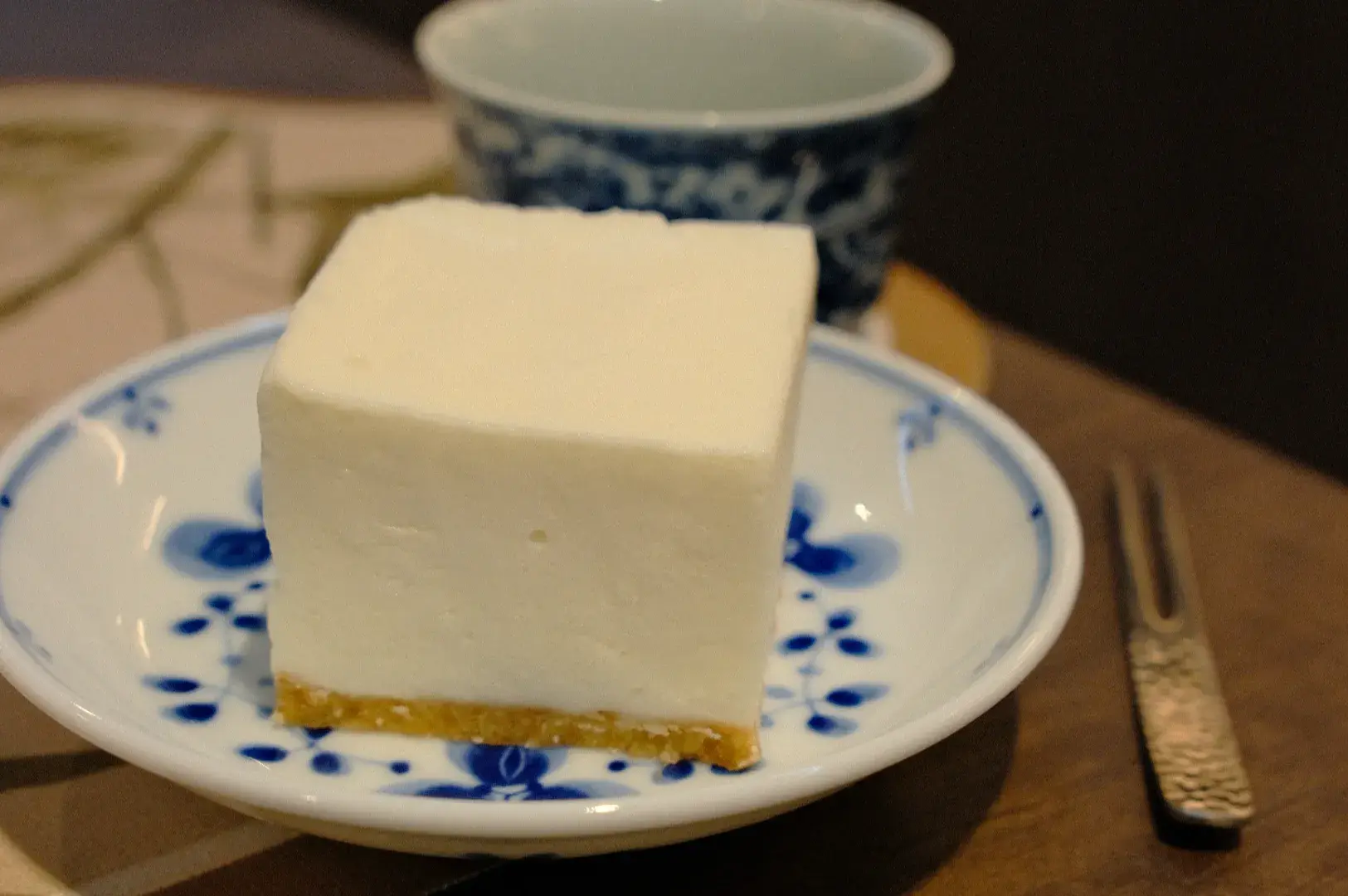
The strawberry cheesecake filling is where most attempts go wrong, usually from overmixing. Every extra minute on the electric mixer adds air, and air is exactly what causes cracks later in the oven.
Room temperature ingredients help too. Cold cream cheese straight from the fridge resists blending smoothly, which forces more mixing than necessary. Letting everything come up to temperature first solves half the battle before it starts.
The rest of the cheesecake batter is fairly forgiving. Granulated sugar for sweetness, a splash of vanilla extract or vanilla bean paste for depth, a little lemon juice or lemon zest to keep the whole thing from tasting flat, and enough heavy whipping cream or sour cream to loosen it just slightly. None of it is technical. It’s closer to seasoning than baking.
The Case for Fresh Strawberries
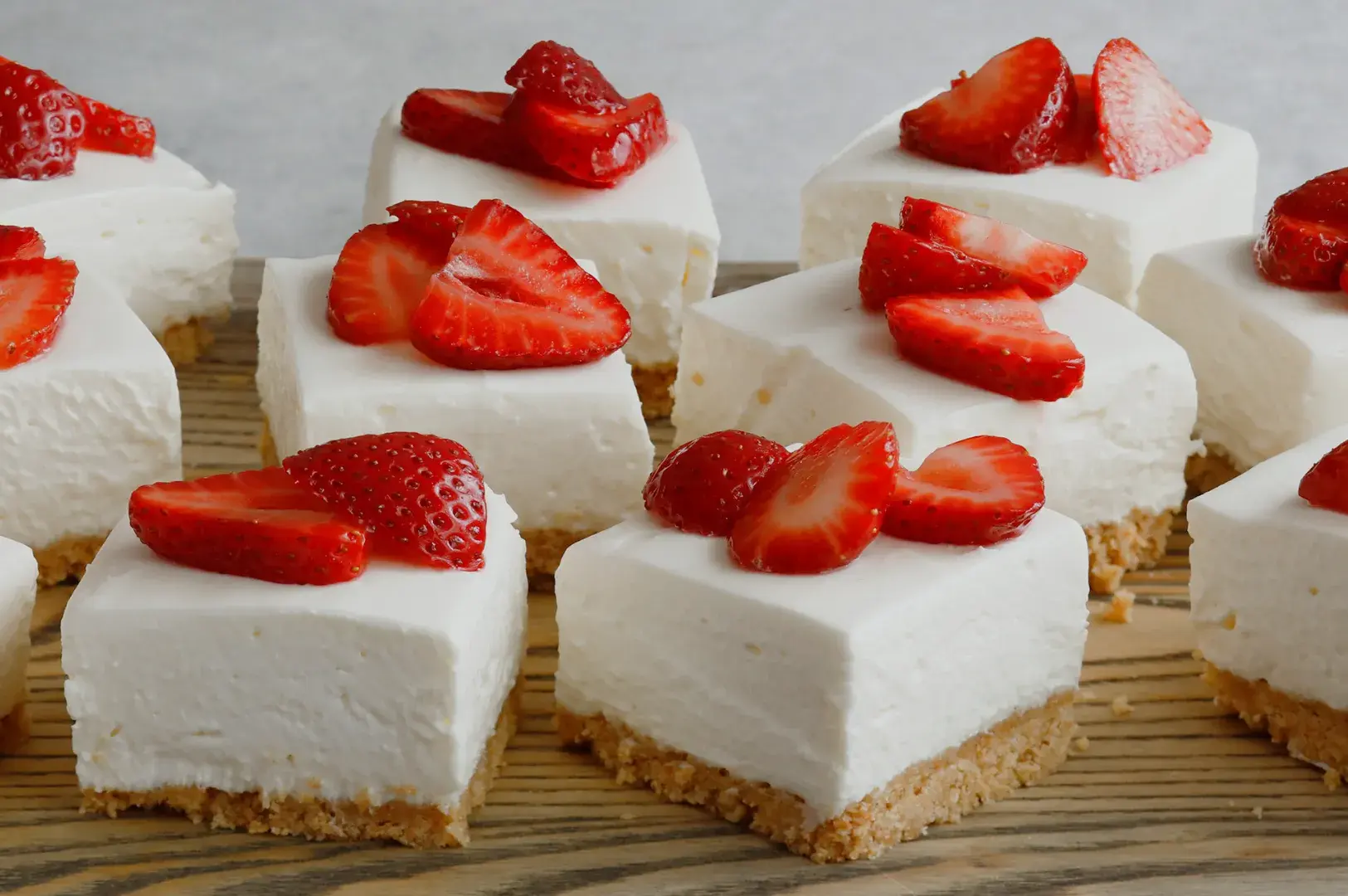
Fresh strawberries, hulled and halved or quartered, bring a brightness that’s hard to fake. Used as a fresh strawberry topping or folded into a strawberry sauce, they carry a slight tartness that balances out the richness of the filling underneath.
The catch is seasonality. Strawberries picked out of season often taste thin, more sweet than fruity, and that flatness shows up in the final strawberry topping. Whatever remaining halved strawberries are left over rarely go to waste. They get tossed into a bowl, into oatmeal, into whatever’s around.
When Frozen Strawberries Actually Work Better
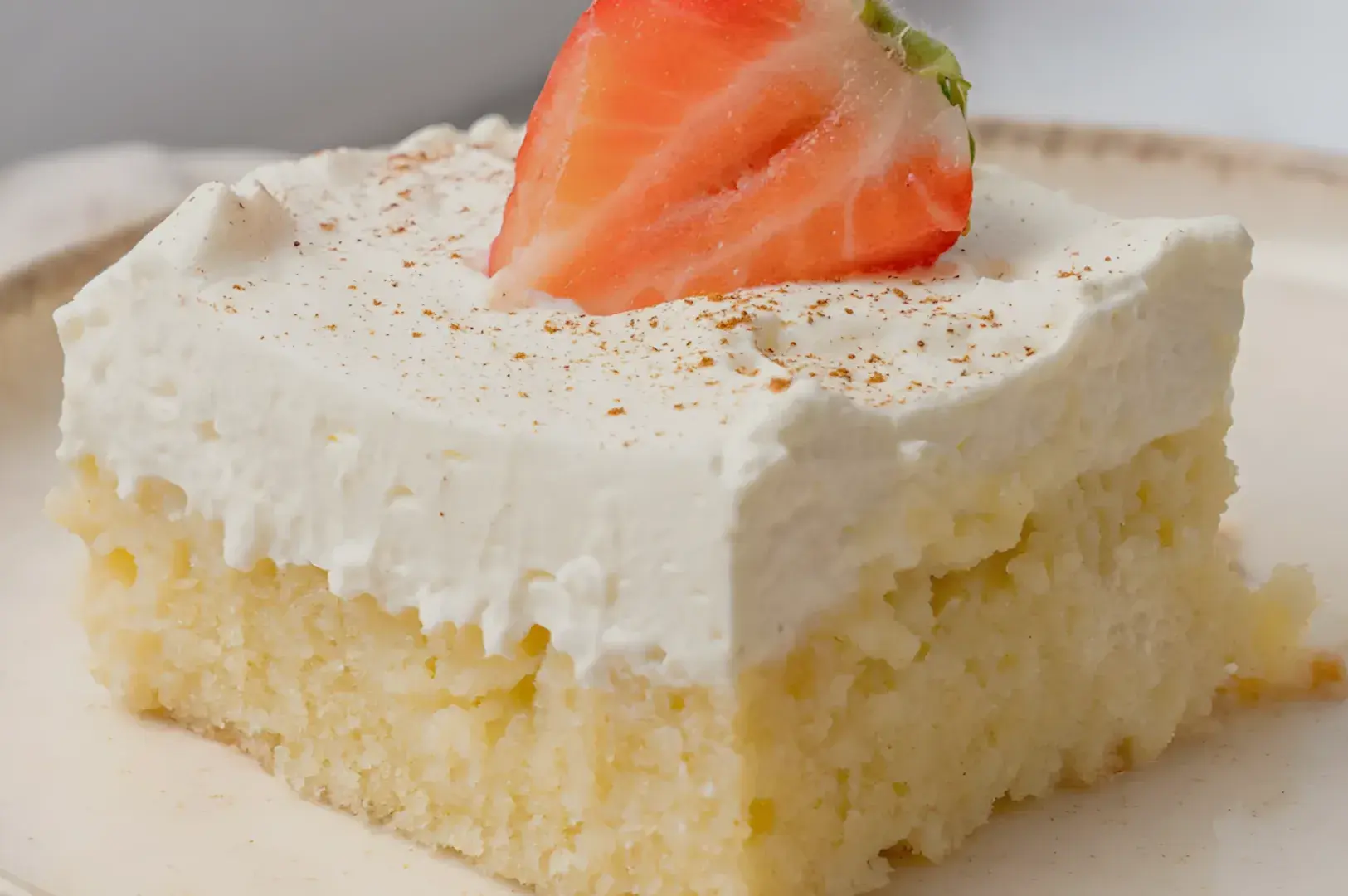
This is where frozen strawberries earn their reputation, quietly. Picked and frozen at peak ripeness, they often taste more like strawberries than the fresh ones sitting in a supermarket in the wrong month.
They also break down more easily into a strawberry puree, which makes them a practical choice for a cooked strawberry sauce or a swirl worked directly into the batter. Freeze dried strawberry powder does something similar from a different angle. Ground freeze dried strawberries add concentrated strawberry flavor without adding extra liquid, which matters more than it sounds like it should when the filling is already delicate.
Building a Cheesecake Crust That Actually Holds Its Shape
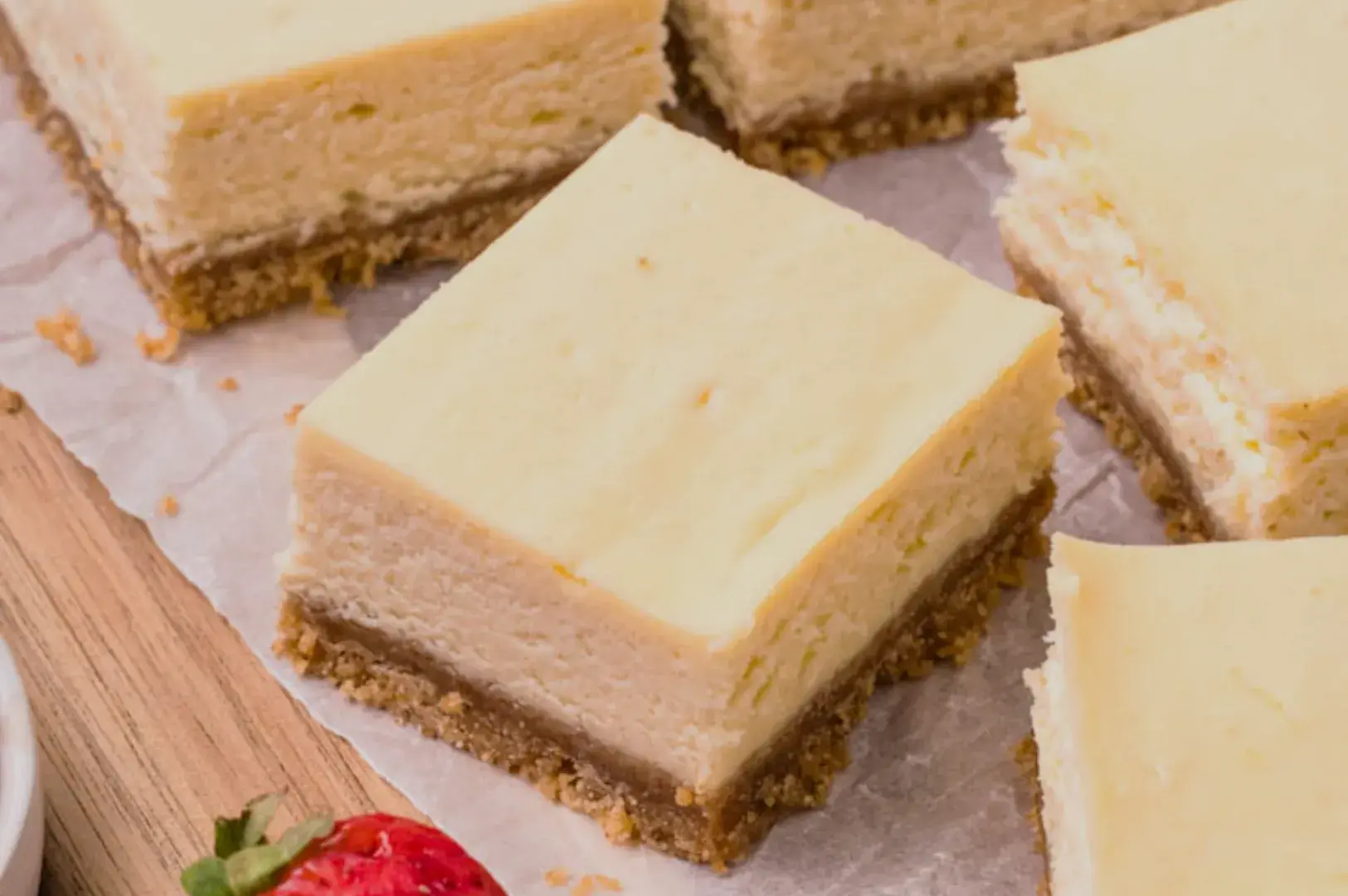
A cheesecake crust has one job: stay together when a slice is lifted out. A graham cracker crust, built from graham cracker crumbs, or gluten free graham crackers and digestive biscuits for those avoiding wheat, mixed with melted butter or unsalted butter and pressed firmly into a springform pan, usually gets there.
The texture to aim for is often described as wet sand. Not dry and crumbly, not so buttery it turns greasy. A crisp graham cracker crust holds together because the graham cracker mixture has just enough moisture to bind without becoming dense. An oreo crust follows the same logic with cookie crumbs standing in for graham cracker, for anyone who wants more chocolate and less warmth.
Why a Food Processor Changes the Whole Process
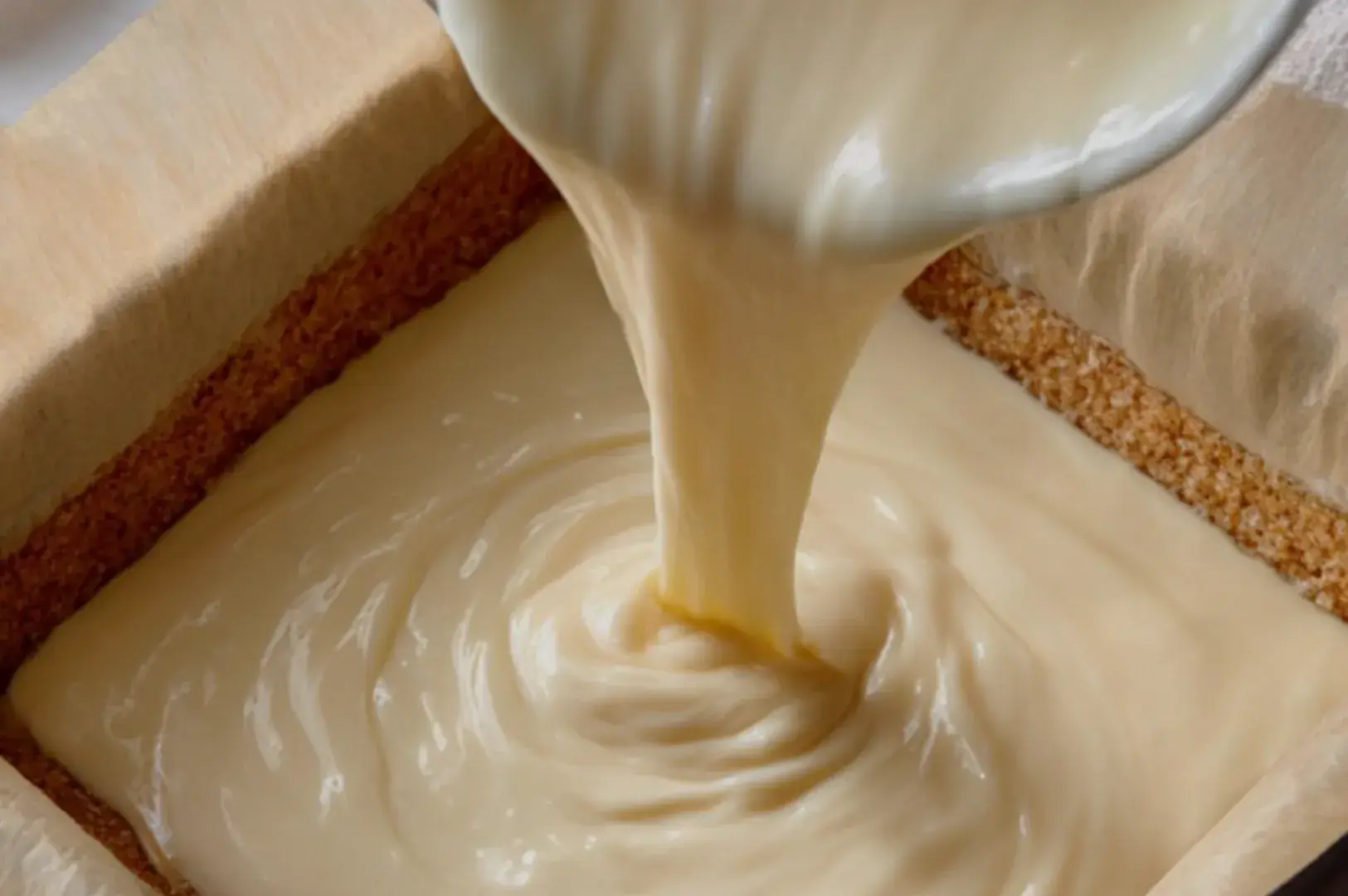
A food processor turns whole graham crackers or crushed digestive biscuits into fine, even crumbs in seconds, which matters more than it sounds like it should. Uneven crumbs, some fine, some chunky, create a crust that crumbles unpredictably when sliced.
Without one, a rolling pin and a sealed bag get the job done, just with more effort and a less consistent result. The same logic applies to the fruit. A potato masher works just as well as a blender for breaking strawberries down into a rough sauce, no measuring cup of precision required.
Baked Strawberry Cheesecake vs the No-Bake Kind
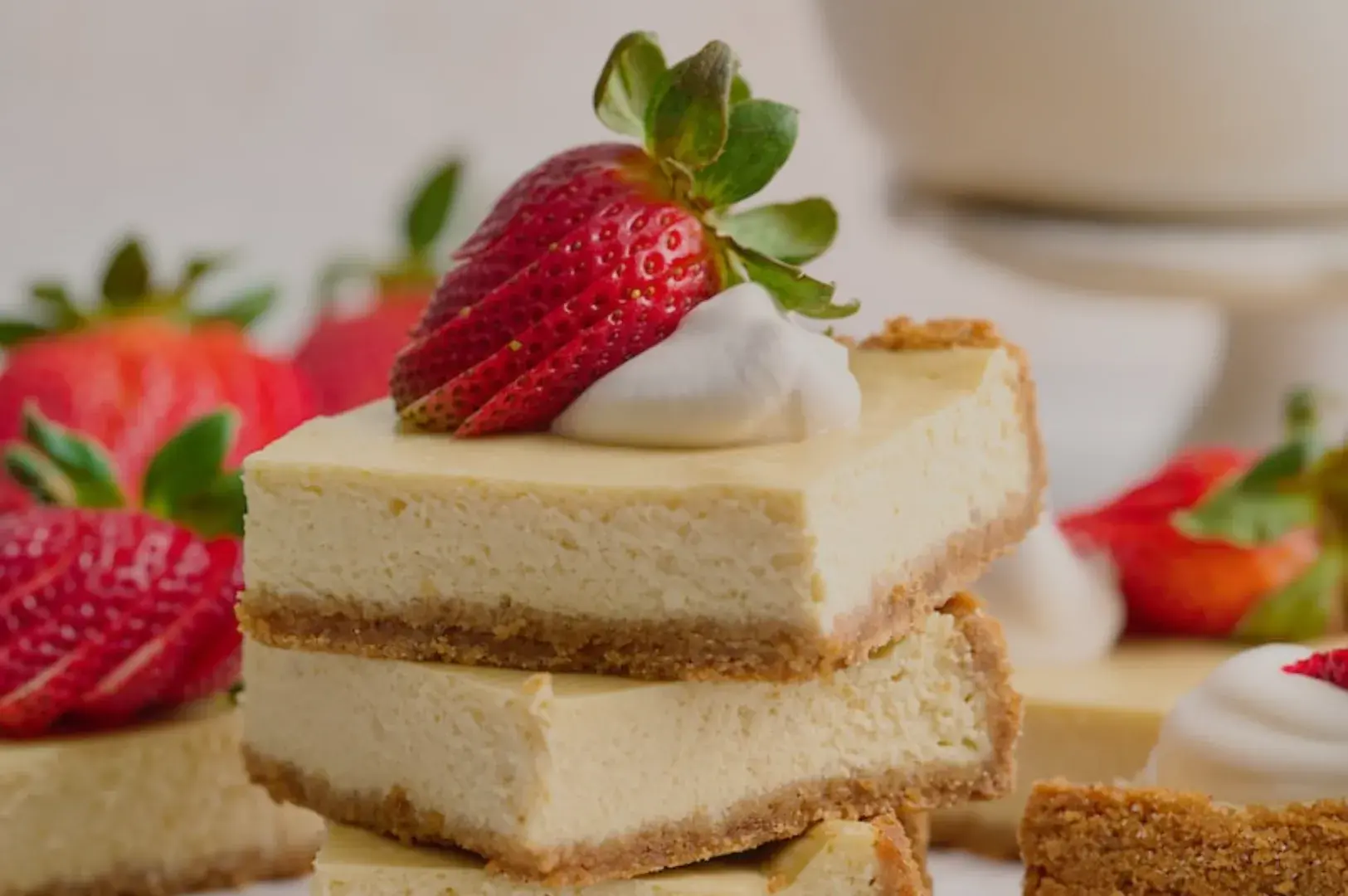
A baked strawberry cheesecake, often set in a water bath over medium heat before it goes in the oven, develops a denser, more structured filling. The gentle, even heat prevents the edges from overcooking while the center firms up slowly.
No bake versions skip the oven entirely, relying on chilling time and sometimes gelatin to set. They’re faster and more forgiving, but the texture reads lighter, closer to a mousse than a traditional baked cheesecake or plain cheesecake. Neither is more correct. They’re just answering a different question.
Learning How to Freeze Strawberry Cheesecake Properly
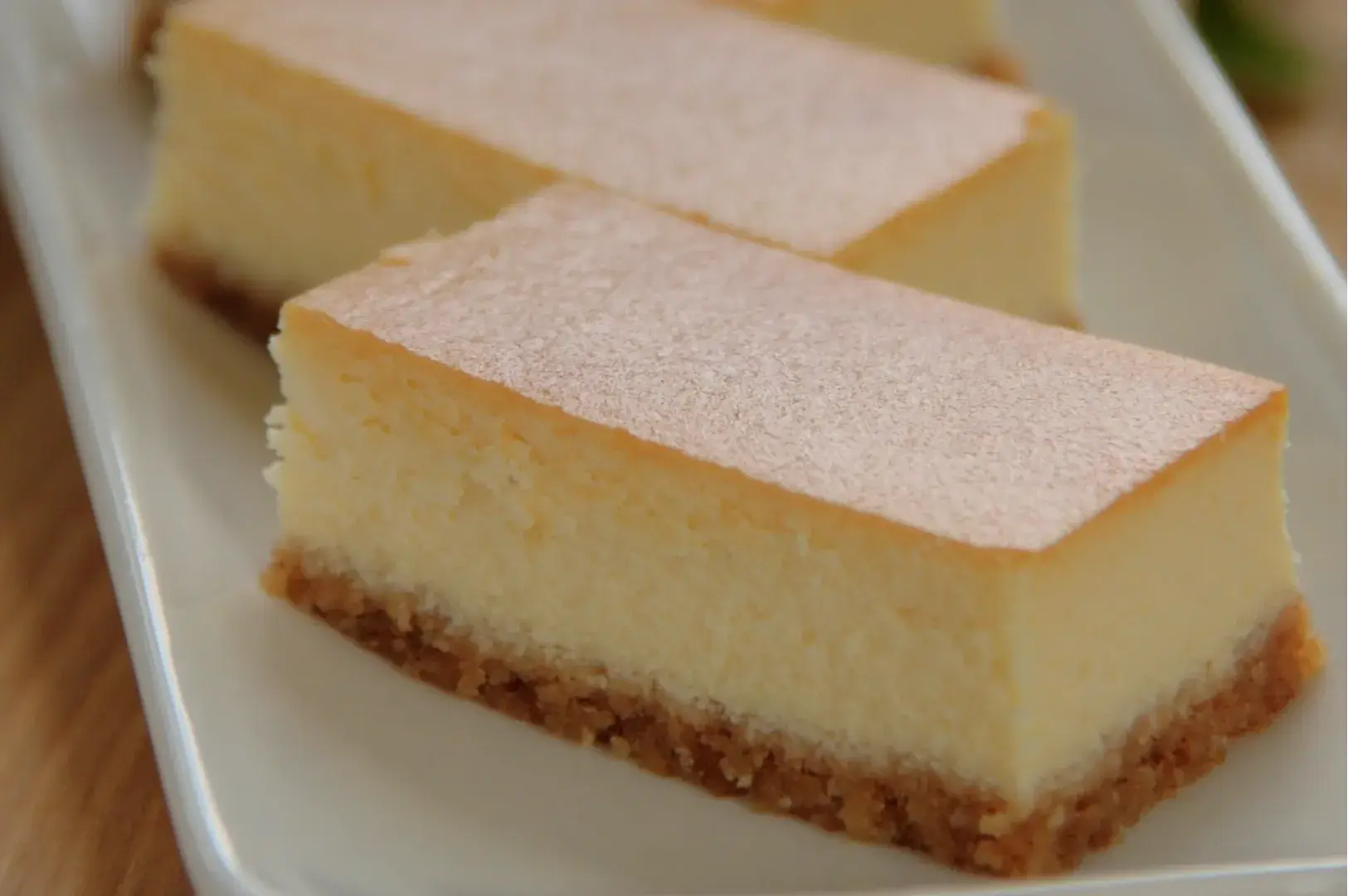
It’s possible to freeze strawberry cheesecake, whole or in individual slices, and the results hold up surprisingly well. The key is wrapping tightly, ideally with plastic wrap followed by a second layer, to keep freezer air from drying out the surface.
Thawing slowly in the fridge, rather than at room temperature, keeps the texture from turning grainy. Any remaining strawberry sauce freezes just as well on its own, in a small container, ready to spoon over a slice once it’s thawed.
A Condensed Milk Shortcut Worth Knowing
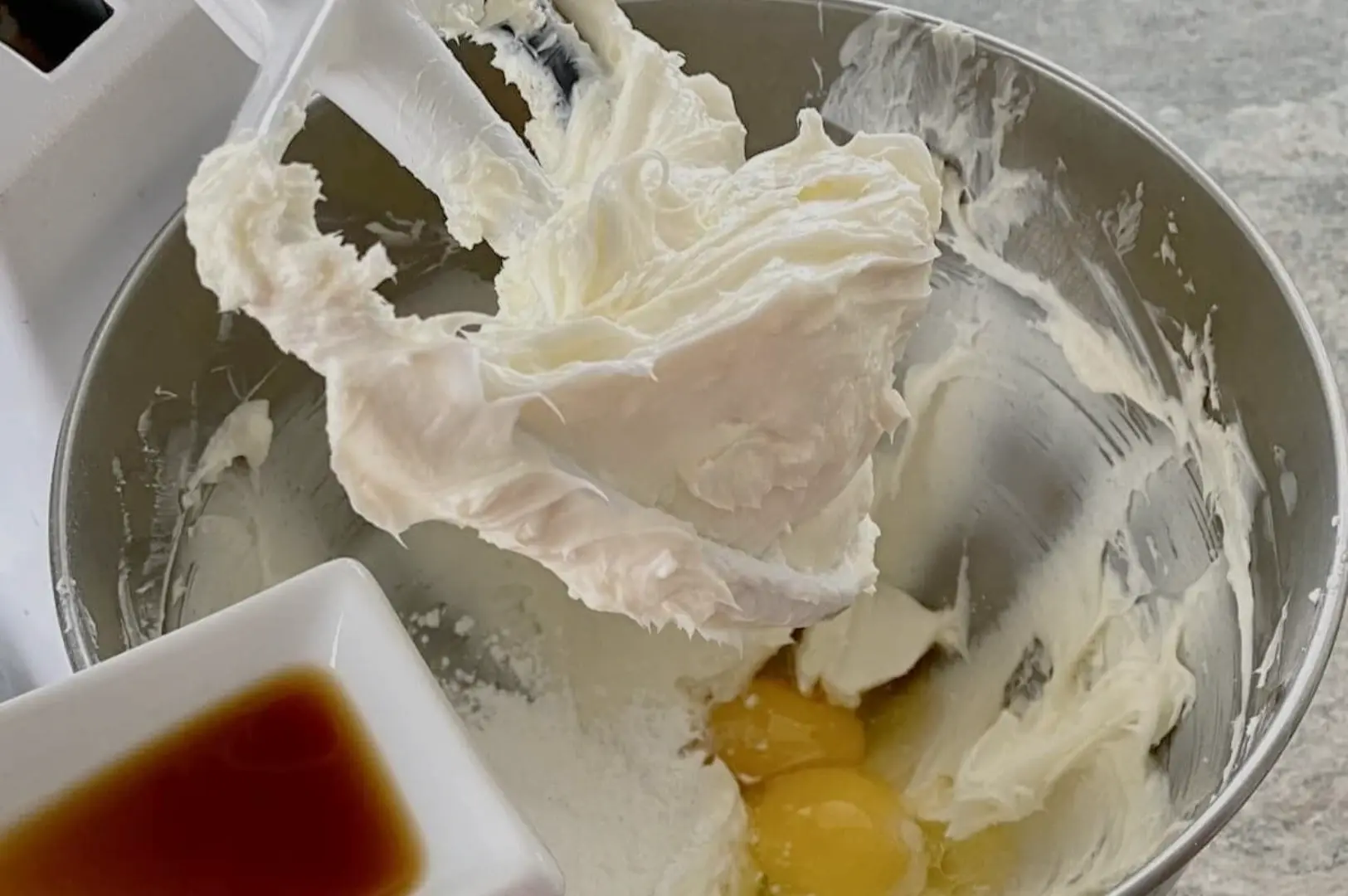
Some easy strawberry cheesecake recipes swap part of the sugar and sour cream for condensed milk. It adds sweetness and a slight extra creaminess in one step, which cuts down on both ingredients and mixing time.
It’s not traditional, and purists will notice the difference in richness, along with a bump in saturated fat that nobody’s really tracking nutrition calories on anyway. For a quicker version that still tastes properly finished, it’s a reasonable trade.
What “Best Cheesecake” Even Means Anymore
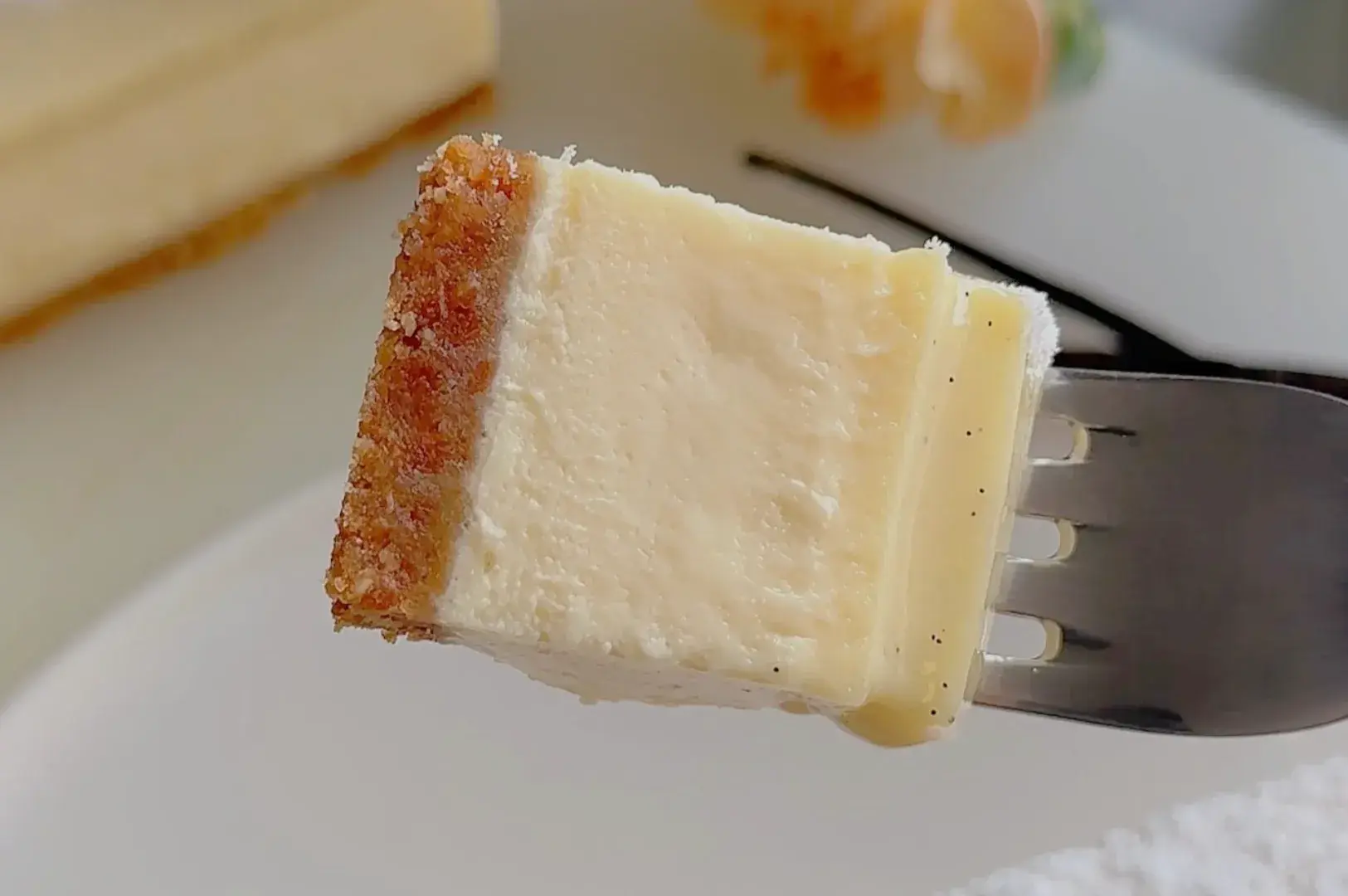
Asking what makes the best cheesecake is really asking what someone values most: texture, sweetness, ease, or nostalgia. There isn’t one universal answer, and that’s fine. Scroll through required recipe ratings on any recipe site and the ones with the most five star reviews rarely agree with each other either, which says more about personal taste than about any single review recipe getting it wrong.
What’s consistent is that strawberry keeps showing up near the top of that list, across nearly every version of the question, whether the comparison is a home baked slice or something closer to a dense, restaurant-style cheesecake. It isn’t the flashiest flavor in the dessert cuisine conversation. It just happens to be the one people actually finish, right down to the crumbs on the serving plate.
For anyone who’d rather skip the springform pan and the water bath altogether, Daizu by Ki-setsu makes a soy based take on the classic, built around that same balance of tang, sweetness, and fruit that keeps bringing people back to strawberry in the first place.