A bakery in Tiong Bahru still sells tiramisu next to kaya toast, and nobody blinks. Twenty years ago that pairing would have looked like a mistake on the menu. Now it barely registers as unusual, which says something about how imported desserts actually work once they arrive somewhere new.
Most imported desserts don’t survive contact with a new country. They show up during a trend cycle, get photographed a lot, and quietly disappear once the novelty wears off. A handful stick around long enough to stop being “imported” at all and start being ordinary. The question worth asking isn’t which desserts came from elsewhere. It’s why only some of them got to stay.
What Separates a Trend From a Fixture
A trend needs attention to survive. A fixture needs a reason to exist without it.
Bubble tea desserts, unicorn toast, the rainbow cronut era, these all had their moment and then thinned out once the queues stopped being interesting. What replaced them wasn’t a rejection of imported food. It was a filtering process. The desserts that stayed weren’t necessarily the most exciting ones. They were the ones that solved a problem or fit into daily life in a way locals didn’t already have covered.
Mochi is a good example. It didn’t stay because it was novel. It stayed because it filled a specific texture gap, something chewy and mild that worked as a snack, a gift, or a dessert course, and nothing local quite did the same thing.
The Desserts That Actually Adapted
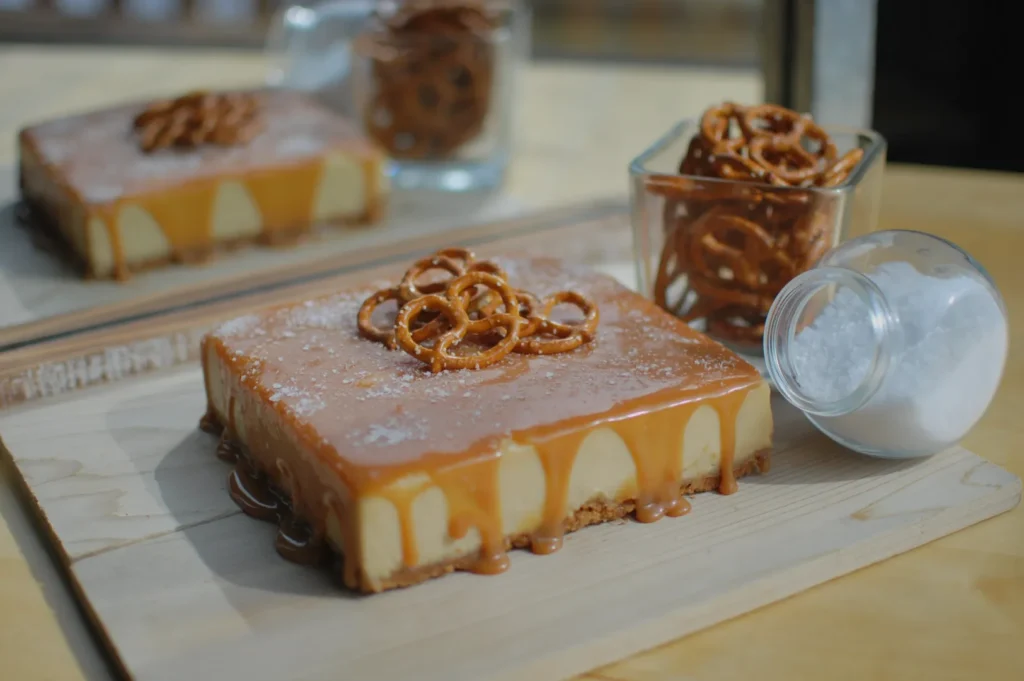
Adaptation tends to look like two things happening at once. The dessert changes shape a little, and it finds a slot in daily life that wasn’t there before. The ones that managed both are the ones still around today.
They Changed Without Losing Their Identity
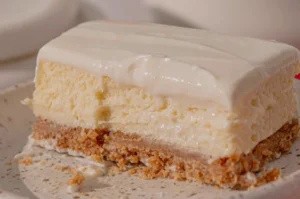
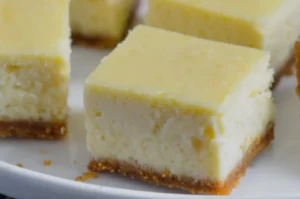
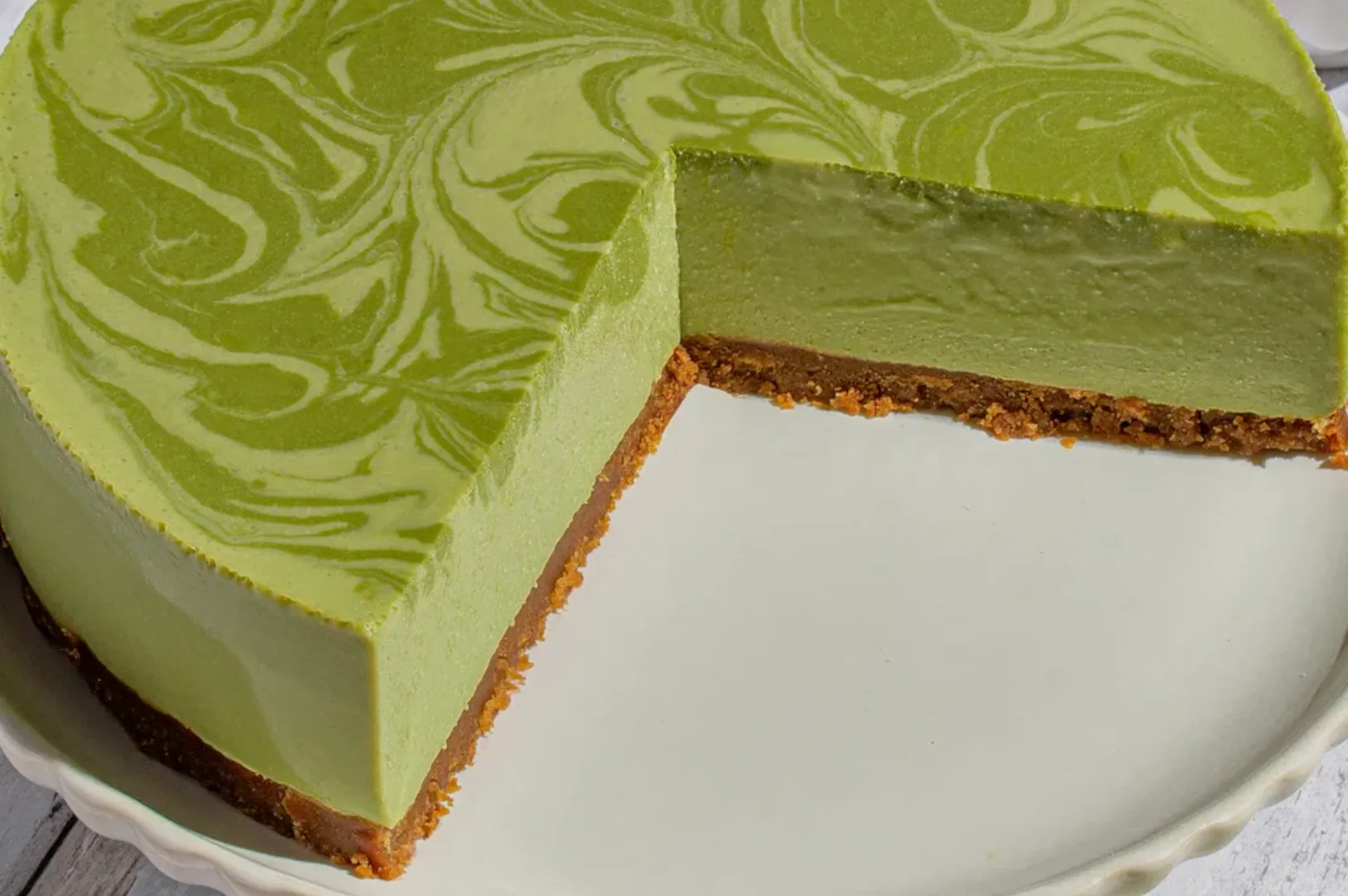
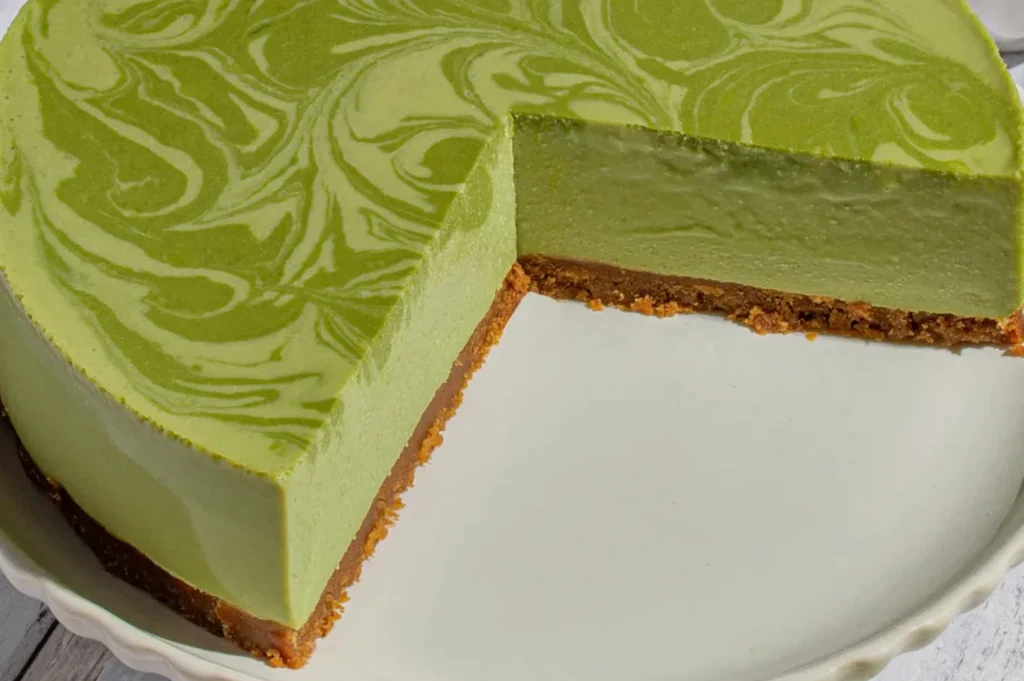
The imported desserts that lasted are rarely the ones served exactly as they were back home. Cheesecake is the clearest case, carrying its own history. American-style cheesecake is dense and rich in a way that doesn’t always suit a hot, humid climate or a palate used to lighter finishes. Japanese-style cheesecake, cotton soft and less sweet, found a much easier way in because it asked less of the eater on a warm afternoon.
That’s adaptation, not dilution. The dessert kept its core identity, the cheese, the bake, the general idea of what it’s supposed to be, while adjusting the parts that didn’t translate well locally.
They Matched an Existing Habit
Desserts also stay when they slot into an eating pattern that already exists. Singapore has a strong culture of small, shareable snacks eaten between meals rather than one large dessert eaten after dinner. Imported desserts sized for that habit, a wedge of cake here, a small pastry there, tend to integrate faster than ones built around a single large serving meant to close out a meal.
This is less about flavour and more about logistics. A dessert that fits how people already eat has a much shorter distance to travel before it feels normal.
The Ones That Didn't Make It
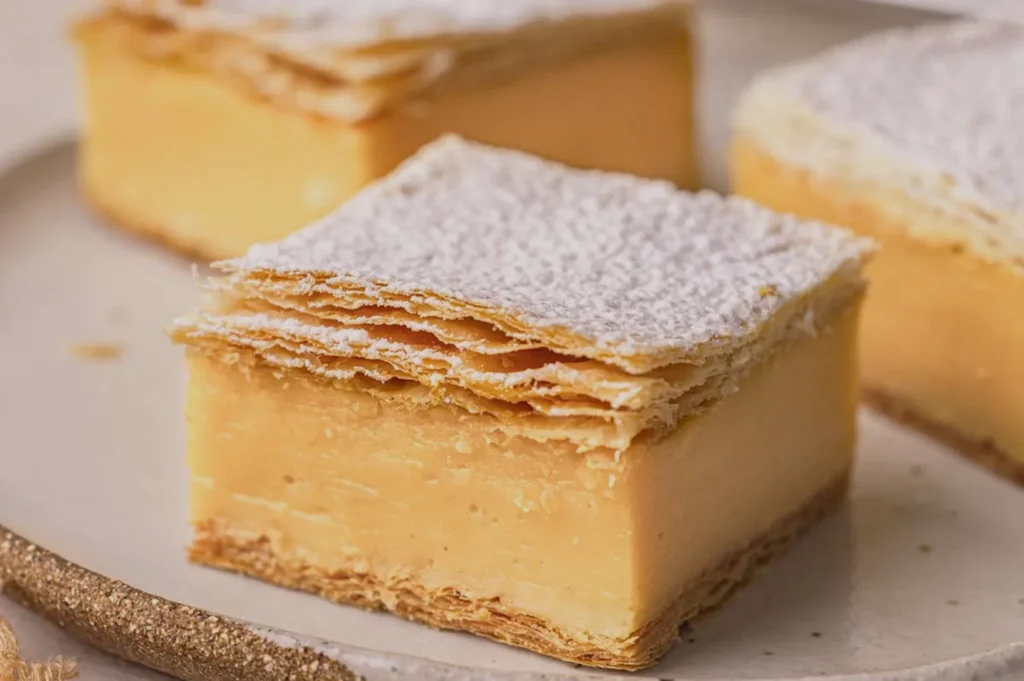
Not every import gets a second act. Some desserts arrive, generate interest, and then fade because they never solved a local problem or matched a local habit. They existed as an experience rather than a food people wanted regularly.
Often it comes down to upkeep. A dessert that needs a very specific imported ingredient, an oven setup that’s expensive to maintain, or a level of skill that’s hard to train locally will struggle to stay affordable or consistent. Once the cost or difficulty of making it properly outweighs the demand for it, it quietly drops off menus.
There’s also a simpler reason some imports don’t last: they were never meant to be eaten often. A dessert designed as a rare indulgence back home doesn’t automatically become an everyday item just because it crossed a border. If nobody builds a routine around it, it stays a curiosity instead of a habit.
Why Some Imported Desserts End Up Feeling Local
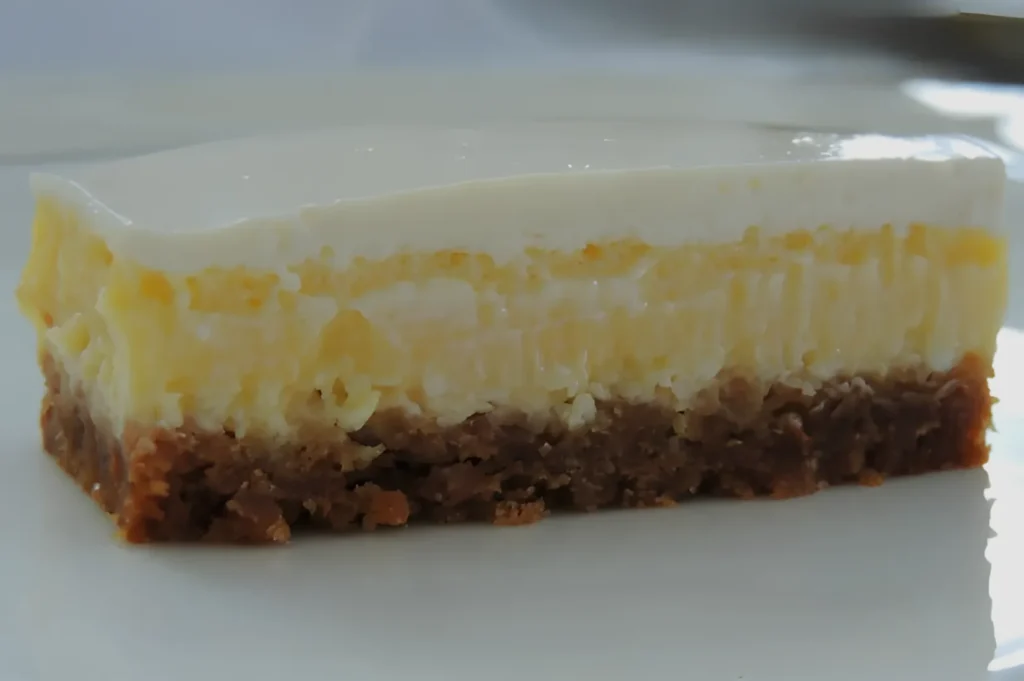
This is the part that’s easy to miss. A dessert stops being “imported” the moment people stop thinking about where it came from. Nobody orders tiramisu and mentally files it under Italian cuisine first. It’s just tiramisu, a thing that exists on the dessert menu the same way chendol does.
That shift happens slowly, through repetition, through small adjustments to sweetness or size or texture, and through enough time passing that the dessert becomes part of the local food vocabulary rather than a reference to somewhere else. Once that happens, the dessert isn’t really representing another country anymore. It’s just representing itself.
So What Actually Decides If an Imported Dessert Stays
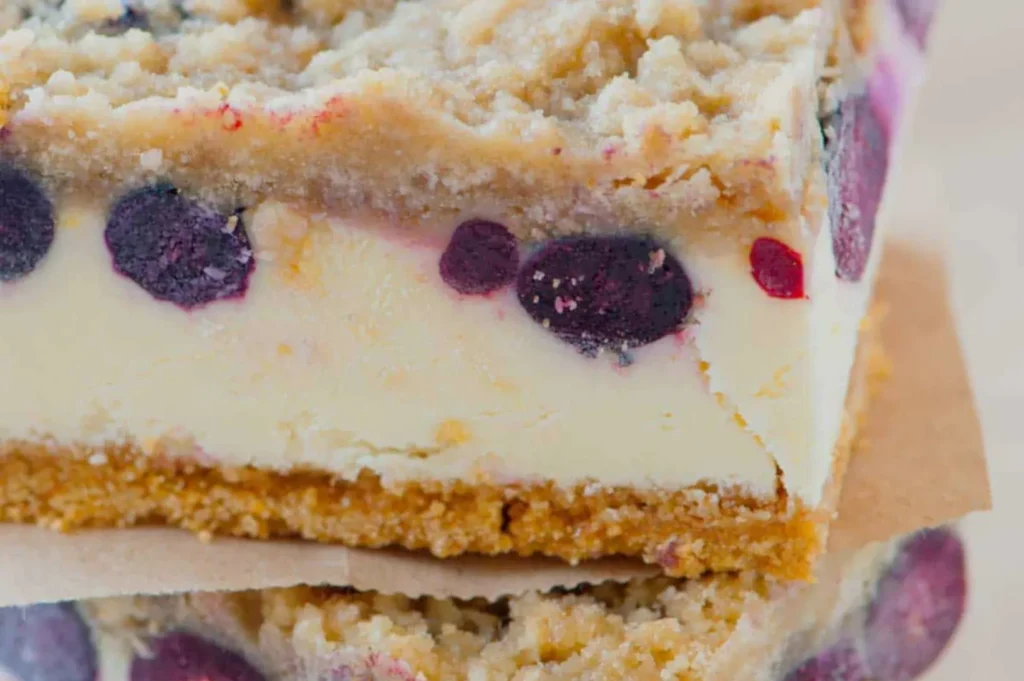
Not popularity, and not authenticity either. What decides it is whether the dessert can adjust enough to fit local conditions while still being recognisably itself, and whether it earns a regular place in how people already eat rather than remaining a one-time novelty.
The imported desserts that stayed did the quiet work of fitting in. They got a little lighter, a little smaller, a little more suited to the climate and the habits already in place, without losing what made them worth importing in the first place.
Daizu by Ki-setsu sits in that same lineage, taking a Japanese approach to cheesecake and working within it rather than importing a Western version wholesale. The lighter, soy-based texture wasn’t an accident of translation. It’s the kind of adjustment that tends to be why a dessert ends up staying instead of just visiting.