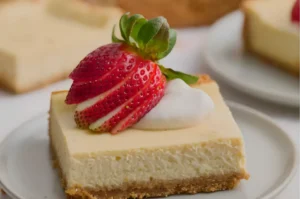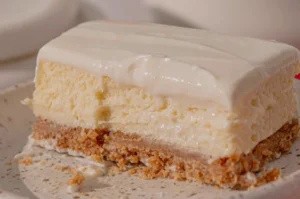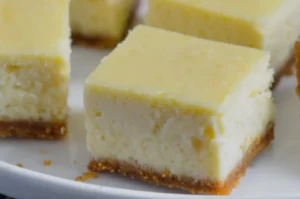
There’s a moment at almost every cheesecake counter where the question comes up without anyone actually asking it out loud: what’s underneath this thing. Most people don’t think about it until they hit a crust that’s too sweet, too sandy, or too thin to hold its own against the filling. That’s usually the point where graham cracker starts to look less like a given and more like a choice, one among several graham cracker alternatives that deserve a second look.
Graham cracker earned its spot for a reason. It’s cheap, it’s consistent, and it toasts into something with just enough structure to survive a slice being lifted off a plate. But “reliable” and “only option” are different claims, and the cheesecake world has quietly been testing other bases for decades.
Why Graham Cracker Became the Default Answer
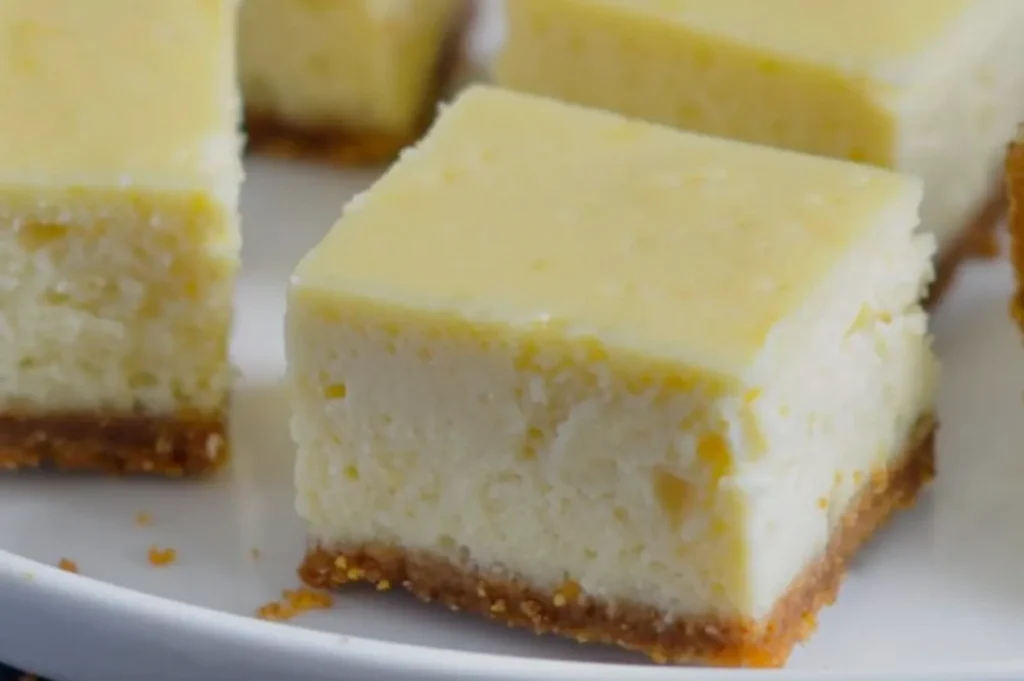
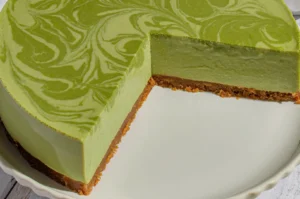
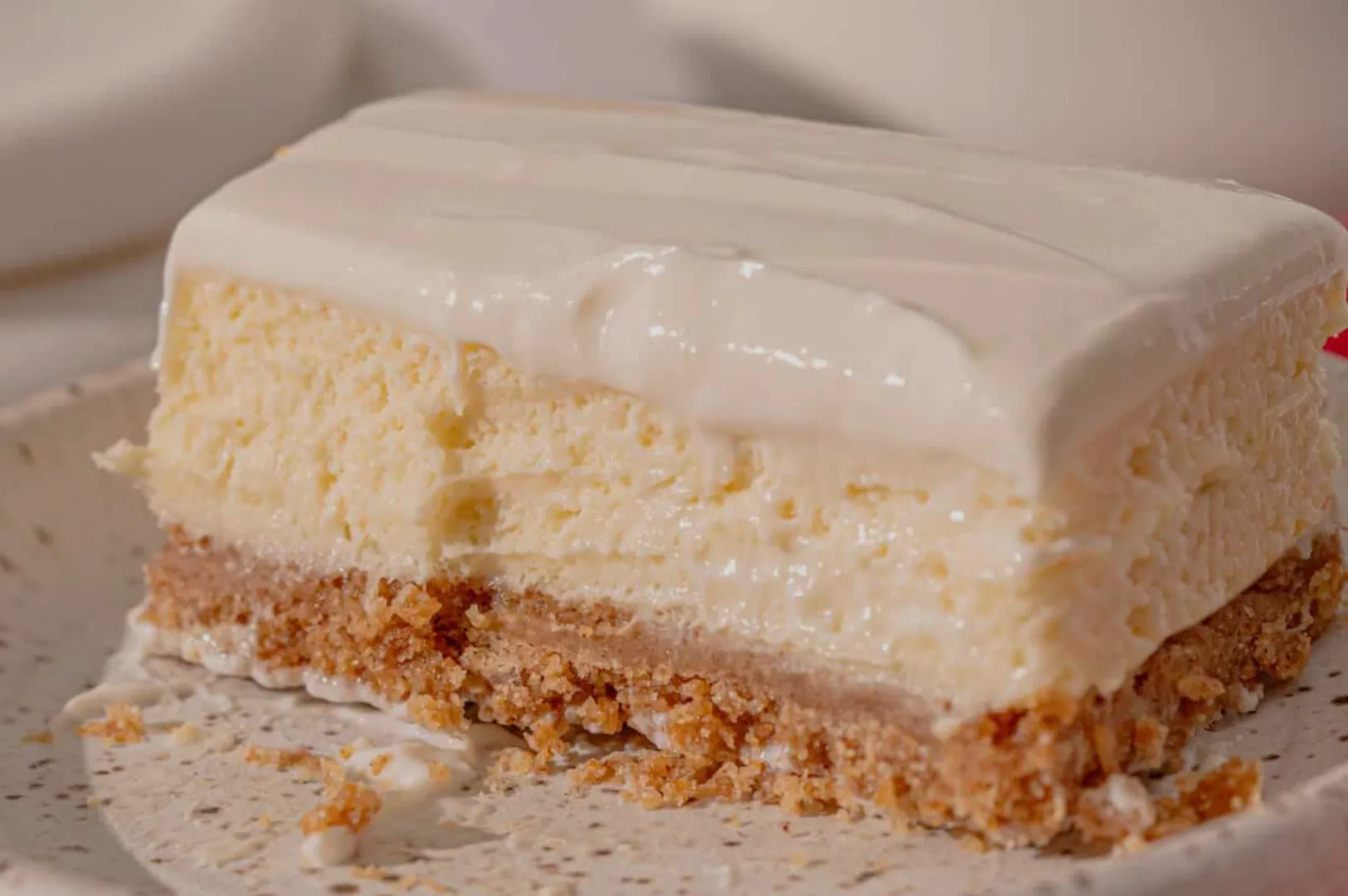
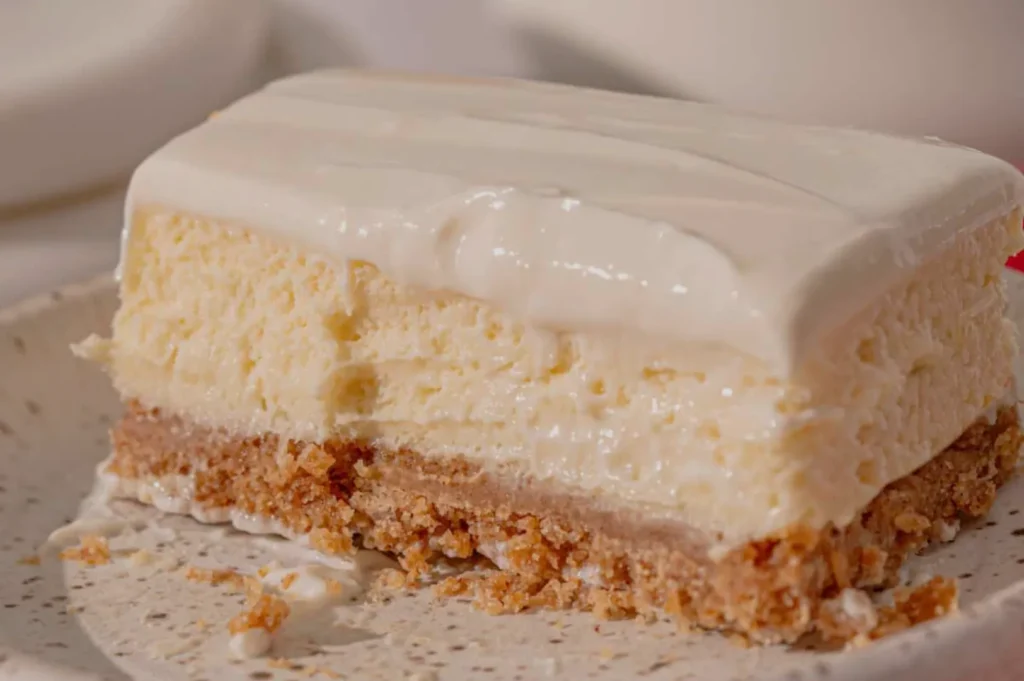
Graham cracker’s dominance isn’t really about flavour. It’s about behaviour. The cracker breaks down into fine crumbs, binds cleanly with melted butter, and holds its shape once chilled, which makes it forgiving for anyone baking at home.
There’s also history at play. American-style baked cheesecake and graham cracker crust arrived together, and that pairing got repeated so often it started to feel like a rule rather than a preference. Once a combination shows up in enough recipes, people stop questioning it.
The Cookie Family Graham Cracker Actually Belongs To
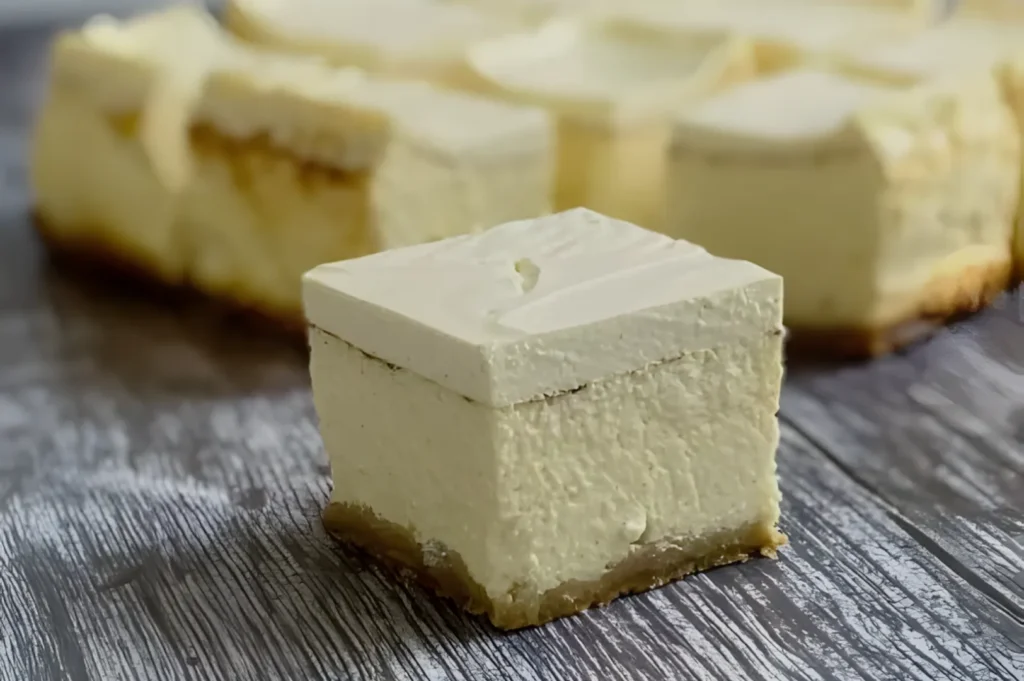
Graham cracker isn’t a category by itself. It’s one member of a much larger group of biscuit bases, and its cousins bring different things to the table.
Digestive Biscuits and Shortbread
Digestive biscuits, popular across the UK and much of Asia, have a slightly wheatier, less sweet profile than graham cracker. They hold together well and let the filling take the flavour lead instead of competing with it.
Shortbread goes the other direction. It’s buttery and a little more delicate, which means it crumbles more easily under a knife but adds a richer note that pairs especially well with lighter, less sugary fillings.
Chocolate Cookie Crusts
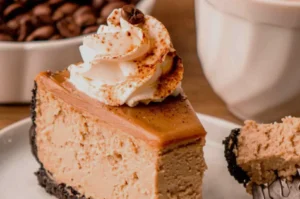
Oreo-style crusts are the loudest option on this list, and they know it. The cocoa flavour is assertive enough to stand up against tangy or citrus-forward cheesecakes, which is exactly why bakers reach for it when the filling needs a counterweight rather than a quiet supporting act.
Nut and Seed Crusts Change the Texture Conversation
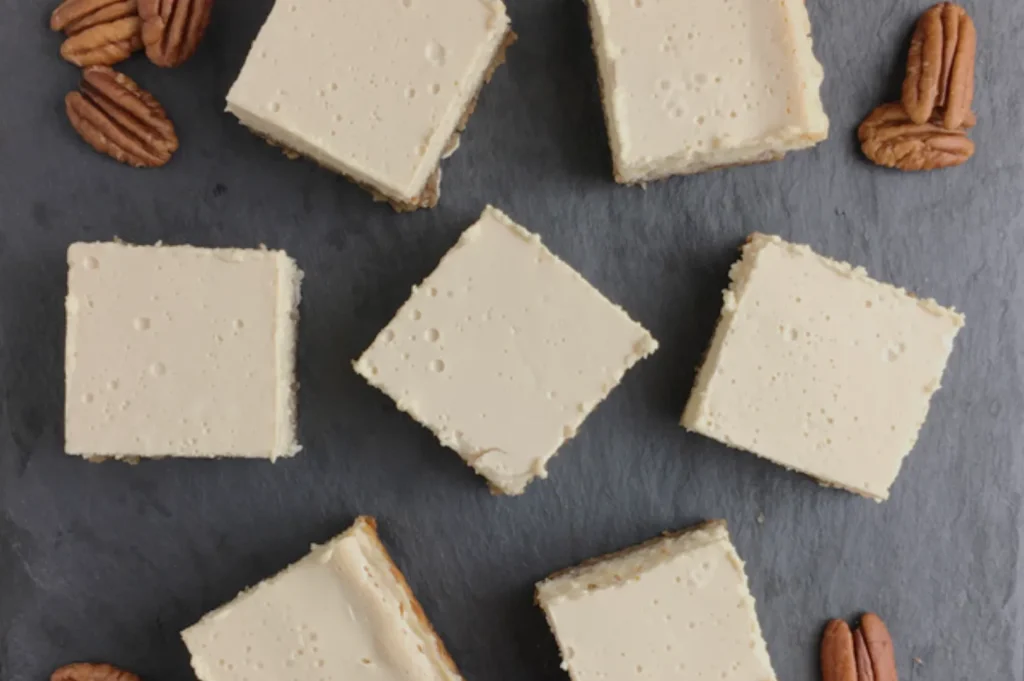
Swap the cookie for ground almonds, pecans, or even toasted sesame, and the crust stops being about crunch from sugar and starts being about crunch from fat and protein. Nut-based bases tend to be denser and slightly oilier, with a flavour that reads as warm rather than sweet.
They also tend to hold moisture differently. A nut crust can sit under a rich filling for longer without turning soft, which is part of why they show up so often in cheesecakes meant to be made a day ahead.
Seed-based versions, less common but worth mentioning, bring a similar structural benefit with an earthier finish. They’re the kind of base that rewards a filling with restraint, since anything too sweet will drown out what the seeds are doing.
Some Cheesecakes Skip the Base Argument Entirely
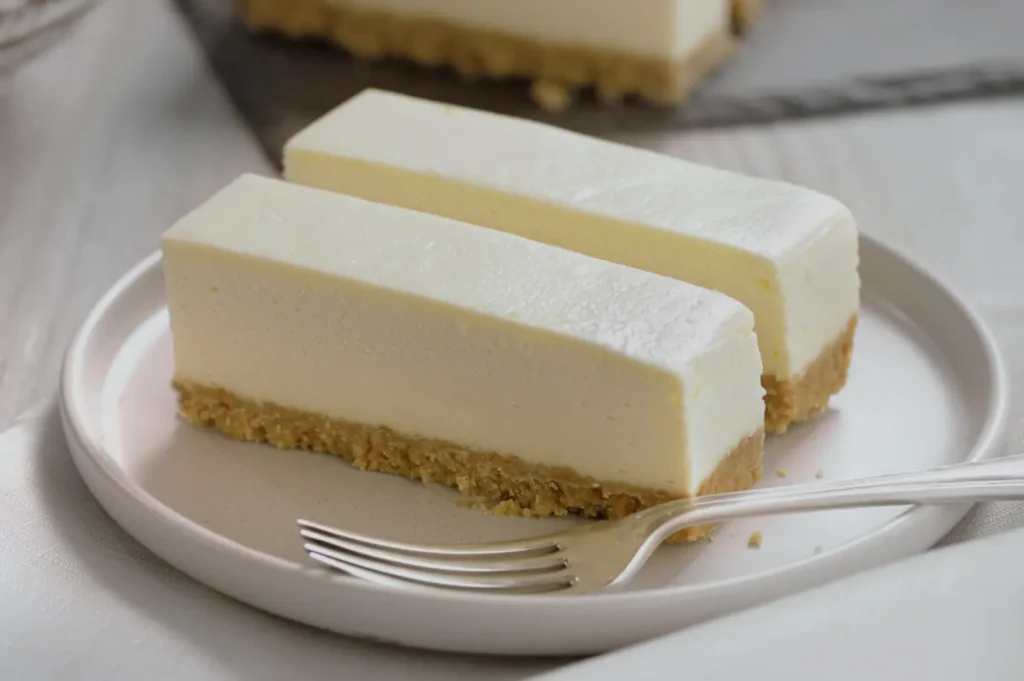
Not every cheesecake insists on a crust at all. Japanese-style cheesecakes, the soufflé kind, often rest on a thin layer of sponge instead, or sometimes nothing more than a light dusting on the pan. The texture of the cake itself is doing the work that a crust would normally do elsewhere.
This isn’t a shortcut. It’s a different philosophy. When the filling is airy rather than dense, a heavy, buttery base can actually fight against it instead of supporting it. A sponge layer flexes with the cake instead of standing rigid beneath it, which matters more than it sounds like it should.
Why This Matters for Lighter Fillings
A filling built to be soft and cloud-like needs a base that won’t crush it on the way down. Sponge absorbs a little moisture without turning soggy, and it slices cleanly, which a crumbled biscuit base often struggles to do once it’s been sitting in the fridge for a day.
What the Base Is Actually Holding Up
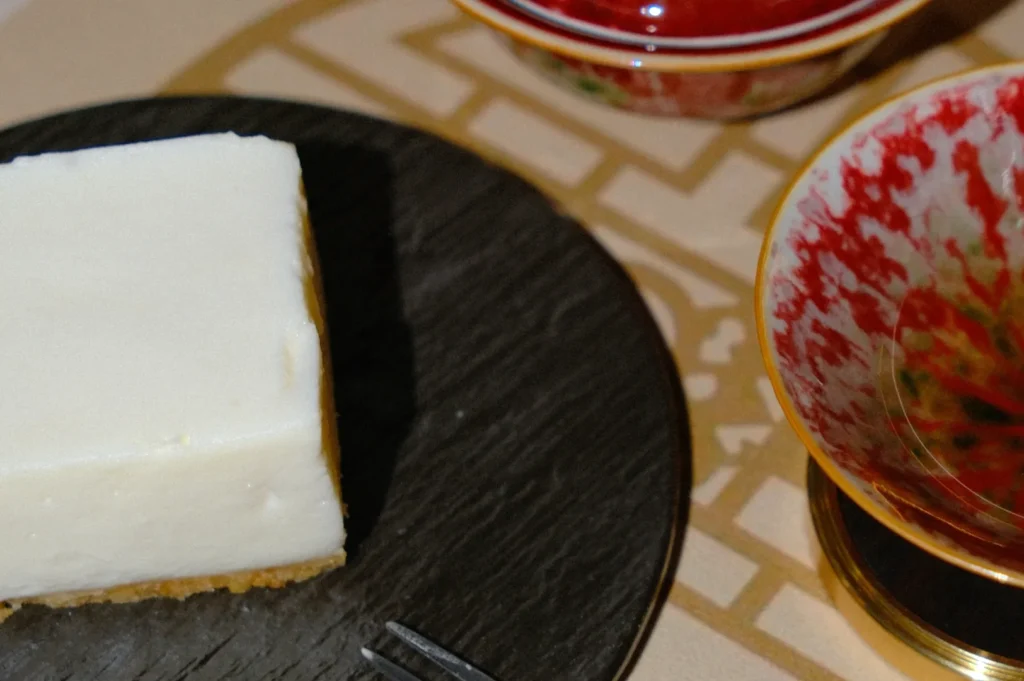
The real question was never whether graham cracker is good. It clearly is, or it wouldn’t have lasted this long. The better question is what any base is supposed to be doing for the specific cake sitting on top of it, and from there, the right choice among graham cracker alternatives starts to sort itself out.
A dense, tangy filling can carry a bold cookie crust. A rich, buttery filling might do better with something plainer underneath it. And a filling built on air, the way a soufflé-style cheesecake is, often does best without a traditional crust standing in its way at all.
That last approach is close to what shapes the cakes at Daizu by Ki-setsu, where the soy-based filling is light enough that the structure comes from the cake itself rather than from what’s underneath it. It’s less a rejection of the crust and more a recognition that not every cheesecake is asking the same base to do the same job.